- Home
- Apple Cider Vinegar
- Natural Hair Dye
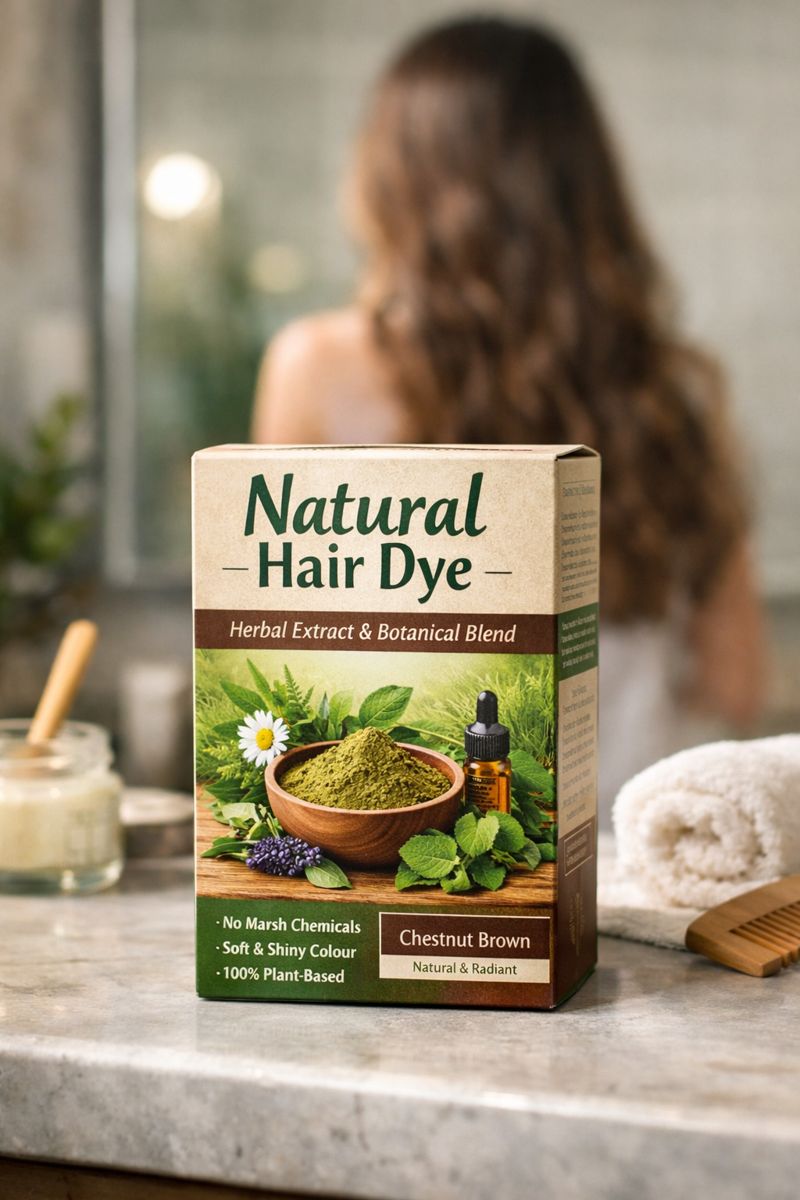
Natural Hair Dye
Is Hair Colour Worth Dying for?
Natural Hair Dye often gets dismissed, with some people assuming that plant-based or homemade hair dye recipes simply don’t work.
For many people, colouring their hair is simply part of life. Covering greys, refreshing a faded shade, or trying something new can feel empowering. But if you’ve ever applied conventional hair dye, you may also be familiar with the less glamorous side: scalp tingling, burning, irritation — and the unmistakable chemical smell that clings to the bathroom for days.
And let’s be honest, there’s often collateral damage too. A favourite towel sacrificed. A mysteriously tinted hairline. That moment of panic when you realise you’re due at a function in an hour and your skin has taken on a shade that was definitely not on the box.
This has led many people to ask a fair question: what exactly are we putting on our scalp — and does it matter?
Why Hair Dye Can Feel So Harsh
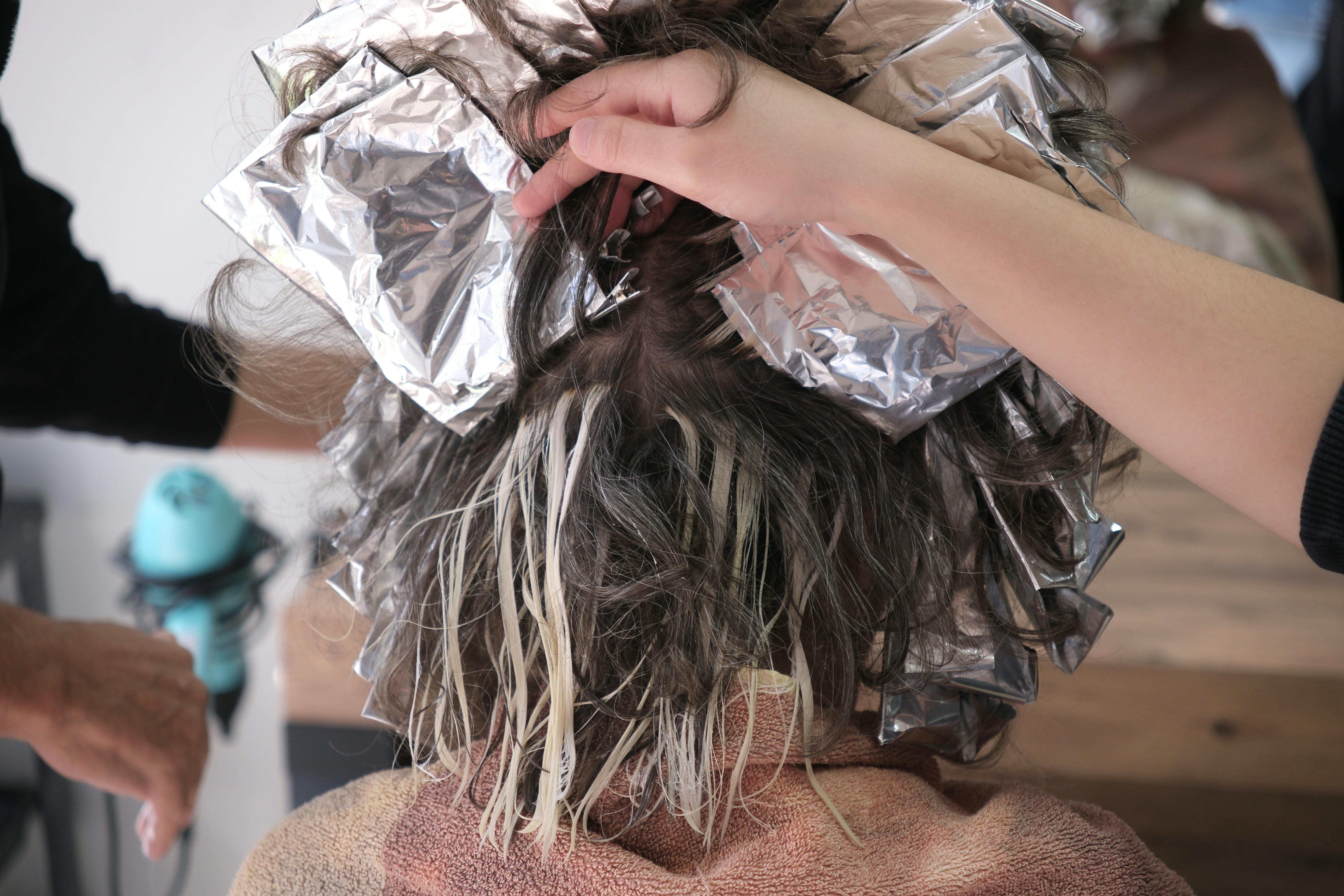
The scalp is one of the most absorbent and sensitive areas of the body, with a rich blood supply and delicate skin. Conventional permanent hair dyes are designed to open the hair shaft and deposit colour deep inside it. To do this, they often rely on strong chemical agents, which can explain why some people experience discomfort during use.
Not everyone reacts the same way. Some people colour their hair for years with no obvious issues, while others develop increasing sensitivity over time. This unpredictability is one reason why interest in gentler, more natural hair colouring options has grown so quickly.
A Shift Toward Ingredient Awareness

In recent years, consumers have become far more curious about what goes into their personal care products — not just food and supplements, but cosmetics too. Searches for phrases like “natural hair dye,” “chemical-free hair colour,” and “hair dye for sensitive scalp” reflect a wider movement toward transparency and informed choice.
Choosing a more natural approach to hair colouring isn’t necessarily about fear or extremes. For many people, it’s about:
- Reducing unnecessary chemical exposure
- Supporting a sensitive or reactive scalp
- Aligning hair care choices with a more natural or low-tox lifestyle
- Feeling confident about long-term, repeated use products
What Does “Natural Hair Dye” Really Mean?
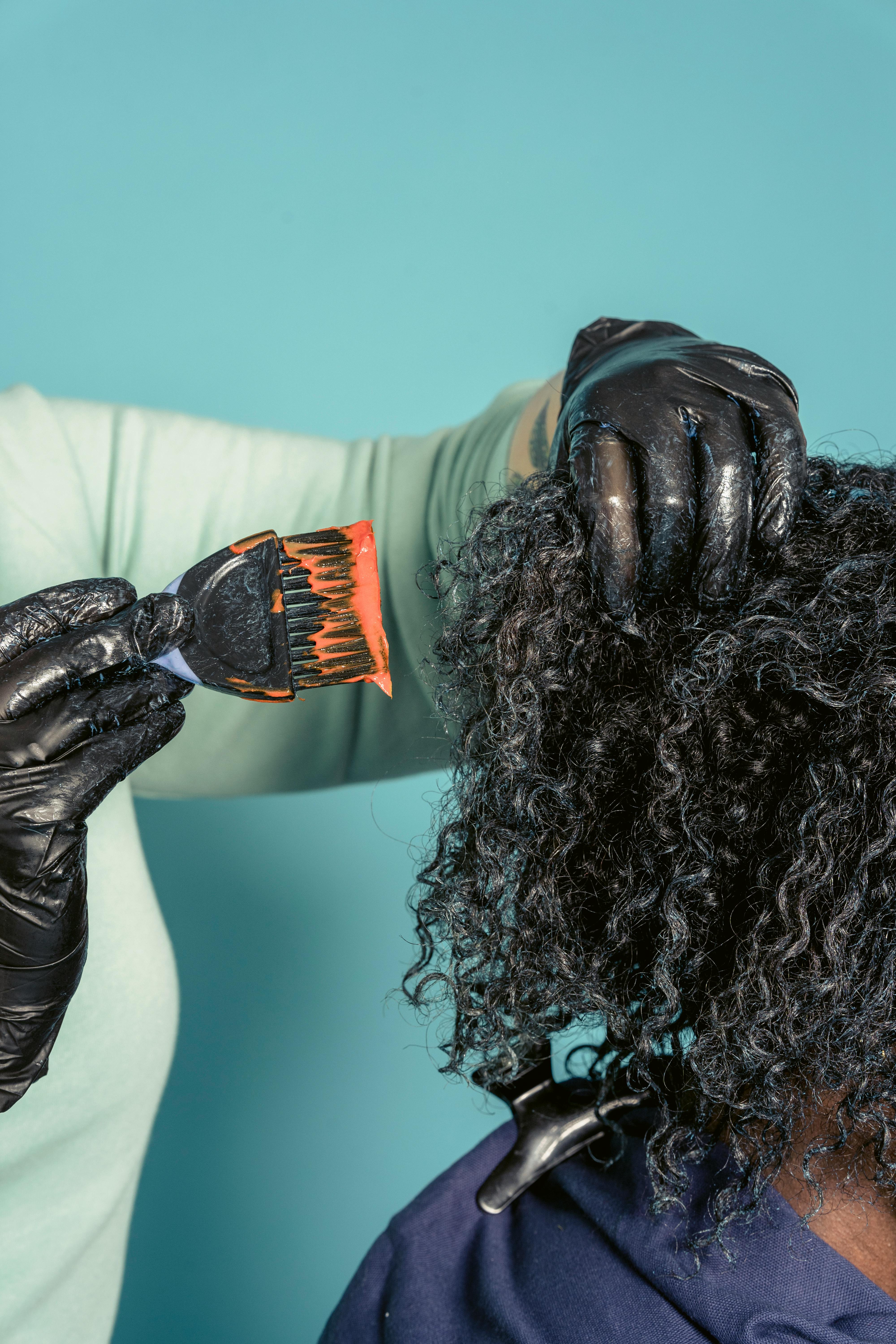
This is where things can get confusing. The term natural hair dye is not strictly regulated and can mean different things depending on the product.
Generally, natural or plant-based hair dyes may use ingredients such as:
- Henna or indigo
- Herbal extracts
- Mineral-based colourants
- Botanical powders or infusions
These options typically coat the hair rather than permanently altering its internal structure. As a result, they may behave differently from conventional dyes — offering subtler colour shifts, gradual coverage, or a more limited shade range.
It’s also important to note that “natural” does not automatically mean “allergy-free.” Patch testing is still essential, especially for anyone with known sensitivities.
Is Natural Hair Dye Safer?
Rather than framing the question as safe vs unsafe, a more helpful approach is informed choice.
Many people choose natural hair dye because:
- It tends to be gentler on the scalp
- It avoids certain commonly avoided synthetic ingredients
- It aligns with personal values around sustainability or wellness
However, results vary depending on hair type, expectations, and the specific product used. Natural dyes may require patience, repeat applications, or acceptance of less dramatic colour changes — particularly when covering grey hair.
Choosing What’s Right for You
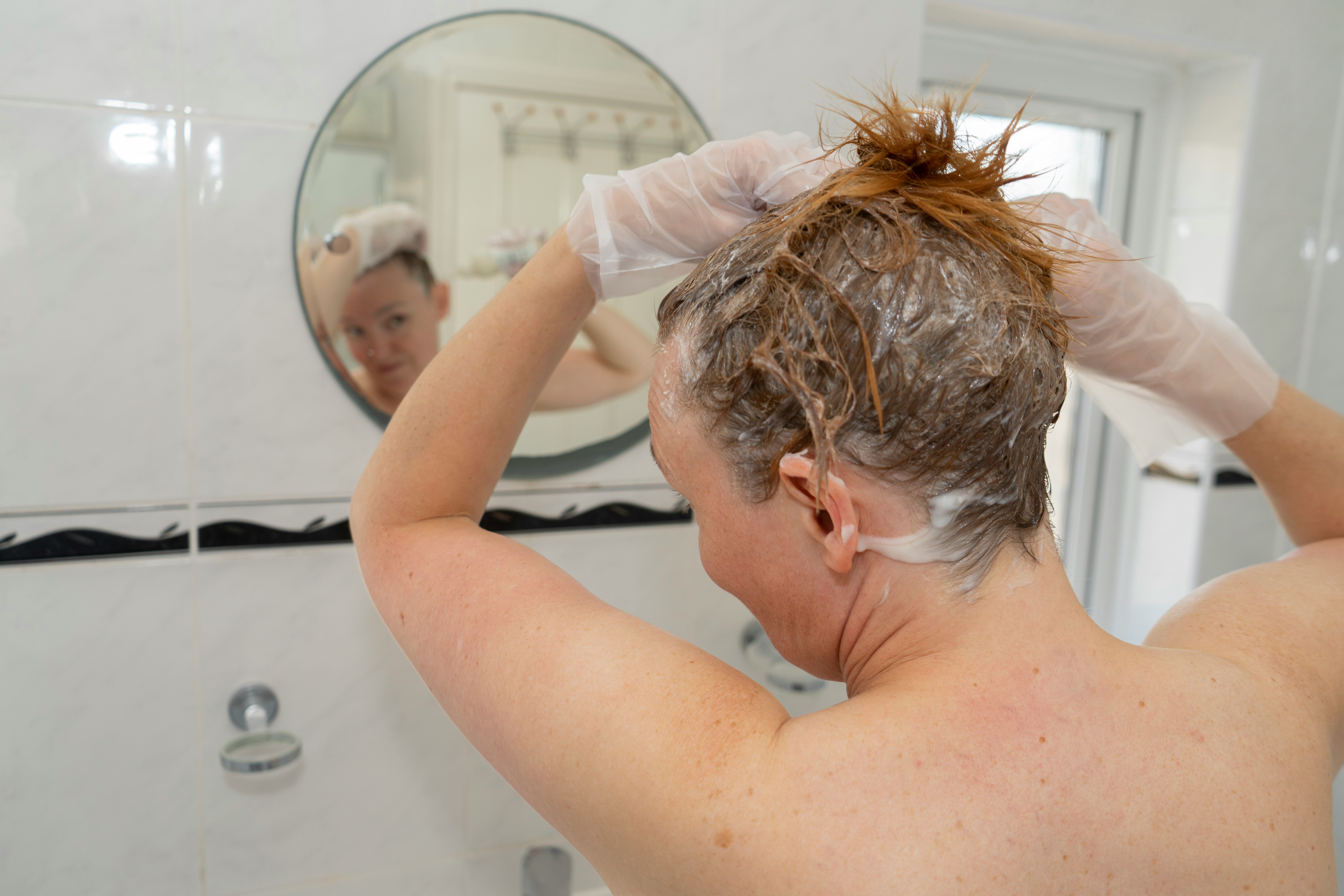
Hair colouring is personal. Whether you stick with conventional dyes, transition to plant-based alternatives, or take a break from colouring altogether, the most important thing is that your choice feels informed and supportive of your wellbeing.
If you’re exploring natural hair dye options, consider:
- Reading full ingredient lists
- Doing a patch test every time
- Managing expectations around colour depth and longevity
- Consulting a professional stylist experienced in natural colouring methods
A More Conscious Approach to Hair Care
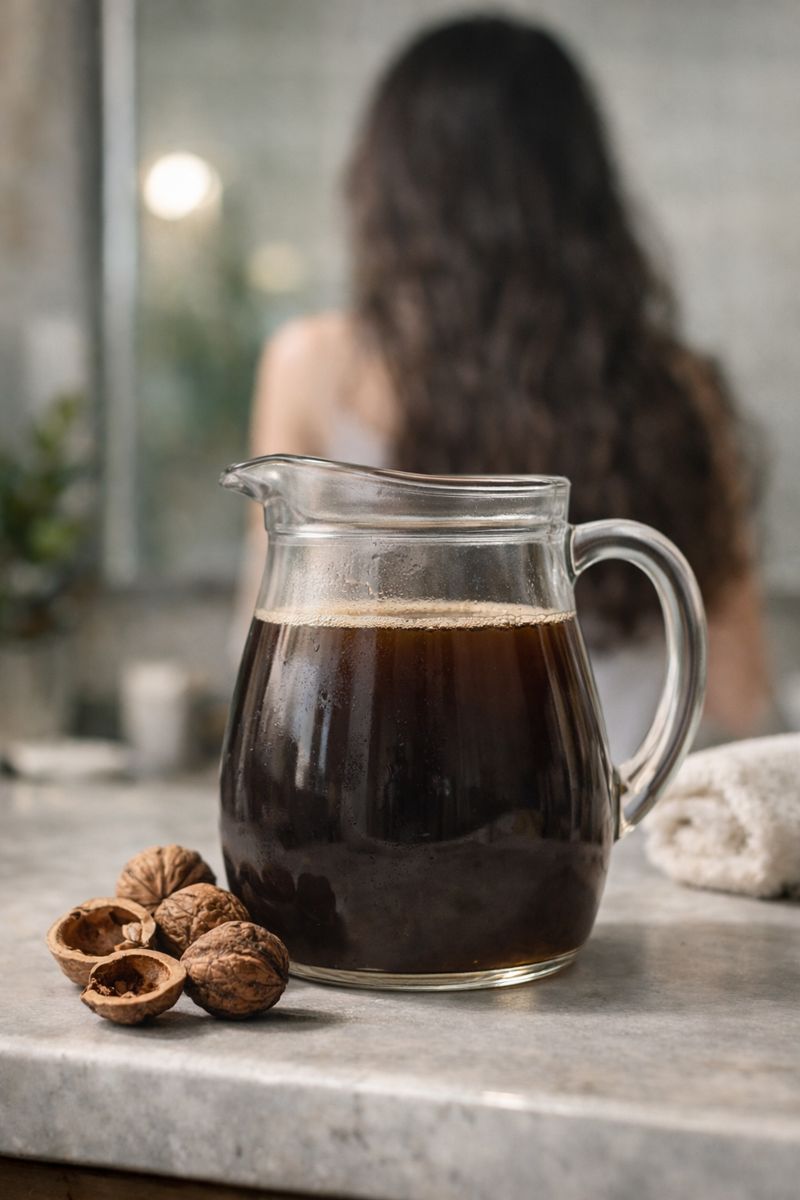
Looking after your hair doesn’t have to be about perfection or fear — it can simply be about awareness. As consumers, we have more access to information than ever before, and with that comes the opportunity to choose products that align with our values, comfort, and lifestyle.
Natural hair dye isn’t about rejecting beauty — it’s about redefining it on your own terms.
DIY Natural Hair Dye Recipes: Kitchen Magic for Subtle Shine & Color Boosts
Want to play mad scientist in your kitchen without the chemical drama? These simple rinses use everyday pantry staples and herbs to gently enhance your natural shade, add glow, or tone down brassiness. They're not miracle workers—no dramatic overnight transformation here—but with consistent use, many people notice richer tones, shinier strands, and a bit of that "just-left-the-salon" vibe.
Results vary wildly: Porous hair grabs color better, while others might just get a lovely gloss (think "expensive conditioner" level shine). Patch test first (dab on your inner arm), and always do a strand test—because nothing says "surprise" like ending up with unexpected auburn streaks right before date night.
Pro tips before you start:
- Brew strong infusions (more herb/tea = bolder effect).
- Apply to clean, damp hair; let sit 20–60 minutes (or longer for deeper results).
- Rinse with cool water—no shampoo right after to let the goodness linger.
- Repeat 2–3 times a week for gradual buildup.
- Protect your clothes/towels

Apple Cider Vinegar as a Natural Hair Colour Enhancer
Apple cider vinegar is often used in natural hair care not as a dye, but as a colour enhancer and finishing rinse. Its naturally acidic nature helps smooth the hair cuticle, which can make existing colour — whether natural, plant-based, or conventional — appear richer and shinier. Many people find that occasional apple cider vinegar rinses help reduce dullness and bring out warmer tones, particularly in darker hair shades.
When diluted properly and used sparingly, apple cider vinegar can be a simple way to refresh hair between colour applications without adding pigment. As with all natural rinses, results are subtle and vary depending on hair type and porosity.
Usage note: Dilute 1–2 tablespoons of apple cider vinegar in a cup of water and use as a final rinse after washing, then rinse lightly with water if desired.
You can explore other Apple Cider Vinegar uses here
For Brunette or Dark Hair: Deepen & Richen Tones

These add warmth, cover hints of gray subtly, and fight fade.
- Strong black coffee or black tea: Brew extra strong, cool it, and rinse repeatedly (some swear by 10–15 pours before the final rinse). Builds depth over days—perfect if you're chasing that rich espresso brunette without commitment.
- Sage + rosemary infusion: Simmer a handful of each in water for 30 minutes, steep a few hours, strain, and apply weekly. Great for toning grays and adding a natural dark sheen.
Why Black Walnut Hulls Are Often Used
Black walnut husks contain natural plant pigments, including juglone and tannins, which are traditionally used to add depth and richness to darker hair tones. For some people, repeated use may enhance brown or dark shades or help blend greys more subtly. As with all natural rinses, results vary and tend to be gradual rather than dramatic.
- Walnut husks or shells: Boil crushed husks 15–20 minutes, cool, strain. Legendary for darkening browns (bonus: conditions too).
- Rosemary, sage, or raspberry leaf tea: Simple steep and rinse—subtle enhancement with a fresh herbal scent.
Humor note: Coffee rinses can leave your bathroom smelling like a café... until someone asks why you're "brewing" in the shower.

For Blonde or Light Hair: Brighten & Add Golden Highlights
Gentle lightening and glow without bleach damage.
- Chamomile tea: Brew strong (2–3 bags per cup), cool, and rinse. Classic for sunny highlights—repeat often for that beachy blonde boost.
- Lemon juice + chamomile: Mix 1 cup fresh lemon juice with 3 cups strong chamomile tea. Apply, sit in the sun 30–60 minutes (natural activator!), rinse. Builds gradually—ideal for natural blondes wanting more sparkle.
- Rhubarb water: Chop and boil stalks, cool, strain the pinkish liquid. Subtly brightens and tones.
- Calendula (marigold), saffron, or turmeric infusion: Steep for golden warmth—great add-ons to chamomile.
Sun + lemon = free highlights, but skip if your hair's very dry (it can be drying over time).

For Red or Auburn Shades: Warm Up & Amp the Fire
Add reddish tones or enhance existing ginger vibes.
- Beet + carrot juice mix: Equal parts (½ cup each), apply, sit in sun an hour, rinse. Builds strawberry or copper tones—messy but fun (wear gloves unless red hands are your new look).
- Strong hibiscus, rosehip, or calendula tea: Brew potent, rerinse multiple times. Gives a rosy auburn glow.
- Cloves or saffron infusion: Subtle spice for warmer reds.
These fade faster in rain (hello, surprise pink shoulders on a cloudy day), so they're low-stakes experiments.
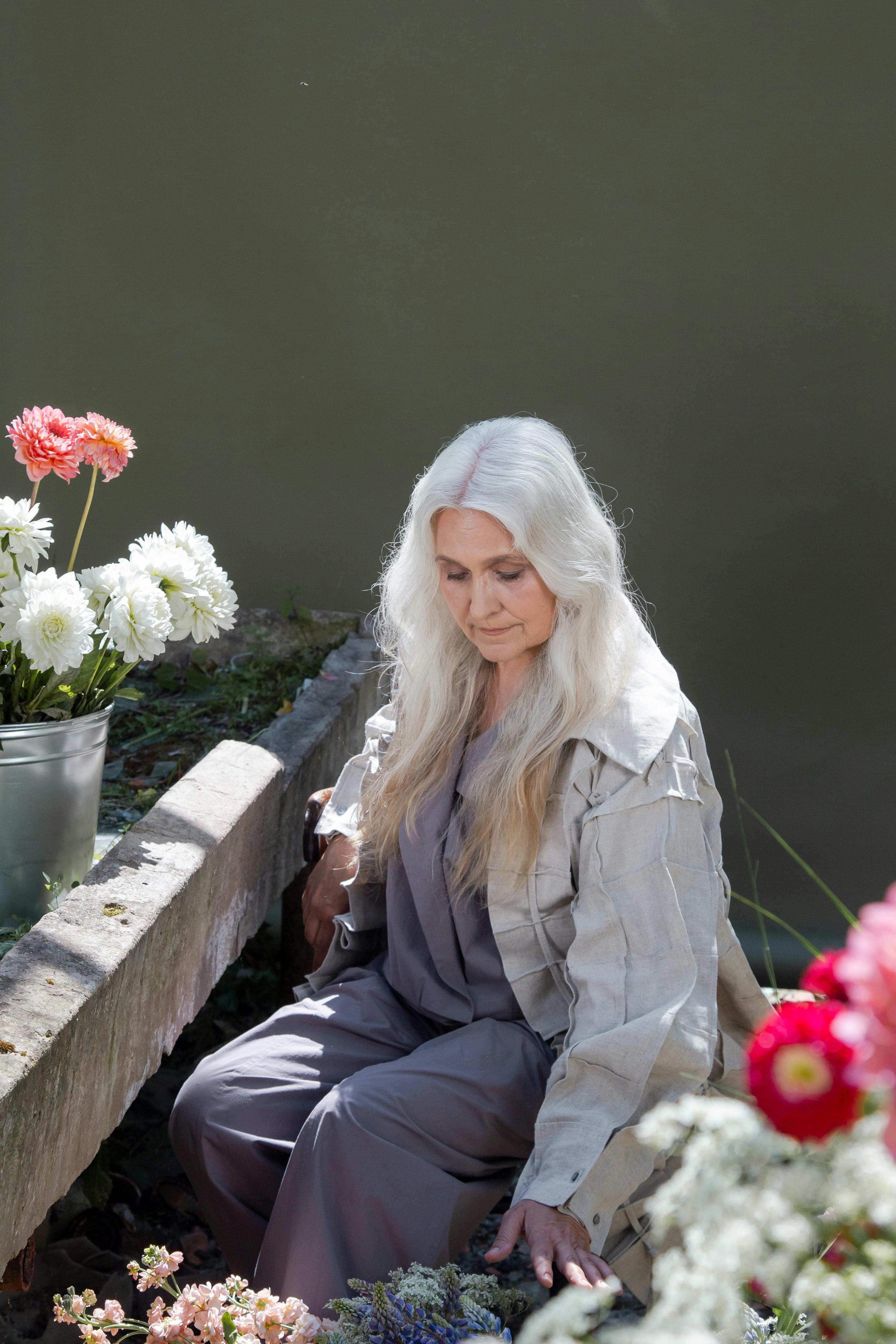
For Gray or Silver Hair: Tone & Soften Yellowing
Neutralize brass and add soft depth.
- Sage + rosemary simmer: As above—weekly applications help shift yellow tones toward cooler silver or light brown.
- Hollyhock or betony infusion: Traditional for removing unwanted yellow (less common, but worth a garden hunt if you're into it).
- Strong coffee/tea rinses: From the brunette section—many use these to softly blend grays into a salt-and-pepper elegance.
Consistency is key here—think weekly ritual rather than one-and-done.
These rinses are all about low-risk fun: cheap, non-toxic, and zero regret if the color washes out (or if it doesn't quite match Pinterest perfection). They're a gentle bridge for anyone easing away from conventional dyes or just wanting to pamper their hair naturally.
Many of us love looking our best—great hair color can seriously lift the mood and confidence. The beauty of these DIYs? You're in control, informed, and kind to your body and the planet. Experiment, laugh at the inevitable "oops" moments, and enjoy the process—one shiny rinse at a time.
Additional Reading
Great colour is lovely, but happy hair starts at the roots. For oils that pamper your scalp and cheer on hair growth, visit our Essential Oils for Hair page.
Enter your email below and I’ll share new articles, reflections, and practical insights as they’re published.
Side Thoughts
Thanks for visiting here. If you'd like to stay in touch with our regular updates, then we'd love you to subscribe to our Detox-For-Life Newsletter.
We are a participant in the Amazon Services LLC Associates Program, an affiliate advertising program designed to provide a means for us to earn fees by linking to Amazon.com and affiliated sites.
NEWSLETTER
New pages, fresh perspectives, and practical detox-for-life insights are shared first with newsletter readers.


New! Comments
Have your say about what you just read! Leave a comment in the box below.