
Health Benefits of Celery
A Hydrating, Mineral-Rich Everyday Superfood
Looking at the health benefits of celery, you can see why it has been valued as both a food and a traditional medicinal plant. In the early middle ages celery juice was used for a medicinal herb rather than a food. Today, it remains one of the simplest — and most underrated — vegetables you can add to your daily routine.
Crisp, refreshing, and naturally salty, celery is far more than a garnish. Whether eaten whole, blended into smoothies, or juiced on its own, it delivers hydration, fiber, antioxidants, and plant compounds that support overall wellness.
Let’s explore what makes celery so special — and how to use it well.
Nutritional Health Benefits of Celery

Celery is low in calories but rich in important nutrients:
- Vitamin K (important for normal blood clotting and bone health)
- Vitamin C (antioxidant support)
- Vitamin A (from the leaves)
- Folate
- Potassium
- Magnesium
- Small amounts of calcium and iron
- Natural plant compounds including flavonoids and polyphenols
Celery also contains natural sodium. Unlike processed table salt, the sodium in celery occurs naturally within the plant alongside other minerals and water, making it a hydrating food.
Because celery is made up of about 95% water, it supports hydration while delivering trace nutrients — making it especially refreshing in warm climates or after exercise.
This super food also contains important concentrations of plant hormones and healing essential oils that give celery its characteristic smell. These oils help to regulate the nervous system, and are very calming.
Sodium that is available in celery is soluble and organic (living), and is essential for the body. Organic salt allows the body to use the other nutrients that are taken into the body. Every cell in our body is constantly bathed in a salt solution, and if the salt level is not in balance, dehydration occurs. This is why celery juice is a perfect re-hydration drink for athletes.
Health Benefits of Celery Juice
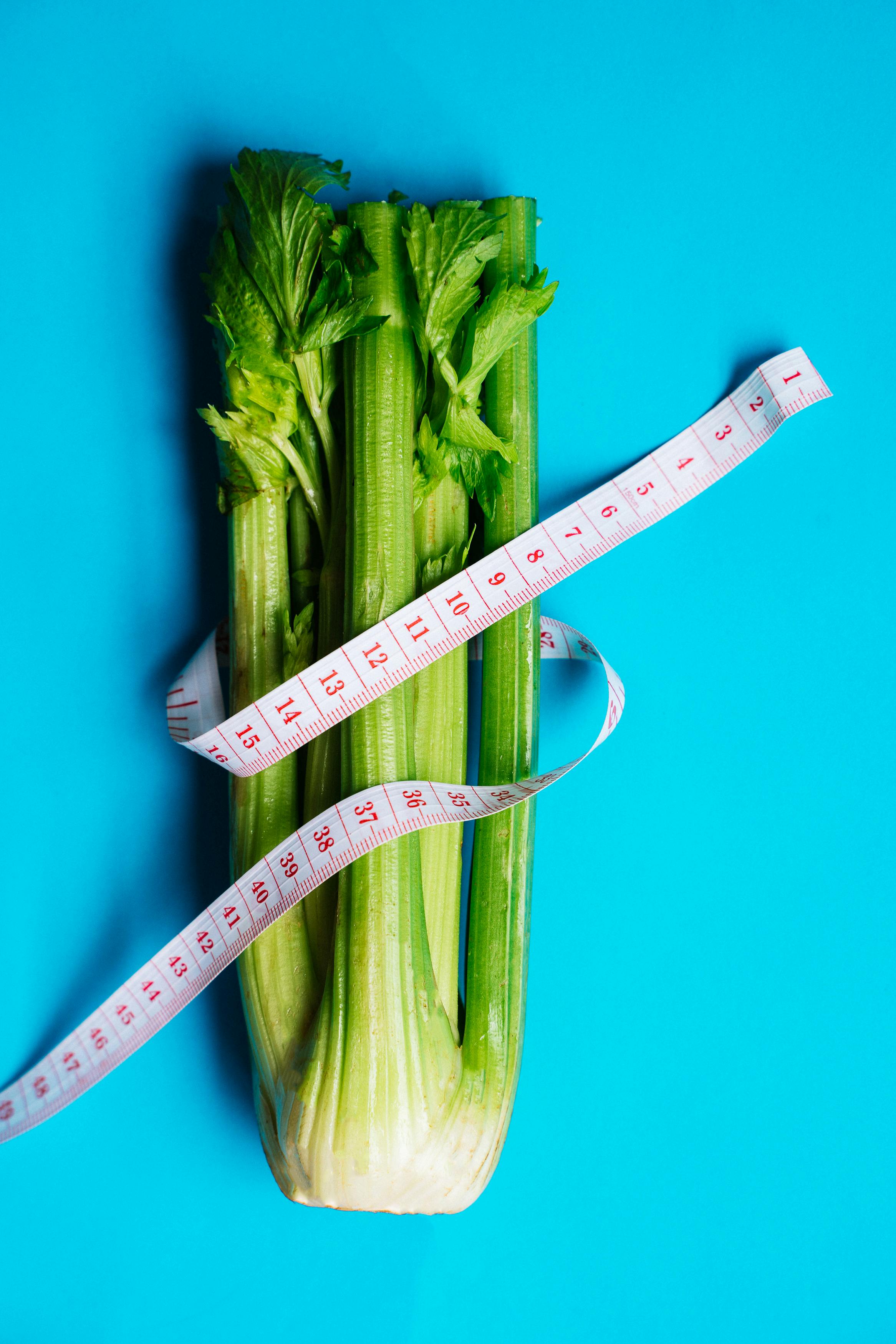
Celery juice has become increasingly popular in recent years — and while some claims online can be exaggerated, there are real benefits to drinking freshly juiced celery.
When you juice celery:
- You concentrate hydration and minerals.
- You remove most of the insoluble fiber (which makes it easier to consume larger amounts).
- You absorb antioxidants and phytonutrients quickly.
Many people enjoy celery juice first thing in the morning as a simple, hydrating start to the day.
Potential benefits of celery juice include:
Hydration Support
Because of its high water and electrolyte content, celery juice can be refreshing and supportive for fluid balance.
Digestive Support
Celery contains natural plant compounds that may support digestion. While whole celery provides fiber for bowel health and regularity, juicing allows the phytonutrients to be absorbed quickly.
Anti-Inflammatory Compounds
Celery contains flavonoids such as apigenin and luteolin, which are being studied for their antioxidant and anti-inflammatory properties.
Blood Pressure Support
Some studies suggest compounds in celery called phthalides may help support normal blood pressure levels when consumed as part of a balanced diet.
Gentle Diuretic Effect
Another well known health benefit of celery, is its gentle natural diuretic effect, thanks to its high water and potassium content along with plant compounds such as 3-n-butylphthalide. These elements work together to encourage the kidneys to produce more urine, helping the body release excess fluid without significantly depleting potassium levels. As a result, celery can be useful for reducing bloating and water retention while supporting normal kidney function and overall fluid balance. This natural flushing action also makes it a popular addition to wellness routines aimed at easing mild edema, supporting healthy blood pressure, and promoting urinary tract health.
Traditional Aphrodisiac
In traditional wellness circles, celery has been used as a natural aphrodisiac, although modern scientific evidence for this is limited. It contains a compound called androsterone, sometimes described as having pheromone-like properties, which has contributed to its reputation for supporting libido. Celery may also play an indirect role in sexual health by contributing to circulation and providing nutrients that are important for overall reproductive wellness, but eating celery itself is not proven to directly enhance sexual function.
Cholesterol Management
Celery may support healthy cholesterol levels thanks to its fiber content and natural plant compounds, especially 3-n-butylphthalide (BuPh). Research suggests these components can help reduce LDL (“bad”) cholesterol as well as total cholesterol when celery is included regularly as part of a balanced diet. Consuming around four stalks a day has been associated with these benefits in some studies, along with gentle support for maintaining normal blood pressure.
Weight Management
Celery is often recommended for weight management because it is very low in calories — about 10 calories per stalk — while being more than 95% water, which means you can eat a satisfying portion without significantly increasing your daily energy intake. Its natural fiber helps promote a feeling of fullness and supports healthy digestion, and the vitamins and minerals it provides contribute to overall metabolic wellness.
(As always, celery juice supports wellness — it does not replace seeking medical advice if you are concerned about your health.)
What Celery Blends Well With
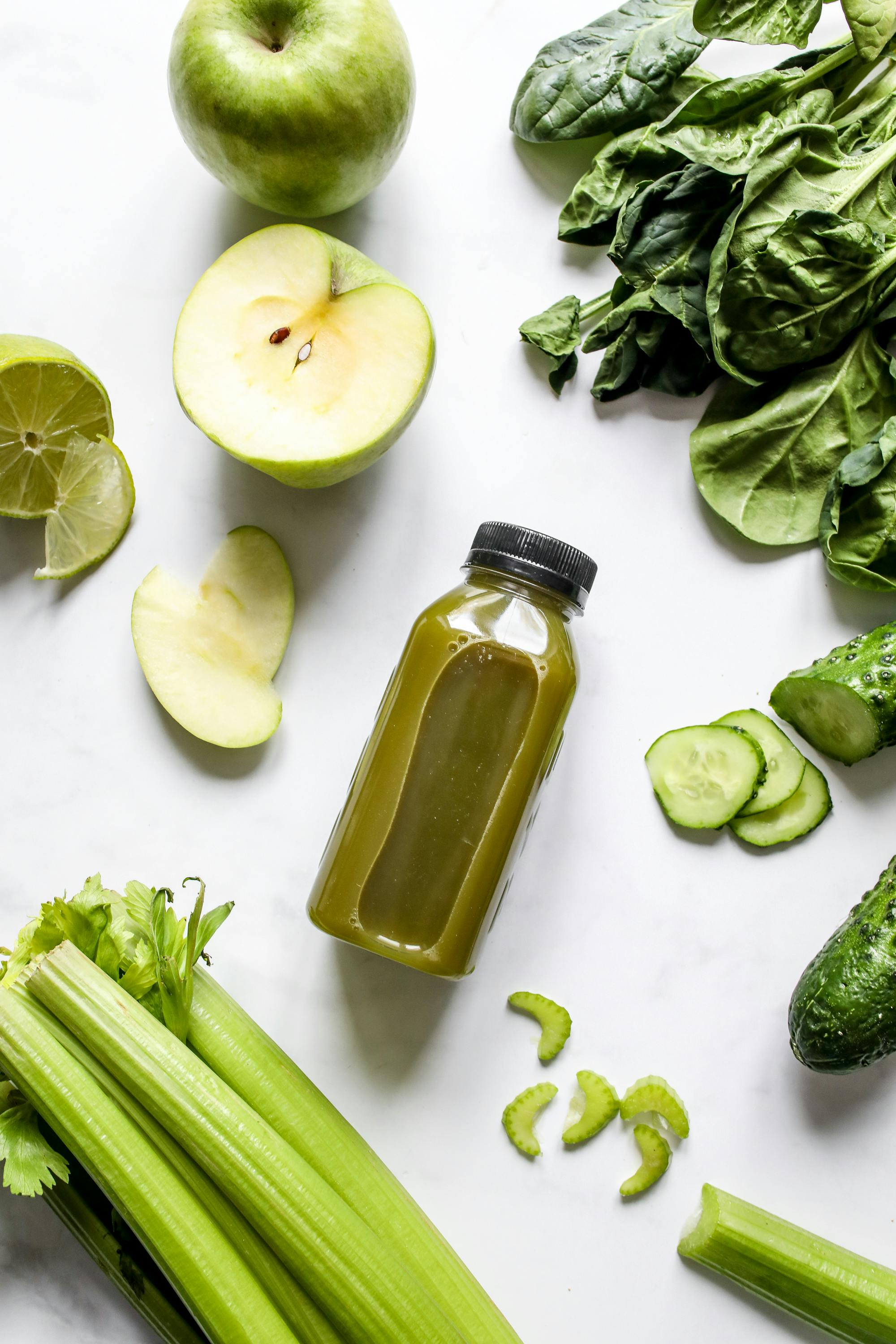
Celery has a clean, slightly peppery, mildly salty taste that blends beautifully with both fruits and vegetables.
Excellent Juicing Combinations:
- Celery + cucumber (deep hydration)
- Celery + apple (natural sweetness)
- Celery + carrot (balanced and earthy)
- Celery + lemon (bright and refreshing)
- Celery + ginger (warming and digestive support)
- Celery + spinach (green mineral boost)
A classic balanced green juice includes:
Celery, cucumber, green apple, lemon, and a small piece of ginger.
In smoothies, celery pairs well with:
- Pineapple
- Pear
- Mint
- Parsley
- Spinach
- Aloe vera (if you use it)
A Brief Word on Celery Seed
Celery seeds come from the same plant but are much more concentrated in flavor and plant compounds.
They are commonly used:
- As a spice
- In pickling blends
- In herbal preparations
Celery seed has its own unique set of health benefits, which deserve a full article on their own (coming soon!).
Celery vs Celeriac vs Cilantro
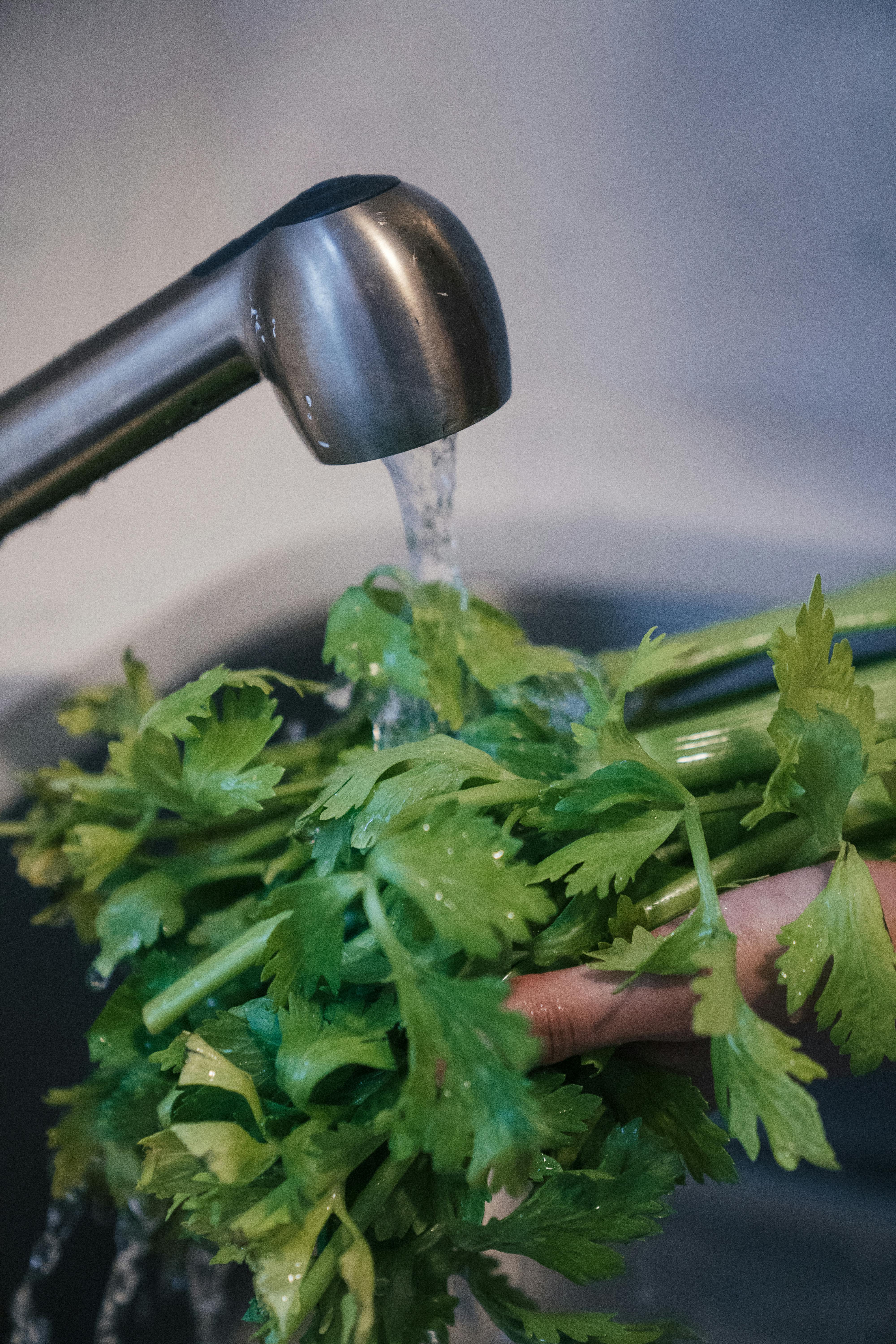
These are sometimes confused, but they are very different plants.
Celery (Apium graveolens)
This is the familiar crunchy stalk vegetable most people know. We eat the stalks and leaves.
Celeriac (Celery Root)
Celeriac is a variety of celery grown for its root rather than its stalks. It has a rough, knobby exterior and a mild celery flavor. It’s often roasted, mashed, or added to soups.
Cilantro (Coriander Leaves)
Cilantro is an entirely different plant. It has a bright, citrus-like flavor and is commonly used in Mexican, Asian, and Indian dishes. It is not related to celery in taste or texture.
Growing Your Own Celery

Celery can be grown at home, although it prefers consistent moisture and cooler temperatures.
Tips for growing celery:
- Plant in rich, composted soil.
- Keep soil consistently moist (celery does not tolerate drying out).
- Provide partial sun in hot climates.
- Harvest outer stalks first so the plant continues producing.
You can even regrow celery from the base of a store-bought bunch:
- Cut off the stalks.
- Place the base in shallow water.
- Allow new growth to emerge.
- Transfer to soil once roots develop.
Home-grown celery often has a stronger flavor and vibrant leaves.
How to Store Celery (The Tinfoil Trick)
Celery lasts much longer when stored properly.
One of the best storage methods:
- Remove celery from plastic packaging.
- Wrap it tightly in aluminum foil.
- Store in the vegetable drawer of your fridge.
The foil allows ethylene gas to escape while preserving moisture, helping celery stay crisp for several weeks.
You can also:
- Store chopped celery in an airtight container.
- Keep cut sticks in water (change daily).
- Freeze chopped celery for soups and stews.
Add The Health Benefits of Celery To Your Diet
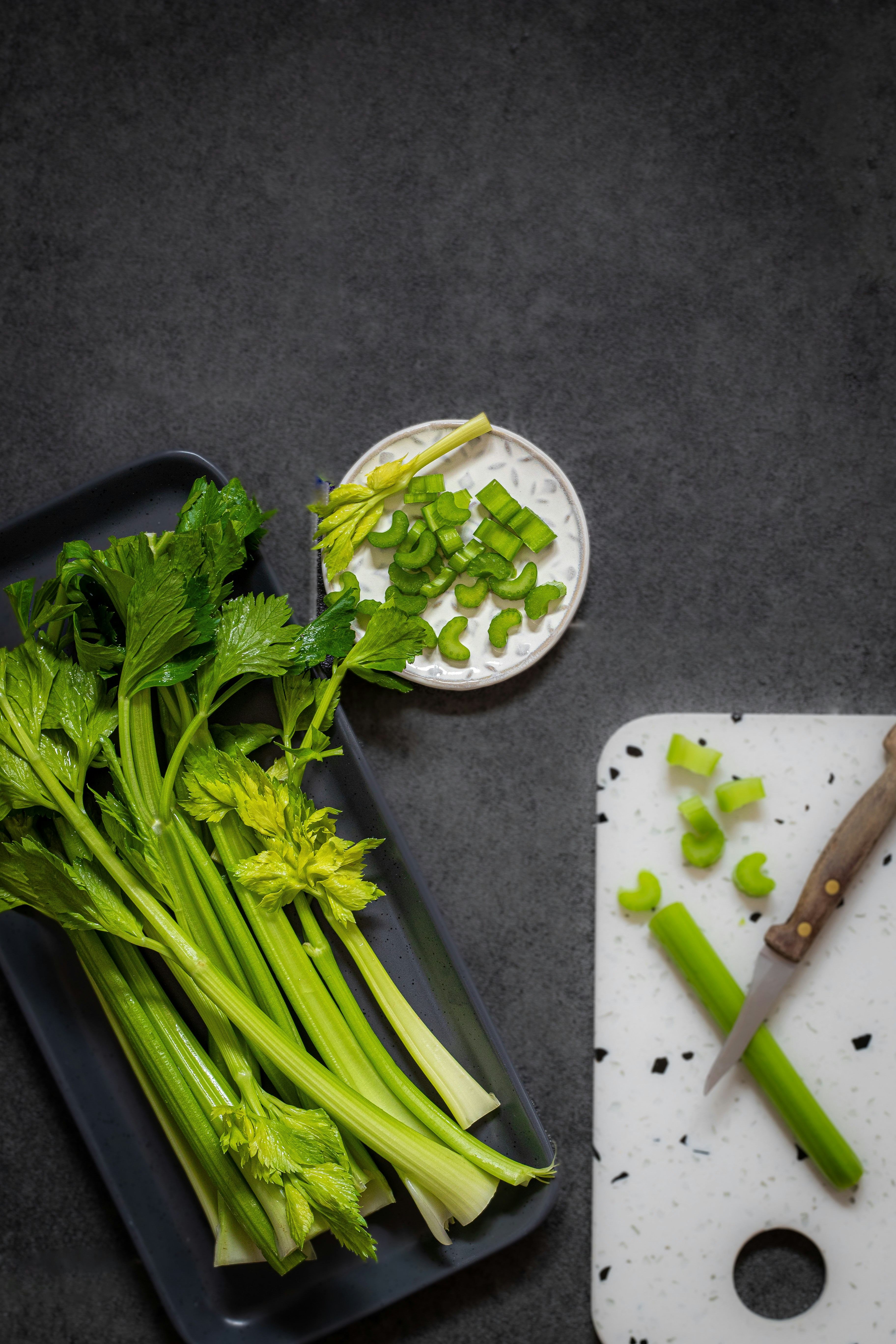
- Juice it on its own or in green blends.
- Add chopped celery to salads.
- Use celery sticks as a crunchy snack.
- Add leaves and stalks to soups and stews.
- Blend into green smoothies.
- Make homemade vegetable stock.
- Braise with onions and herbs.
- Use finely chopped celery in tuna or egg salads.
Celery is inexpensive, widely available, and incredibly versatile.
Closing Thoughts on The Health Benefits Of Celery
Celery may look simple, but it is one of the most practical, everyday wellness foods available. With all the health benefits of celery mentioned above, it is well worth including it in your diet.
It hydrates.
It nourishes.
It supports digestion.
It blends beautifully.
And best of all — it’s easy to use daily.
If you’re building a natural lifestyle, celery deserves a regular place in your kitchen.
You Might Enjoy These Articles on Natural Living
Natural Hair Dye and Hair Dye Safety
Curious about natural hair dye? Learn how plant-based dyes and herbal rinses can gently enhance colour and support a sensitive scalp.
Aloe Vera Juice Benefits
Discover Aloe Vera Juice Benefits that you need to know. Improve your health inside and out with Aloe Vera Juice..
Apple Cider Vinegar - What you Ought To Know
The health benefits of Apple Cider Vinegar as a remedy for many ailments. See how drinking Apple Cider Vinegar can cure you.



If you want tips on natural wellness, you can get them straight to your inbox.

Enter your email below and I’ll share new articles, reflections, and practical insights as they’re published.
Side Thoughts
Thanks for visiting here. If you'd like to stay in touch with our regular updates, then we'd love you to subscribe to our Detox-For-Life Newsletter.
We are a participant in the Amazon Services LLC Associates Program, an affiliate advertising program designed to provide a means for us to earn fees by linking to Amazon.com and affiliated sites.
NEWSLETTER
New pages, fresh perspectives, and practical detox-for-life insights are shared first with newsletter readers.
Recent Articles


-
Evening Primrose Oil For Acne
Feb 19, 26 01:51 PM
 Discover how Evening Primrose Oil for acne supports clearer, calmer skin. Learn top types, dosages, side effects, and how to include it in your routine.
 -
Evening Primrose Oil for Hair Loss
Feb 19, 26 12:51 PM
 Discover how evening primrose oil for hair loss supports scalp health, reduces shedding and promotes stronger, shinier hair naturally.
 -
Evening Primrose Oil for Menopause
Feb 19, 26 03:55 AM
 Evening primrose oil for menopause may support hormone balance, breast tenderness, mood, and hot flushes. Learn benefits, dosage, and how long it takes to work.