- Home
- Essential Oils For Hair Growth
- Evening Primrose Oil for Hair Loss
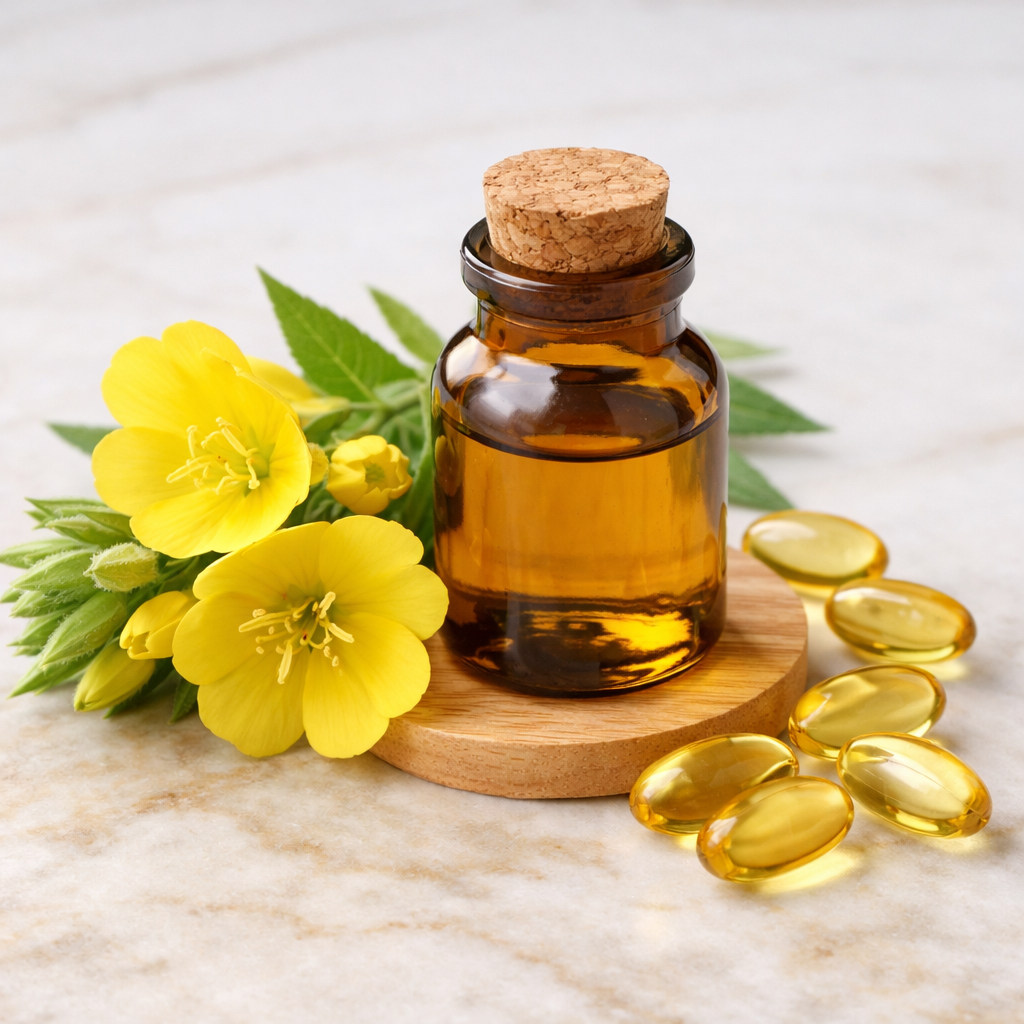
Evening Primrose Oil for Hair Loss:
Benefits, How It Works & How to Use It for Healthier Hair
Hair thinning and excessive shedding are no longer issues that affect men alone, which is why evening primrose oil for hair loss is gaining attention as a natural way to support scalp health and stronger growth. Many women experience hair loss at different stages of life due to hormonal shifts, stress, nutritional gaps, scalp conditions, or heat and chemical damage.
Rich in essential fatty acids, particularly gamma-linolenic acid (GLA), evening primrose oil is often used to support scalp health, reduce dryness, and create an environment that encourages stronger, healthier hair growth.
In this guide, we’ll explore the real benefits of evening primrose oil for hair , how it may help with hair loss, and the best ways to use it.
What Is Evening Primrose Oil?
Evening primrose oil is extracted from the seeds of Oenothera biennis, a flowering plant native to North America. It is valued for its high content of omega-6 fatty acids, especially GLA — a compound involved in:
- Skin barrier function
- Hormonal balance
- Inflammatory response
- Cellular health
Because the scalp is simply an extension of the skin, these functions are directly relevant to hair growth and hair retention.
Evening Primrose Oil Hair Benefits

Let's look at how Evening primrose oil for hair loss actually works.
1. Helps Create a Healthy Scalp Environment
Healthy hair starts with a healthy scalp. GLA supports the skin’s natural moisture barrier, which may help:
- Reduce dryness and flaking
- Soothe irritation
- Improve overall scalp condition
A nourished scalp allows hair follicles to function more efficiently.
2. Supports Hair Strength and Elasticity
Hair strands rely on a steady supply of nutrients from the bloodstream. Essential fatty acids help maintain:
- Flexibility
- Shine
- Resistance to breakage
Dry, brittle hair is more likely to snap — which can look like hair loss even when it’s actually breakage.
3. May Help Reduce Excessive Shedding Linked to Hormonal Changes
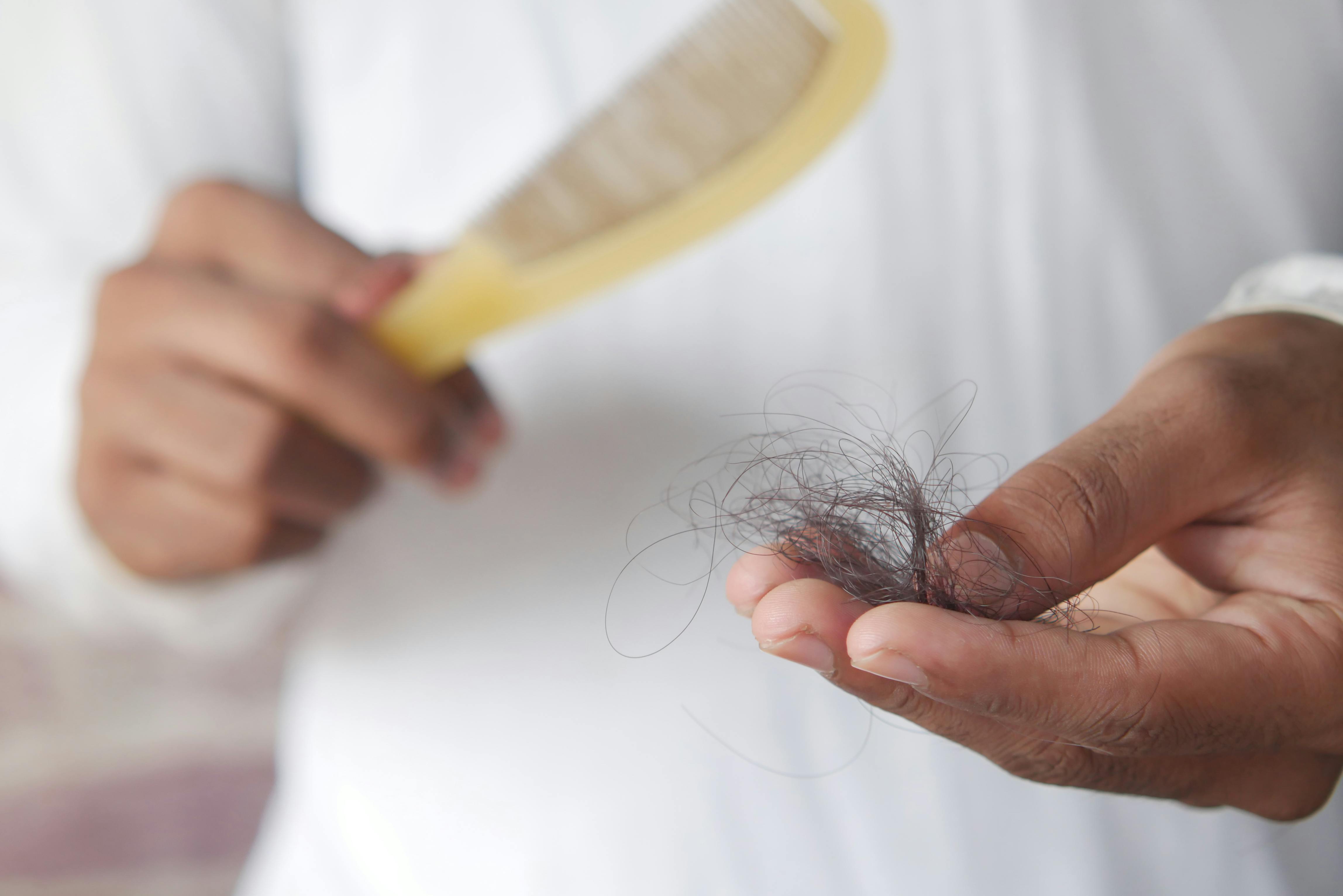
Hormonal fluctuations are a common trigger for hair thinning, especially:
- Post-pregnancy
- Perimenopause and menopause
- Thyroid imbalance
- High stress periods
GLA is converted in the body into prostaglandin-like compounds, which are involved in hormonal signalling. This is why evening primrose oil is often used in women’s wellness especially peri/menopause — and why it’s frequently recommended for hormonally related hair concerns.
4. Improves Nutrient Delivery to Hair Follicles
Good circulation is essential for delivering oxygen and nutrients to the follicle. By supporting skin health and micro-circulation, evening primrose oil may help:
- Keep follicles active for longer
- Support the natural growth phase of hair
5. Helps With Dry, Inflamed or Sensitive Scalps

Evening primrose oil is widely used for skin conditions such as:
- Eczema
- Dermatitis
- General inflammation
The same soothing properties can benefit a scalp that is:
- Itchy
- Tight
- Flaky
- Reactive to products
Evening Primrose Oil for Hair Loss: Can It Help?
Hair loss is complex and usually has more than one cause. Common contributors include:
- Nutritional deficiencies
- Chronic stress
- Hormonal imbalance
- Thyroid dysfunction
- Medication
- Heat and chemical damage
Research into GLA suggests it may help support hair health in two key ways:
1. Potential Influence on DHT Activity
Dihydrotestosterone (DHT) is a hormone linked to pattern hair thinning because it can shrink hair follicles over time.
Some studies suggest GLA may help reduce the activity of the enzyme (5-alpha reductase) involved in this conversion. This is one reason evening primrose oil shows promise in the context of hair loss — although more research is still needed.
2. Correction of Essential Fatty Acid Deficiency
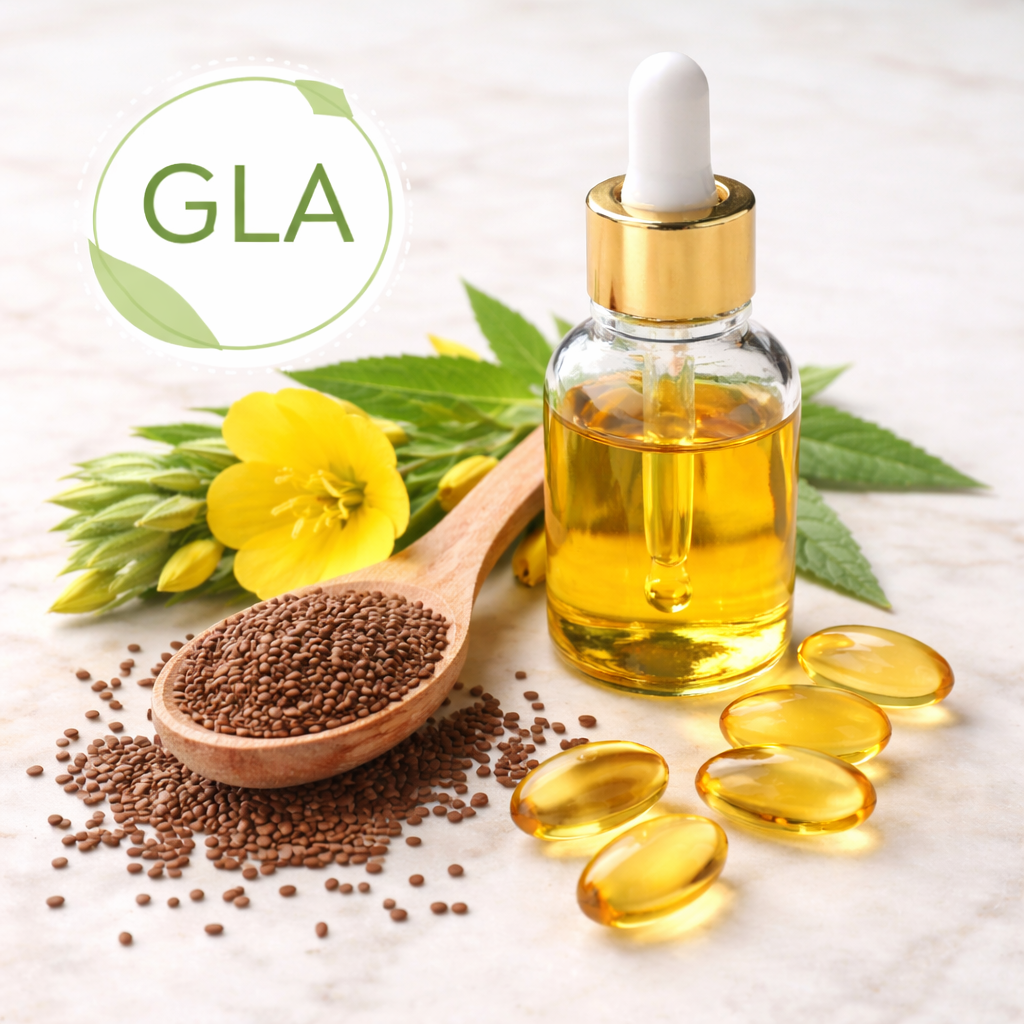
Low intake of essential fatty acids has been associated with:
- Hair thinning
- Dry scalp
- Dull, lifeless hair
Replenishing these fats through diet or supplementation helps restore the foundation for healthy growth.
How to Use Evening Primrose Oil for Hair Loss
1. Internal Use (Most Common for Hair Support)
Evening primrose oil is widely taken in capsule or soft-gel form. Typical supplemental ranges often used for general wellness are:
1000 mg, two to three times daily
Consistency matters — most people only notice changes after:
⏳ 6–8 weeks or longer
(Always follow product guidelines and consult a healthcare professional if needed.)
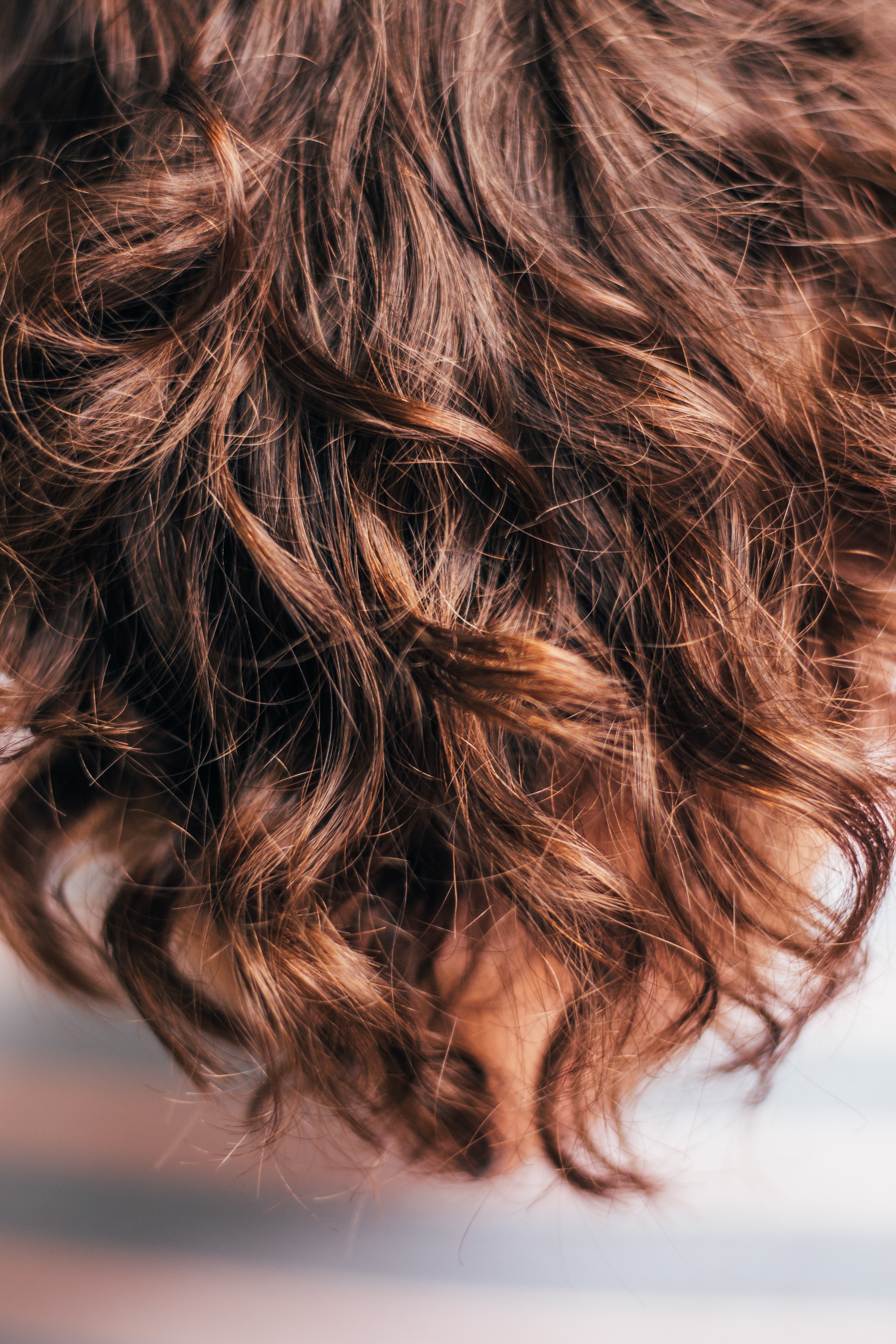
2. Topical Scalp Oil
You can apply evening primrose oil directly to the scalp:
How to use:
- Warm a small amount between your fingers
- Massage gently into the scalp
- Leave for 30–60 minutes (or overnight)
- Wash out with a gentle shampoo
This helps:
- Reduce dryness
- Improve scalp comfort
- Add shine to the hair
3. Add to a Hair Oil Blend
It works beautifully with:
- Jojoba oil
- Coconut oil
- Castor oil
Plus essential oils such as:
- Rosemary
- Lavender
- Cedarwood
How Long Does It Take to See Results?
Hair growth is slow and cyclical. Most people need:
- 6–8 weeks to notice reduced shedding
- 3–4 months for visible improvement in thickness or regrowth support
Natural approaches require patience and consistency.
Who May Benefit Most?
Evening primrose oil is particularly popular for people experiencing:
- Hormonal hair thinning
- Dry, brittle hair
- Post-pregnancy shedding
- Perimenopause or menopause hair changes
- Scalp inflammation or flaking
Important: Address the Root Cause
While evening primrose oil can be a valuable support tool, it works best as part of a bigger picture that includes:
- Adequate protein intake
- Iron, zinc and B-vitamins
- Stress management
- Gentle hair care
- Scalp health
If hair loss is sudden, severe, or ongoing, it’s important to investigate underlying causes.
In Closing:- Evening Primrose Oil for Hair
The real power of evening primrose oil lies in its ability to nourish the scalp, support hormonal balance, and provide essential fatty acids needed for strong, resilient hair.
It is not an overnight solution — but when used consistently, it can become a valuable part of a holistic hair-care routine.
Explore More Ways Evening Primrose Oil Supports Natural Health
1. If your skin is also a concern, you can read more about how this nutrient-rich oil supports hormonal balance and inflammation in our guide to using evening primrose oil for acne.
2. Because hormonal fluctuations play such a big role in hair thinning, it’s worth exploring how evening primrose oil can also ease common symptoms in our detailed article on evening primrose oil for menopause.
If you want tips on natural wellness, you can get them straight to your inbox.

Enter your email below and I’ll share new articles, reflections, and practical insights as they’re published.


