- Home
- Acne Treatments
- Evening Primrose Oil for Acne
Evening Primrose Oil for Acne:
The Natural Skincare Solution
Evening Primrose Oil for acne is a popular natural remedy for those seeking clearer, healthier skin. Acne can be frustrating, whether it’s occasional breakouts or persistent inflammatory acne, and many people want a gentle solution that works with their skin’s natural balance.
This guide explains how Evening Primrose Oil works for acne, the best types to use, potential side effects, and how to incorporate it into your daily skincare routine.
Understanding Acne: Why It Happens

Acne occurs when pores become clogged by excess sebum, dead skin cells, and bacteria. It generally falls into two main types:
- Non-inflammatory acne: Blackheads and whiteheads, caused by partially or fully blocked pores.
- Inflammatory acne: Red, swollen pustules and nodules, often painful and harder to treat.
Hormonal fluctuations, stress, diet, and genetics can all trigger acne, making it a complex skin concern. Supporting your skin from the inside and outside is often the most effective approach.
How Evening Primrose Oil Supports Skin Health

Evening Primrose Oil is extracted from the seeds of the Evening Primrose plant and contains Gamma-Linolenic Acid (GLA), an omega-6 fatty acid known for its anti-inflammatory and skin-balancing properties.
When it comes to Evening Primrose Oil for acne - Here’s how it helps:
1. Reduces Inflammation
GLA helps calm redness and swelling associated with inflammatory acne. Regular use can make red bumps appear less pronounced and soothe irritated skin.
2. Supports Sebum Balance
Essential fatty acids in EPO can help regulate oil production, reducing the likelihood of clogged pores that lead to blackheads and whiteheads.
3. Promotes Skin Repair
EPO aids in maintaining a healthy skin barrier, keeping skin hydrated and resilient. This barrier is critical for preventing flare-ups and promoting smooth, soft skin.
4. Hormonal Support
Evening Primrose Oil may help stabilize hormonal fluctuations that contribute to acne, particularly in women with hormonal or cyclical breakouts.
Best Types of Evening Primrose Oil for Skin
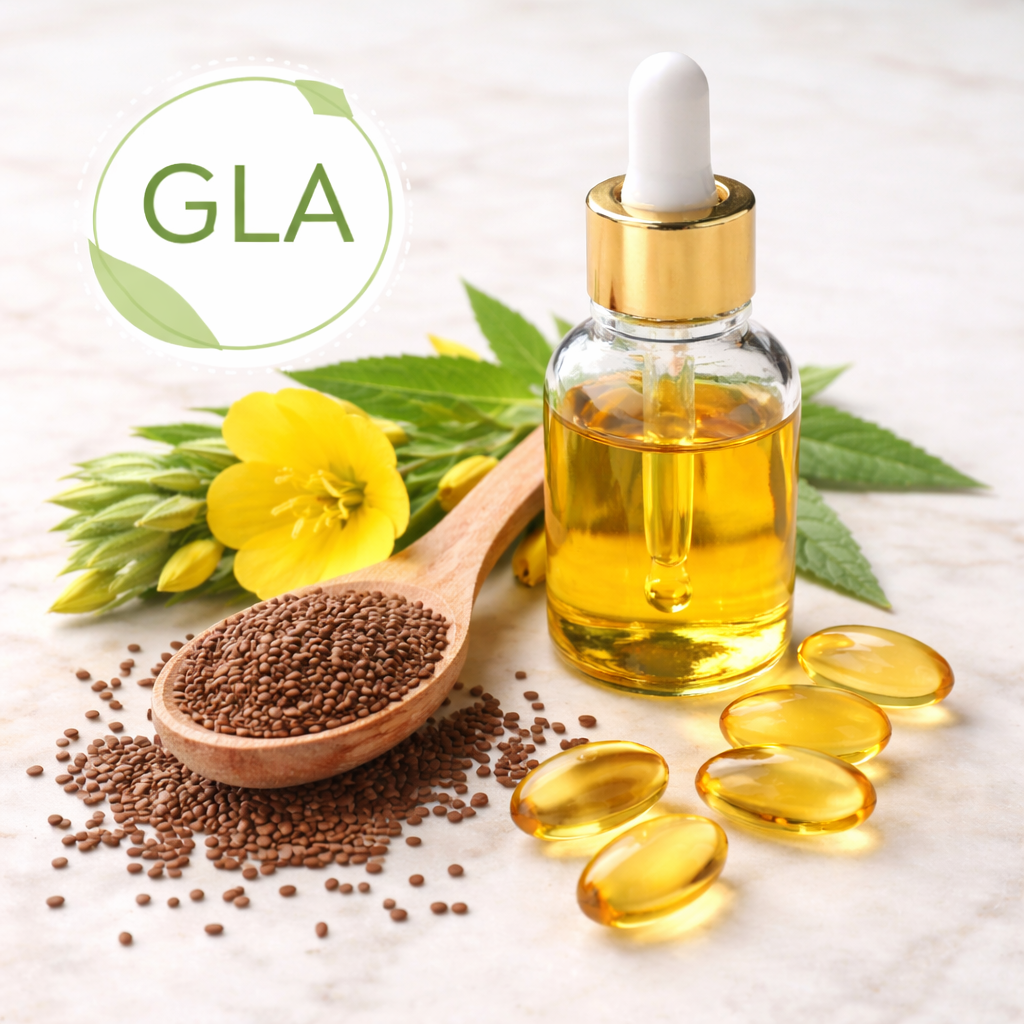
Choosing the right type of EPO can make a big difference in effectiveness and skin benefits.
1. Cold-Pressed, Organic EPO
- Extracted without heat to preserve nutrients.
- Best for skin because it maintains the potency of GLA and essential fatty acids.
2. Capsules
- Convenient for internal use.
- Ensure capsules are made from high-quality, organic oil.
- Can be opened and applied topically, but only use immediately to avoid rancidity.
3. Refined vs. Unrefined Oil
- Unrefined retains more nutrients but may have a stronger smell.
- Refined is milder and easier to use topically, though slightly lower in GLA.
4. Topical Formulations
- Some skincare brands include EPO in serums, creams, or facial oils.
- Look for formulations combined with other skin-supporting ingredients like vitamin E, jojoba oil, or aloe vera.
How to Use Evening Primrose Oil for Acne
Evening Primrose Oil can be applied topically, taken internally, or used in combination.
Topical Application
- Apply a few drops directly to acne-prone areas, preferably at night.
- Mix a few drops into your moisturizer or face wash for added skin benefits.
- Ensure you’re using fresh, high-quality oil to avoid irritation from rancid oil.
Internal Use
- Typical dosage: 3,000–6,000 mg per day, split into 2–3 doses.
- Capsules provide a reliable way to supplement your diet with GLA.
- Internal use may help with hormonal acne and support overall skin health.
Tip: Always consult your healthcare provider before starting any supplement, especially if you are pregnant, nursing, or taking medications.
Integration Into a Full Skincare Routine

To maximize benefits, Evening Primrose Oil should complement a consistent skincare routine. Here’s an example:
1. Cleansing
- Use a gentle, non-stripping cleanser to remove dirt, makeup, and excess oil.
- Avoid harsh scrubs or alcohol-based cleansers that can irritate skin.
2. Toning (Optional
- A balancing toner helps remove residual oil and tighten pores without drying.
- Look for ingredients like witch hazel or rose water.
3. Treatment
- Apply Evening Primrose Oil directly to active breakouts or mix a few drops with your nighttime serum.
- For more severe acne, you can combine EPO with other gentle treatments like niacinamide or zinc.
4. Moisturizing
- Even acne-prone skin needs hydration.
- Mix a few drops of EPO into your lightweight moisturizer to calm and nourish the skin.
5. Sun Protection
- Daily sunscreen protects against UV damage, which can worsen inflammation and post-acne marks.
Tip: Introduce EPO gradually to ensure your skin tolerates it well, especially if using topically.
Common Side Effects and Safety Tips

While Evening Primrose Oil is generally safe, it can cause minor side effects in some cases:
- Digestive upset – Nausea, bloating, or diarrhea when taken internally.
- Skin irritation – Rare, usually from applying rancid oil or using too much topically.
- Interactions with medications – May affect blood clotting; consult a doctor if taking blood thinners.
Safety Tips:
- Choose fresh, high-quality oil to reduce the risk of irritation.
- Start with a small dose and monitor skin response.
- Store capsules or oil in a cool, dark place to prevent oxidation.
Who Can Benefit from Evening Primrose Oil?
Evening Primrose Oil can help anyone seeking natural skin support, especially those with:
- Inflammatory acne – Red, swollen, or painful breakouts.
- Hormonal acne – Fluctuations around menstrual cycles or hormonal changes.
- Sensitive skin – Gentle anti-inflammatory support.
- Dull, dry, or uneven skin texture – Helps maintain hydration and skin barrier health.
It is also safe for general skin maintenance, supporting hydration, elasticity, and a smooth complexion.
Additional Tips for Clearer Skin
FAQ: - Can I use Evening Primrose Oil for Acne with retinol or benzoyl peroxide?
Yes, Evening Primrose Oil can generally be used alongside retinol or benzoyl peroxide, but it’s important to introduce them carefully. Both retinol and benzoyl peroxide can be drying or irritating, especially for sensitive skin, so using Evening Primrose Oil as a hydrating and soothing layer can help reduce redness and flaking. Apply your acne treatments first, allow them to absorb, and then follow with a few drops of Evening Primrose Oil or mix it into your moisturizer. Always start slowly, monitor your skin’s reaction, and avoid applying too many active ingredients at once.
In Closing
Evening Primrose Oil for acne offers a gentle, natural way to support clearer, healthier skin. Its combination of anti-inflammatory and skin-balancing properties makes it suitable for a variety of skin types, particularly those struggling with hormonal or inflammatory acne.
Whether used topically or as a supplement, EPO works best when integrated into a consistent skincare routine that includes cleansing, moisturizing, and sun protection. With patience and regular use, many people notice reduced redness, smoother texture, and calmer skin over time.
By choosing high-quality, organic oil and using it safely, Evening Primrose Oil can be a valuable addition to your natural acne care toolkit.
Explore More Ways Evening Primrose Oil Supports Natural Health
1. Evening Primrose Oil for Hair Loss
If you’re also noticing thinning hair during hormonal changes, you may find our guide on evening primrose oil for hair loss helpful, as it explores how essential fatty acids support scalp health and the hair growth cycle.
2. Because hormonal fluctuations play such a big role in hair thinning, it’s worth exploring how evening primrose oil can also ease common symptoms in our detailed article on evening primrose oil for menopause.
If you want tips on natural wellness, you can get them straight to your inbox.

Enter your email below and I’ll share new articles, reflections, and practical insights as they’re published.
Side Thoughts
Thanks for visiting here. If you'd like to stay in touch with our regular updates, then we'd love you to subscribe to our Detox-For-Life Newsletter.
We are a participant in the Amazon Services LLC Associates Program, an affiliate advertising program designed to provide a means for us to earn fees by linking to Amazon.com and affiliated sites.
NEWSLETTER
New pages, fresh perspectives, and practical detox-for-life insights are shared first with newsletter readers.
Recent Articles


-
Fennel Essential Oil: Aromatic and Soothing Oil with Health Benefits
Apr 14, 26 03:36 PM
 Fennel Essential Oil - Learn how this sweet, licorice-like oil supports digestion and everyday wellness.
 -
Beyond Curry: Turmeric Essential Oil - Benefits, Uses & Safety Guide
Mar 16, 26 07:19 AM
Explore Turmeric Essential Oil - Spice up your life with this golden oil. From adding a zesty kick to your morning smoothie to giving your skin a radiant glow -
Liver Cleanse Guide: Support Your Liver the Natural Way
Mar 03, 26 01:37 AM
 Discover how a gentle liver cleanse supports detox, digestion, metabolism, clear skin and steady energy using food, herbs and simple daily habits.