- Home
- Antioxidant Foods
Antioxidant Foods
Count yourself blessed if antioxidant foods already happen to be some of your favourites. Why? Because filling your plate with foods rich in antioxidants becomes one of the easiest (and tastiest!) ways to support your overall health.
Antioxidants are tiny wellness heroes. Inside your body, they help slow down the oxidation of molecules — a natural process that, when it speeds up, creates unstable little troublemakers known as free radicals.
Left to their own devices, free radicals try to stabilise themselves by attaching to your body’s cells. Unfortunately, this can lead to cellular wear and tear over time, contributing to everything from skin aging to long-term degenerative conditions. Not ideal.
This is where antioxidants swoop in. They help calm the oxidation process and support your cells — from your heart, eyes, skin, and bones right through to your brain. In other words, they’re loyal friends to every part of your body.
Different Types of Antioxidants
Antioxidants aren’t just one single thing. They’re a group of protective compounds found naturally in plant foods.
Some come in the form of vitamins like vitamin C and vitamin E, others are colourful plant pigments such as beta-carotene and lycopene, and many are polyphenols — powerful compounds found in berries, herbs, spices, tea and even dark chocolate.
This is why variety matters. Different foods support your body in different ways.
If you find yourself thinking, “Okay, but what exactly do antioxidants do?”, this page explains their benefits in clear, everyday terms. → Benefits of antioxidants
Antioxidant Foods – Fruit
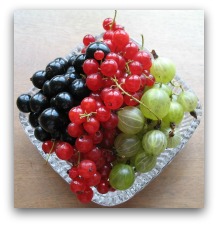
Fruit is one of the most abundant natural sources of antioxidants, and some varieties shine extra brightly.
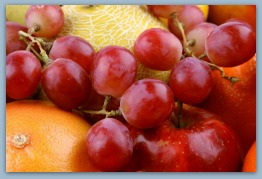
Citrus fruits — lemons, limes, tangerines, grapefruits and oranges — are wonderfully zesty options. They’re great for juicing, sprinkling into salads, or brightening up sauces and dressings (especially those lemons and limes that aren’t exactly “let’s-sit-down-and-eat-this-whole” friendly).
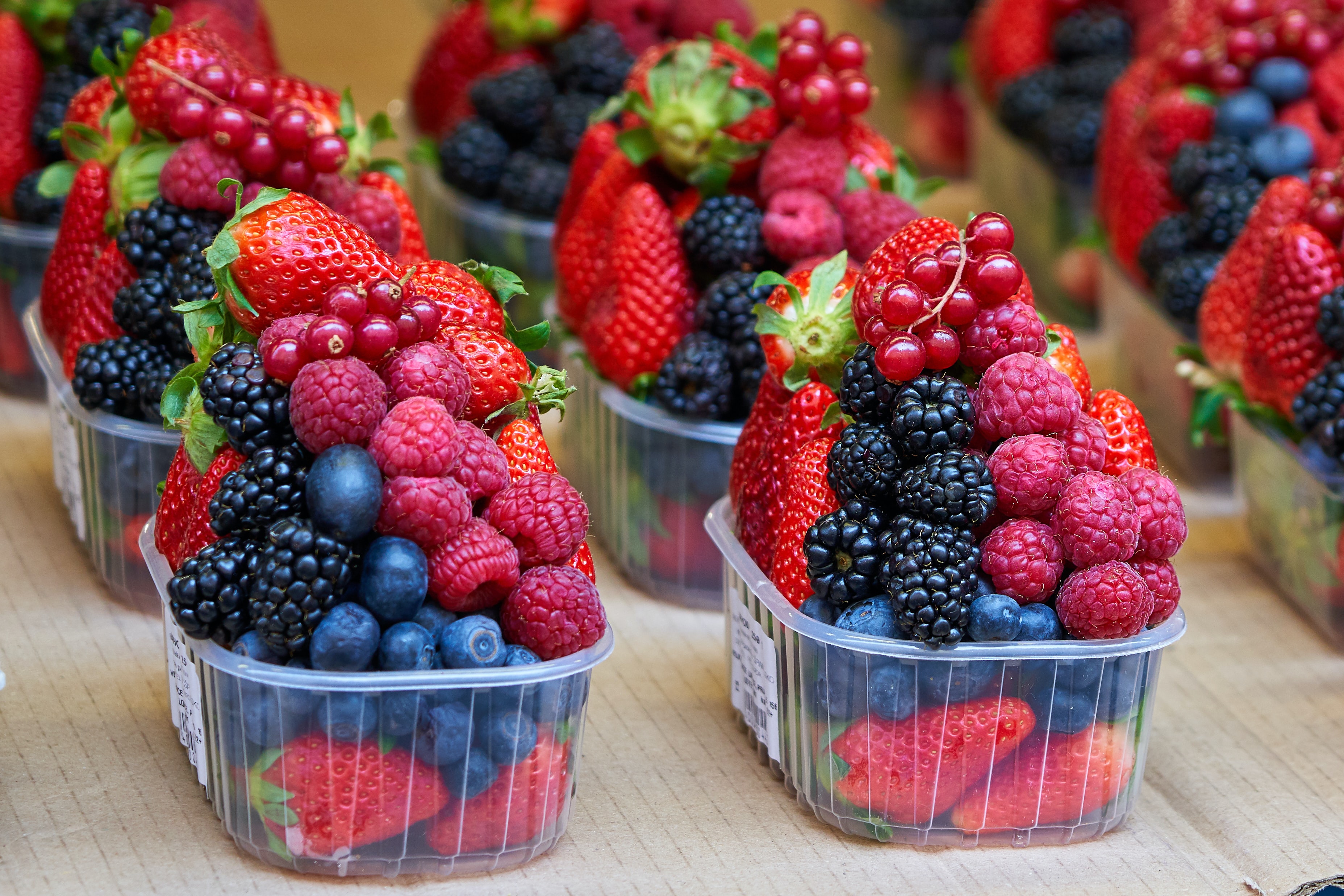
Berries are another antioxidant powerhouse: blueberries, strawberries, raspberries and blackberries, along with their larger cousins like pomegranates, figs and even tomatoes, deliver a strong antioxidant punch.
For maximum benefit, enjoy fruit fresh and raw — preferably whole or otherwise blended. Organic and fresh is ideal, but canned or frozen is far better than skipping fruit altogether. Just be aware some nutrients can drop a little during processing.
Raw or Cooked?
I prefer to take the middle ground: raw foods and cooked foods each offer different benefits, and your body can utilise a mix of both.
When you eat fruits and veggies raw, you keep more of their heat-sensitive nutrients — especially vitamin C and some enzymes — along with many natural antioxidants.
Cooking, however, has its own advantages. Light steaming or gentle sautéing can make certain antioxidants more available (like lycopene in tomatoes and beta-carotene in carrots), and it often makes tougher veggies easier to digest.
The real secret?
Enjoy a colourful combination of fresh raw produce and lightly cooked veggies. Think crunchy salads, juicy fruits, steamed greens, cooked sweet potatoes, and veggie-packed soups. That way you naturally cover the full spectrum of nutrients without overthinking it.
A little raw, a little cooked — and your body gets the best of both worlds.
What's Up With ORAC?
You may see antioxidant levels listed as ORAC scores online. ORAC stands for Oxygen Radical Absorbance Capacity, once used to measure the antioxidant power of foods. While these scores were useful for research, they don’t tell the whole story about how antioxidants work inside the body.
Absorption, digestion, food combinations and overall diet quality matter far more than chasing the “highest number.” Whole foods, eaten regularly, remain the most reliable way to benefit.
Antioxidant-Rich Vegetables
With vegetables, the same general rule applies: go for fresh, colourful, and (when possible) raw.
Dark leafy greens — think spinach, kale, Swiss chard — are rich in antioxidants. So are brightly coloured vegetables like peppers, carrots, sweet corn and beets. The deeper the colour, the more likely it’s packing extra antioxidant goodness.
Sweet potatoes also make the list of antioxidant superfoods — and yes, these you can enjoy cooked (thank goodness).
Antioxidant Foods – Grains and Beans
Whole grains are full of natural antioxidants, and choosing options like brown rice, oats, barley and whole-grain cereals adds both fibre and protective plant compounds to your meals.
Beans are another unsung hero. Broad beans, pinto beans, black beans and kidney beans are especially rich in antioxidants — plus, they’re versatile, filling, and budget-friendly.
Antioxidant-Rich Nuts, Seeds and Oils

Nuts and seeds are tiny antioxidant treasure chests. Snack on them whole, sprinkle them into salads and smoothies, or enjoy their nutrient-rich oils.
Common options like sunflower, sesame, groundnut (peanut) and almond oil all carry antioxidants from the plants they come from. Olive oil and coconut oil also count as antioxidant-supportive choices and blend beautifully into everyday cooking.
Foods High in Antioxidants – Herbs and Spices
Never underestimate your spice rack — some of the highest antioxidant foods in the plant world hide right there.
Garlic, chilies, cinnamon, cumin, oregano, cloves, saffron and many other herbs and spices can help elevate both the flavour and nutritional value of your meals.
The Easy Everyday Antioxidant Lifestyle
How much do I need?
There’s no need to count antioxidant foods. A simple rule of thumb is to aim for colour and variety across the day.
A plate that includes leafy greens, brightly coloured vegetables, fruit, whole grains, herbs and healthy oils naturally delivers a wide range of antioxidants — without supplements or complicated tracking.
As you can see, getting more antioxidant foods into your daily routine doesn’t have to be complicated. A mix of:
- fresh vegetables
- vibrant fruits or their juices
- wholesome grains
- beans
- nuts and seeds
- flavourful herbs and spices
- and antioxidant-rich oils
…all adds up to powerful long-term support for your body’s cells.
Top Antioxidant Foods You Already Eat
You don’t need rare, imported, or expensive “superfoods” to benefit from antioxidants. Many everyday foods — the ones that are affordable, familiar, and often in season — already do the job beautifully:
🍎 Apples & pears
🍊 Oranges, lemons & other citrus fruits
🥕 Carrots & sweet potatoes
🥬 Spinach, kale & other leafy greens
🍅 Tomatoes
🫘 Beans & lentils
🌰 Nuts & seeds
🫒 Olive oil
🧄 Garlic & onions
🌿 Herbs & spices (such as cinnamon, oregano, turmeric and cloves)
These are the kinds of antioxidant foods that show up year after year because they’re practical, versatile, and easy to build meals around. Eating seasonally and choosing what’s readily available often means fresher food — and better value too.
Small, consistent choices matter far more than chasing exotic ingredients. If your meals include a mix of these foods across the week, you’re already supporting your body with a wide range of the benefits of natural antioxidant foods.
Simple Seasonal Swaps (When Life — or Prices — Change)
When certain foods are out of season, expensive, or just not appealing, gentle swaps work just as well:
- Fresh berries → apples, pears, or oranges
- Spinach or kale → cabbage, beet greens, or broccoli
- Avocado → olives or a drizzle of olive oil
- Fresh herbs → dried herbs and spices
- Tomatoes → cooked tinned tomatoes or tomato paste
- Exotic “superfood” powders → beans, lentils, nuts, and seeds
The goal isn’t perfection — it’s flexibility. Antioxidant-rich eating adapts to seasons, budgets, and real life.
If you’re curious about how antioxidants support different systems in the body — from aging to immune balance — we explore that in more detail here ☝🏼.
Take the information from these health articles and start making small changes to your life. You'll see and feel the difference.
Tips For Healthy Eating On A Budget
More Super Foods To Add To Your Healthy Lifestyle
If you want tips on natural wellness, you can get them straight to your inbox.

Enter your email below and I’ll share new articles, reflections, and practical insights as they’re published.
Side Thoughts
Thanks for visiting here. If you'd like to stay in touch with our regular updates, then we'd love you to subscribe to our Detox-For-Life Newsletter.
We are a participant in the Amazon Services LLC Associates Program, an affiliate advertising program designed to provide a means for us to earn fees by linking to Amazon.com and affiliated sites.
NEWSLETTER
New pages, fresh perspectives, and practical detox-for-life insights are shared first with newsletter readers.
Recent Articles


-
Fennel Essential Oil: Aromatic and Soothing Oil with Health Benefits
Apr 14, 26 03:36 PM
 Fennel Essential Oil - Learn how this sweet, licorice-like oil supports digestion and everyday wellness.
 -
Beyond Curry: Turmeric Essential Oil - Benefits, Uses & Safety Guide
Mar 16, 26 07:19 AM
Explore Turmeric Essential Oil - Spice up your life with this golden oil. From adding a zesty kick to your morning smoothie to giving your skin a radiant glow -
Liver Cleanse Guide: Support Your Liver the Natural Way
Mar 03, 26 01:37 AM
 Discover how a gentle liver cleanse supports detox, digestion, metabolism, clear skin and steady energy using food, herbs and simple daily habits.