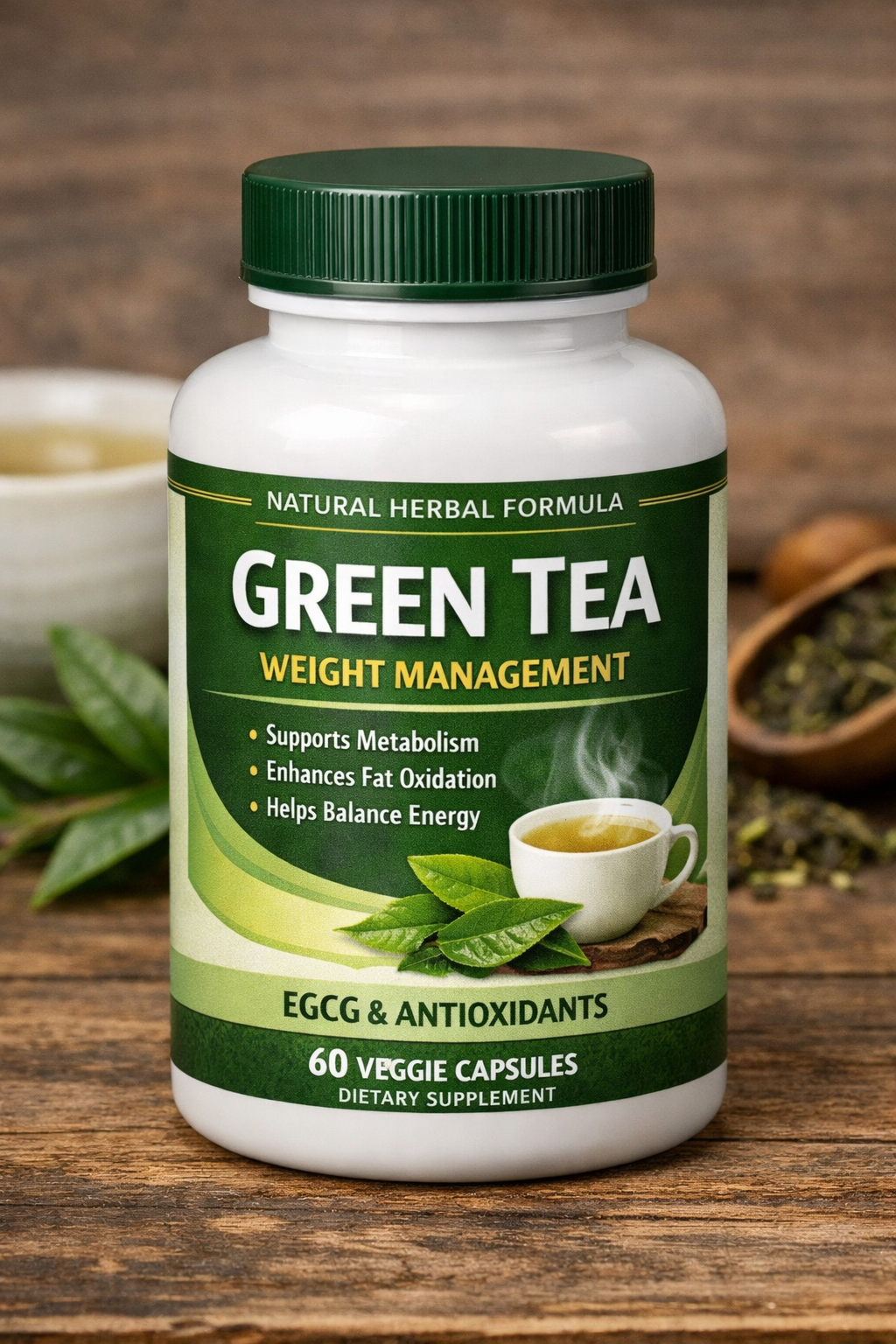
How Green Tea Weight Loss Works
What the Science Really Says
You may have heard about Green Tea Weight Loss claims:
Green tea has been linked to weight management for centuries. Ancient Chinese texts described long-term tea drinking as something that “makes one thin,” and modern research has taken a closer look at why this might be true.
So can green tea actually support weight loss — and if so, how does it work?
Let’s explore the science behind green tea, its effect on metabolism, blood sugar, appetite, and whether drinking it is better than taking it as a capsule.
What is the Green Tea Weight Loss Association?
Green tea contains a unique combination of caffeine and catechins, especially a powerful compound called EGCG (epigallocatechin gallate).
These compounds influence several processes linked to fat loss:
1. Thermogenesis – Burning More Energy at Rest 🔥
Thermogenesis is the process of producing heat and burning calories.
Research published in the American Journal of Clinical Nutrition found that green tea extract:
- increased energy expenditure
- increased fat oxidation
- worked beyond the effect of caffeine alone
This means green tea doesn’t just “stimulate” — it appears to change how the body uses fuel.
2. Increased Fat Oxidation 🔥
Green tea helps the body use fat as a source of energy, particularly during exercise.
This happens because catechins:
- activate enzymes that break down stored fat
- enhance the action of norepinephrine (a fat-burning hormone)
Some studies show measurable increases in fat burning, especially with consistent intake.
3. Support for Metabolic Rate 🔥
One of the main reasons green tea weight loss is so widely studied is its effect on thermogenesis and fat oxidation. Green tea may produce a small but meaningful increase in metabolic rate, which can support long-term weight management when combined with healthy eating and movement.
Does Green Tea Help Prevent Fat Storage?
Emerging research suggests green tea may:
- influence genes involved in fat storage
- improve how the body handles dietary fat
- reduce the formation of new fat cells
This doesn’t mean it “blocks fat,” but it may help create a metabolic environment that is less favourable for weight gain.
Green Tea and Blood Sugar Balance
One of the most interesting — and often overlooked — benefits is its effect on glucose control.
Stable blood sugar levels are important for weight loss because they help:
- reduce cravings
- prevent energy crashes
- lower hunger spikes
Green tea may help by:
- improving insulin sensitivity
- slowing carbohydrate digestion (via mild inhibition of amylase)
- reducing post-meal blood sugar spikes
This is one reason people often report fewer snack cravings when drinking it regularly.
Does Green Tea Suppress Appetite?
Green tea is not a strong appetite suppressant, but it may support appetite control indirectly.
Possible mechanisms include:
- better blood sugar stability → fewer hunger swings
- mild effect on satiety hormones
- gentle caffeine content → reduced desire to snack
For many people, replacing sugary drinks with green tea alone reduces daily calorie intake.
👉 Matcha vs Green Tea – Do They Have the Same Effects?
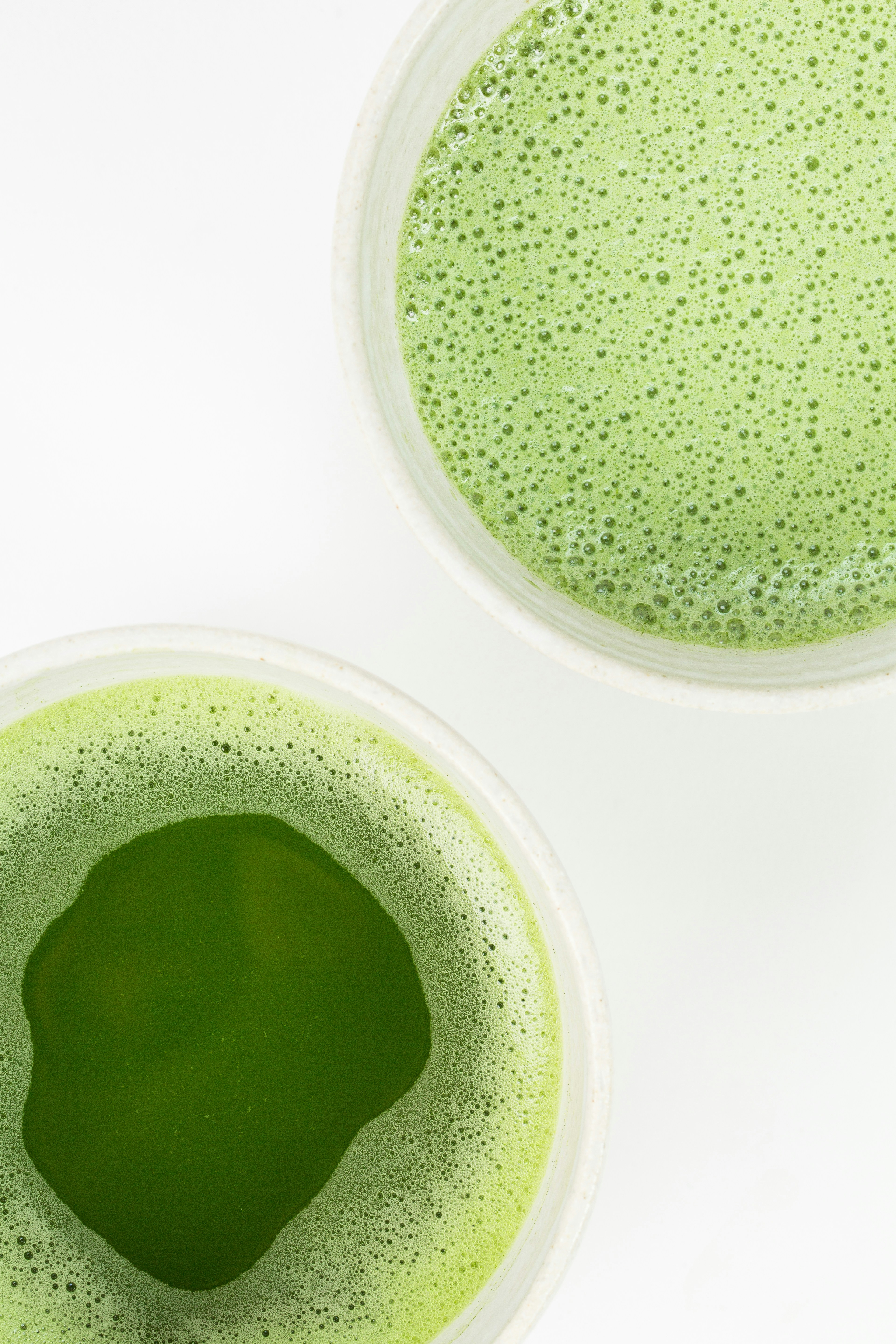
A common question: - Does Matcha Have the Same Weight Loss Benefits as Green Tea?
Matcha can also support weight loss when used alongside a healthy diet and regular exercise. Because the whole tea leaf is consumed in powdered form, matcha provides a higher concentration of EGCG (epigallocatechin gallate) and a moderate amount of caffeine, both of which are known to help boost metabolism and enhance fat burning. In addition, its natural L-theanine content promotes a calm, focused state that may help reduce stress-related cravings, making it easier to maintain consistent, sustainable weight-management habits over time.
Capsules vs Drinking Green Tea
Both forms have advantages.
Drinking Green Tea
Best for:
- hydration
- habit building
- gentle, sustained intake
- replacing high-calorie drinks
It also contains:
Green Tea Extract Capsules
- aroma compounds
-
additional polyphenols
that may support overall health.
Best for:
- higher therapeutic doses
- convenience
- people who don’t enjoy the taste
But:
- they deliver concentrated catechins
- should be taken with food
- very high doses are not suitable for everyone
For most people, 2–4 cups of green tea daily is a safe and effective starting point.

Green Tea and Exercise Performance
Green tea may also improve fat burning during exercise.
This means:
- you use more fat for fuel
- endurance may improve slightly
Over time, this can enhance body composition when combined with regular movement.
Long-Term Weight Management, Not Quick Fixes
Green tea is not a magic solution.
What it does offer is:
- metabolic support
- better blood sugar control
- improved fat utilisation
This makes it a powerful addition to a balanced weight-loss plan that includes:
- whole foods
- strength or resistance exercise
- good sleep
- stress management
Studies show that regular long-term use is more effective than short bursts.
Additional Health Benefits That Support Weight Loss
Green tea may also help address common metabolic issues associated with excess weight:
- supports healthy cholesterol levels
- promotes cardiovascular health
- assists with type 2 diabetes management
- provides strong antioxidant protection
A healthier metabolism makes weight loss easier and more sustainable.
Here are some great diet tips to help you stay on track when trying to lose weight.
Who Should Use Caution With Green Tea?

Green tea is safe for most people, but speak to a healthcare professional if you:
- are pregnant or breastfeeding
- have a heart condition
- have stomach ulcers or reflux
- are sensitive to caffeine
- have kidney or liver disorders
Simple Ways to Use Green Tea for Weight Loss
You can include it by:
- drinking 2–4 cups daily
- having a cup before exercise
- using matcha as a morning coffee alternative
- taking a moderate-dose extract with meals
Consistency matters more than quantity.
Closing Thoughts about Green Tea Weight Loss 🌿
Green tea supports weight loss by:
- gently increasing metabolism
- enhancing fat burning
- improving blood sugar balance
- helping regulate appetite signals
It’s not a quick fix — but it creates the metabolic conditions that make fat loss easier and more sustainable.
Further Reading on Metabolism, Herbal Teas and Appetite Control 🌞
If you want tips on natural wellness, you can get them straight to your inbox.

Enter your email below and I’ll share new articles, reflections, and practical insights as they’re published.
Side Thoughts
Thanks for visiting here. If you'd like to stay in touch with our regular updates, then we'd love you to subscribe to our Detox-For-Life Newsletter.
We are a participant in the Amazon Services LLC Associates Program, an affiliate advertising program designed to provide a means for us to earn fees by linking to Amazon.com and affiliated sites.
NEWSLETTER
New pages, fresh perspectives, and practical detox-for-life insights are shared first with newsletter readers.


