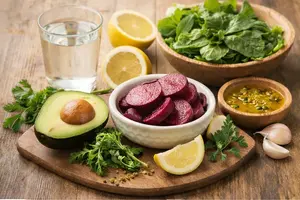
Top Super Foods
Everyday Foods With Exceptional Nutrition
Super Foods with super powers -- talked about as if they’re exotic powders flown in from distant jungles. 🌴🌴🌴
Superfoods is a term often used to describe foods that are especially rich in nutrients and protective plant compounds. These are foods that provide more than just basic nourishment — they offer concentrated vitamins, minerals, antioxidants and naturally occurring compounds that support the body as a whole.
What surprises many people is that most superfoods are not exotic or expensive. Many are ordinary, everyday foods that have been part of traditional diets for generations. When eaten regularly as part of a balanced diet, they can support immune function, energy levels, digestion and long-term wellbeing.
This page looks at superfoods in a practical way — foods that are easy to find, simple to prepare and realistic to include in daily life. Below you’ll find an overview of commonly recognised superfoods, along with links to more detailed articles on individual foods and how to use them.
If you’re looking for a quick reference or shopping guide, you can also browse our complete list of superfoods, which groups foods by type and nutritional focus. You may be surprised to find that most of them are everyday foods.
Common Super Foods Worth Including Regularly
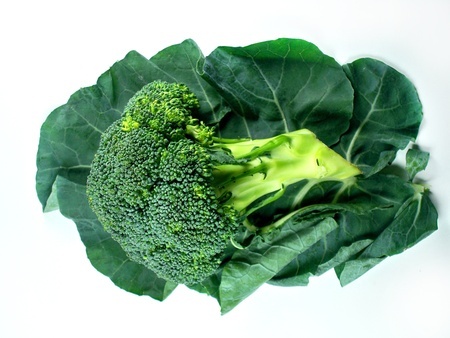
Broccoli - is a nutrient-dense cruciferous vegetable rich in vitamins, minerals and protective plant compounds. It’s easy to include regularly and works well steamed, lightly stir-fried or raw in salads — and makes a simple way to get more greens on your plate.
→ Read more about broccoli
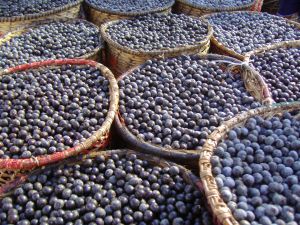
Blueberries
Blueberries are a nutrient-dense fruit valued for their naturally occurring antioxidants and plant compounds. They’re easy to include in your daily diet and work well fresh, frozen, or added to smoothies, oats, and fruit salads.
→ Read more about blueberries

Cayenne Pepper
Cayenne pepper contains capsaicin (an antioxidant), the compound responsible for its heat and distinctive flavour. Traditionally used for both remedies and cooking - a small amount goes a long way, making it easy to include in cooking without overpowering a meal.
→ Read more about cayenne pepper

Bananas
Bananas are a familiar, everyday fruit that provide natural energy along with important minerals like potassium and magnesium. They’re easy to eat on the go and happen to be one of the few superfoods that come in their own convenient packaging.
→ Read more about bananas
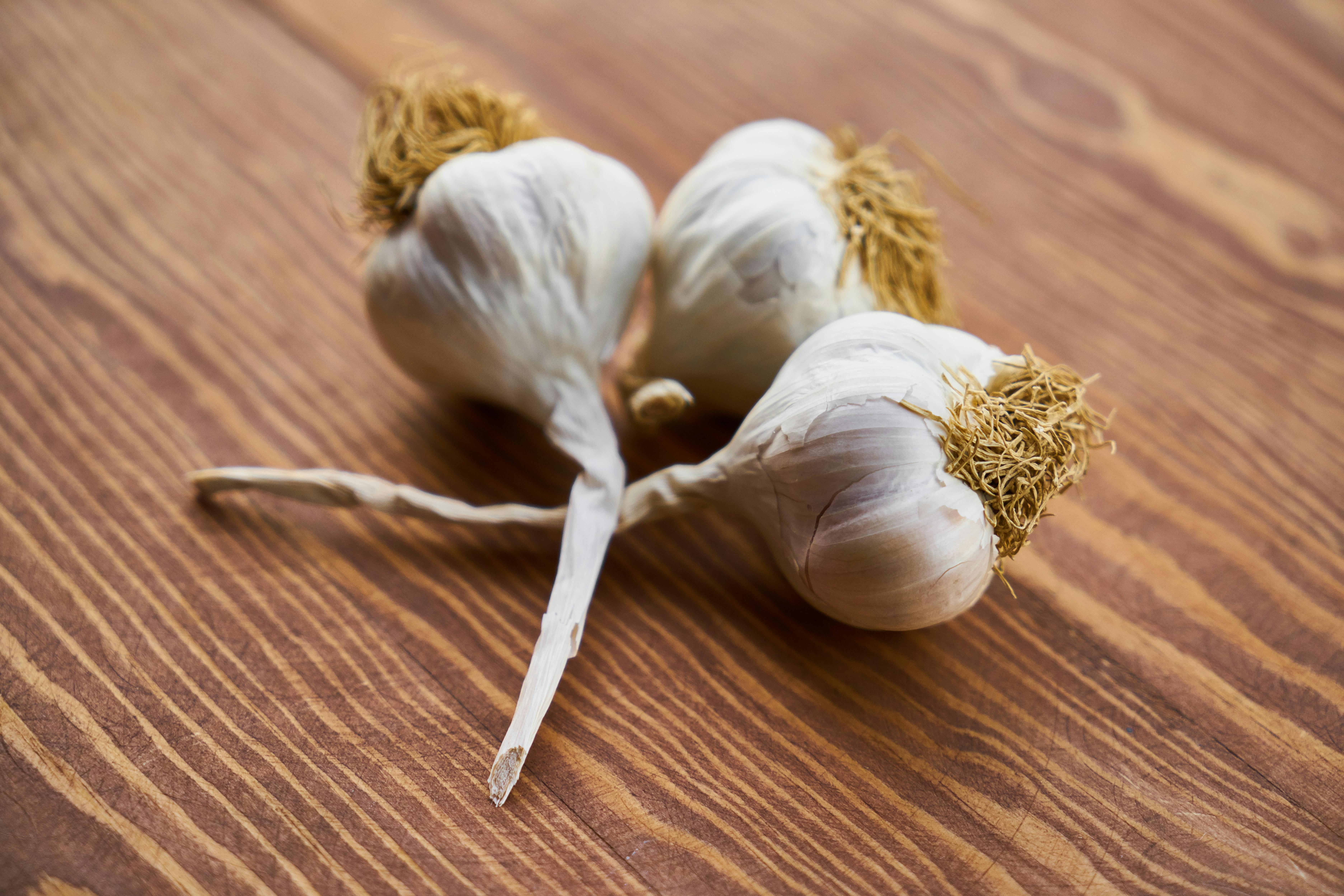
Garlic
Garlic is a widely used ingredient known for its allicin content, a compound studied for its potential antimicrobial properties and role in supporting immune health.
It’s easy to add to everyday meals and works well raw, cooked, or used regularly in small amounts.
→ Read more about garlic
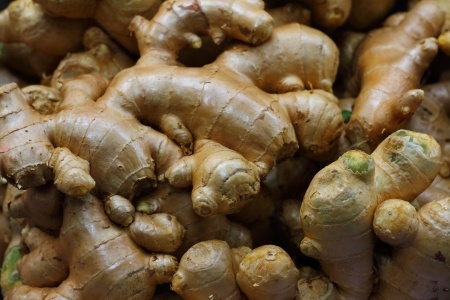
Ginger
Ginger is a root commonly used for both cooking and medicinal purposes in traditional cultures. It can be enjoyed fresh, dried, or as a tea and adds warmth and flavour to daily meals.
→ Read more about ginger

Green Tea
Green tea is valued for its naturally occurring polyphenols and is often enjoyed as a daily beverage. It’s a simple to include it in your daily beverages, especially if you already enjoy a warm cup of tea during the day.
→ Read more about green tea
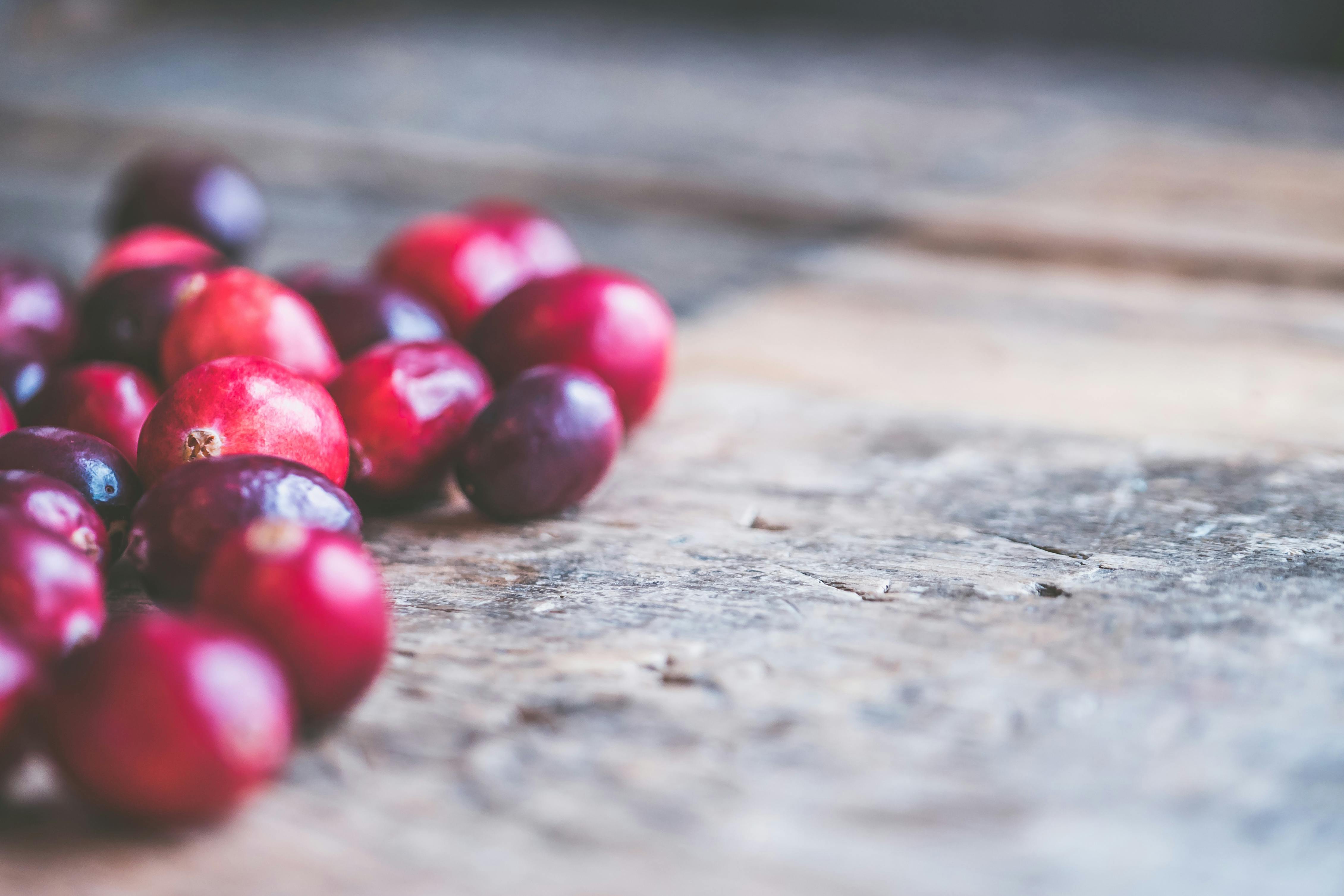
Cranberries
Cranberries are a tart fruit rich in naturally occurring plant compounds. They’re commonly used dried, juiced, or added to meals in small amounts to balance sweeter flavours.
→ Read more about cranberries
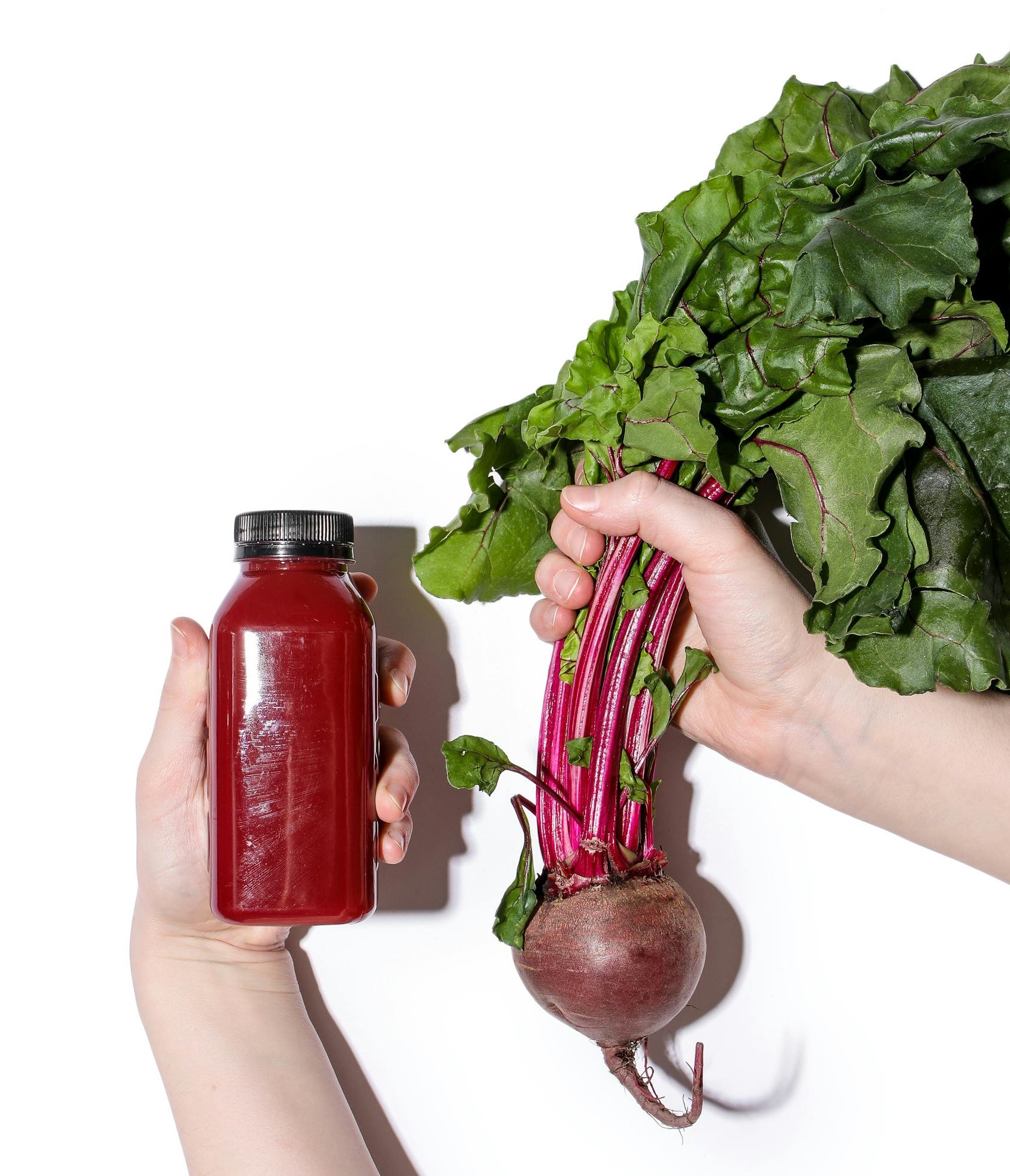
Beetroot
Beetroot is a vibrant root vegetable that provides a range of vitamins, minerals, and naturally occurring compounds. It can be enjoyed raw, roasted, juiced, or added to salads for both colour and flavour.
→ Read more about beetroot
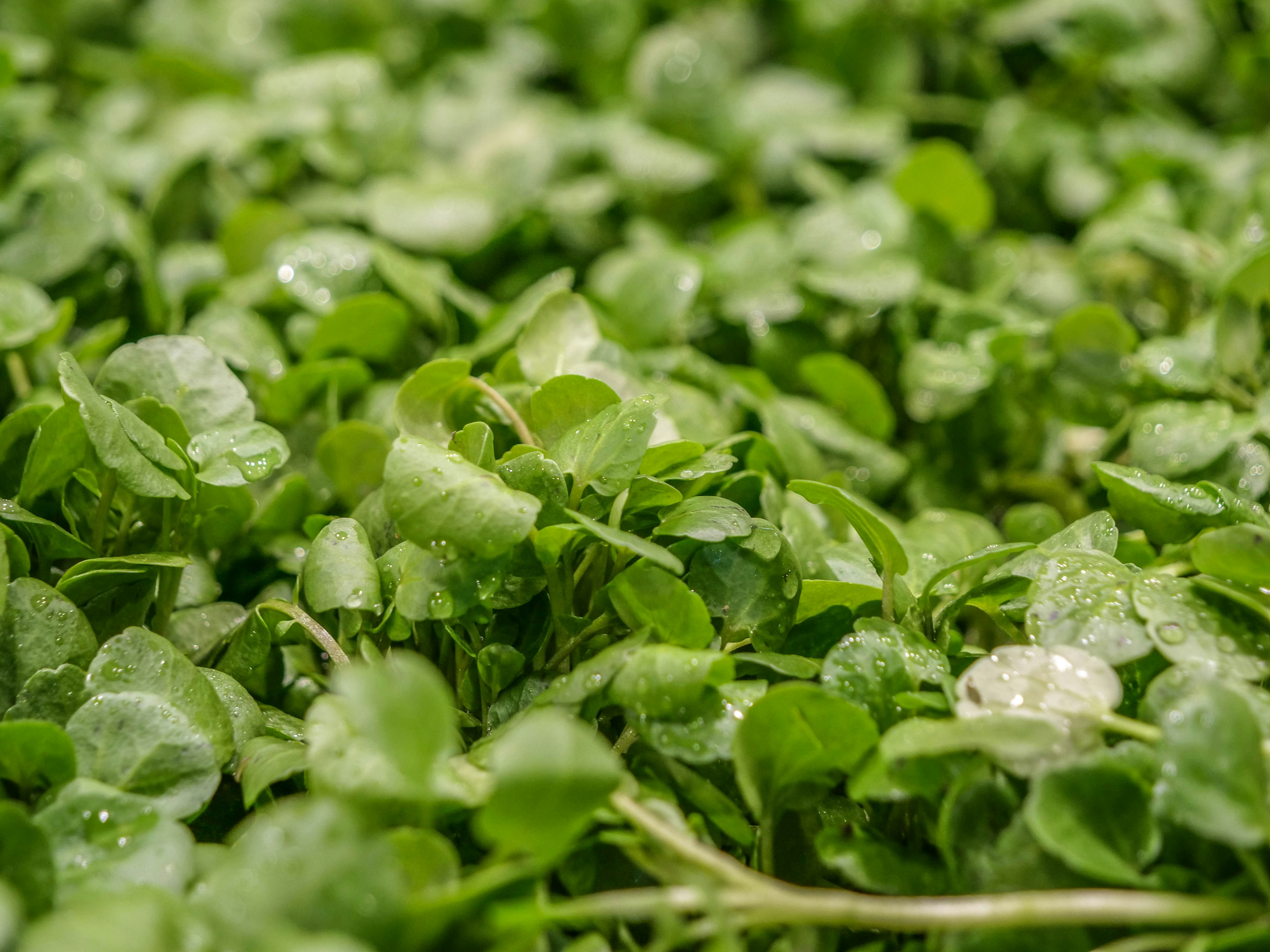
Watercress
Watercress is a leafy green with a fresh, slightly peppery taste. It’s often added to salads, sandwiches, or soups and is an easy way to add variety to your greens.
→ Read more about watercress
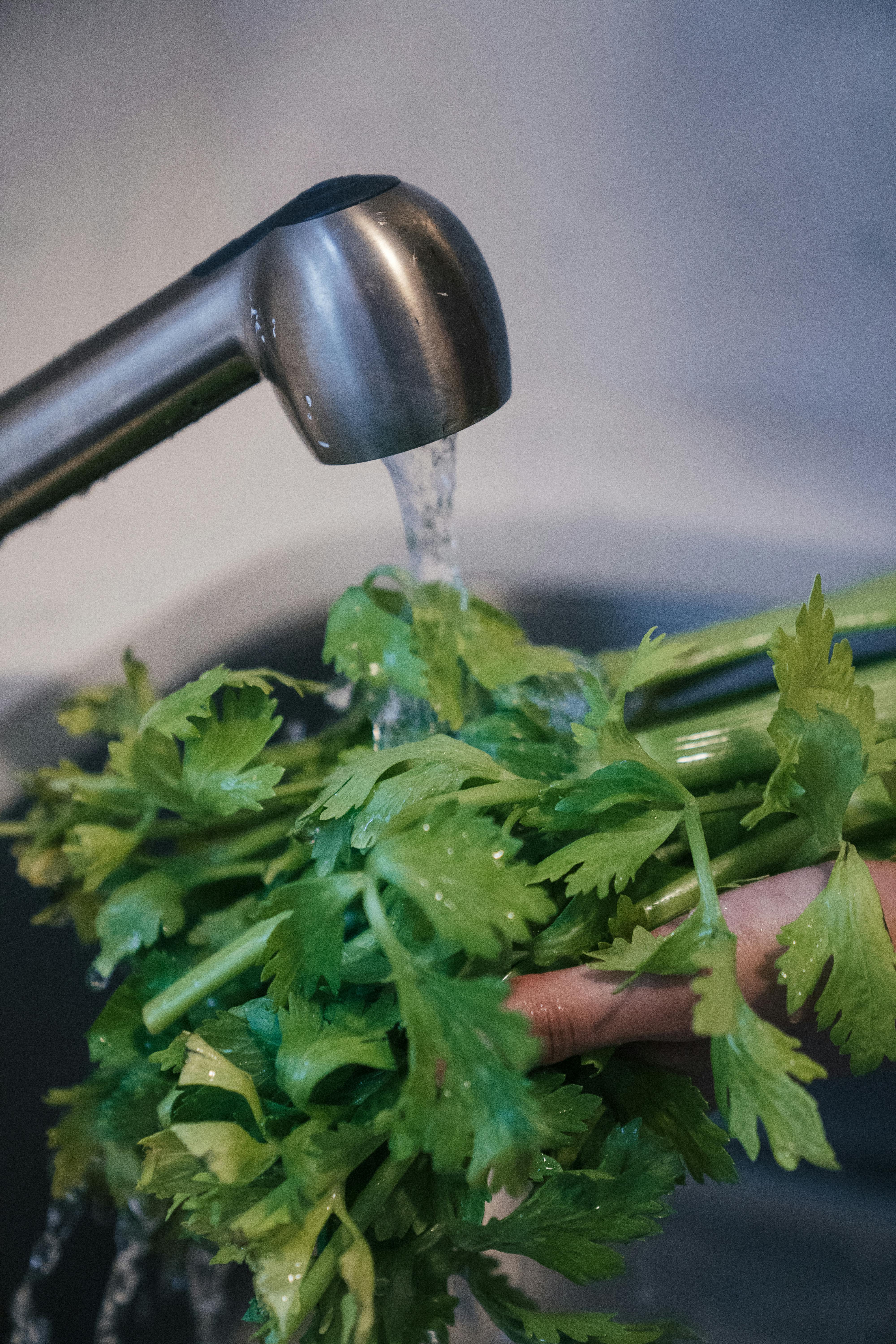
Celery
Celery is a crisp, hydrating vegetable that’s commonly eaten raw or added to cooked dishes. It works well as a snack, a base for soups, or a simple addition to salads and juices.
→ Read more about celery
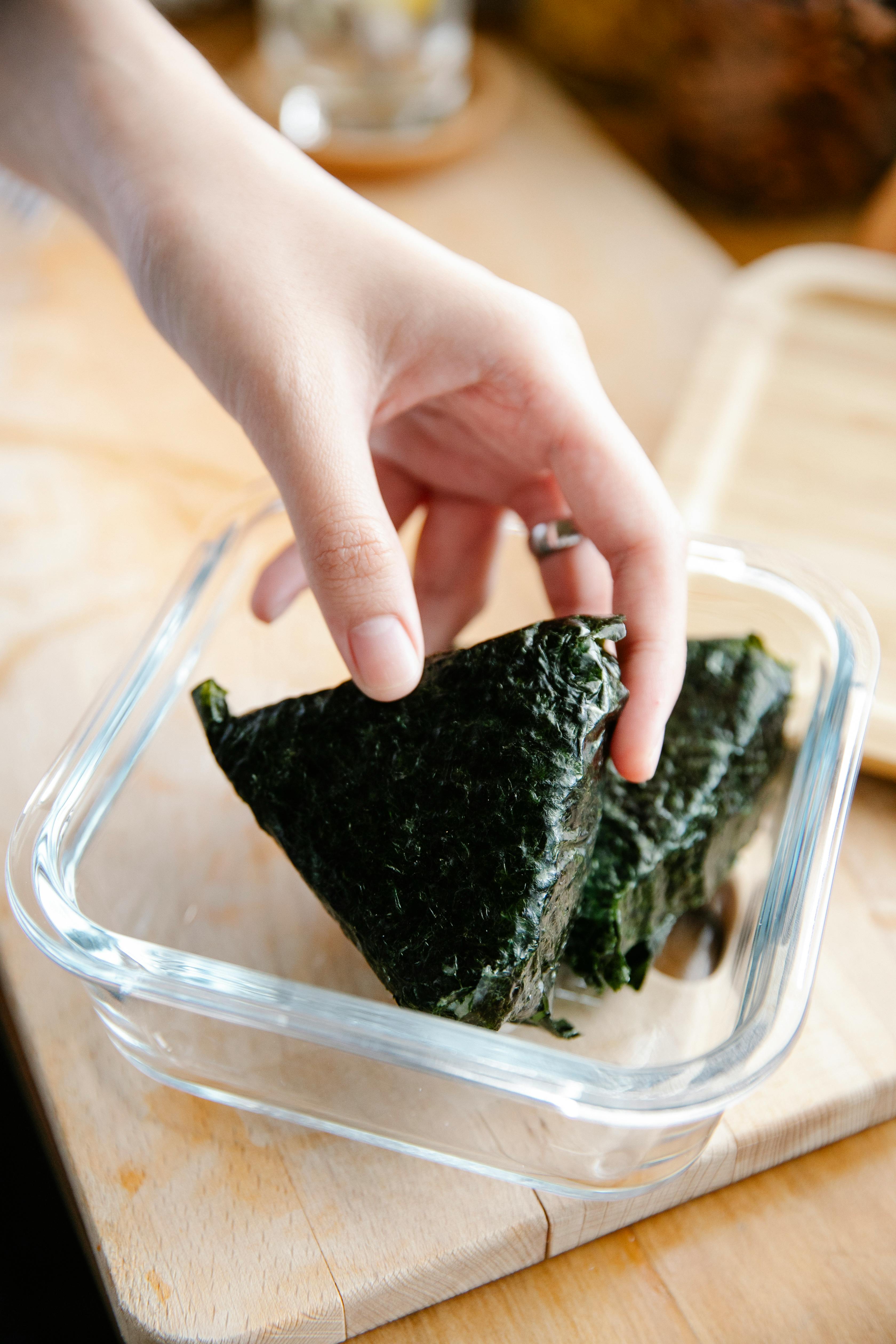
Seaweed
Seaweed is a group of edible sea vegetables traditionally used in many coastal cuisines. It’s commonly enjoyed dried, fresh, or added to soups and dishes in small amounts.
→ Read more about seaweed
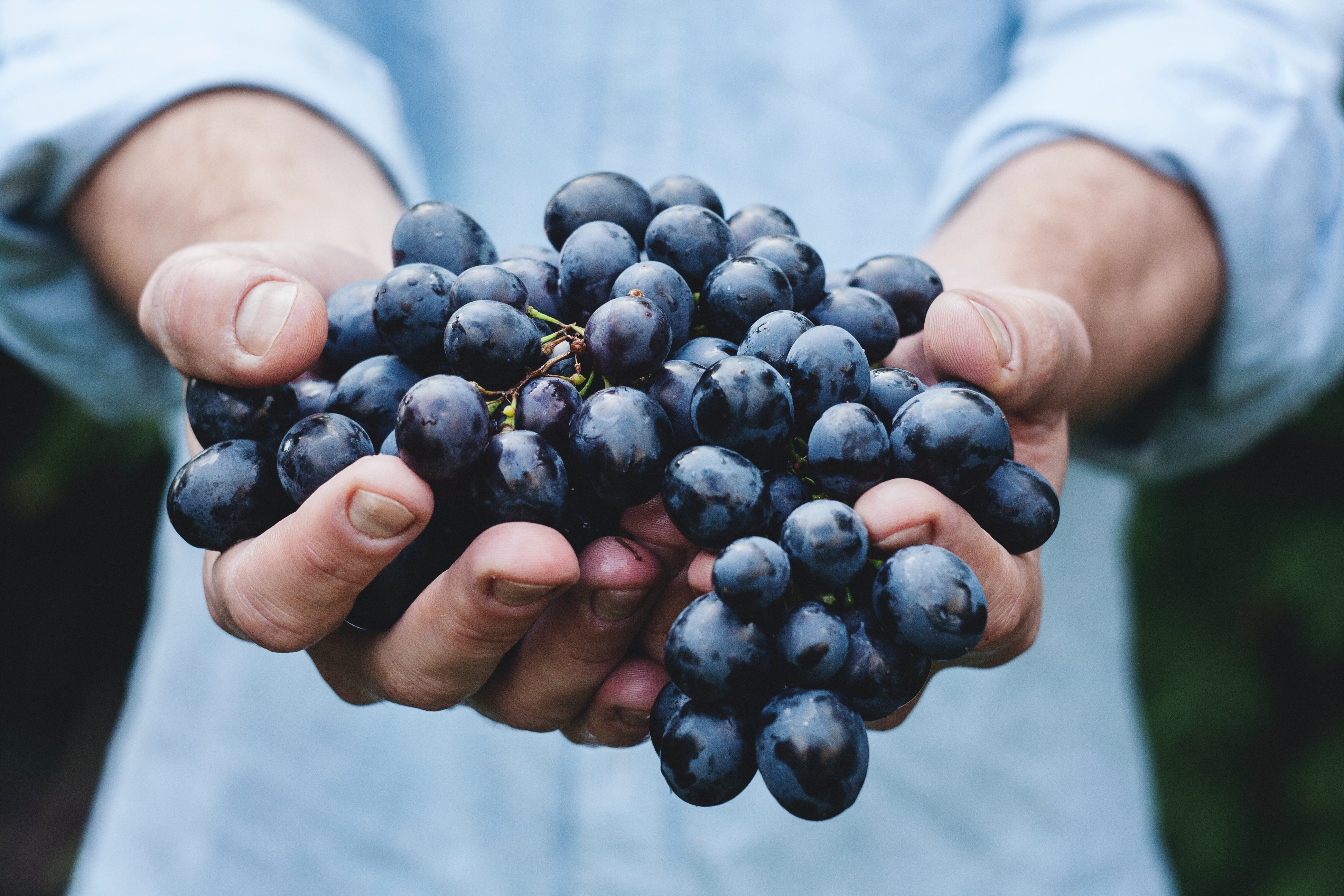
Grapes
Grapes are a naturally sweet fruit that contain a variety of plant compounds. They’re easy to eat fresh, add to fruit salads, or enjoy frozen as a simple snack.
→ Read more about grapes
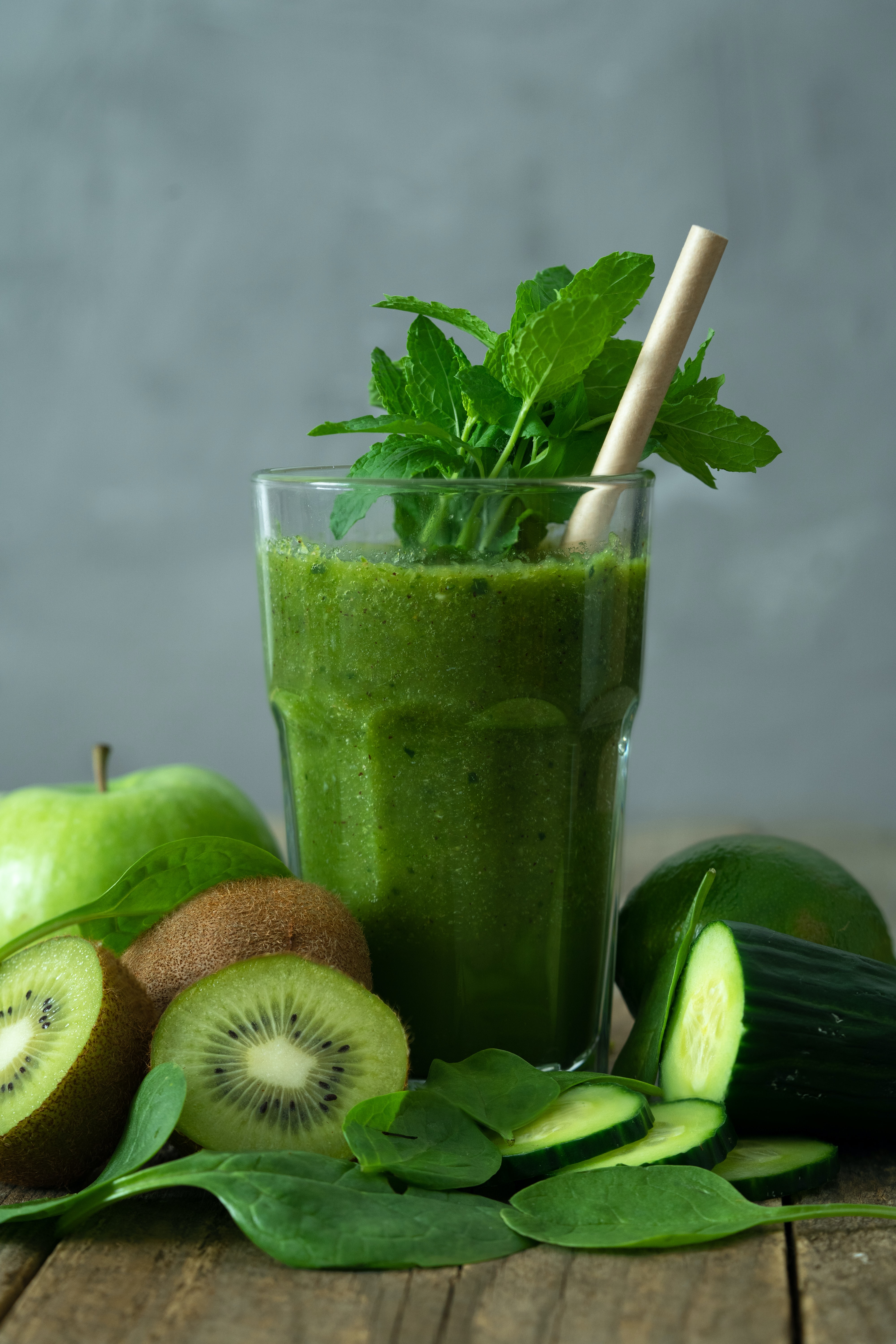
Kiwi Fruit
Kiwi fruit is a small, tangy fruit known for its bright flavour and nutrient content. It’s easy to eat on its own or add to smoothies and fruit salads for a fresh twist.
→ Read more about kiwi fruit
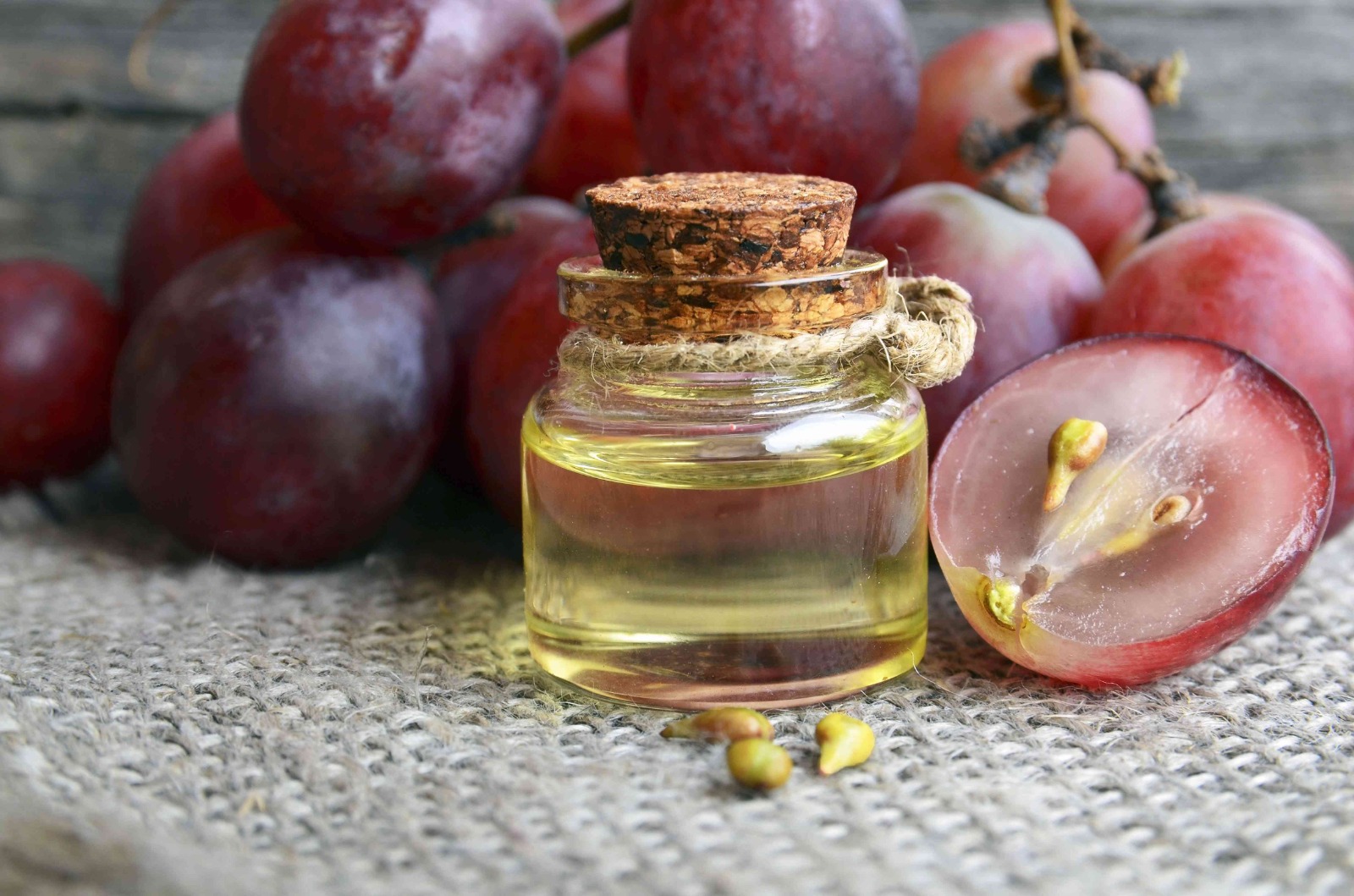
Grapeseed Oil
Grapeseed oil is a light, neutral-flavoured oil often used in cooking and food preparation. It’s commonly chosen for its versatility and works well in dressings, sautés, and baking.
→ Read more about grapeseed oil
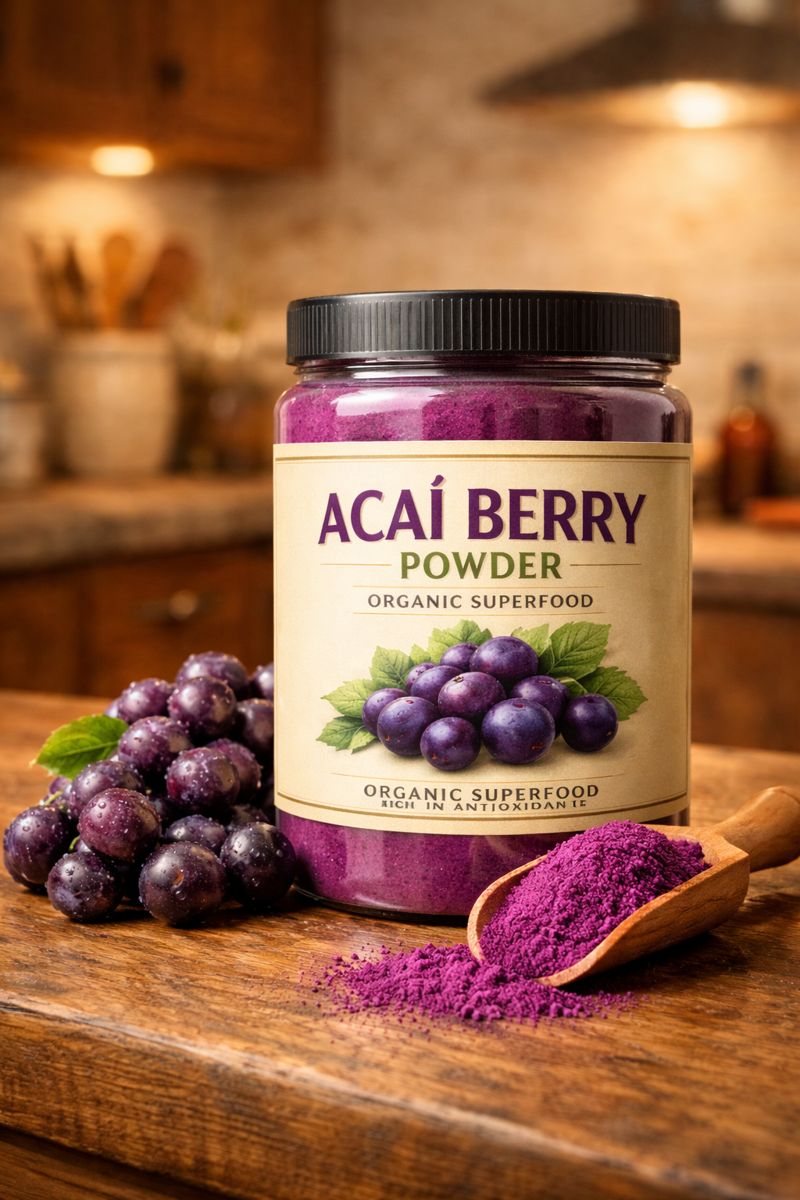
Acai Berry
Acai berries are small, dark berries traditionally consumed in parts of South America. They’re most often enjoyed in frozen or powdered form, blended into smoothies or bowls.
→ Read more about acai berry

Wine
Wine, particularly red wine, contains naturally occurring plant compounds derived from grapes. When enjoyed occasionally and in moderation, it’s often included in discussions around traditional dietary patterns — and it pairs well with good food and good company.
→ Read more about wine
Kale is a great superfood! A super vegetable - it has extremely high levels of antioxidants as well as high in vitamin C and K. It also may protect against cancer and possibly slow down the growth of cancer cells. Take a look at these delicious Kale Recipes for innovative ways to add kale to your diet.
Super Foods in Raw Food Diet - For more information on why including Super Foods in a Raw Food Diet is a great way to improve and protect your health. It's easier than you think.
This page highlights a selection of commonly used superfoods. For a broader overview grouped by food type, see our complete list of superfoods.
If you want tips on natural wellness, you can get them straight to your inbox.

Enter your email below and I’ll share new articles, reflections, and practical insights as they’re published.
Side Thoughts
Thanks for visiting here. If you'd like to stay in touch with our regular updates, then we'd love you to subscribe to our Detox-For-Life Newsletter.
We are a participant in the Amazon Services LLC Associates Program, an affiliate advertising program designed to provide a means for us to earn fees by linking to Amazon.com and affiliated sites.
NEWSLETTER
New pages, fresh perspectives, and practical detox-for-life insights are shared first with newsletter readers.
Recent Articles


-
Fennel Essential Oil: Aromatic and Soothing Oil with Health Benefits
Apr 14, 26 03:36 PM
 Fennel Essential Oil - Learn how this sweet, licorice-like oil supports digestion and everyday wellness.
 -
Beyond Curry: Turmeric Essential Oil - Benefits, Uses & Safety Guide
Mar 16, 26 07:19 AM
Explore Turmeric Essential Oil - Spice up your life with this golden oil. From adding a zesty kick to your morning smoothie to giving your skin a radiant glow -
Liver Cleanse Guide: Support Your Liver the Natural Way
Mar 03, 26 01:37 AM
 Discover how a gentle liver cleanse supports detox, digestion, metabolism, clear skin and steady energy using food, herbs and simple daily habits.