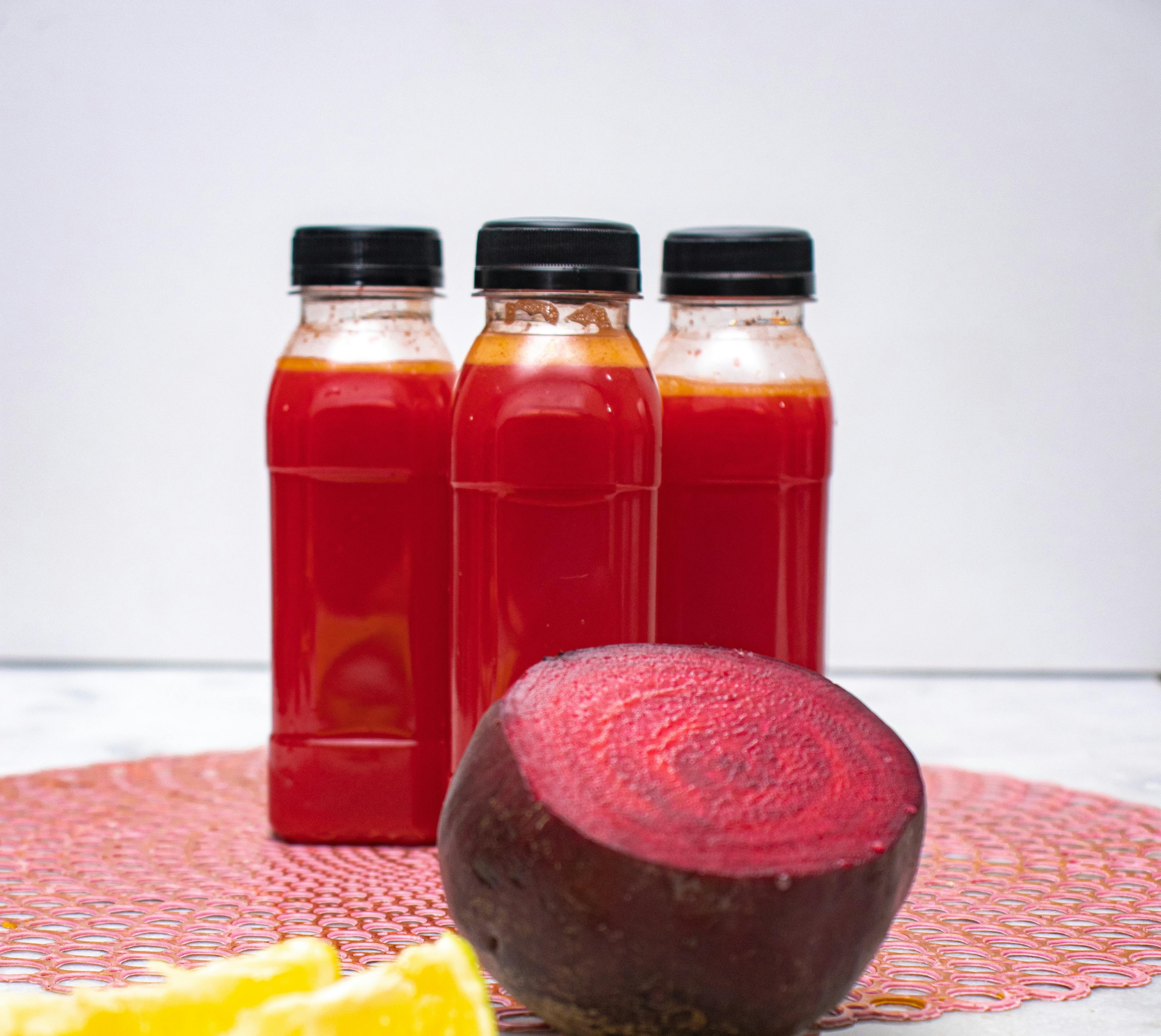
Beetroot Juice
The Earthy Red Juice You Either Love… or Learn to Love
Beetroot juice is one of those drinks people don’t usually discover by accident. Someone recommends it. You read something intriguing. Or you’re standing in the kitchen staring at a beet, wondering who first decided this was a good idea.
And yet, once beetroot juice becomes part of your routine, it tends to stick around.
Beets (also called beetroot) are deeply pigmented root vegetables with a long history in traditional food and wellness cultures. They’re bold in colour, earthy in flavour, and surprisingly generous when it comes to nutrients.
They’re also very messy. (Wear an apron. Trust me.)
If you’re here because you’re curious about beetroot juice but slightly unsure whether it’s worth the effort (and the stains), you’re in the right place. This isn’t a medical breakdown — it’s a real-world look at what beetroot juice is like, why people use it, and where it genuinely shines.
What’s Actually in Beetroot? (More Than Just Red Juice)
Beetroot is made up of two edible parts:
the root and the greens — and both bring something useful to the table.
The root contains:
- Vitamins A, C, and several B-vitamins (B1, B2, B6, folate)
- Potassium, manganese, iodine, and magnesium
- Choline, often mentioned in traditional liver-support discussions
- Natural sugars (the kind your body recognises as food)
- Betalains — those powerful red-purple pigments that stain everything
The greens are often overlooked (and unfairly so). They’re traditionally valued for their iron content and are frequently compared to spinach — though far less trendy and much less Instagram-friendly.
Let’s Talk About Beetroot Juice Taste
If you’re expecting beetroot juice to taste like berries… surprise.
It doesn’t.
Beetroot has an earthy, slightly sweet, almost mineral flavour. Some people describe it as “soil-like” (not a great sales pitch), others as “grounding.” Personally, I think it tastes like something your body recognises as real food, even if your taste buds need a minute to catch up.
This is why beetroot juice works so well blended with:
- carrot
- apple
- ginger
- citrus
On its own, it’s bold. With friends, it’s excellent.
Beetroot Juice vs Beetroot Powder
If you love juicing and don’t mind red-stained countertops, fresh beetroot juice is wonderful.
If you live in the real world, beetroot powder deserves some appreciation.
- No peeling
- No staining
- No juicer to clean
- Easy to add to smoothies or juice blends
It also doubles as a natural food dye, which makes baking and cooking more fun — and slightly alarming the first time you see how pink everything turns.
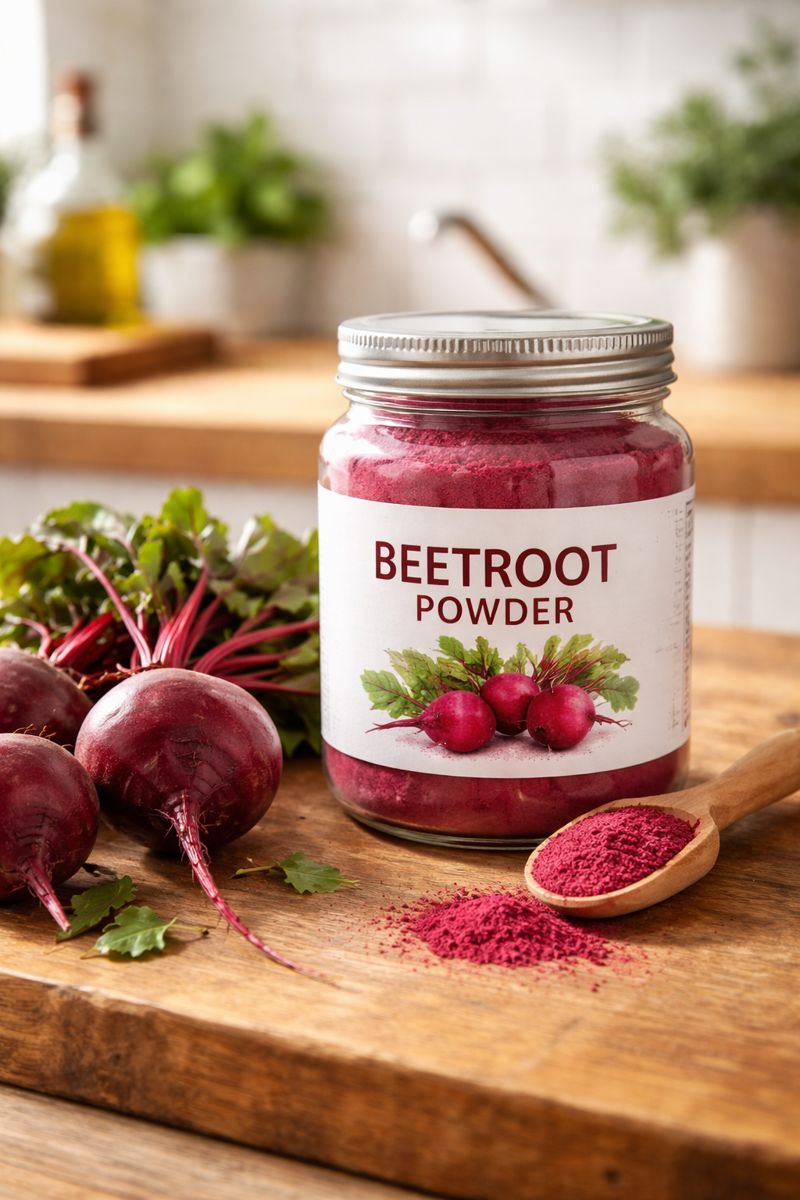
Not everyone wants to juice beetroot (or clean the juicer afterward). Beetroot powder is an easy option, and browsing a few different varieties can help you find one that fits your preferences and routine.
Some links on this page may take you to retailers where I may earn a small commission, at no extra cost to you.
Worth knowing:
Beetroot can temporarily change urine or stool colour. It’s harmless — but surprising if you’re not expecting it.
Why People Keep Coming Back to Beetroot Juice
1. Circulation & Blood Pressure (Traditionally Speaking)
Beetroot is naturally high in dietary nitrates, which the body can convert into nitric oxide — a compound associated with relaxed blood vessels and healthy circulation.
Traditionally, beetroot juice has been used both when people feel their blood pressure runs high or low, which is interesting in itself. It’s one of those foods that seems more interested in balance than extremes.
Some people notice effects fairly quickly. Others just notice they feel “better overall” — which is frustratingly vague but surprisingly common.
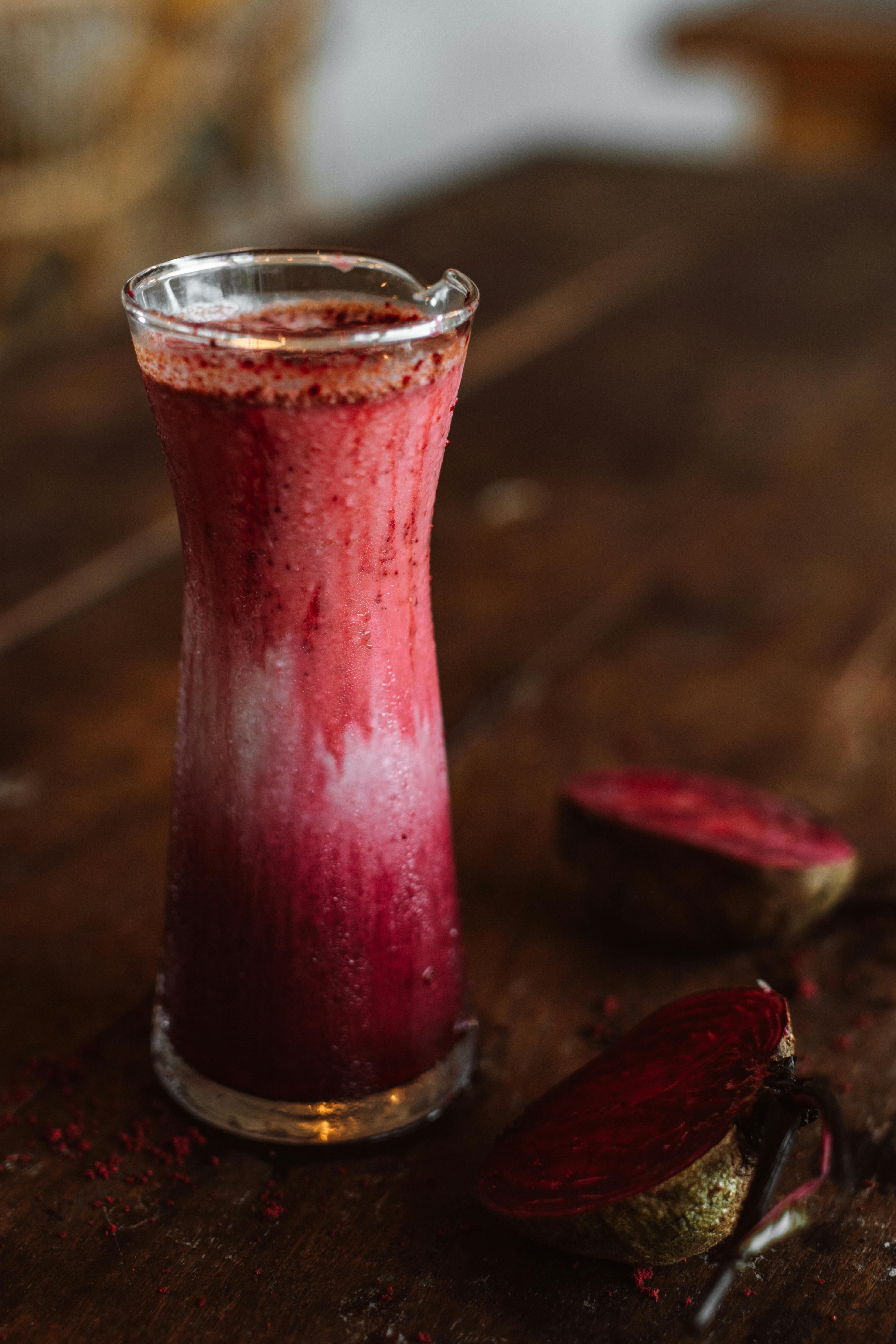
2. Beetroot and Iron (Not Just a Spinach Thing)
When iron comes up, spinach always steals the spotlight. But beetroot — especially the greens — has quietly been doing its thing for centuries.
Beetroot contains iron along with copper, which plays a role in helping the body use iron effectively. This pairing is one reason beetroot juice often shows up in traditional food-based approaches for supporting energy and vitality.
3. Liver Support (The Day-After Vegetable)
Beetroot has a long-standing reputation as a liver-supportive food. Its choline content is often mentioned in relation to fat metabolism and liver function.
This is why beetroot juice has earned its place as the “I need to reset” drink — especially after holidays, celebrations, or those weekends that quietly got out of hand.
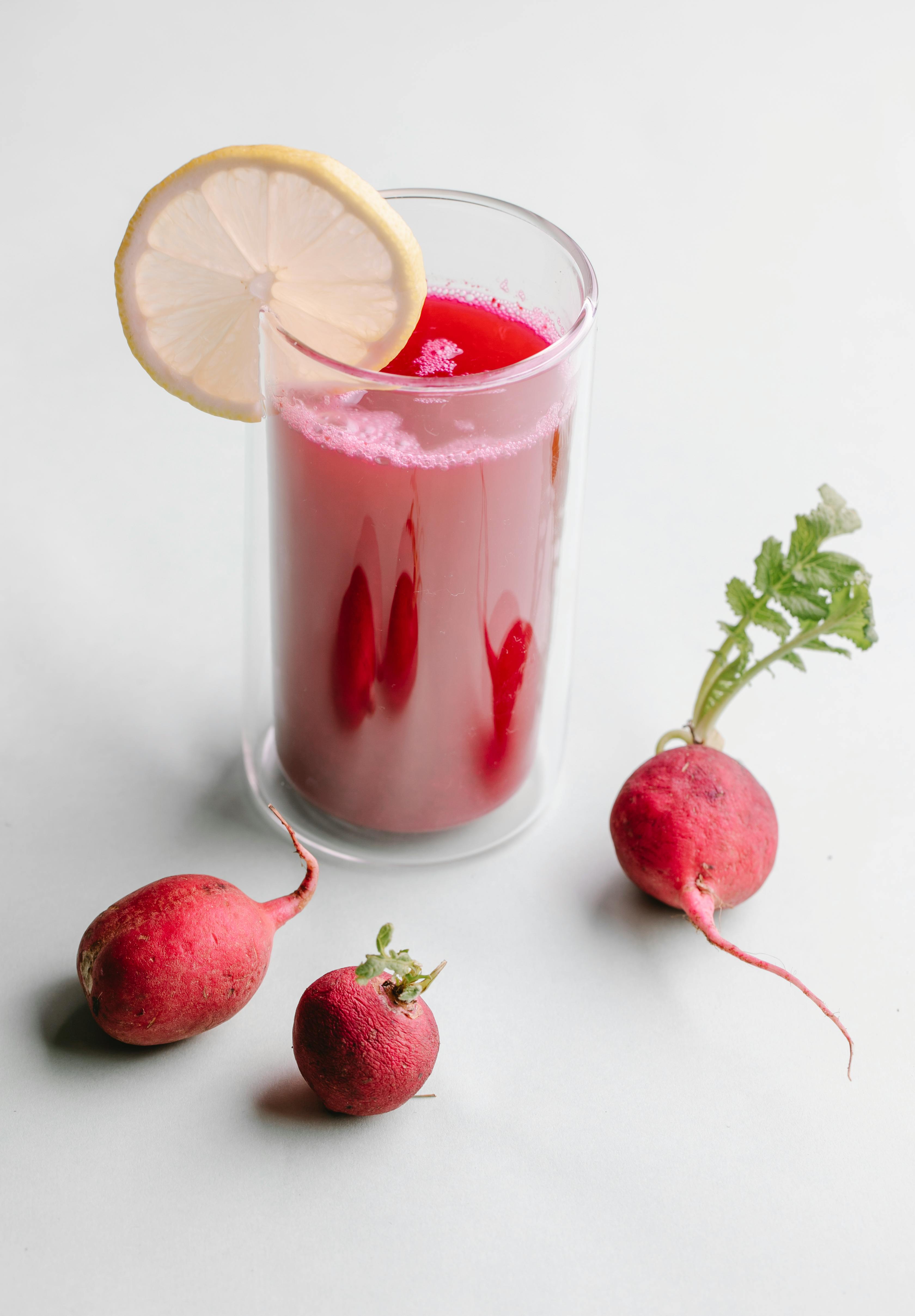
A squeeze of lemon or lime is a popular addition, both for flavour and tradition.
4. Digestion & Regularity
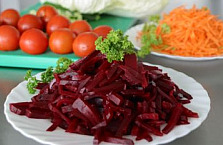
Beetroot contains fibre and cellulose, which support healthy digestion and bowel movement.
If things feel sluggish or you struggle with periodic constipation symptoms, beetroot juice is one of those foods that gently reminds your system how it’s supposed to work.
5. Alkaline-Forming and Deeply Grounding
In traditional dietary philosophies, beetroot is considered an alkaline-forming food once metabolised. It’s often used to balance diets heavy in processed or acidic foods.
Whether or not you follow alkaline theory closely, beetroot tends to leave people feeling more grounded, not buzzy or overstimulated.
Unexpected Traditional Uses (This Is Where It Gets Interesting)
- Scalp care:
Beetroot juice mixed with vinegar has traditionally been massaged into the scalp to help with dandruff.
Effective for some. Smelly for everyone. -
Gastric comfort:
Beetroot juice mixed with honey has been used traditionally on an empty stomach to support digestive lining comfort. -
Circulation & veins:
Beetroot has long been associated with maintaining elasticity in blood vessels. -
Kidney and urinary traditions:
Beetroot shows up frequently in old dietary advice for kidney support — an area still being explored today.
Some early research has also explored beetroot’s antioxidant activity and its potential role in cellular protection, though this is very much an ongoing conversation.
The Unexpected Benefit of Beetroot Juice That Made Me Pay Attention
I originally started paying attention to beetroot juice while looking for foods that traditionally support the liver and gallbladder. At the time, I was experimenting with gentle dietary changes rather than anything extreme — and beetroot kept showing up again and again.
What surprised me most, though, had nothing to do with digestion.
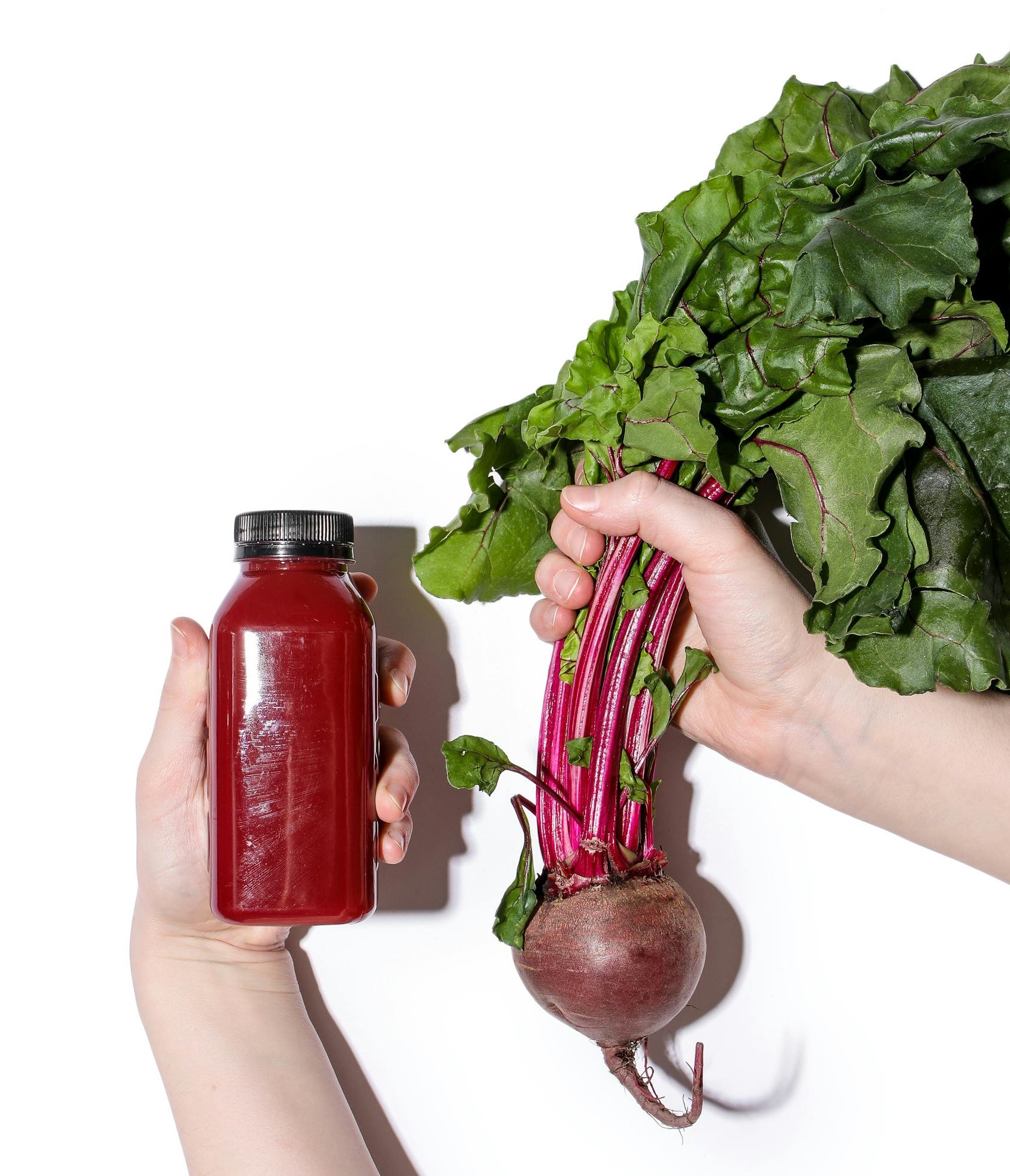
While reading more about beetroot juice, I came across research exploring its effect on exercise efficiency and oxygen use. In one well-known study, cyclists who drank beetroot juice over several days appeared to use oxygen more efficiently during exercise compared to when they drank a different juice.
In simple terms:
they were able to do the same physical work while feeling less fatigued.
Researchers themselves described the findings as surprising and worthy of further study, especially in the context of everyday fitness rather than elite athletic performance. What stood out to me was not the sports angle, but the broader implication — that a simple vegetable juice could influence how the body uses energy.
This lines up neatly with how beetroot has traditionally been viewed: not as a stimulant, but as a supportive, efficiency-enhancing food. It doesn’t push the body harder; it seems to help the body work a little smarter.
For anyone who exercises casually, feels easily depleted, or simply wants to feel less “drained” by daily movement, beetroot juice has earned its reputation as a quietly powerful addition to the diet.
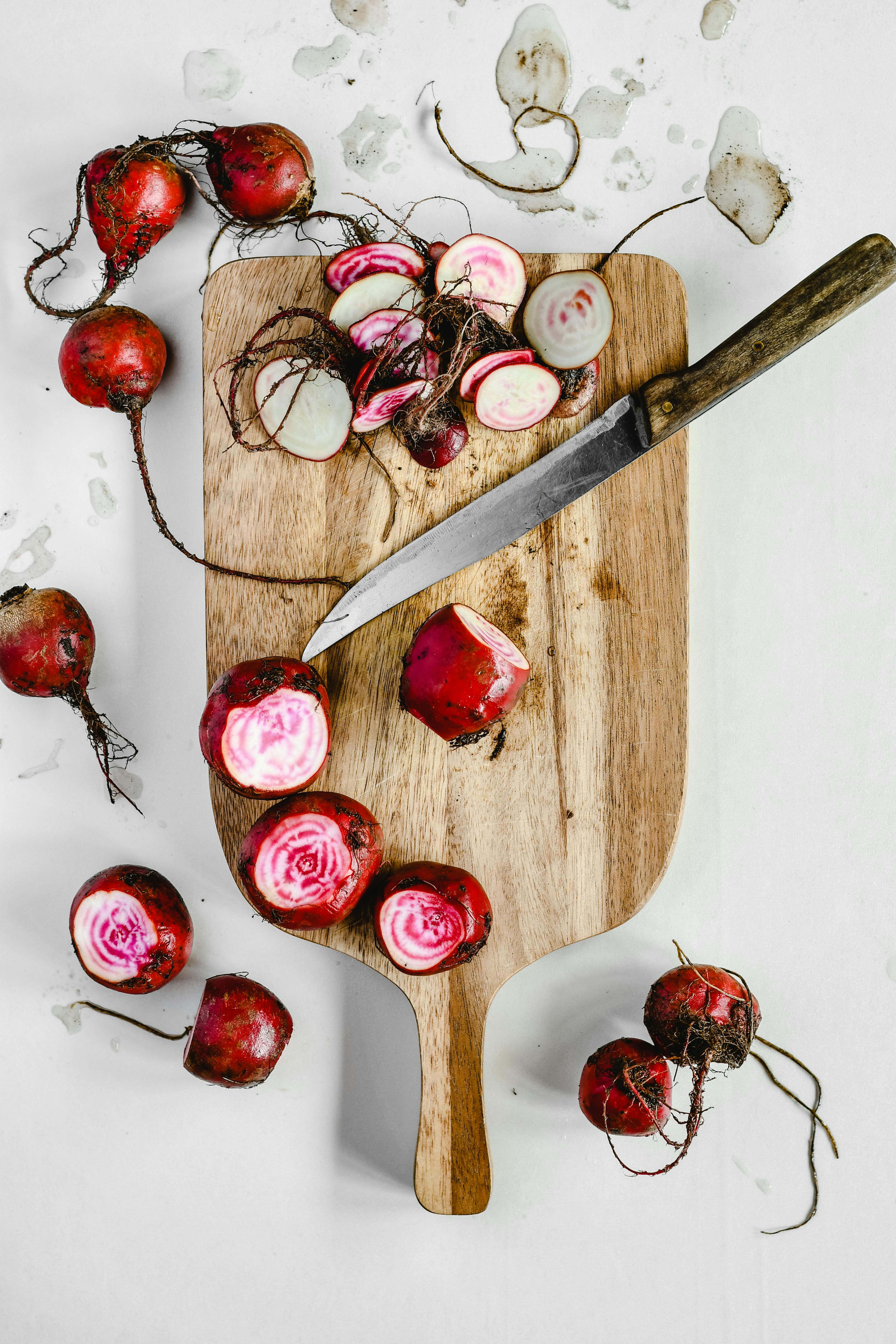
Easy Ways to Use Beetroot (Without Turning Your Kitchen Pink)
- Juice beetroot with apple and carrot
- Add beetroot powder to smoothies or fresh juice
- Grate raw beetroot into salads for crunch and colour
- Sprinkle beetroot powder into yogurt, oats, or baking
A little goes a long way — especially at first..
Choosing Good Beets (Yes, It Matters)
- Choose firm, smooth beets without wrinkles
- Round-bottomed beets tend to be sweeter
- If greens are attached, they signal freshness (remove before storing)
- Organic is preferable when possible
- Fresher beets = better flavour
If cooking beetroot, keep heat gentle and cooking time short to preserve nutrients and colour.
🌱 Growing Your Own Beetroot (There’s Something Grounding About It)

There’s something deeply grounding about growing your own beetroot. It’s one of those vegetables that asks very little and gives a lot in return. Anticipating those dark red bulbs slowly form beneath the soil creates a quiet sense of connection — not just to your food, but to the process itself.
When you grow beetroot yourself, you know exactly what went into the soil, what didn’t, and how gently it was handled from start to finish. Whether you keep things strictly organic or simply aim for fewer chemicals, home-grown beetroot carries a different kind of satisfaction. It’s earthy, honest food — pulled from the ground, rinsed clean, and used with intention.
Even if you only grow a few beets at a time, the experience changes how you relate to them — and how you value the juice you make from them.
Final Thoughts on Beetroot Juice
Beetroot juice doesn’t promise miracles and unfortunately it doesn’t taste like dessert.
What it does offer is depth, nourishment, and a long history of traditional use. It’s the kind of food that quietly earns its place in your routine — one glass at a time.
And yes… your hands may turn pink. That’s just part of the deal.
- From The Health Articles Collection
If you want tips on natural wellness, you can get them straight to your inbox.

Enter your email below and I’ll share new articles, reflections, and practical insights as they’re published.
Side Thoughts
Thanks for visiting here. If you'd like to stay in touch with our regular updates, then we'd love you to subscribe to our Detox-For-Life Newsletter.
We are a participant in the Amazon Services LLC Associates Program, an affiliate advertising program designed to provide a means for us to earn fees by linking to Amazon.com and affiliated sites.
NEWSLETTER
New pages, fresh perspectives, and practical detox-for-life insights are shared first with newsletter readers.
Recent Articles


-
Fennel Essential Oil: Aromatic and Soothing Oil with Health Benefits
Apr 14, 26 03:36 PM
 Fennel Essential Oil - Learn how this sweet, licorice-like oil supports digestion and everyday wellness.
 -
Beyond Curry: Turmeric Essential Oil - Benefits, Uses & Safety Guide
Mar 16, 26 07:19 AM
Explore Turmeric Essential Oil - Spice up your life with this golden oil. From adding a zesty kick to your morning smoothie to giving your skin a radiant glow -
Liver Cleanse Guide: Support Your Liver the Natural Way
Mar 03, 26 01:37 AM
 Discover how a gentle liver cleanse supports detox, digestion, metabolism, clear skin and steady energy using food, herbs and simple daily habits.