- Home
- colon detox
Colon Cleanse Advice
What It Is, Why People Do It, and Whether It’s Actually Necessary
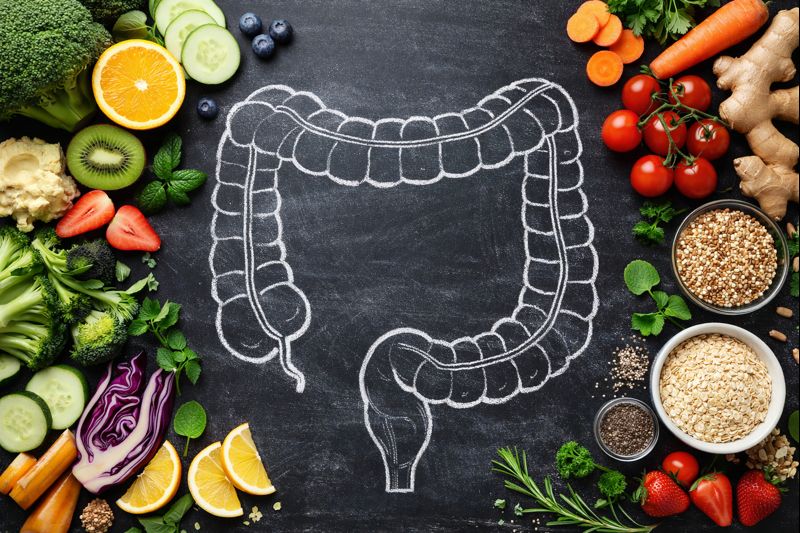
If the thought of a colon cleanse makes you grimace, you're not alone. Colon cleansing is one of those health topics that tends to provoke strong reactions. Some people swear by it. Others consider it unnecessary or even risky. Many people fall somewhere in the middle—curious, slightly uneasy, and unsure whether it’s something they should even be thinking about.
If you’ve ever wondered:
- What exactly is a colon cleanse?
- Why would someone deliberately “clean out” their bowel?
- Does it actually do anything useful?
- Is it safe, or could it make things worse?
- Are herbal options different from laxatives or colonics?
—you’re not alone.
This page is not here to persuade you to cleanse your colon. Its purpose is to explain what people mean when they talk about colon cleansing, why it exists as a practice, what options are commonly used, and how to think about it sensibly in the context of digestive health.
What Is a Colon Cleanse?
A colon cleanse (also called bowel cleansing or colon detox) refers to any method intended to encourage the emptying or “clearing” of the large intestine.
This can include:
- Increasing bowel movements
- Softening or hydrating stool
- Supporting regular elimination
- Temporarily reducing digestive load
Colon cleansing methods range from gentle dietary and herbal approaches to more mechanical or medical-style interventions. Some people use the term loosely to describe simply improving bowel regularity, while others mean a very specific protocol.
Because the term is broad, confusion is common—and so is disagreement.
Why Would Someone Want to Cleanse Their Colon?
From the outside, colon cleansing can sound extreme. After all, the bowel is designed to eliminate waste on its own. So why interfere?
People usually explore colon cleansing for one or more of these reasons:
- Persistent constipation or sluggish bowel movements
- Bloating, heaviness, or abdominal discomfort
- Feeling “backed up” despite eating reasonably well
- Changes in digestion after illness, stress, or medication
- Preparing for a fast or dietary reset
- Managing symptoms linked to digestive disorders
- Curiosity after hearing others describe feeling lighter or clearer
In many cases, it isn’t about “toxins” in a dramatic sense. It’s about movement, flow, and relief.
The Colon’s Role in Digestive Health
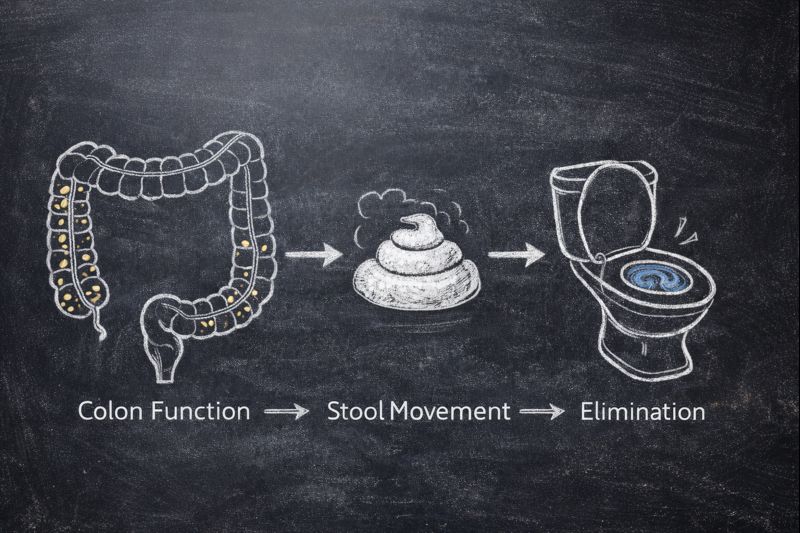
The colon (large intestine) is responsible for:
- Absorbing water and electrolytes
- Compacting waste material
- Hosting a large portion of the gut microbiome
- Eliminating waste from the body
When bowel movements are regular and complete, waste passes through efficiently. When they’re not, material can remain in the colon longer than intended.
This prolonged transit time is associated with:
- Hard, dry stools
- Increased gas and fermentation
- Bloating and discomfort
- A general feeling of heaviness or sluggishness
This is why constipation—rather than “toxins”—is usually the starting point for conversations about colon cleansing.
(For more depth, see: causes-of-constipation.)
Does Waste Sit in the Colon for Days or Weeks?

You may hear claims that people carry “seven days” or even “weeks” of waste in their colon. These statements can feel exaggerated.
However, slow transit constipation is real, and in some people stool can remain in the colon for extended periods, becoming increasingly dehydrated and compacted.
This doesn’t automatically mean disease—but it can affect comfort, gut balance, and overall digestive function.
Does a Colon Cleanse Actually Work?
That depends entirely on what you mean by “work.”
A colon cleanse will not:
- Cure disease
- Magically remove years of damage
- Replace long-term dietary and lifestyle habits
It may:
- Increase bowel movements temporarily
- Relieve short-term constipation
- Reduce bloating caused by stool retention
- Help some people feel lighter or less sluggish
For many people, the most noticeable effect is simply restored elimination—not detoxification in a mystical sense.

Is Colon Cleansing Safe?
Safety depends on:
- The method used
- Frequency
- Individual health conditions
- Whether it’s done gently or aggressively
Approaches that tend to be lower risk
- Increased water intake
- Dietary fiber from whole foods
- Mild herbal support used short-term
- Magnesium-rich foods or supplements (when appropriate)
Approaches that carry more risk:
- Frequent or aggressive laxative use
- Repeated enemas or colonics without supervision
- Extreme fasting combined with purging
- Cleanses used by people with inflammatory bowel disease without guidance
If you have conditions such as Crohn’s disease, ulcerative colitis, bowel obstruction, or unexplained abdominal pain, colon cleansing should never be approached casually.
(See also: crohns-disease.)
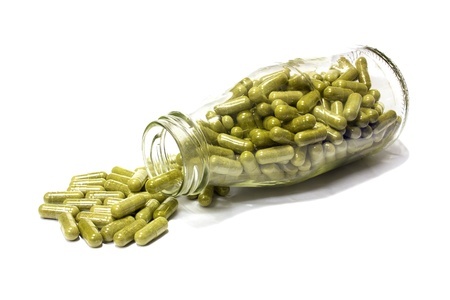
Herbal Colon Cleanses: How Are They Different?
Herbal colon cleanses typically aim to support bowel function rather than force evacuation.
They may include herbs that:
- Encourage gentle peristalsis
- Support bile flow
- Soothe intestinal tissue
- Help regulate stool consistency
Some formulas also overlap with parasite cleanse protocols, though this is a separate and often misunderstood topic.
Herbal approaches tend to be used:
- Short-term
- Cyclically rather than continuously
- Alongside hydration and diet changes
They are not automatically safe just because they’re “natural,” but they are often gentler than stimulant laxatives when used responsibly.
Are Laxatives the Same as a Colon Cleanse?
Not really. Laxatives are designed to produce a bowel movement, often by:
- Drawing water into the stool
- Stimulating intestinal contractions
- Lubricating stool passage
They can be useful short-term, but frequent use may:
- Reduce natural bowel responsiveness
- Lead to dependency
- Mask underlying digestive issues
A colon cleanse—particularly a dietary or herbal one—is usually framed as supportive rather than forceful, though the line can blur depending on the product.
What About Colonic Irrigation?
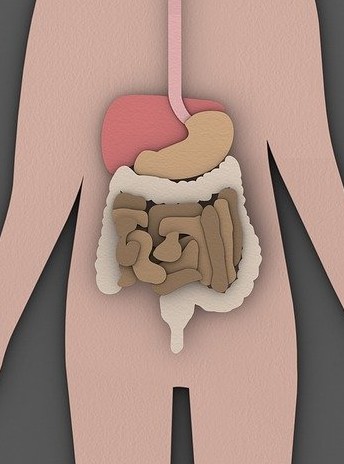
Colonic irrigation (also called colon hydrotherapy) involves flushing the colon with water via the rectum, typically under professional supervision.
Some people report:
- Immediate relief from bloating
- A sense of lightness or clarity
Others experience:
- Cramping
- Electrolyte imbalance
- Discomfort or irritation
This method is more invasive and not necessary for most people. It’s usually explored only after other options—or out of curiosity.
(See: colonic-irrigation.)
What Do People Hope to Achieve With a Colon Cleanse?
Most people aren’t chasing perfection. They’re hoping for:
- Easier bowel movements
- Less bloating
- Reduced digestive discomfort
- A sense of reset after dietary excess
- Improved connection to their body’s signals
Sometimes, the biggest benefit isn’t physical—it’s awareness. Paying attention to digestion often highlights habits that need adjustment.
Who Should Be Cautious or Avoid Colon Cleansing?
Colon cleansing is not appropriate for everyone, especially without professional guidance.
Extra caution is needed if you:
- Have inflammatory bowel disease
- Experience unexplained bleeding
- Have had recent abdominal surgery
- Are pregnant
- Have chronic diarrhea rather than constipation
In these cases, improving digestive health usually starts with stabilisation, nourishment, and gentle support, not cleansing.
A More Sustainable View of Colon Health
Rather than thinking in terms of “cleansing,” many people benefit more from:
- Adequate hydration
- Consistent fiber intake from whole foods
- Regular meal timing
- Stress management
- Supporting the gut microbiome
- Addressing root causes of constipation
A colon cleanse, if used at all, works best as a temporary tool—not a lifestyle.
(See also: digestive-health-problems.)
Final Thoughts
Colon cleansing sits at the intersection of tradition, modern wellness culture, and genuine digestive discomfort. It’s neither a miracle cure nor inherently dangerous—it’s a tool that needs context.
Understanding why people consider it, what it can and cannot do, and how it fits into overall digestive health allows you to make informed decisions without fear or hype.
If nothing else, curiosity about colon cleansing often points to something worth paying attention to: how well your digestive system is actually functioning day to day.
 The Benefits of Activated Charcoal now extend beyond water filtration. Find out how to incorporate this detox powder into you lifestyle. |
If you want tips on natural wellness, you can get them straight to your inbox.

Enter your email below and I’ll share new articles, reflections, and practical insights as they’re published.
Side Thoughts
Thanks for visiting here. If you'd like to stay in touch with our regular updates, then we'd love you to subscribe to our Detox-For-Life Newsletter.
We are a participant in the Amazon Services LLC Associates Program, an affiliate advertising program designed to provide a means for us to earn fees by linking to Amazon.com and affiliated sites.
NEWSLETTER
New pages, fresh perspectives, and practical detox-for-life insights are shared first with newsletter readers.
Recent Articles


-
Fennel Essential Oil: Aromatic and Soothing Oil with Health Benefits
Apr 14, 26 03:36 PM
 Fennel Essential Oil - Learn how this sweet, licorice-like oil supports digestion and everyday wellness.
 -
Beyond Curry: Turmeric Essential Oil - Benefits, Uses & Safety Guide
Mar 16, 26 07:19 AM
Explore Turmeric Essential Oil - Spice up your life with this golden oil. From adding a zesty kick to your morning smoothie to giving your skin a radiant glow -
Liver Cleanse Guide: Support Your Liver the Natural Way
Mar 03, 26 01:37 AM
 Discover how a gentle liver cleanse supports detox, digestion, metabolism, clear skin and steady energy using food, herbs and simple daily habits.