Nicotine Detox Guide
Tips To Achieving Lifelong Benefits of Quitting Smoking
Last updated : - December 2025
If you are considering a Nicotine Detox, it helps to decide whether your goal is to quit smoking completely or simply give your body a 7-day cleanse. The good news is that nicotine leaves the body fairly quickly. Within the first 72 hours of being nicotine-free, most nicotine and its by-products have already been processed out, and withdrawal symptoms often reach their highest point before gradually easing — a bit like your body throwing a dramatic farewell party before calming down again.
For many people, the first three days are the toughest physically. After about 10–14 days, most of the common nicotine-related symptoms have reduced significantly. Nicotine detox doesn’t usually get the same spotlight as quitting smoking itself, but the two are closely connected.
Nicotine Side effects
Why Nicotine Feels Calming
Nicotine is a stimulant that causes us to temporarily feel good or energized. If you are depressed, it can provide a short boost.
If you have ever smoked you would clearly remember that initial rush that hit you when you first started smoking. It also causes the release of natural chemicals in our brain called beta-endorphins.
These chemicals cause us to feel more alert and calm. The problem is that nicotine is not stored in the body, so we have to get more and more nicotine to experience these affects.
From the information that is available, nicotine does not present any great health risk in itself, its more the most common method of transfer, smoking, that causes the health problems.

Your Smoking Environment
Conditioned Triggers to Watch For
Something to be aware of, as nicotine and cigarette smoking are synonymous, so are the physical and psychological aspects of smoking. Consider this, nowadays smokers have their own special areas of smoking. An example of this would be office workers heading to the office balcony for a cigarette 'break'.
This psychological attachment to having a break from the pressures of work and relaxing is now attached to the practice of smoking. In fact, one of the major goals of any drug detox treatment is to teach addicts how to deal with the cravings caused by inevitable exposure to these conditioned cues.
More often than not its the environment that we are in that conditions our response to quitting smoking. And not the smoking itself. That's why breaking bad habits can be so difficult.
From the research of this author it is this last factor where the battle really takes place. From a physical standpoint 3 days is the length of time that is needed to crest the wave of physical craving of nicotine.
If done in a controlled environment with the support of others this hurdle can be overcome. Once that has been achieved it is the lifestyle changes that need to be made to help keep you from relapsing into smoking again or continuing to apply nicotine patches or chewing nicotine gum.
Nicotine Detox - How To Prepare
Remember this a drug and you body has been conditioned to expect and 'need' nicotine. So how do I prepare for the detox:

1. Pick Your Detox Start Date
- Choose a date 2–4 weeks from now so you can prepare mentally and practically.
- If possible, time it with a natural break in routine — for example, a holiday, long weekend, or a period with less stress at work or home.
2. List Your Personal Reasons for Detoxing
- Know your why.
Write down the reasons you want to detox from nicotine.
Keep this list somewhere visible so you can refer to it when cravings appear.
3. Track Your Smoking or Nicotine Patterns
-
For about a week, observe when, where, and why you smoke or use nicotine patches/gum.
This helps you predict when cravings will hit and plan healthier alternatives.
4. Plan Your Craving Replacements
- Decide ahead of time what you will do instead of smoking during those high-risk moments.
- Also think about what you’ll say if someone offers you a cigarette or pressures you to smoke.
5. Clear Out Smoking Triggers
Throw away:
- lighters
- ashtrays
- anything associated with your smoking habit
If you’ve smoked in your room or car, clean the area to remove lingering smells and cues. Natural essential oils—like lemon, tea tree, eucalyptus, peppermint, or lavender— are useful to freshen the air and help clear out stale odours. A few drops in a diffuser or a DIY spray can make the space feel clean and different, which helps break old smoking associations.
6. Tell People You Trust
- Let friends, family, or co-workers know that you’re doing a detox. Ask them not to smoke around you or pressure you.
- Find activities you can do together that don’t involve smoking.
7. Reward Yourself Daily

When your chosen start date arrives, begin fully and confidently. Plan small daily rewards — like a new shirt, a treat, or a movie with a friend — to celebrate your nicotine-free progress. These rewards help your brain create new, positive pathways and encourage dopamine release in healthy ways, making it easier over time to enjoy life without nicotine.
Small, simple rewards can be surprisingly effective and many don’t have to cost anything. Examples include:
- Treating yourself to a favourite snack or a special cup of tea/coffee
- Taking a relaxing bath or shower with your favourite scents
- Going for a short walk outside and enjoying nature
- Listening to a favourite song, podcast, or audiobook
- Spending a few minutes journaling or doodling
- Watching a funny or inspiring video
- Doing a quick stretch or gentle yoga session
- Buying a small, inexpensive treat like a notebook, candle, or hand lotion.
The key is to consciously notice and celebrate your nicotine-free moments — this helps reinforce new habits and makes the detox process more enjoyable.
8. Consider Natural Support Options
This page may contain affiliate links. Purchases may support this website through a small commission at no extra cost to you.
- Many people find herbal teas, calming techniques, or gentle homeopathic or essential-oil support helpful for managing cravings and withdrawal discomfort.
Choose tools that help you stay relaxed and focused during your detox period.
🌿 Optional Support:
Some people find extra support during a nicotine detox
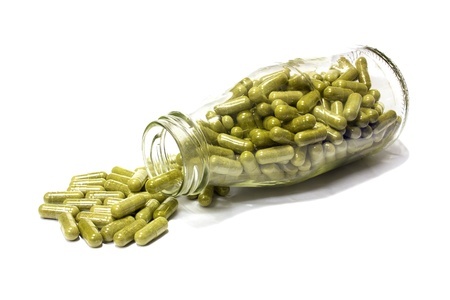
- N-Acetyl Cysteine (NAC) with adaptogens like Ashwagandha and Rhodiola. This combination is often used to help with craving control, mood, focus, and stress relief. Check it out Nicotine Detox here on Amazon
- L-theanine, a naturally occurring amino acid found in green tea, during a nicotine detox. It’s commonly used to support a sense of calm and relaxed focus, which can feel especially helpful when irritability, restlessness, or stress show up during cravings.Early research suggests L-theanine may help take the edge off anxiety-type symptoms and support the nervous system during habit change. While it isn’t a cure and research is still emerging, many people include it as part of a broader, supportive routine rather than relying on willpower alone.👉 You can explore L-theanine options here on Amazon
Nicotine Withdrawal Symptoms - What To Expect
Don't be surprised when your body voices its displeasure with the detox plan. The Common Nicotine Withdrawal symptoms include:
- An intense craving for nicotine
- Tension
- Irritability
- Headaches
- Difficulty in concentrating
- Drowsiness but trouble sleeping
- Increased appetite and weight gain.
A milder form of nicotine withdrawal, involving some or all of these symptoms, can occur when a smoker switches from regular to low-nicotine cigarettes or significantly cuts down on the number of cigarettes smoked.
For more detail see our Nicotine Withdrawal Symptoms page.
Nicotine Detox - How Long Should It Last?
As mentioned earlier, the intensity of physical nicotine cravings usually begins to ease after the first three days. For many people, allowing a period of around two weeks gives the body enough time to adjust to functioning without nicotine.
The psychological side of detox often unfolds more gradually. Habits, routines, and emotional triggers can take longer to shift, and this process is highly individual. Patience, awareness, and small daily choices play an important role in supporting long-term change.
Nicotine Detox - Celebrate a New Beginning
Every step away from nicotine is a step toward greater awareness and choice. There is no single “right” way to approach nicotine detox — only the way that works best for you. Go at your own pace, and allow this detox to be a supportive beginning rather than a test of willpower.
With time, consistency, and self-compassion, the process becomes less about deprivation and more about empowerment.
If you want tips on natural wellness, you can get them straight to your inbox.

Enter your email below and I’ll share new articles, reflections, and practical insights as they’re published.
Side Thoughts
Thanks for visiting here. If you'd like to stay in touch with our regular updates, then we'd love you to subscribe to our Detox-For-Life Newsletter.
We are a participant in the Amazon Services LLC Associates Program, an affiliate advertising program designed to provide a means for us to earn fees by linking to Amazon.com and affiliated sites.
NEWSLETTER
New pages, fresh perspectives, and practical detox-for-life insights are shared first with newsletter readers.
Recent Articles


-
Fennel Essential Oil: Aromatic and Soothing Oil with Health Benefits
Apr 14, 26 03:36 PM
 Fennel Essential Oil - Learn how this sweet, licorice-like oil supports digestion and everyday wellness.
 -
Beyond Curry: Turmeric Essential Oil - Benefits, Uses & Safety Guide
Mar 16, 26 07:19 AM
Explore Turmeric Essential Oil - Spice up your life with this golden oil. From adding a zesty kick to your morning smoothie to giving your skin a radiant glow -
Liver Cleanse Guide: Support Your Liver the Natural Way
Mar 03, 26 01:37 AM
 Discover how a gentle liver cleanse supports detox, digestion, metabolism, clear skin and steady energy using food, herbs and simple daily habits.