What Are Essential Oils?
- Home
- What Are Essential Oils?
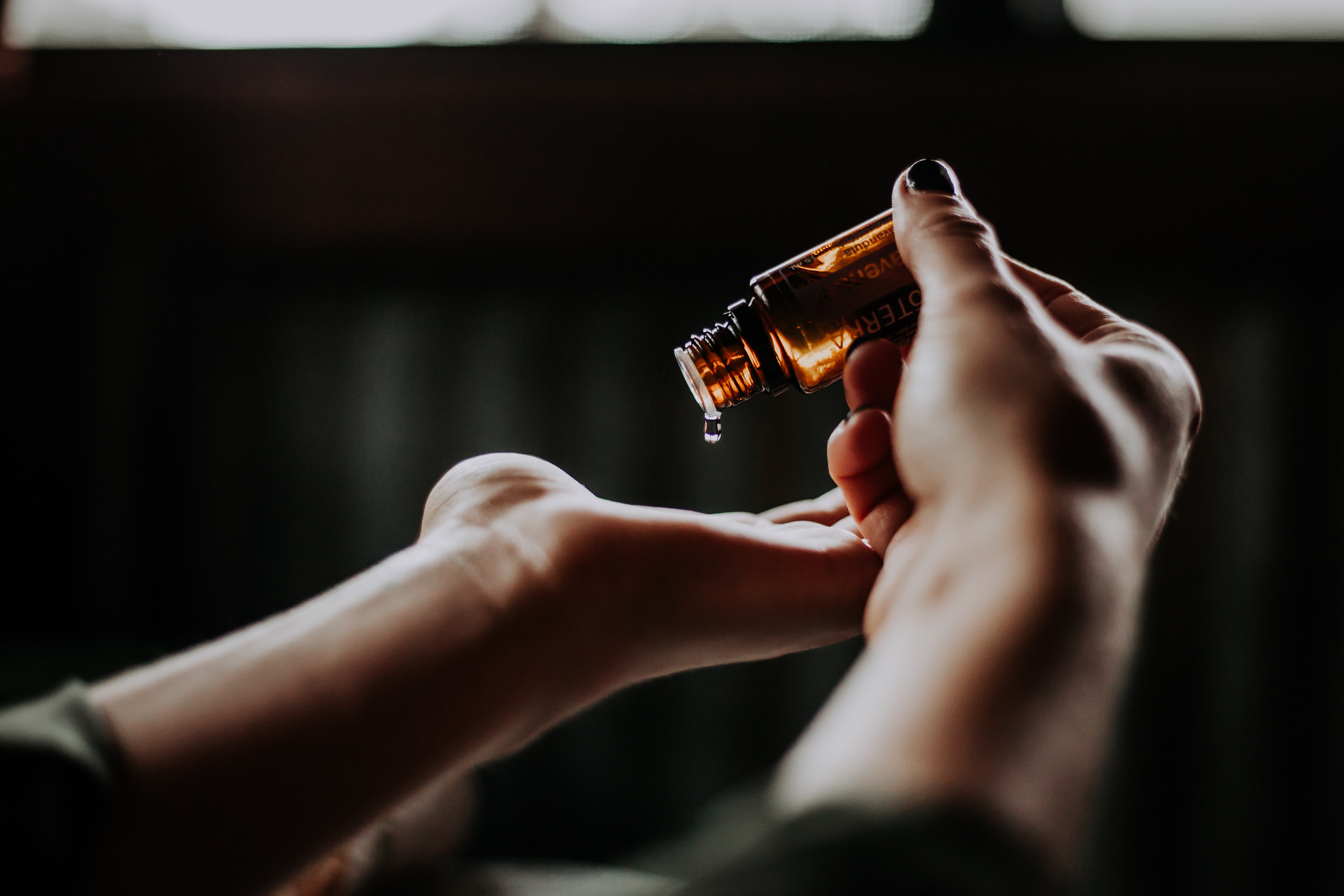
It's been said that if you've smelled a rose, you’ve experienced an essential oil. Have you ever wondered what are essential oils and why so many people swear by them? we could all benefit from spending more time smelling actual roses (very good for the nervous system, by the way), but let’s take a moment to uncover what essential oils actually are. They’re the concentrated essence of a plant — its personality, its protective chemistry, its aromatic signature and therapeutic properties. — carefully distilled and bottled so we can use it in our homes and daily routines. In this article we’ll explore what are essential oils used for, how they’re made, and why they have become such a popular part of natural-living routines.
🌿 It's like a gift from nature! 🌿
These aromatic compounds have been used for centuries for their emotional, household, and sometimes therapeutic benefits. Plants are full of powerful chemical constituents tucked away in their roots, bark, flowers, seeds, and leaves — and essential oils are how we access those compounds. They give plants their fragrance, help protect them from environmental threats, and even assist with pollination. (Imagine being so useful that bees show up because you smell good!)
So, when we use essential oils in our homes, we're actually bringing the power of nature indoors and reaping all the benefits that plants have to offer.
Essential oils can be found in a variety of forms, such as tinctures, infusions, creams and lotions, baths salts or inhalation blends. Some users believe they miracle potions and there is a growing body of research showing that some essential oils contain compounds that may help reduce stress, support better sleep, assist clearer breathing, or simply create a calmer atmosphere at home.
Directory of Essential Oils
Below is a little directory of some well-loved essential oils — think of it as a friendly cheat sheet to help you explore. Each one has its own personality, benefits, and “superpower.”
Popular citrus oil Bergamot Essential Oil. Famous for it's use in Earl Grey Tea.
Cedarwood Essential Oil - say goodbye to stress with this soothing scent. Health benefits from skin to scalp and a good night's sleep.
Clary sage essential oil is valued for its warm, herbaceous aroma and its long-standing association with emotional balance, clarity, and gentle nervous system support.
Clove Essential Oil - The multi-tasking wonder oil to spice up your life and relieve tooth ache
Eucalyptus Essential Oil - A Natural Remedy for Respiratory Health as well as Soothing Aches and Boosting Focus.
Discover the Timeless Benefits of Frankincense Oil Essential: From Ancient Times to today.
Zesty Magic - Grapefruit Essential Oil - peel back the benefits for refreshing of Mind, Body and Spirit.
Geranium Essential Oil - helps you get glowing. From stress relief to beautiful hair and skin.
Helichrysum Essential Oil - The golden flower that heals. From bruises to beauty helichrysum helps reduce inflammation and improve skin health.
The oil of sunshine. Learn all about Lemon essential oil and how its bright citrusy notes are invigorating and uplifting.
Lemongrass Essential Oil - A refreshing and invigorating aroma for your home and body.
Marjoram essential oil - offers gentle support for relaxation and comfort. Discover its history, aroma, uses, and safe application.
Melissa Essential Oil - also known as Lemon balm, this oil calms, refreshes, sooths the skin and adds flavor to your food too.
Discover Neroli Essential Oil, known for its sweet and floral aroma, used in many perfumes, cosmetics and therapeutic products.
Oregano Essential Oil - a powerful oil valued for its strength, history, and careful application.
Patchouli Essential Oil - rich aroma and is prized for its therapeutic properties in aromatherapy and natural medicine.
Roman Chamomile Essential Oil - is often described as an “oil of calm,” appreciated for its subtle, steady nature and its supportive role in relaxation-focused blends.
Rosemary Essential Oil - From aromatherapy to culinary delight. Discover the ancient history and modern applications of this superb oil.
Sandalwood Essential Oil has numerous health benefits due to its anti-inflammatory, anti-anxiety, and antiseptic properties.
Essential Oil Spotlight: Tea Tree Oil and Its Surprising Benefits From Acne to Wound Healing.
Thyme Essential Oil - Thyme to Unwind: Relax and Rejuvenate with Thyme Essential Oil
The Secret to Zen-like Relaxation: Vetiver Essential Oil
Wild Orange Essential Oil has a zesty and tangy aroma that is both energizing and uplifting, making it a popular choice for aromatherapy and home fragrance products.
Yarrow Essential Oil is anti-inflammatory and antimicrobial for acne, eczema and psoriasis. Also astringent properties to tighten skin and reduce wrinkles.
Ylang Ylang Essential Oil - from perfume to antioxidant support, this versatile oil is calming and lifting.
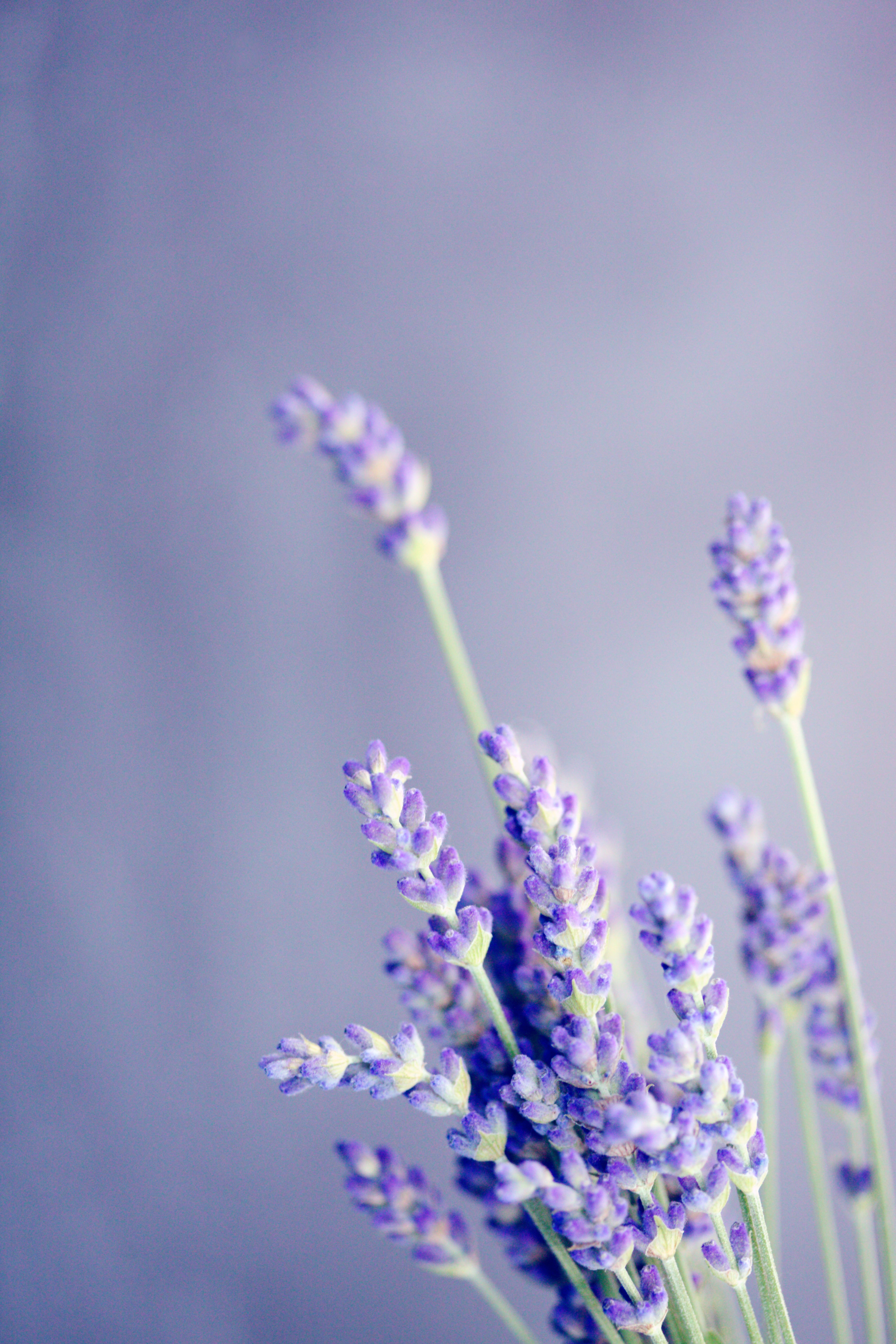
The Versatile Benefits of Lavender Essential Oil: From Relaxation to Skin Care

What Are Essential Oils?
Let’s Look at Their Chemical Constituents
Terpenes – The aroma-makers. Think limonene, pinene, and terpinene.
Phenols – Naturally antibacterial and antifungal.
Alcohols – Floral notes like linalool and geraniol.
Ketones – Cooling compounds such as camphor and menthone.
Esters – Fruity, calming, often found in cosmetic blends.
Oxides – Like 1,8-cineole (eucalyptol), great for that fresh, clear scent.
Sesquiterpenes – Woody, earthy, grounding tones.
The exact composition varies depending on the plant species, where it was grown, the climate, harvesting methods, and the extraction process. It’s botanically complex — but all you really need to know is this: different plants = different chemistry = different benefits.
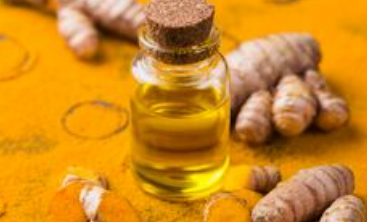
Turmeric essential oil has a warm, spicy, and earthy aroma with hints of wood and citrus. Its scent is similar to that of fresh turmeric root, with a slightly more intense and concentrated aroma.
A Bit of "Essential" History
While essential oils feel very “modern wellness,” humans have been using plant extracts for thousands of years. Ancient cultures incorporated them into beauty routines, rituals, daily care, cooking, and spiritual ceremonies. They weren’t called “essential oils” yet — but the concept was the same: using the power of plants to support daily life.
Today, we pair ancient wisdom with modern research. More studies are emerging that support safe, effective uses for essential oils in everything from cleaning and cooking to calm, sleep, and emotional well-being. And they help reduce reliance on synthetic fragrances and chemical-heavy products — which many people are actively avoiding.
What Are Essential Oils Good For?
- Oral health - cloves and tea tree
- Skin ailments and blemishes
- Support digestion - peppermint, ginger, fennel
- Encourage hair growth - Essential Oils For Hair Growth - is like giving your hair a daily green smoothie, but without the questionable chunks.
- Purify the air
- Create a sense of atmosphere
- Clear airways and ease breathing/ respiratory issues
- Improve the quality of sleep and help fall asleep more quickly
Why Are Essential Oils Effective?
Essential oils are effective because they offer a range of unique benefits. Some, like Copaiba Essential Oil, have calming and grounding properties. Others are invigorating, refreshing, or clarifying. With such a huge range available, you can tailor your essential oil routine to exactly what you need instead of relying on generic, one-size-fits-all products.
And because one bottle can do multiple things, essential oils often replace several other household or personal-care items. Handy for the cupboard, the budget, and the planet.
Essential oils aren’t just “nice to have.” They are practical, natural tools you can use to support everyday challenges — emotional, environmental, physical, or simply atmospheric.

A Gentle Closing Thought
Our difficult and very urgent task is to accept the truth that nature is not primarily a property to be possessed, but a gift to be received with admiration and gratitude. Only when we make a deep bow to the rivers, oceans, hills, and mountains that offer us a home, only then can they become transparent and reveal to us their real meaning. ~ Henri Nouwen
If you want tips on natural wellness, you can get them straight to your inbox.

Enter your email below and I’ll share new articles, reflections, and practical insights as they’re published.
Side Thoughts
Thanks for visiting here. If you'd like to stay in touch with our regular updates, then we'd love you to subscribe to our Detox-For-Life Newsletter.
We are a participant in the Amazon Services LLC Associates Program, an affiliate advertising program designed to provide a means for us to earn fees by linking to Amazon.com and affiliated sites.
NEWSLETTER
New pages, fresh perspectives, and practical detox-for-life insights are shared first with newsletter readers.
Recent Articles


-
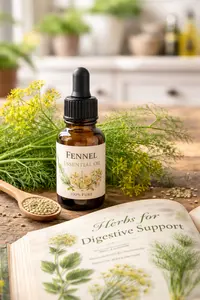
Fennel Essential Oil: Aromatic and Soothing Oil with Health Benefits
Apr 14, 26 03:36 PM
 Fennel Essential Oil - Learn how this sweet, licorice-like oil supports digestion and everyday wellness.
 -
Beyond Curry: Turmeric Essential Oil - Benefits, Uses & Safety Guide
Mar 16, 26 07:19 AM
Explore Turmeric Essential Oil - Spice up your life with this golden oil. From adding a zesty kick to your morning smoothie to giving your skin a radiant glow -
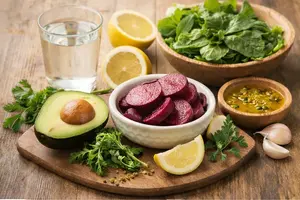
Liver Cleanse Guide: Support Your Liver the Natural Way
Mar 03, 26 01:37 AM
 Discover how a gentle liver cleanse supports detox, digestion, metabolism, clear skin and steady energy using food, herbs and simple daily habits.