Aloe Vera Juice Benefits
What This Ancient Plant Can Do for Your Health
I discovered the phenomenal Aloe Vera Juice benefits when I began drinking it to improve my digestive system health. I had primarily associated Aloe Vera with soothing sunburn, or shampoo ingredients, face wash and other skin care treatments.
But taken internally, Aloe Vera has a long history of use — thousands of years, in fact — especially for digestion and general wellness.
Below you’ll find an easy-to-read guide to the most commonly discussed benefits of Aloe Vera juice, the compounds that make it unique, and how to use it safely.
Key Aloe Vera Juice Benefits
1. Digestive Support
Many people use Aloe Vera juice to support digestive comfort, especially when dealing with issues such as IBS (Irritable Bowel Syndrome), colitis, diverticulitis, or Crohn’s-related discomfort. Its natural gel-like compounds can contribute to a calmer, more balanced digestive environment.
Aloe Vera juice is particularly known for:
- supporting healthy digestion
- its gentle detoxifying effect
- helping the body clear waste more efficiently
- calming support for stomach ulcers
While it’s not a cure-all, many people report feeling benefits within a few days to a few weeks of regular use.

2. Natural Vitamins & Minerals
Aloe Vera contains small amounts of vitamins C and E, folate, and minerals like calcium, zinc, and magnesium — all of which contribute to overall wellness. While not a primary source of nutrition, Aloe juice can offer a mild nutritional boost.
3. Traditional Immune Support
Aloe Vera contains naturally occurring plant compounds that may support the body’s natural defenses. While research is ongoing, Aloe has long been used in traditional systems of wellness for general immune support.
4. Natural Anti-Inflammatory Properties
Aloe Vera is rich in compounds such as lupeol, salicylic acid, and plant sterols, all of which have recognized soothing properties. Many people use Aloe Vera juice internally for whole-body support, especially when looking for something gentle.
5. Blood Sugar & Energy Support (Traditional Use)
Some people use Aloe Vera juice as part of their wellness routine for balanced energy levels or healthy blood sugar support. Research is mixed and ongoing — so it’s important to view Aloe Vera as a supportive supplement rather than a treatment.

Aloe Vera as Support During Cancer Treatment (Complementary Use)
Aloe Vera is sometimes used as a complementary wellness support alongside conventional cancer treatment — not as a cure or treatment on its own. While research is still developing, some people and healthcare providers use Aloe Vera gel or juice to help with certain treatment-related side effects, such as:
-
Mouth discomfort (mucositis):
Aloe gel (not the latex) is sometimes used as a gentle rinse to soothe the mouth during chemotherapy or radiation, although recommendations vary by doctor. -
Skin irritation from radiation therapy:
Topical Aloe Vera gel is commonly used to cool and moisturize the skin. Many patients report relief from dryness or irritation, and some cancer centers include Aloe as part of after-care instructions. -
General digestive comfort and hydration:
Some people use Aloe Vera juice to support digestion and hydration during treatment, especially when nausea or appetite changes occur.
Important:
Aloe Vera should only be used with approval from a doctor, because certain forms of Aloe — especially whole-leaf or latex — may not be appropriate for everyone going through treatment.
Can You Add Aloe Vera Pulp To a Smoothie?
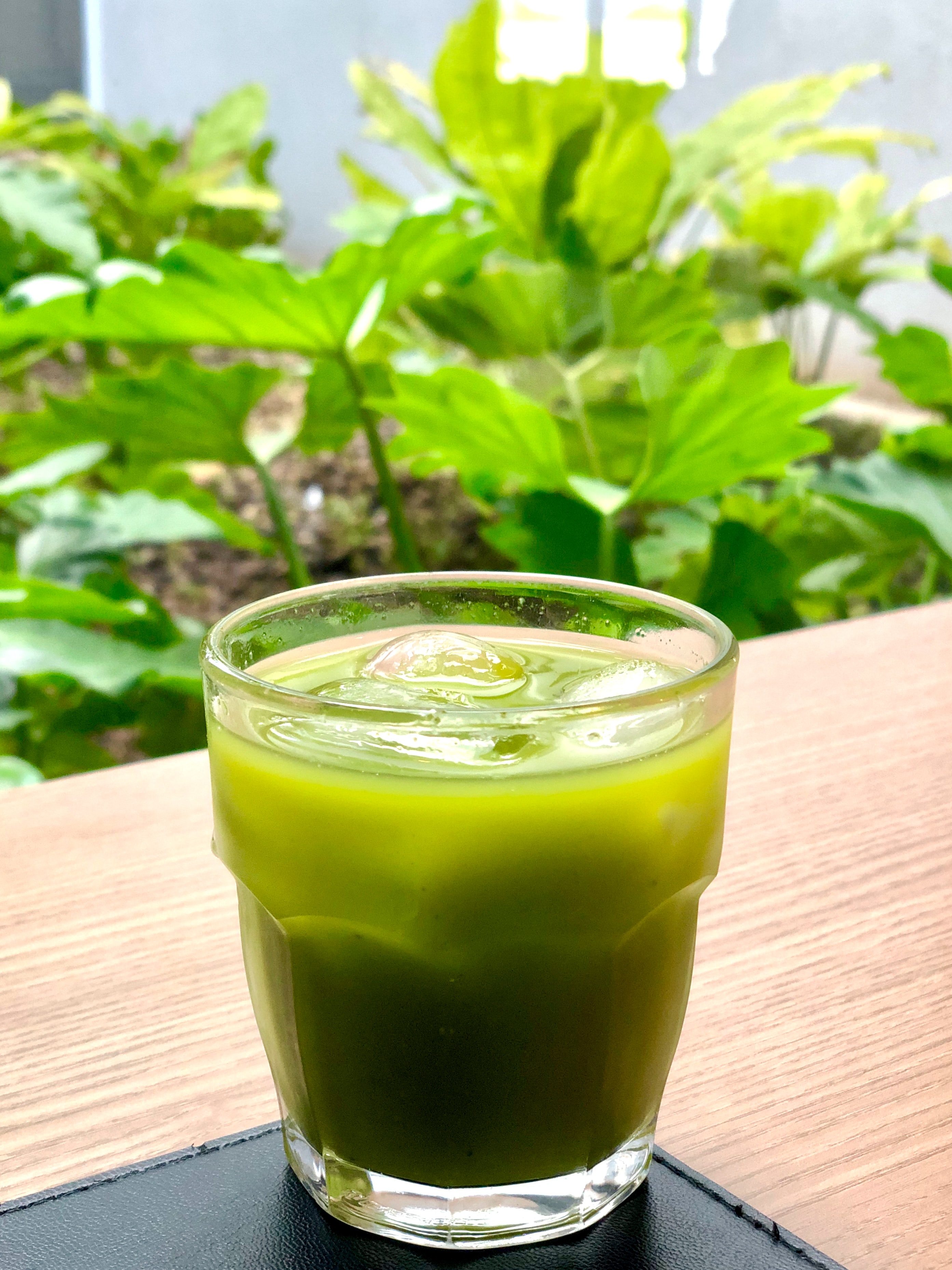
Yes, you can add fresh Aloe Vera gel to a smoothie! It blends well and gives a silky texture. Just follow these steps:
- Wash the leaf.
- Slice off the spiky edges.
- Remove the green outer skin.
- Scoop out the clear inner gel.
- Rinse the gel to remove any trace of the yellow latex (the bitter sap).
- Use only a tablespoon or two to start.
It’s mild, refreshing, and a fun way to add a natural wellness boost to smoothies.
However, it's important to note that aloe vera contains aloin, a laxative compound which can cause stomach cramps and diarrhea if consumed in large amounts. It is best to use small amounts of aloe vera pulp, and always to check with a healthcare professional before adding any new supplement to your diet.
It's also important to clean the aloe vera plant properly before using it. The aloe vera leaf should be washed and then cut open to remove the gel-like substance inside. You can then blend this gel into your smoothie. Some people prefer to remove the green outer layer of the leaf, as it can have a bitter taste.
Additionally, if you are pregnant, breastfeeding, or taking any medications, it is always best to consult with a healthcare professional before consuming aloe vera.

How Does Aloe Vera Juice Work?
Aloe Vera has been used for thousands of years because of its naturally soothing and supportive properties. While research is still evolving, the plant contains a unique combination of compounds that may help explain why so many people use it for digestion, immune support, and overall wellness.
Here are some of the key naturally occurring components found in Aloe Vera:Plant Compounds with Soothing and Supportive PropertiesOther Notable ConstituentsA Gentle, Gradual Supporter
- Cinnamic acid: Studied for its antimicrobial qualities and its traditional use in supporting a healthy internal environment.
- Lupeol: A naturally occurring compound known for its calming and soothing effects.
- Salicylic acid: Commonly recognised for its gentle cleansing and tissue-soothing properties.
- Phenolic compounds: Naturally present substances that contribute to Aloe’s comfort-supporting effects.
- Polysaccharides: Long-chain sugars believed to support tissue hydration, soothing the gut lining and contributing to Aloe’s gel-like texture.
- Anthraquinones: Compounds with a known laxative effect. Most commercial Aloe juices remove these, but they can be present in homemade preparations.
- Enzymes: Including lipase and bradykinase, which are associated with digestive support and natural soothing processes.
- Vitamins & minerals: Small amounts of vitamin C, vitamin E, folate, calcium, zinc, magnesium and more.
- Plant sterols: Thought to help support healthy inflammatory responses.
Rather than acting like a strong medication, Aloe Vera tends to work slowly and gently, which is why consistency matters. Many people describe Aloe as something that “helps the body help itself,” supporting natural processes like digestion, hydration, and overall wellness.
Is Aloe Vera Juice Safe?
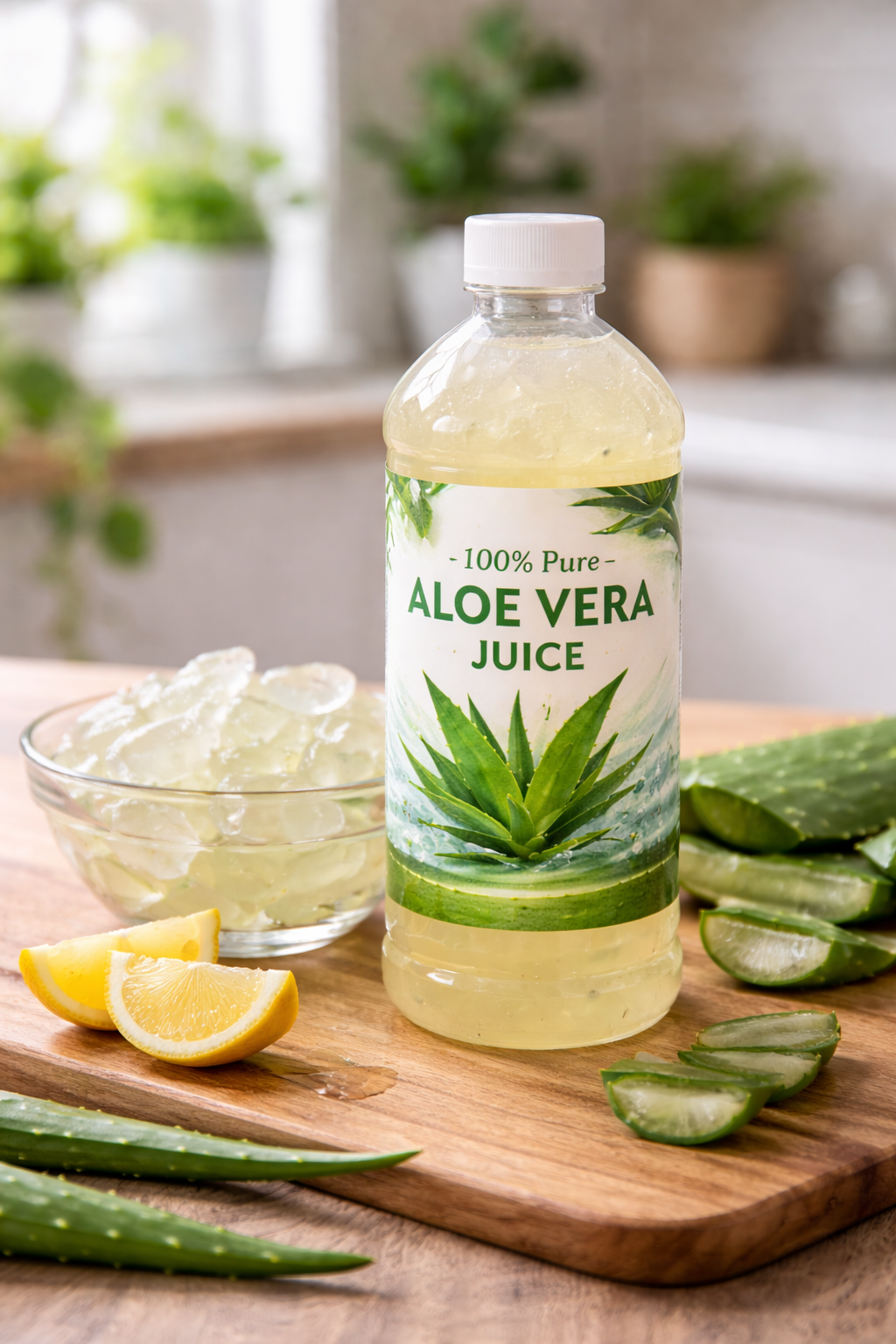
Most people tolerate Aloe Vera well when used correctly, but there are a few considerations:
- The yellow latex found just under the leaf skin contains aloin, which has a strong laxative effect. Most commercial juices remove it, but homemade gel should be washed carefully.
- Too much Aloe can cause cramping or loose stools.
- Anyone pregnant, breastfeeding, or taking medication should check with a healthcare professional first.
- Aloe should be used as a supplement — not a replacement for medical care.
Be warned though, taking aloe certainly isn’t a magic cure. It won’t reverse your disease after drinking one glass of aloe vera juice. It needs to be used regularly with possible lifestyle or dietary changes depending on your situation. Most people report positive results in 3 - 30 days, depending on the condition. The best part about the health benefits of Aloe Vera juice is that it is completely natural.
Experiencing Aloe Vera juice benefits are usually gradual and gentle. It's important to note that some studies suggest that oral consumption of aloe vera juice may have side effects. It's always best to consult with a healthcare professional before adding any new supplement to your diet.
Choosing Good Quality Aloe Vera Juice
This part is important:- not all Aloe Vera juice is created equal.
Many store-bought products contain very low levels of real Aloe Vera. If you want the benefits from the most potent form, you can:
- Harvest your own Aloe Vera leaf, or
- Choose products that state Aloe Vera gel (inner leaf) with minimal fillers
Avoid juices with artificial colors, preservatives, or added sugar.
Safety Advice - Aloe Vera Juice Benefits
A gentle reminder: Aloe Vera is a beautiful natural plant, and I'm all about choosing the natural route as often as possible. The scientific research on drinking Aloe Vera juice benefits for specific ailments is still unfolding. So if you’re thinking of starting to sip it for health issue, it’s a good idea to have a chat with your healthcare provider first. This is especially important if you’re pregnant, breastfeeding, managing any health conditions (like liver or kidney issues), or taking medication — it’s simply about making sure Aloe Vera fits safely and comfortably into whatever else you’ve got going on.
You might like these
Natural Hair Dye and Hair Dye Safety
Curious about natural hair dye? Learn how plant-based dyes and herbal rinses can gently enhance colour and support a sensitive scalp.
Health Benefits of Celery
Health benefits of celery include hydration, digestion support, natural detox, and heart health. Discover juicing tips, storage hacks, and daily uses.
Apple Cider Vinegar - What you Ought To Know
The health benefits of Apple Cider Vinegar as a remedy for many ailments. See how drinking Apple Cider Vinegar can cure you.
Starting a Gluten Free Diet
What is a gluten free diet and how to go gluten-free safely. A balanced, practical guide to gluten intolerance, coeliac disease, and detox-friendly eating.
Apple Cider Vinegar Uses
Favourite Apple Cider Vinegar Uses, cure claims and natural remedy recipes. Apple Cider Vinegar benefits pets and people. Read more about it's uses.





If you want tips on natural wellness, you can get them straight to your inbox.

Enter your email below and I’ll share new articles, reflections, and practical insights as they’re published.
Side Thoughts
Thanks for visiting here. If you'd like to stay in touch with our regular updates, then we'd love you to subscribe to our Detox-For-Life Newsletter.
We are a participant in the Amazon Services LLC Associates Program, an affiliate advertising program designed to provide a means for us to earn fees by linking to Amazon.com and affiliated sites.
NEWSLETTER
New pages, fresh perspectives, and practical detox-for-life insights are shared first with newsletter readers.
Recent Articles


-
Fennel Essential Oil: Aromatic and Soothing Oil with Health Benefits
Apr 14, 26 03:36 PM
 Fennel Essential Oil - Learn how this sweet, licorice-like oil supports digestion and everyday wellness.
 -
Beyond Curry: Turmeric Essential Oil - Benefits, Uses & Safety Guide
Mar 16, 26 07:19 AM
Explore Turmeric Essential Oil - Spice up your life with this golden oil. From adding a zesty kick to your morning smoothie to giving your skin a radiant glow -
Liver Cleanse Guide: Support Your Liver the Natural Way
Mar 03, 26 01:37 AM
 Discover how a gentle liver cleanse supports detox, digestion, metabolism, clear skin and steady energy using food, herbs and simple daily habits.