
How To Increase Serotonin Naturally
Foods, Lifestyle & Natural Support For Better Mood Balance
Understanding how to increase serotonin naturally can be a powerful step toward supporting emotional stability, better sleep, and a greater sense of well-being. Serotonin is often referred to as the “feel-good neurotransmitter” because of its influence on mood, stress resilience, appetite, sleep cycles, and even digestion.
When serotonin levels are well supported, we tend to feel calmer, more focused, emotionally balanced, and better able to cope with everyday challenges. When levels are low, symptoms such as low mood, anxiety, poor sleep, sugar cravings, irritability, and lack of motivation may become more noticeable.
The encouraging news is that there are many gentle, natural ways to support healthy serotonin activity through nutrition, lifestyle habits, and targeted supplementation.
Why Serotonin Matters
Serotonin is not something you consume directly in food. Instead, your body produces it from specific nutrients — particularly the essential amino acid tryptophan, together with:
- B vitamins
- Magnesium
- Essential fatty acids
- Healthy gut bacteria
This means your daily habits play a major role in how efficiently serotonin is produced and used.
Chronic stress, highly processed diets, lack of sleep, poor gut health, and limited sunlight exposure can all interfere with serotonin balance. Understanding these foundational mechanisms is an important first step when learning how to increase serotonin naturally and support long-term emotional balance.
How To Increase Serotonin Through Daily Habits That Work With Your Body
Before looking at supplements, the basics form the strongest and most sustainable foundation.

Sunlight & Bright Light Exposure
When looking at how to increase serotonin, regular exposure to natural sunlight is one of the most powerful and underrated tools. Regular sun exposure:
- Stimulates serotonin production in the brain
- Helps regulate your sleep–wake cycle
- Supports vitamin D production
- Improves overall mood and energy
Aim for 20–30 minutes of morning or early daylight exposure daily, even if it’s just a walk outside.
This is one of the reasons light therapy is commonly used to support seasonal low mood.

Physical Exercise for boosting serotonin
Movement is one of the most effective natural antidepressants. Research shows that exercise:
- Increases the firing rate of serotonin neurons
- Enhances tryptophan availability in the brain
- Improves stress resilience
- Reduces symptoms of anxiety and mild depression
This is one of the reasons movement is always included in natural approaches to how to increase serotonin and improve mood stability. You don’t need intense workouts to benefit. Consistency matters more than intensity. Supportive options include:
- Brisk walking
- Stetching
- Dancing
- Strength training
- Swimming
- Cycling
Even 20–30 minutes most days can significantly influence mood chemistry.
Restorative Sleep for mood regulation
Serotonin is closely connected to melatonin, the hormone that regulates sleep. Poor sleep can:
- Reduce serotonin production
- Increase stress hormones
- Disrupt appetite and mood
To support healthy sleep:
- Keep a regular sleep schedule
- Reduce screen exposure before bed
- Get morning sunlight
- Eat balanced meals during the day
Stress Management & Mindfulness
Chronic stress depletes neurotransmitters and increases inflammation in the body. Practices that help regulate the nervous system naturally support serotonin activity, including:
- Deep breathing
- Meditation
- Prayer
- Journaling
- Time in nature
- Gentle aromatherapy rituals
- Gratitude practices
Mindfulness has been shown to positively influence brain chemistry and emotional regulation over time.
The Gut–Serotonin Connection
Around 90% of the body’s serotonin is produced in the gut.
This makes digestive health a key part of mood support.
A healthy microbiome helps:
Probiotic & Gut-Supportive Foods
- Regulate inflammation
- Produce neurotransmitter precursors
- Improve nutrient absorption
Include regularly:
- Yogurt with live cultures
- Kefir
- Sauerkraut
- Kimchi
- Miso
- Fibre-rich vegetables
- Prebiotic foods such as oats, onions, garlic, and bananas
A well-nourished gut creates a strong foundation for balanced mood chemistry. If you are exploring how to increase serotonin, supporting your gut microbiome is a key and often overlooked step.
Serotonin-Supportive Foods
A central part of how to increase serotonin through diet is regularly eating foods that supply the amino acid tryptophan.
Protein Sources
- Eggs
- Fish
- Chicken and turkey
- Red meat
- Dairy products
Plant-Based Sources
- Chickpeas
- Pumpkin seeds
- Sunflower seeds
- Sesame seeds
- Peanuts
- Spirulina
- Oats
Other Helpful Foods
- Bananas
- Dates
- Dark chocolate
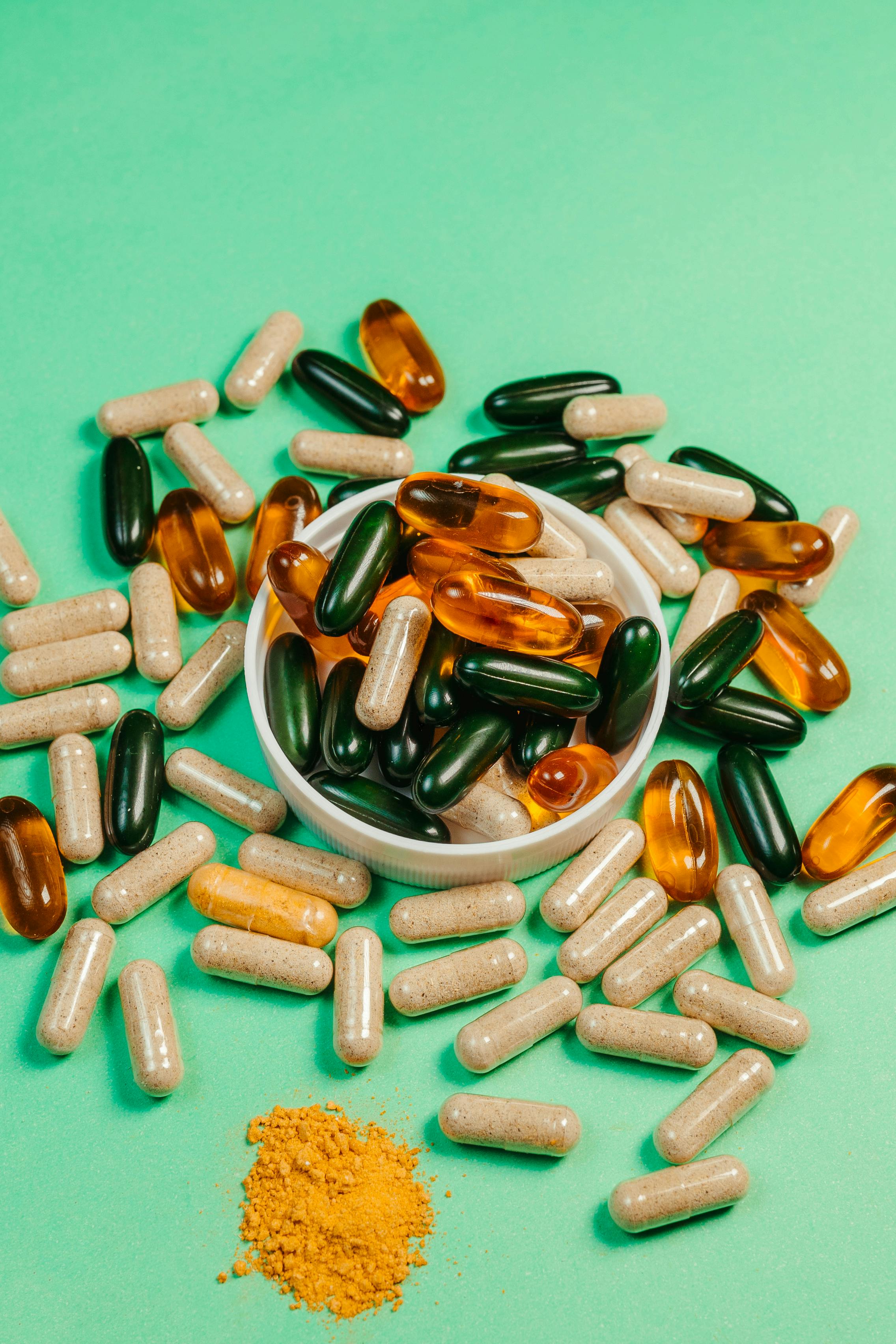
Key Nutrients That Help Increase Serotonin Naturally
B-Complex Vitamins
Vitamins B6, B9, and B12 are essential for:
- Neurotransmitter production
- Brain energy
- Emotional balance
They are often called anti-stress vitamins for good reason.
Magnesium
- Calms the nervous system
- Supports muscle relaxation
- Activates B vitamins
- Helps regulate the stress response
Low levels are commonly linked to anxiety, poor sleep, and low mood.
Omega-3 Essential Fatty Acids
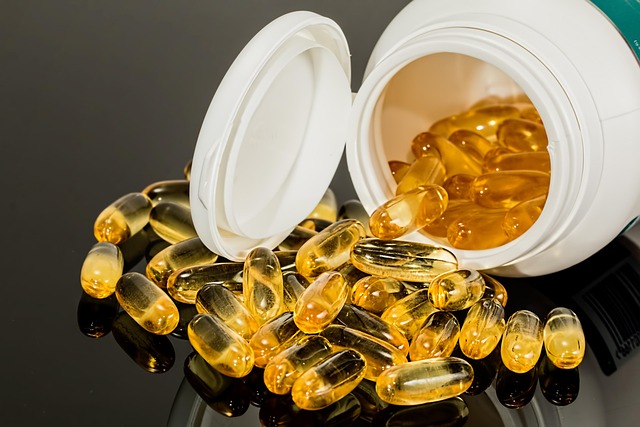
These healthy fats:
- Support brain cell communication
- Reduce inflammation
- Improve mood stability
Sources include:
- Oily fish
- Flaxseed
- Chia seeds
- Fish oil supplements
Inositol
Inositol plays a role in serotonin receptor activity and has been studied for support in:
- Panic attacks
- Anxiety
- Low mood
- Emotional regulation
L-Theanine
Found naturally in green tea, L-theanine:
- Promotes calm alertness
- Supports alpha brain waves
- Improves sleep quality
5-HTP (Griffonia simplicifolia)
5-HTP is a direct precursor to serotonin and melatonin and is widely used for:
- Mood support
- Sleep
- Appetite balance
It should only be used with medical guidance if you are taking antidepressants.
Natural Herbs Traditionally Used For Mood Support
St John’s Wort
Traditionally used for mild low mood and emotional balance.
(It should never be combined with prescription antidepressants without medical supervision.)
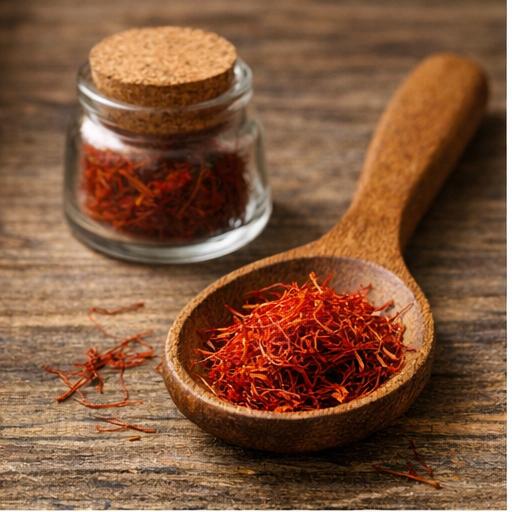
Saffron
Emerging research suggests saffron may help support a positive mood and emotional resilience.
Rhodiola
An adaptogenic herb that helps the body cope with stress and mental fatigue.
Ashwagandha
Supports stress reduction and nervous system balance, indirectly helping serotonin function.
Essential Oils That Support Mood & Emotional Balance
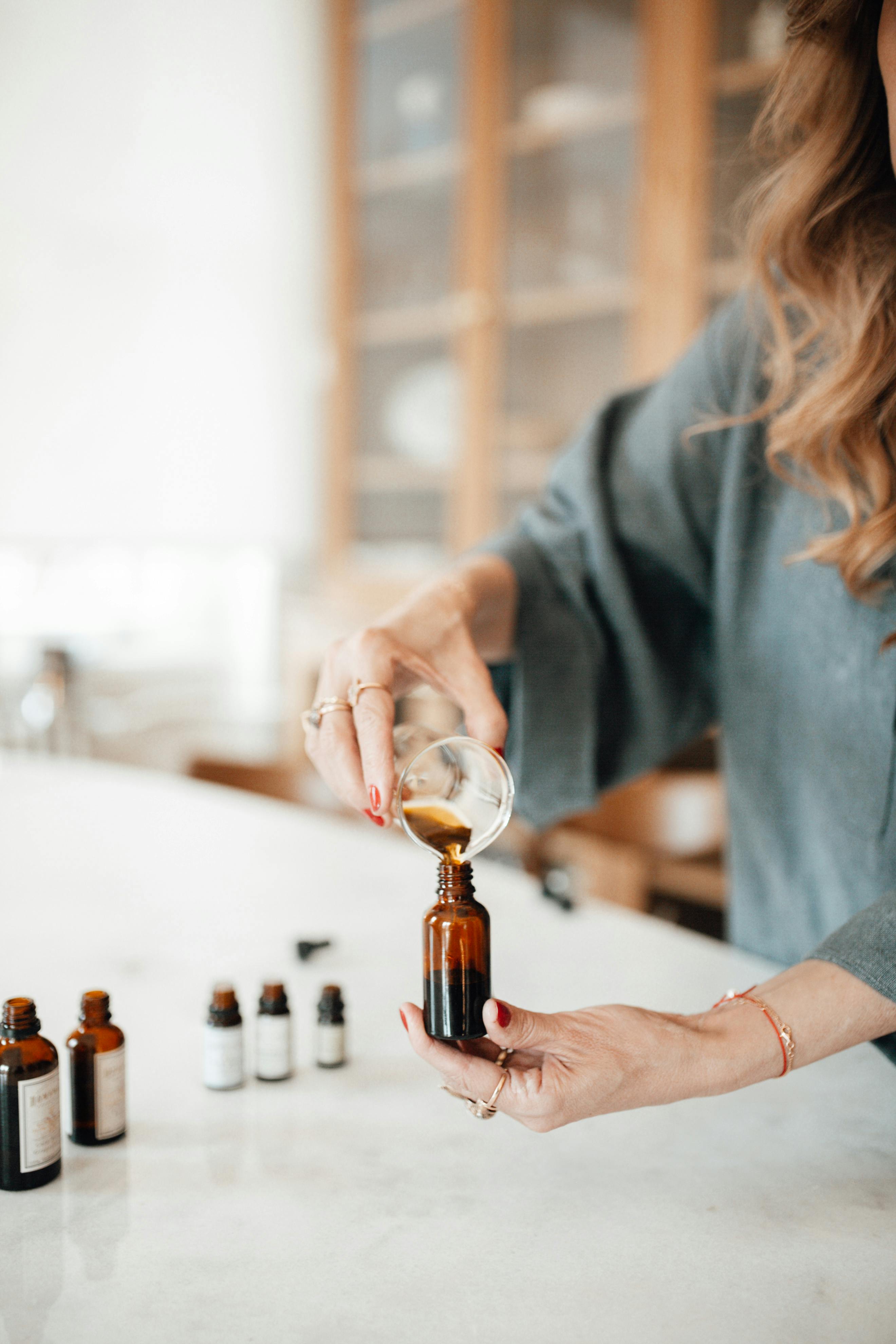
While essential oils do not directly increase serotonin in the same way nutrients do, many are known to:
- calm the nervous system
- reduce stress hormones
- support better sleep
- promote positive mood states
These effects help create the ideal environment for healthy serotonin activity.🌼
Bergamot – Uplifting & Emotionally Balancing
One of the most studied essential oils for mood support.
Why it helps:
- Promotes feelings of joy and lightness
- Helps reduce stress and tension
- Supports emotional balance
How to use:🌹
- Diffuse in the morning for a positive start to the day
- Add 1–2 drops to a tissue and inhale deeply
For a detailed look at Bergamot essential oil
🪻 Lavender – For Stress, Sleep & Nervous System Support
Lavender is strongly linked to relaxation and improved sleep quality.
Best used for:
- Evening wind-down routines
- Supporting deep, restorative sleep
- Calming an overactive mind
Better sleep = better serotonin regulation. For a detailed look at Lavender essential oil
🍊 Sweet Orange – Natural Mood Brightener
Bright citrus oils are ideal when low mood is linked to fatigue or lack of motivation.
Use during:
- Morning routines
- Afternoon energy dips
- Exercise sessions (diffused)
For a detailed look at Orange essential oil
🌿 Frankincense – For Mindfulness & Emotional Grounding
Perfect for:
- Meditation
- Deep breathing practices
- Stress reduction rituals
This supports the nervous system and emotional stability. For a detailed look at Frankincense essential oil
🌸 Ylang Ylang – For Emotional Tension & Overwhelm
Helpful when mood swings are linked to:
- nervous tension
- hormonal shifts
- emotional fatigue
For a detailed look at Ylang ylang essential oil
Simple Serotonin-Support Diffuser Blends
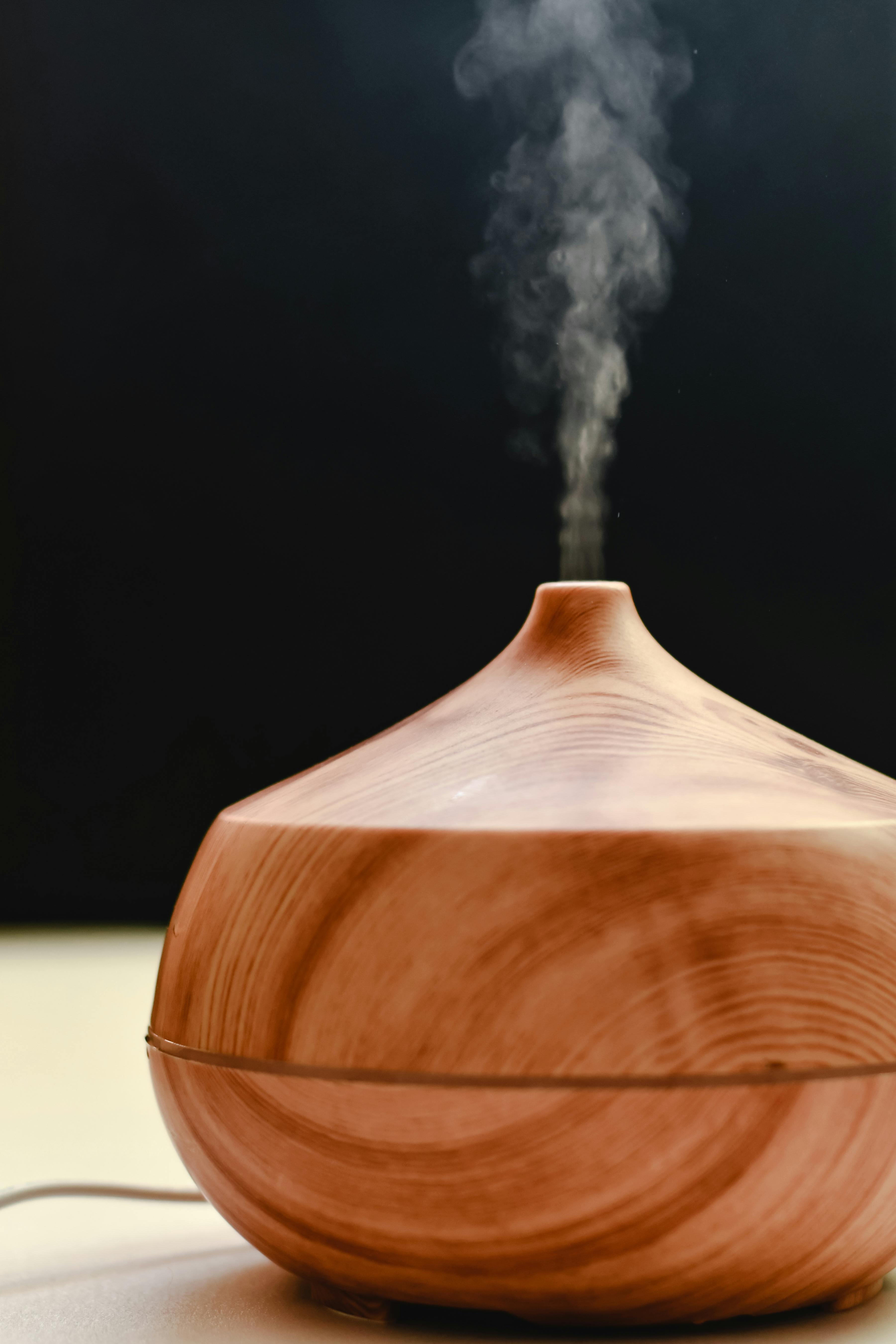
Morning Mood Lift
- 3 drops Bergamot
- 2 drops Sweet Orange
- 1 drop Frankincense
Calm & Reset Blend
- 3 drops Lavender
- 2 drops Frankincense
Stress Support Blend
- 3 drops Lavender
- 2 drops Ylang Ylang
- 1 drop Bergamot
Aromatherapy + Lifestyle = Powerful Synergy
Use your oils alongside:
- morning sunlight exposure
- movement or yoga
- breathwork
- gratitude or mindfulness practice
This anchors positive emotional patterns and reinforces healthy brain chemistry.
A Gentle, Holistic Approach
Supporting serotonin naturally is not about one single food, supplement, or habit. It is the combined effect of daily choices:
- Nourishing food
- Natural light
- Movement
- Restorative sleep
- Stress reduction
- A healthy gut
- Targeted nutritional support
Once you understand how to increase serotonin through daily habits, small consistent changes can have a profound impact on mood and overall well-being.
Important Note
Anyone currently taking medication for depression, anxiety, or any psychiatric condition should consult a qualified healthcare professional before using herbs or supplements that influence neurotransmitters.
This article is for educational purposes and is not intended as medical advice.
If you want tips on natural wellness, you can get them straight to your inbox.
Enter your email below and I’ll share new articles, reflections, and practical insights as they’re published.
Side Thoughts
Thanks for visiting here. If you'd like to stay in touch with our regular updates, then we'd love you to subscribe to our Detox-For-Life Newsletter.
We are a participant in the Amazon Services LLC Associates Program, an affiliate advertising program designed to provide a means for us to earn fees by linking to Amazon.com and affiliated sites.
NEWSLETTER
New pages, fresh perspectives, and practical detox-for-life insights are shared first with newsletter readers.


