- Home
- Aloe Vera Juice Benefits
- Benefits of Aloe Vera Gel
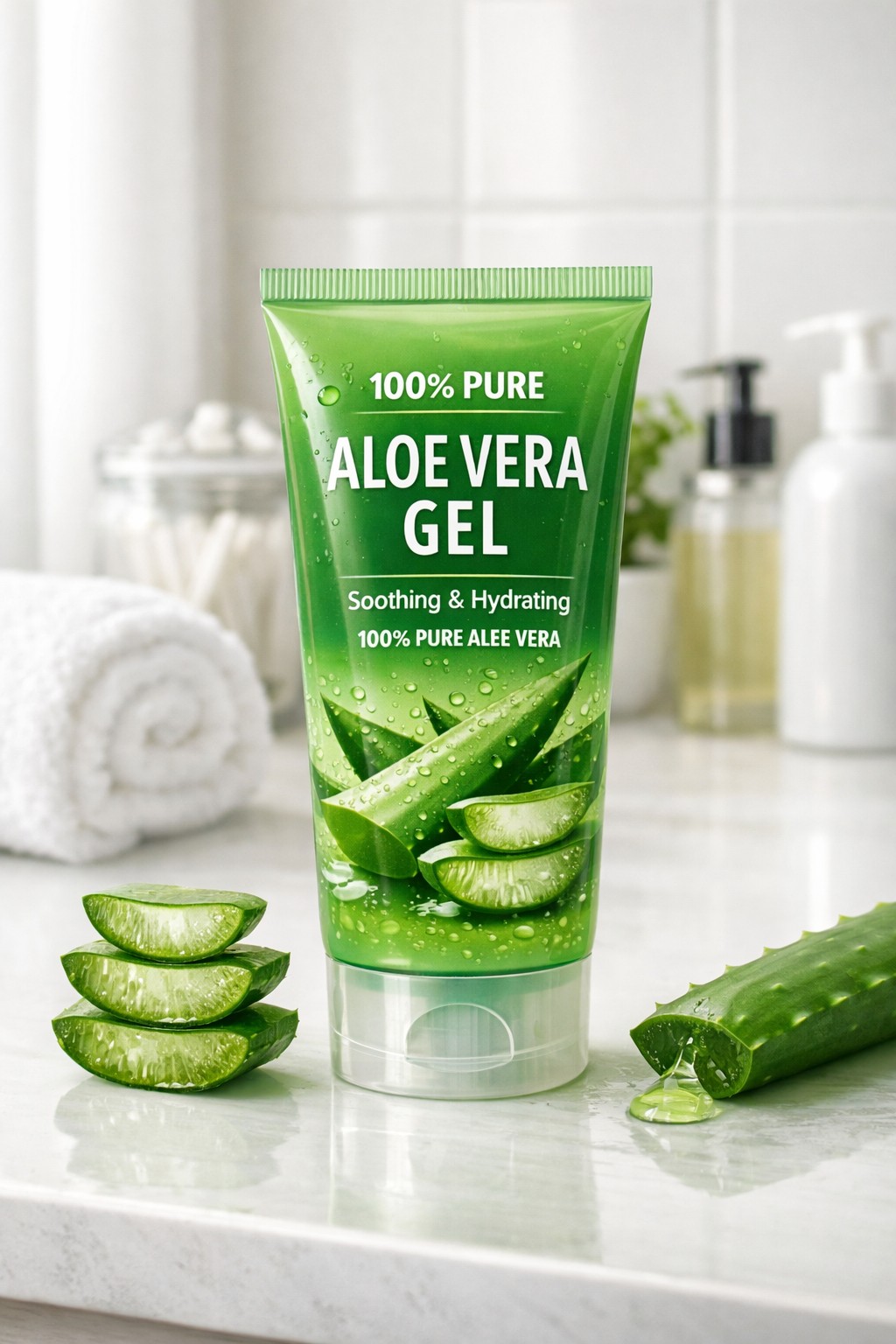
Healing Benefits of Aloe Vera Gel
A practical, gentle plant for everyday skin care
As a mom, I have come to deeply appreciate the benefits of Aloe Vera gel. It’s one of those plants that feels both ancient and practical at the same time. I grow Aloe Vera in my garden, and from the pulp I even make homemade soap. There’s something satisfying about stepping outside, cutting a leaf, and using what nature provides.
Aloe vera gel is the clear, soothing substance found inside the thick leaves of the Aloe barbadensis miller plant. Over time, it has been known by many names — “lily of the desert,” “plant of immortality,” and “medicine plant.” While those names reflect historical reverence, modern science approaches aloe more cautiously: as a plant rich in interesting compounds with supportive properties, especially for skin care.
In this article, we'll look into what aloe vera gel really is, how it's made, all the ways you can use it, tips on growing your own plant at home, a simple recipe for making homemade gel, and some important safety notes to keep in mind. Whether you're a plant enthusiast or just looking for natural ways to boost your wellness, stick around. The benefits of Aloe Vera gel make it a great addition for your daily routine.
What Makes Aloe Vera Unique?
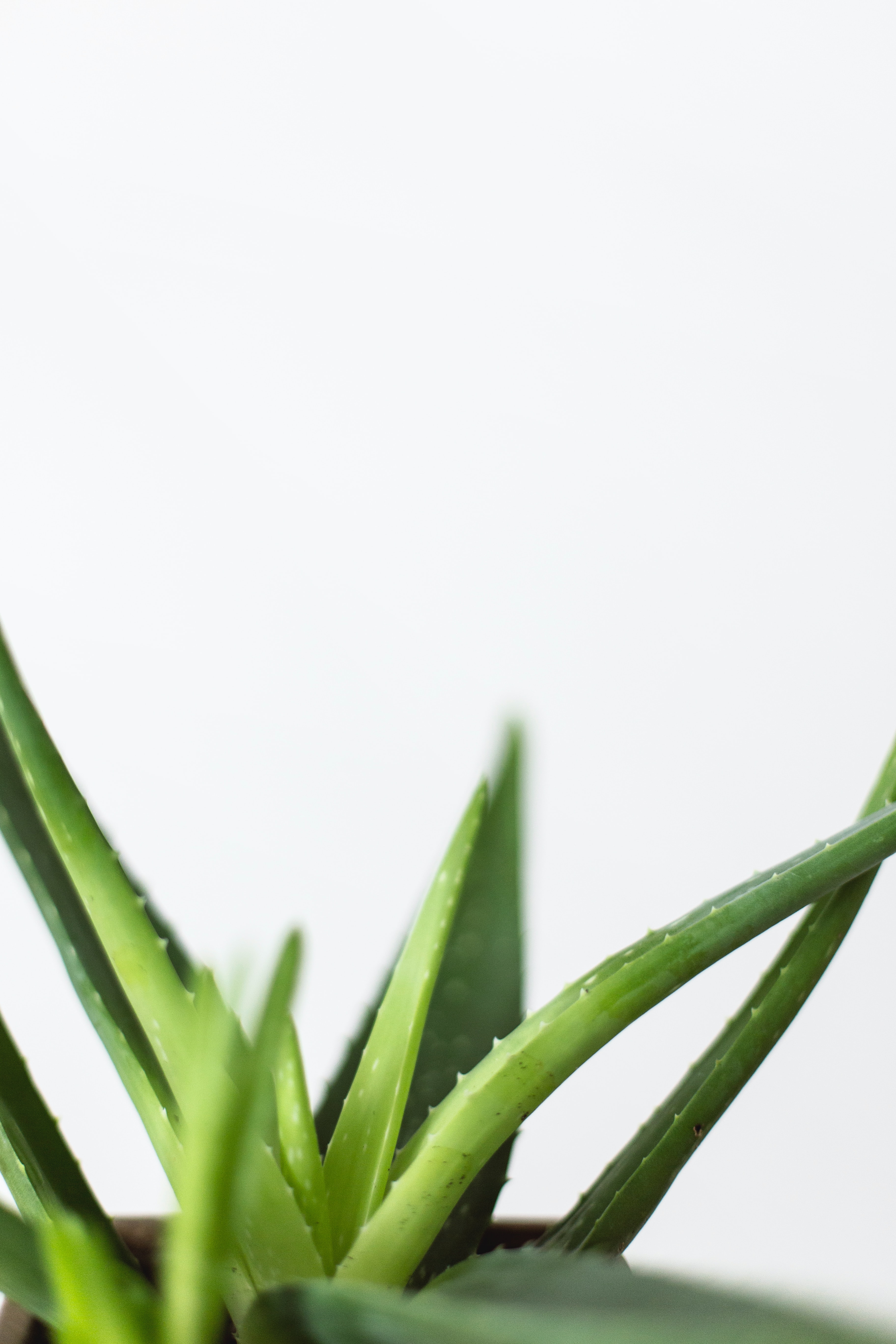
Let's start with the basics. Aloe vera gel is the thick, transparent substance found inside the leaves of the aloe vera plant, scientifically known as Aloe barbadensis miller. This succulent plant looks a bit like a spiky cactus but is actually part of the lily family. It thrives in hot, dry climates, originally hailing from places like the Arabian Peninsula, but now it's grown all over the world. The plant has fleshy, green leaves that store water, making it super resilient—even if you forget to water it sometimes!
Aloe vera gel is composed mostly of water (about 95–99%), but within that water are dozens of naturally occurring compounds. Researchers have identified over 75 constituents including:
- Vitamins (such as A, C, and E)
- Certain B vitamins
- Minerals like magnesium and zinc
- Amino acids
- Enzymes
- Polysaccharides (including acemannan)
- Plant sterols
- Saponins
- Lignans
- Salicylic acid compounds
- Anthraquinones (found mainly in the latex layer, not the clear inner gel)
It’s important to distinguish between the clear inner gel (commonly used for skin applications) and the yellow latex layer just under the skin of the leaf. The latex contains stronger compounds that can be irritating and are not typically used for topical soothing.
Plants are complex living systems, and many researchers believe their effects come from synergy — how the compounds work together — rather than one single active ingredient. That complexity is part of what makes aloe intriguing, but also why claims should remain grounded and realistic.
Why Aloe Vera Is Included in Natural Lifestyles

When people talk about “detoxing” their lifestyle, they usually mean reducing exposure to unnecessary synthetic ingredients and simplifying personal care routines. The benefits of Aloe vera gel fit beautifully into that approach.
Rather than being a “detox cure,” aloe is better understood as a gentle, supportive plant that can replace multiple conventional skin products, such as:
- After-sun gels
- Light moisturizers
- Post-shave soothers
- Minor irritation relief
- Hair and scalp hydration treatments
Using fewer products with shorter ingredient lists can feel empowering and refreshing.
Skin Benefits of Aloe Vera Gel
Aloe vera is most widely known for its topical skin benefits. While it is not a cure-all, research and long-standing traditional use suggest it can be helpful in several areas.
1. Hydration and Skin Support
Because aloe is mostly water and contains natural humectant compounds, it helps draw moisture to the skin. When applied topically, it leaves a light, cooling layer that absorbs quickly.
"Aloe vera really is one of those plants that does a little bit of everything. I’ve used it for digestion and for skin, and it always surprises me how gentle but powerful it is."
Many people appreciate aloe because it:
- Feels non-greasy
- Absorbs rapidly
- Leaves skin soft
- Works well under makeup
- Can be layered with oils or creams
It may be especially helpful for:
- Oily or combination skin
- Skin that feels overheated
- Mild dryness
- Seasonal skin sensitivity
Aloe is well loved for supporting the skin’s natural moisture barrier.
2. Soothing Minor Skin Irritations
Aloe vera is well known for calming minor skin irritations. Modern research suggests certain compounds in aloe may support the body’s natural inflammatory response.
People commonly use aloe gel for:
- Mild sun exposure
- Minor kitchen burns
- Razor irritation
- Insect bites
- Mild rashes
- Over-exfoliated skin
The cooling sensation alone can provide comfort. While aloe does not replace medical treatment for significant burns or injuries, it may be used as supportive first aid for minor surface irritation.
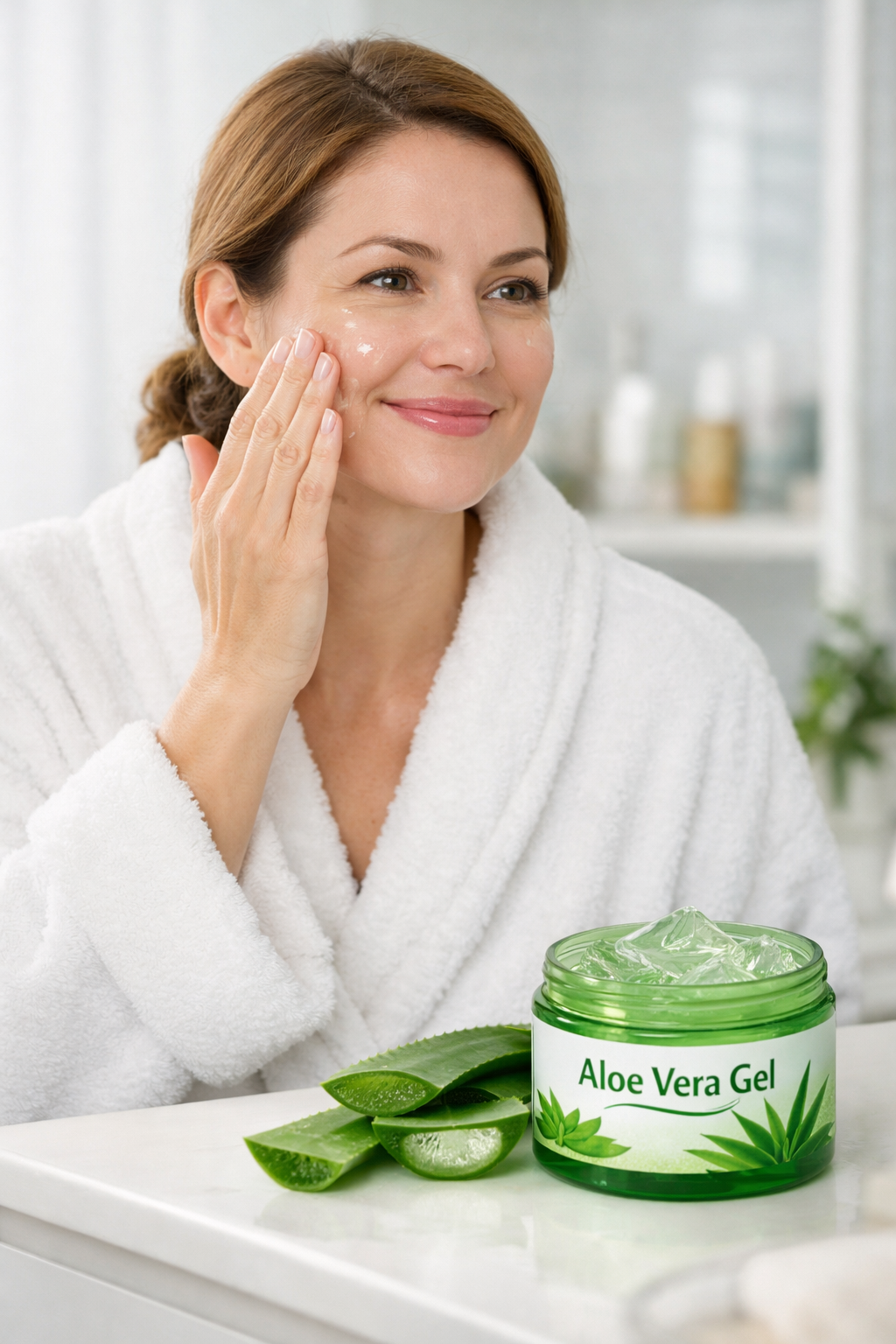
3. Support for Skin Recovery
Some studies suggest the benefits of aloe vera gel may help support the skin’s natural regeneration process. Polysaccharides such as acemannan are believed to play a role in supporting healthy skin renewal.
It creates a moist, supportive environment that allows the skin to recover more comfortably.
Many people use aloe gel on:
- Minor cuts
- Superficial wounds
- Post-sun skin stress
- Dry, cracked skin
4. Appearance of Scars
Aloe based gel is sometimes used to improve the appearance of scars over time. While evidence is mixed, its hydrating and skin-supportive properties may help soften and smooth skin texture when used consistently.
It does not erase scars, but regular hydration and gentle care can improve overall skin tone and flexibility.
5. Psoriasis and Eczema Support
Topical aloe vera gel may help relieve symptoms of mild to moderate eczema and psoriasis. Symptoms such as redness, scaling, itching, and inflammation may benefit from its anti-inflammatory, moisturizing, and wound-healing properties. One study often cited, involved individuals applying aloe extract regularly over several months and reporting improvement compared to placebo. If you have chronic skin conditions such as psoriasis or eczema, aloe may be a complementary option — but it’s wise to consult your healthcare provider should your condition not improve.
6. Acne-Prone Skin
Aloe contains compounds that show mild antibacterial and anti-inflammatory properties in laboratory settings. For acne-prone skin, aloe vera gel may:
- Calm redness
- Reduce irritation
- Support skin hydration without clogging pores
As a gentle addition to a balanced skincare routine, the antibacterial benefits of Aloe Vera gel offer a wonderful natural alternative.
Antimicrobial Properties: What We Know
In laboratory studies, aloe extracts have demonstrated antibacterial, antiviral, and antifungal activity against certain microorganisms.
However, it’s important to understand the difference between:
- In vitro (lab-based) results
- Real-world clinical effectiveness
While aloe gel shows promising activity in controlled lab settings, that does not automatically mean it can treat infections in the body. For active infections, medical treatment should always be prioritized.
For everyday use, aloe may simply help keep skin clean and balanced when applied topically.
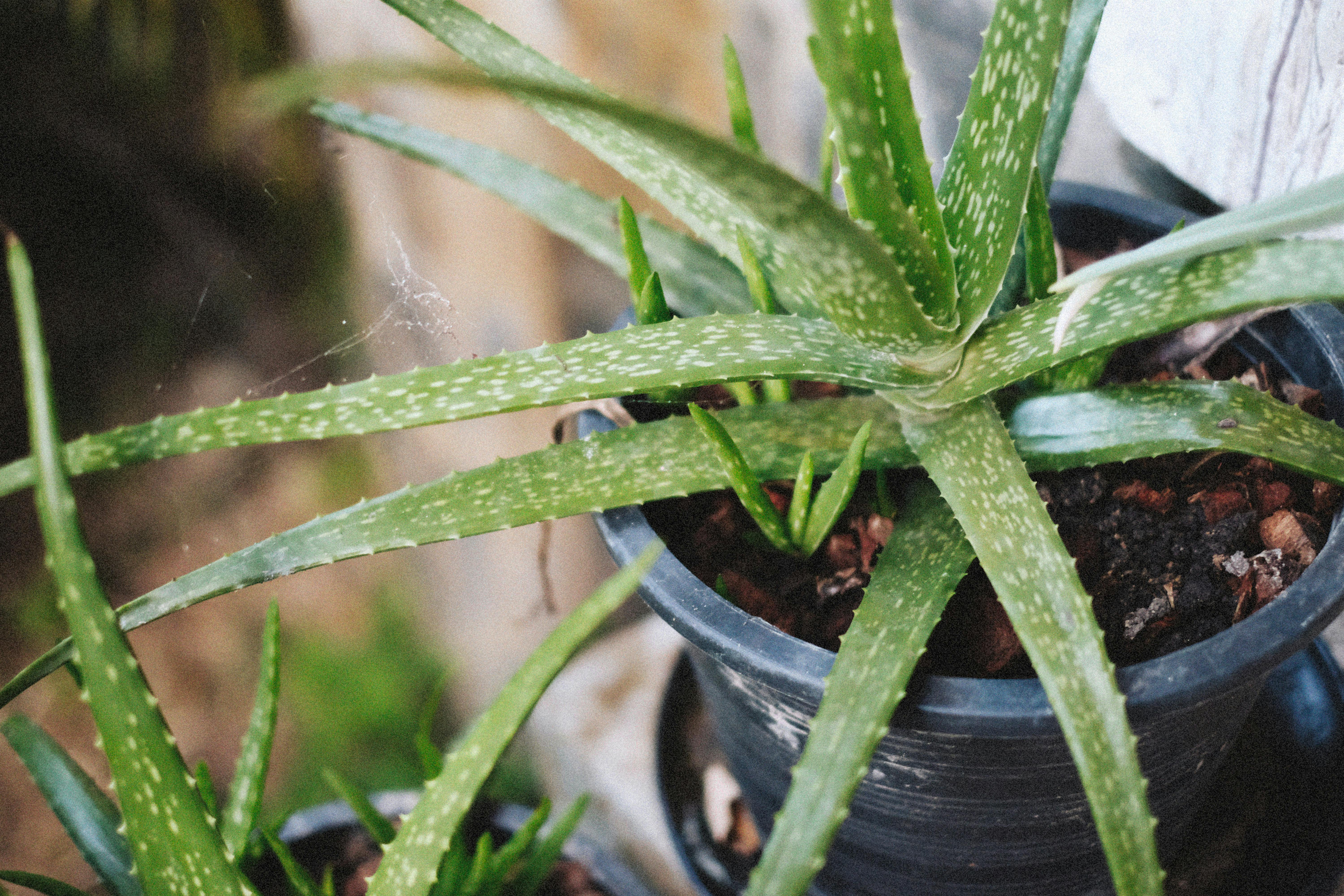
In nature, it is fascinating to see an Aloe leaf heal itself when cut. It very rapidl seals itself by secreting a rubber-like protective coating preventing further loss of sap. Healing of the wound then follows. One can then appreciate why the Aloe is regarded so highly by Traditional Medicine for its healing properties.
Aloe Vera for Joint and Arthritis Support
Traditionally, aloe has been used both topically and internally for joint discomfort. Some people apply aloe gel to areas of stiffness for its cooling and soothing effect.
When it comes to drinking aloe juice for arthritis:
- Evidence is limited.
- Results are not consistent.
- Internal aloe use should be approached carefully.
The latex portion of the aloe leaf contains strong compounds that can cause digestive upset if not properly processed. If considering internal aloe products, it’s important to choose decolorized, purified products and consult a healthcare professional.
For most people, topical use is the safest and most practical approach.
Aloe Vera and Sun Exposure
Aloe is widely used in after-sun products because of its cooling and hydrating qualities. It may:
- Help soothe mild sun-stressed skin
- Support moisture retention
- Provide temporary relief from heat discomfort
Note to consider - It does not replace sunscreen and does not prevent UV damage.
Grow Your Own Aloe Vera
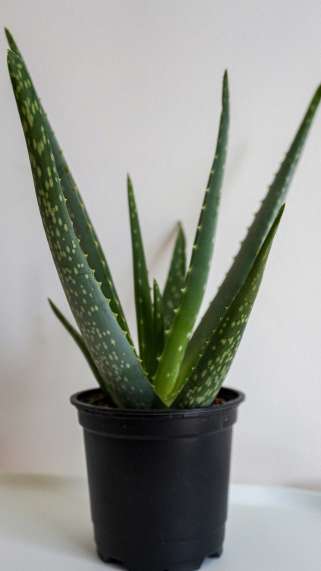
Growing aloe vera at home is easy and rewarding—it's low-maintenance and perfect for beginners.
Aloe vera is:
- Drought-resistant
- Low maintenance
- Well-suited to pots
- Adaptable to indoor or outdoor growing
Start with a young plant from a nursery or a "pup" (baby offset) from a friend's mature one. Plant it in well-draining soil, like a cactus mix with added perlite or sand to prevent waterlogging. If using a pot, make sure it has drainage holes.
Aloe loves bright, indirect sun—place it near a south-facing window or outdoors in partial shade to avoid scorching. It can handle full sun but might turn reddish-brown if too intense. Water deeply but sparingly—every 2-3 weeks in summer, less in winter. Let the top 1-2 inches of soil dry out completely. Caution: overwatering causes root rot.
A Note on the Yellow Sap (Latex)
When you cut an aloe leaf, you’ll notice a yellow, bitter liquid. This is the latex layer, which contains anthraquinones such as aloin.
These compounds:
- Can be irritating to skin
- Have strong laxative effects when ingested
- Are not typically recommended for casual internal use
For skincare, it’s best to use only the clear inner gel.
Aloe in Skincare Products
Because of its hydrating and soothing qualities, aloe is commonly included in:
- Moisturizers
- Serums
- After-sun gels
- Hair conditioners
- Shampoos
- Face masks
It provides a light, refreshing feel and blends well with essential oils (when properly diluted and used safely).
📢 Safety Considerations
Although aloe is generally well tolerated, it’s still important to approach it wisely:
- Perform a patch test before first use.
- Avoid applying to deep or severe wounds without medical advice.
- Discontinue use if irritation occurs.
- Consult a professional before using internally.
- Use caution during pregnancy when considering oral products.
Used thoughtfully, Aloe vera is one of the gentler plant remedies available.
I love it when nature clearly has the upper hand over the frailty of our human science. Bee propolis is one such substance for skin soothing properties.
If you want tips on natural wellness, you can get them straight to your inbox.

Enter your email below and I’ll share new articles, reflections, and practical insights as they’re published.


