- Home
- Health Articles
- Bee Propolis
Bee Propolis - Nature's Protective Resin
Health Benefits of Propolis Extract
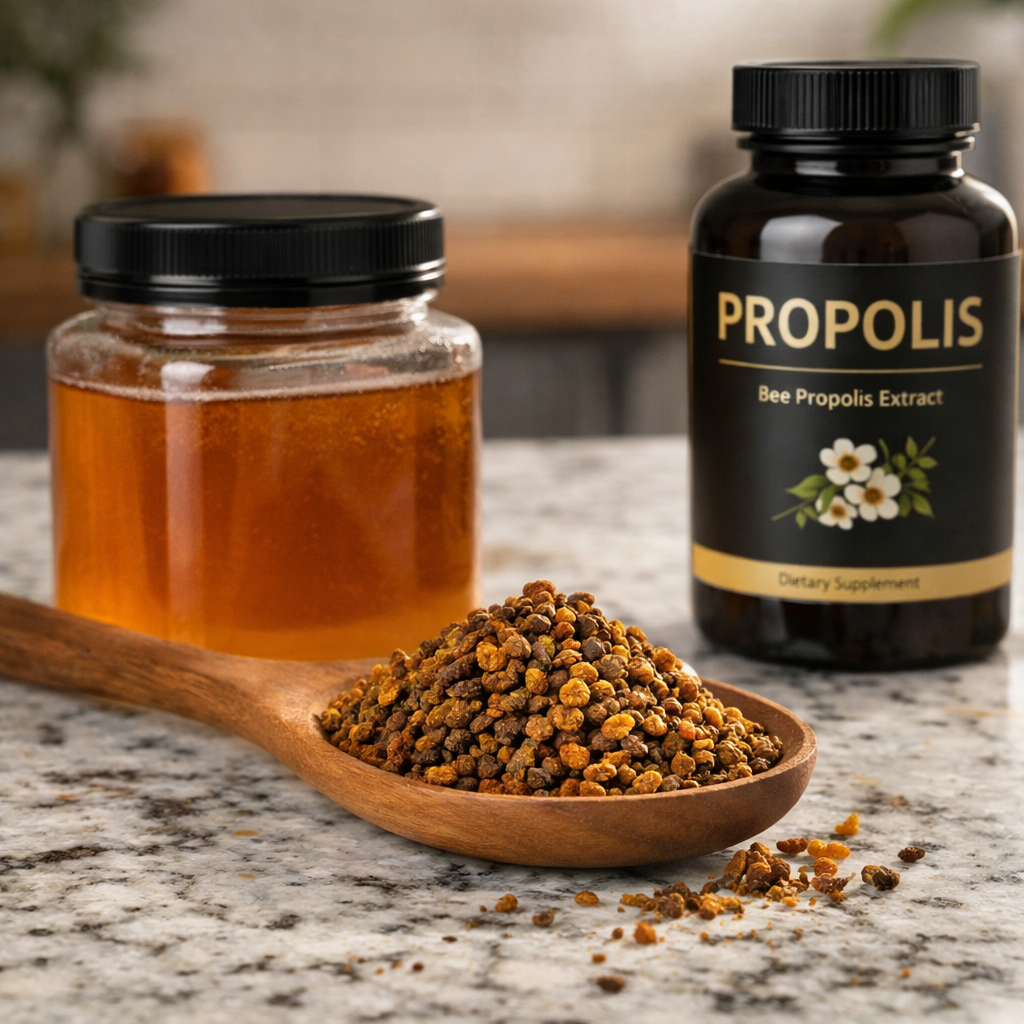
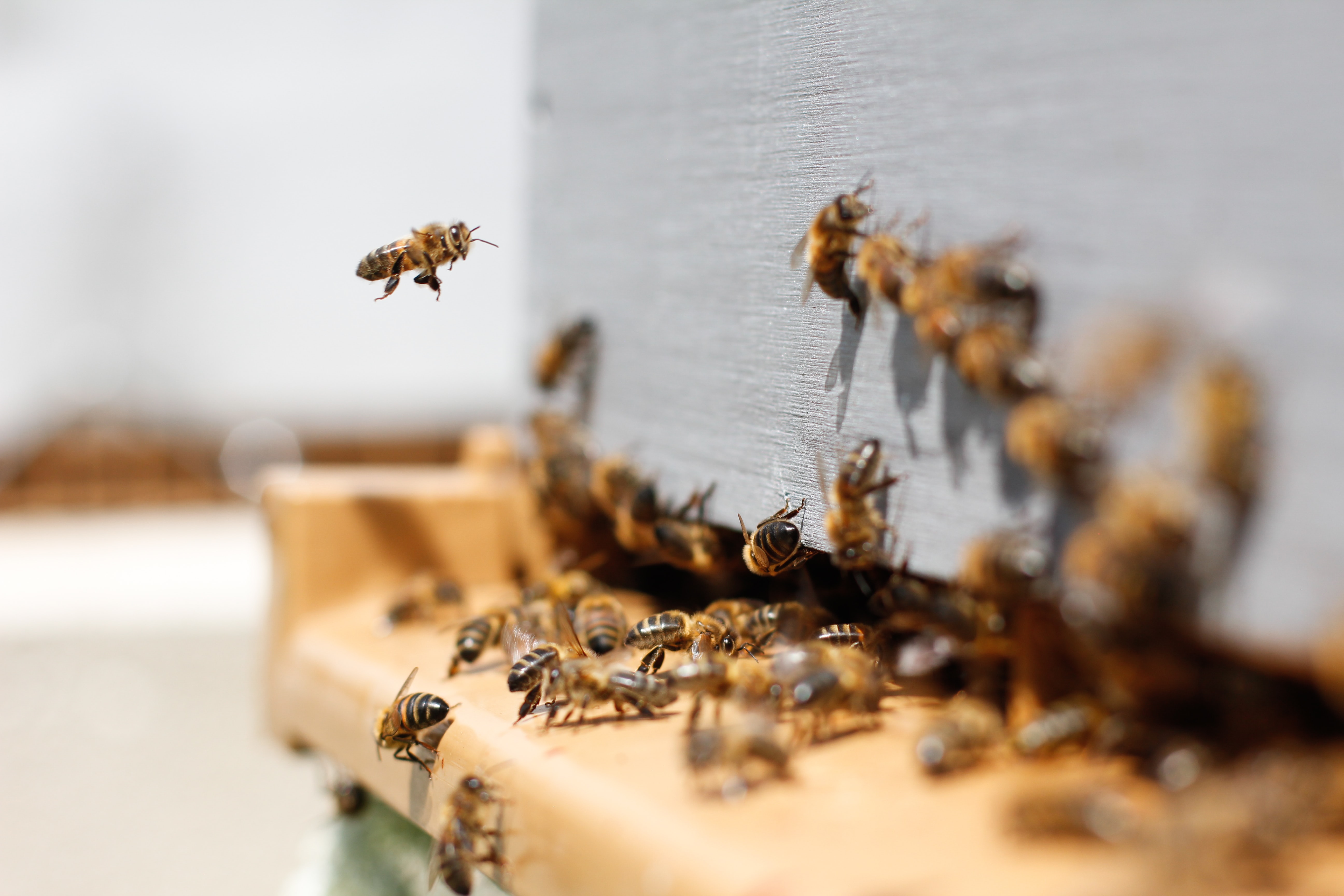
Bee propolis is one of nature’s most fascinating substances. Often described as the “immune shield of the hive,” propolis has been used for centuries in traditional healing systems and is now gaining renewed interest in modern wellness circles. Collected by honeybees from tree buds, plant resins, and botanical exudates, propolis is transformed into a resinous compound that bees use to protect their hive from disease, bacteria, and environmental threats.
This same protective quality is what makes bee propolis so intriguing for human health. Rich in flavonoids, polyphenols, phenolic acids, vitamins, and bioactive compounds, propolis is widely studied for its antimicrobial, anti-inflammatory, antioxidant, and skin-supporting properties. While scientific research is ongoing and some claims require further human studies, the existing body of evidence and long history of traditional use suggest that propolis may play a valuable supportive role in overall wellness.
Natural Healing Ointment
I love it when nature clearly has the upper hand over the frailty of our human science. Bee propolis is one such substance and has even been described as having antibacterial, antiviral, anti-fungal, anti-inflammatory and even anti-cancer properties with immune modulating effects. These may sound a little too good to be true but a bottle of propolis ointment will be incredibly useful in your medicine cabinet for it's anti-viral effects.
What Is Bee Propolis?
Propolis is a sticky, resin-like substance that bees produce by mixing plant resins with beeswax and enzymes. In the hive, it serves as a natural sealant and protective barrier. Bees use propolis to reinforce hive walls, seal cracks, protect entryways, and encapsulate foreign objects that could threaten the colony’s health. Because the hive must remain sterile and disease-free, propolis acts as a powerful line of defense.
The chemical composition of propolis is remarkably complex. Researchers have identified hundreds of compounds, including flavonoids, aromatic acids, esters, fatty acids, amino acids, vitamins, and minerals. Importantly, the exact composition of propolis varies depending on geography, local plant sources, season, and environmental conditions. This natural variability is one reason propolis cannot be synthesized and why research continues to explore its full potential.
Why Propolis Is Considered a Natural Protective Agent
Propolis is often referred to as a “natural antibiotic,” not because it functions exactly like pharmaceutical antibiotics, but because of its broad antimicrobial activity. Studies have shown that propolis exhibits antibacterial, antifungal, antiviral, and antiparasitic effects in laboratory and experimental settings.
These protective properties are largely attributed to its high flavonoid and polyphenol content. These compounds are known to help disrupt microbial growth, inhibit bacterial motility, and increase cell membrane permeability in certain microorganisms. As a result, propolis has been explored for use in oral care, wound healing, immune support, and skin health.
Antimicrobial Support for Everyday Wellness
One of the most researched benefits of bee propolis is its antimicrobial potential. Laboratory studies suggest that propolis may help inhibit both gram-positive and gram-negative bacteria, as well as certain fungi and viruses. This broad spectrum activity has made it a popular ingredient in natural oral care products such as toothpaste, mouthwash, and throat sprays.
In dental research, propolis has been studied for its potential role in supporting gum health and reducing oral microbial imbalance. A notable study conducted at the Harvard School of Dental Medicine investigated the effects of propolis supplementation in individuals suffering from recurrent aphthous stomatitis (canker sores). Participants who used propolis experienced a significant reduction in outbreaks and reported improvements in quality of life, suggesting immune-modulating and tissue-supportive effects.
Because the mouth is a primary entry point for pathogens, maintaining oral balance may have wider implications for overall health.
Immune System Support
Propolis is widely used as a natural immune support supplement. Its combination of flavonoids, phenolic compounds, and naturally occurring vitamins — including B-complex vitamins, vitamin C, vitamin E, and beta-carotene — contributes to its reputation as a fortifying substance.
Rather than stimulating the immune system aggressively, propolis is often described as immune-modulating, meaning it may help support balanced immune responses. This makes it particularly appealing during seasonal challenges or times of increased physical or environmental stress.
Traditionally, propolis has been used to support the body during colds and flu, with research suggesting that it may help inhibit certain microorganisms while also soothing irritated tissues, particularly in the throat and upper respiratory tract.
Anti-Inflammatory and Antioxidant Properties
Chronic inflammation and oxidative stress are now recognized as contributing factors to many modern health concerns. Propolis contains a wide range of antioxidants that help neutralize free radicals and protect cells from oxidative damage.
Flavonoids and phenolic acids found in propolis have demonstrated anti-inflammatory activity in experimental studies. This has led to interest in its supportive role for inflammatory skin conditions, joint discomfort, and general cellular health.
By helping to calm inflammatory pathways and reduce oxidative stress, propolis may support the body’s natural repair and maintenance processes over time.
Wound Healing and Tissue Repair
One of the most traditional uses of bee propolis is in topical applications for wound care. Propolis ointments and creams have long been used to support the healing of cuts, burns, minor abrasions, and skin irritations.
Research suggests that propolis may promote tissue regeneration by supporting collagen production and encouraging healthy cell turnover. Its antimicrobial properties may also help protect vulnerable skin during the healing process.
Because of these properties, propolis is commonly included in natural first-aid products and skin-repair formulations.
Acne Support and Problematic Skin
Propolis has gained increasing attention in natural skincare — particularly for acne-prone and congested skin. Acne is often associated with bacterial imbalance, inflammation, excess oil production, and impaired skin barrier function. Propolis addresses several of these factors simultaneously.
Its antimicrobial properties may help reduce acne-associated bacteria on the skin, while its anti-inflammatory action can assist in calming redness and irritation. Propolis is also known for its ability to help decongest pores and support skin balance without overly drying the skin.
Additionally, its wound-healing properties may support the recovery of blemishes and help minimize the appearance of acne marks or scars over time. For this reason, propolis is commonly found in serums, spot treatments, masks, and creams designed for sensitive or breakout-prone skin.
As with any topical product, patch testing is recommended, especially for individuals with sensitivities.
Potential Anticancer Research Interest
Emerging laboratory studies have explored the potential of propolis in relation to abnormal cell growth. Some research suggests that certain compounds in propolis may help inhibit tumor cell growth and support programmed cell death (apoptosis) in cancer cells. However, it is important to note that much of this research has been conducted in test tubes or animal models.
Human clinical trials are still limited, and propolis should never be considered a treatment for cancer. That said, its antioxidant and immune-supportive properties continue to attract scientific interest in the field of complementary research.
Propolis and Skin Aging Support
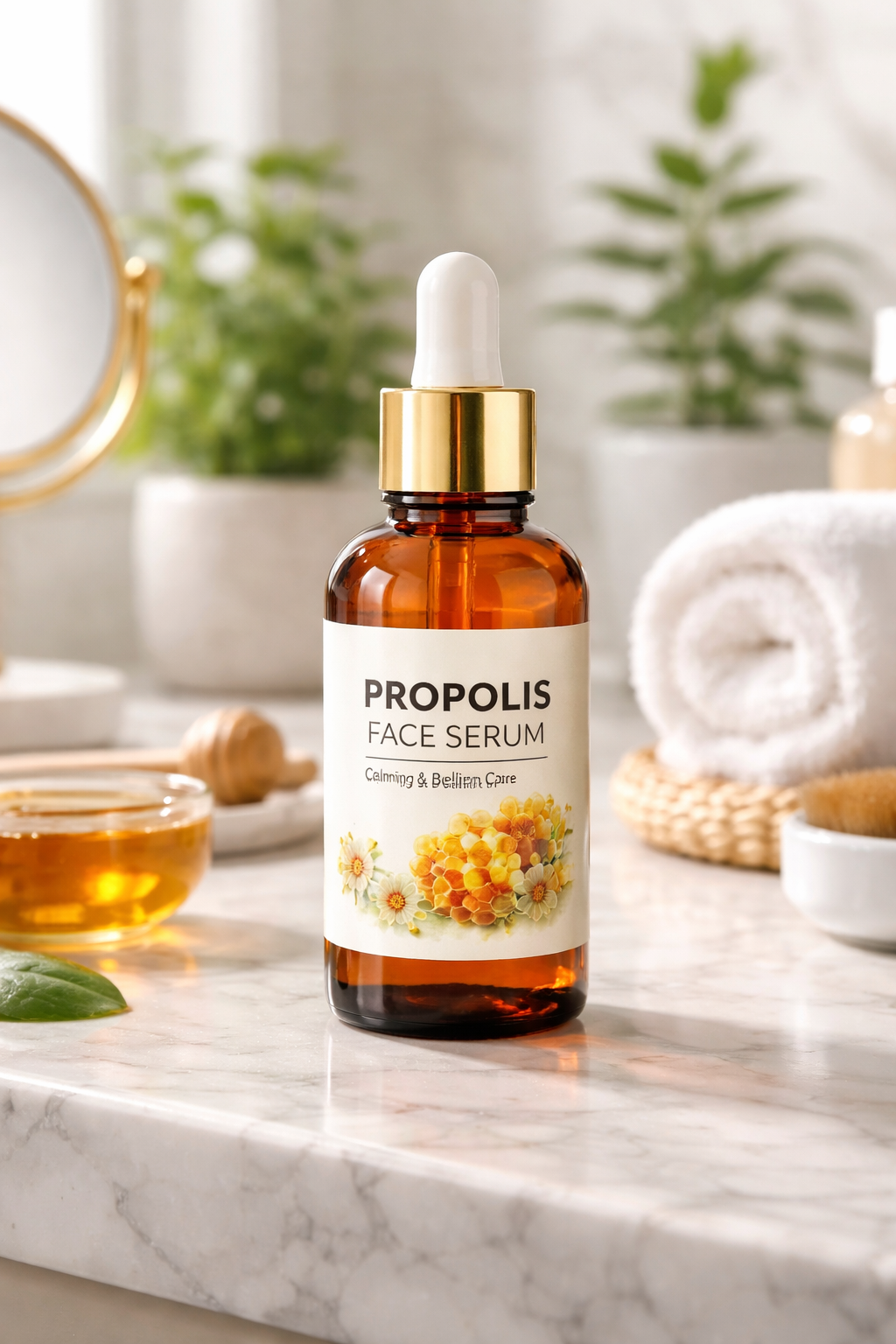
Because of its antioxidant content, propolis is often included in anti-aging skincare formulations. Antioxidants help protect the skin from environmental stressors such as pollution and UV exposure, both of which contribute to premature aging.
Some studies suggest that propolis may help support collagen production, which is essential for maintaining skin elasticity and firmness. By protecting against oxidative damage and supporting skin structure, propolis may contribute to a more resilient and balanced complexion over time.
Forms of Bee Propolis Supplements
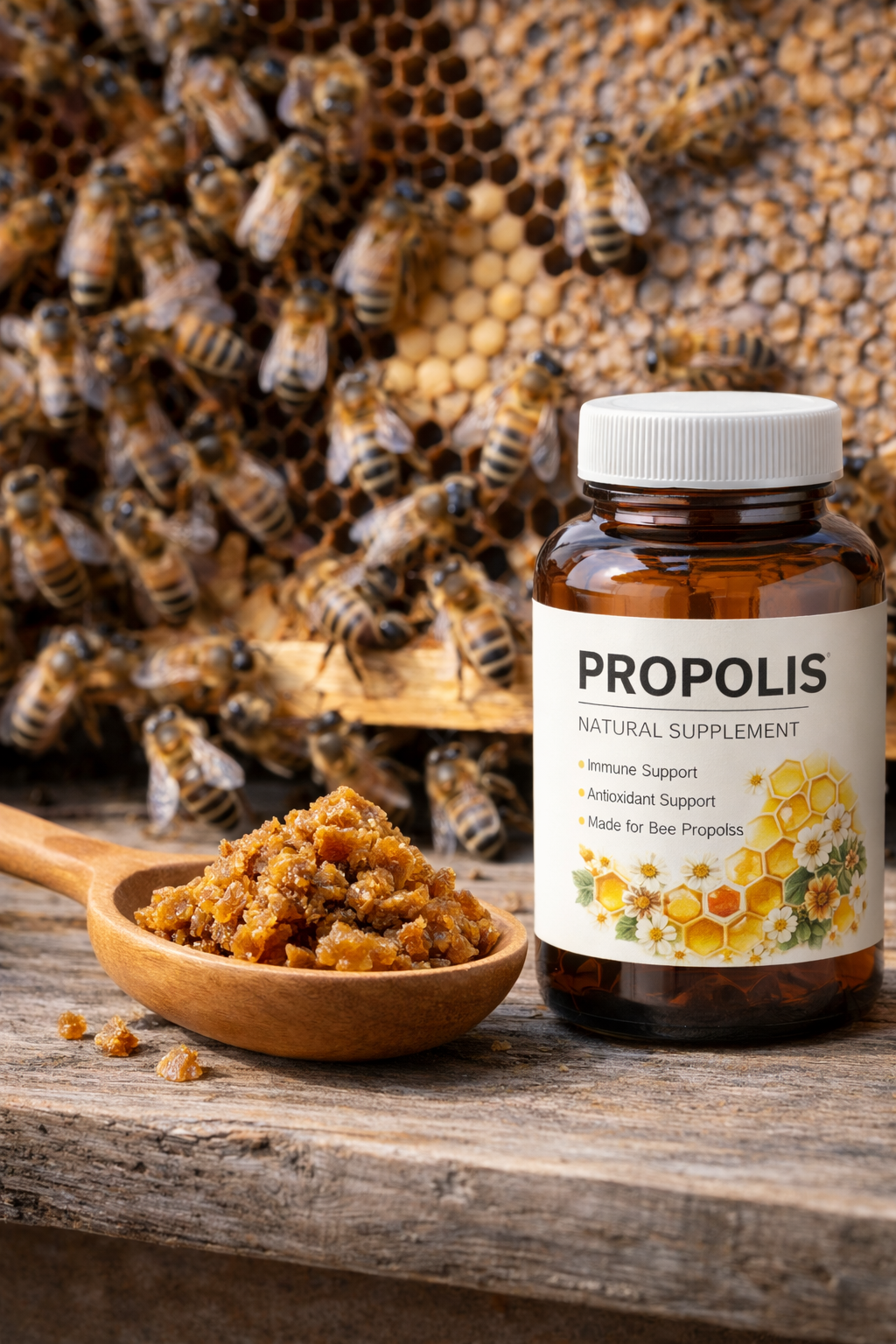
Propolis is available in a wide variety of forms, allowing individuals to choose the method that best suits their needs and preferences:
- Capsules and tablets – commonly used for immune and general wellness support
- Liquid extracts and tinctures – often used for throat, oral, or immune support
- Powders – can be added to foods or drinks
- Topical ointments and creams – for skin, wound, and localized support
- Mouthwash and toothpaste – for oral hygiene
- Cosmetic products – including serums, masks, lotions, and balms
The form chosen often depends on the intended use, whether internal or topical.
Why Someone Might Consider Taking Bee Propolis
People may consider using bee propolis as part of a natural wellness routine for several reasons:
- To support immune resilience
- To assist with seasonal wellness challenges
- To support oral health and gum care
- To promote skin balance and clarity
- To aid minor wound healing and skin repair
- To support antioxidant protection
As with all supplements, propolis is best used as part of a holistic approach that includes a balanced diet and healthy lifestyle.
Safety Considerations
While propolis is generally well tolerated, individuals who are allergic to bees or bee products should use caution, as allergic reactions are possible. It is always advisable to consult a healthcare professional before introducing new supplements, particularly for those who are pregnant, nursing, or managing medical conditions.
Closing Reflections
Bee propolis stands as a remarkable example of how nature creates complex, multifunctional substances that support protection, balance, and resilience. From immune and skin support to oral care and antioxidant protection, propolis continues to earn its place in both traditional medicine cabinets and modern wellness routines.
While research is still unfolding, its long history of use and growing scientific interest make bee propolis a compelling natural ally for those seeking gentle, supportive solutions rooted in nature’s intelligence.
If you are allergic to bees, you may not be able to use bee propols safely.
🐝 You can also explore Manuka honey benefits to understand how this unique honey compares with other bee-based substances.
- Get to know this other wound healer Aloe Vera Gel
If you want tips on natural wellness, you can get them straight to your inbox.

Enter your email below and I’ll share new articles, reflections, and practical insights as they’re published.
Side Thoughts
Thanks for visiting here. If you'd like to stay in touch with our regular updates, then we'd love you to subscribe to our Detox-For-Life Newsletter.
We are a participant in the Amazon Services LLC Associates Program, an affiliate advertising program designed to provide a means for us to earn fees by linking to Amazon.com and affiliated sites.
NEWSLETTER
New pages, fresh perspectives, and practical detox-for-life insights are shared first with newsletter readers.
Recent Articles


-
Fennel Essential Oil: Aromatic and Soothing Oil with Health Benefits
Apr 14, 26 03:36 PM
 Fennel Essential Oil - Learn how this sweet, licorice-like oil supports digestion and everyday wellness.
 -
Beyond Curry: Turmeric Essential Oil - Benefits, Uses & Safety Guide
Mar 16, 26 07:19 AM
Explore Turmeric Essential Oil - Spice up your life with this golden oil. From adding a zesty kick to your morning smoothie to giving your skin a radiant glow -
Liver Cleanse Guide: Support Your Liver the Natural Way
Mar 03, 26 01:37 AM
 Discover how a gentle liver cleanse supports detox, digestion, metabolism, clear skin and steady energy using food, herbs and simple daily habits.