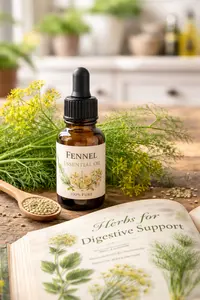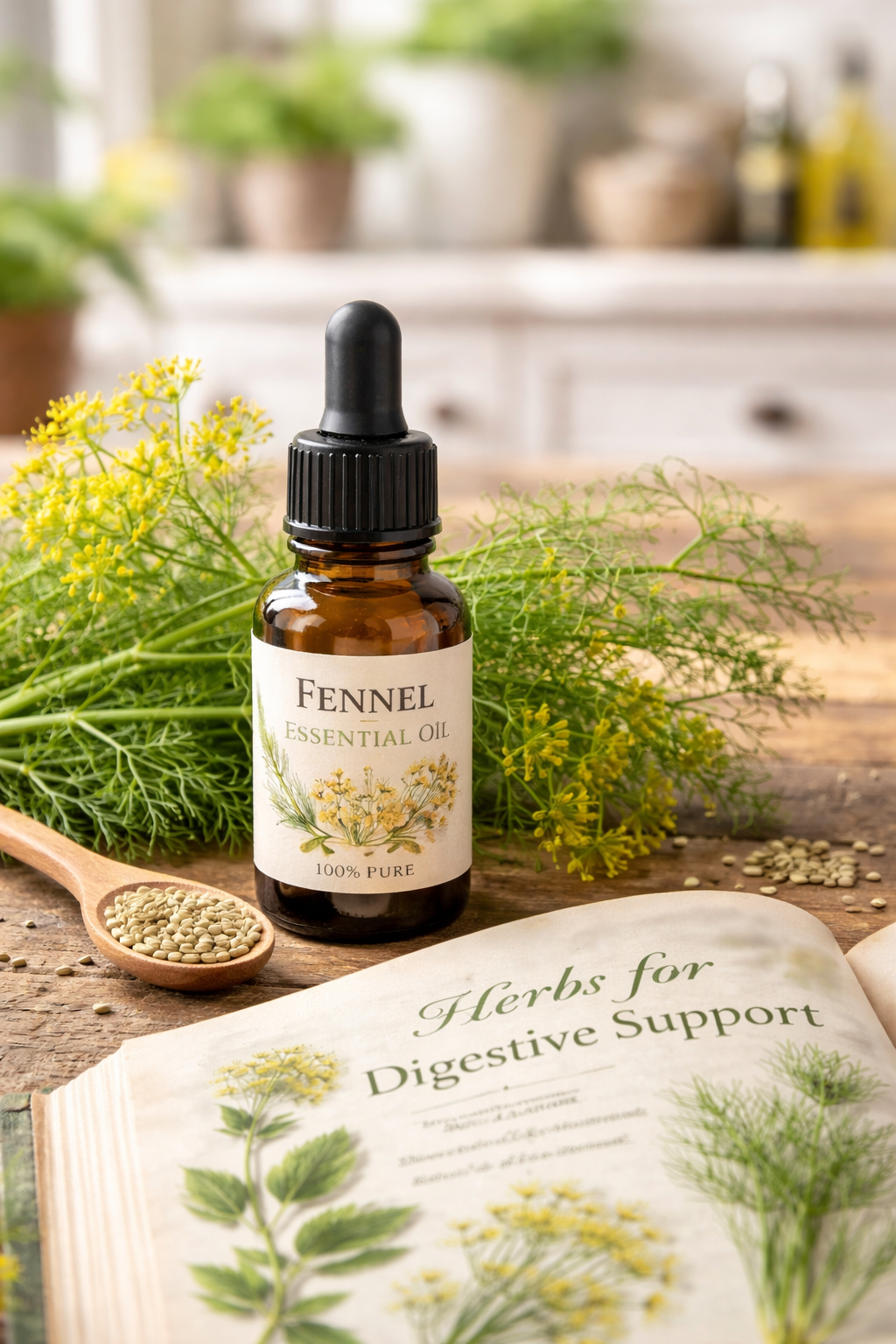
Discover Fennel Essential Oil
A Comprehensive Guide to Origins, Benefits, and Uses
Fennel essential oil has long occupied a respected place in traditional herbal medicine, culinary culture, and aromatic practice, particularly throughout the Mediterranean region. Distilled primarily from the fruits (commonly referred to as seeds) of the fennel plant, this sweet, licorice-like oil has been valued not only for its distinctive aroma but also for its long-standing association with digestion, comfort, and balance.
Historically, fennel was regarded as a practical household plant rather than a luxury. It was commonly grown near kitchens and gardens as a readily available seasoning and home remedy. Its seeds were used to flavour food, ease digestive discomfort after meals, freshen the breath, and support respiratory comfort, while aromatic preparations appeared in folk traditions across Europe, the Middle East, and parts of Asia. These uses developed long before the oil’s chemistry was understood, relying instead on observation, shared knowledge, and everyday experience.
Today, fennel essential oil continues to attract interest because it aligns well with modern wellness preferences: plant-based tools that feel familiar, gentle, and multifunctional when used appropriately. Rather than promising dramatic effects, fennel is often valued for steady, supportive roles—particularly in digestion-focused routines, respiratory blends, and aromatic applications—bridging traditional knowledge with contemporary curiosity and evidence-informed caution.

What Is Fennel Essential Oil?
Fennel essential oil is a concentrated aromatic oil obtained primarily from the fruits of Foeniculum vulgare, a flowering plant belonging to the Apiaceae (carrot) family. Botanically related to anise, dill, and cumin, fennel shares an anethole-rich aroma profile while expressing distinct nuances depending on variety and growing conditions.
The plant is native to the Mediterranean basin but is now cultivated widely in Europe, India, China, and parts of North America for culinary, medicinal, and industrial purposes. Several varieties exist, most notably sweet fennel and bitter fennel. Pharmacopoeias often distinguish between these oils based on the relative proportions of key constituents such as trans-anethole and fenchone—differences that subtly influence aroma, flavour, and safety considerations.
Traditionally, fennel seeds were used across cultures to support digestion, reduce bloating and gas, and promote comfort after heavy meals. In various herbal systems, fennel preparations were also associated with women’s wellness, respiratory support, and symbolic themes of clarity and vitality, including ancient Greek associations with vigilance and moderation.
How Is Fennel Essential Oil Extracted?
Harvesting the Raw Material
Fennel essential oil is derived from the dried fruits of the fennel plant, which contain specialized oil ducts rich in volatile aromatic compounds. Harvesting typically occurs once the umbels have fully matured and dried on the plant, at which point the fruits have developed their characteristic aroma and oil content. After collection, the fruits are cleaned and may be lightly crushed or bruised to help release the essential oil during distillation.
Oil quality is influenced by factors such as cultivar, soil composition, climate, altitude, harvest timing, and post-harvest drying conditions. Research shows that essential oil yield and the balance of major constituents—such as trans-anethole, fenchone, limonene, and estragole—can vary notably between genotypes and growing seasons. For this reason, reputable producers often emphasize chemotype identification, batch testing, and clear labelling. Sustainability and ethical cultivation are also important considerations, as fennel is frequently grown on a large agricultural scale and may form part of crop-rotation systems.
Steam Distillation Process
Fennel essential oil is extracted using steam or hydro-distillation, methods commonly employed for seeds and other plant materials rich in volatile constituents.
The process generally involves the following stages:
- Preparation – Cleaned fennel fruits are dried to an appropriate moisture level and may be lightly crushed to increase surface area and improve oil release.
- Steam Exposure – Steam passes through the plant material, rupturing oil ducts and allowing aromatic compounds to vaporize.
- Condensation – The steam and oil vapours are cooled and condensed back into liquid form.
- Separation – The essential oil separates naturally from the water and is collected.
- Refinement – The oil may be filtered, rested, or gently redistilled to improve clarity and remove heavier or undesirable notes.
The remaining aromatic water is known as fennel hydrosol. While less concentrated than the essential oil, it may be used separately in mild applications such as room sprays or gentle skin-refreshing products.
Chemical Composition of Fennel Essential Oil
Fennel essential oil contains a range of naturally occurring aromatic compounds that give it its characteristic scent and functional properties. Most commercial fennel seed oils are dominated by phenylpropanoids and monoterpenes.
Key constituents commonly include:
- Trans-anethole – The primary compound responsible for fennel’s sweet, licorice-like aroma; often comprising 50–90% of the oil.
- Fenchone – Contributes a slightly bitter, camphoraceous, more herbal note; typically present in smaller but significant amounts.
- Estragole (methyl chavicol) – Usually present in low to moderate levels; adds aromatic complexity but warrants safety consideration at high doses.
- Limonene – Adds a light citrus brightness, usually as a minor component.
Additional constituents may include α-pinene, p-cymene, γ-terpinene, and other minor compounds. Composition varies depending on plant part, cultivar, and distillation method, which is why GC–MS analysis is commonly used to verify quality and authenticity.
What Are The Health Benefits of Fennel Essential Oil?
Traditionally Recognized Benefits
Historically, fennel preparations were used to support:
- Digestive comfort, including bloating, gas, and post-meal heaviness
- Appetite balance and moderation
- Respiratory clarity through aromatic use
- Women’s wellness traditions, particularly in the form of teas and whole-seed preparations
- General aromatic cleansing and deodorising of living spaces
These uses were grounded in culinary practice, sensory experience, and tradition rather than modern clinical testing, and they typically involved whole seeds or infusions rather than concentrated essential oil.
What Modern Research Is Exploring
Modern research has examined fennel essential oil and its constituents in laboratory, animal, and limited human contexts, exploring areas such as:
- Digestive enzyme activity and gut motility in experimental models
- Smooth muscle relaxation, potentially explaining traditional digestive uses
- Antioxidant activity in standard assay systems
- Antimicrobial and antifungal effects under controlled conditions
Some animal studies have also explored metabolic and cardiovascular markers following inhalation exposure, though these findings do not directly translate to routine human aromatherapy use.
Common Everyday Fennel Uses
Fennel essential oil has a wide range of uses, some of the most notable benefits being:
- Digestive Health: Fennel essential oil is commonly used to aid digestion and reduce digestive issues such as bloating, gas, and indigestion.
- Respiratory Health: Fennel essential oil is known to help support the respiratory tractin times of congestion, coughs, and other respiratory issues.
- Menstrual Support: Fennel essential oil is believed to help support menstrual cycle balance and assist with symptoms associated with PMS, such as cramps and mood swings.
- Breast Milk Production: Fennel essential oil has been traditionally used to support milk production in nursing mothers.
- Skin Care: Fennel essential oil has antimicrobial properties that can help soothe skin irritation.
Cautionary Note: - Human outcomes may vary, and fennel essential oil should not be viewed as a substitute for medical care.
Can Fennel Essential Oil Support Brain and Nervous System Health?
Interest in fennel essential oil has extended into discussions of emotional and nervous system support, largely through its aroma. Its sweet, warm scent is often described as calming yet gently uplifting, making it a familiar component in comfort-focused diffuser blends.
Areas of emerging interest include:
- Aromatic support during periods of mental fatigue or transition
- Emotional regulation through scent association and ritual use
- Indirect links between oxidative stress modulation and nervous system health in experimental models
These areas remain exploratory, and therapeutic claims related to anxiety, depression, or neurological conditions should be avoided. Consultation with a qualified healthcare professional is advised before targeted use, particularly for individuals with medical conditions or during pregnancy and breastfeeding.
How to Use Fennel Essential Oil Safely
Fennel essential oil can be used in a variety of ways, including aromatherapy, topical application, and ingestion. Here are some ways to use fennel essential oil:
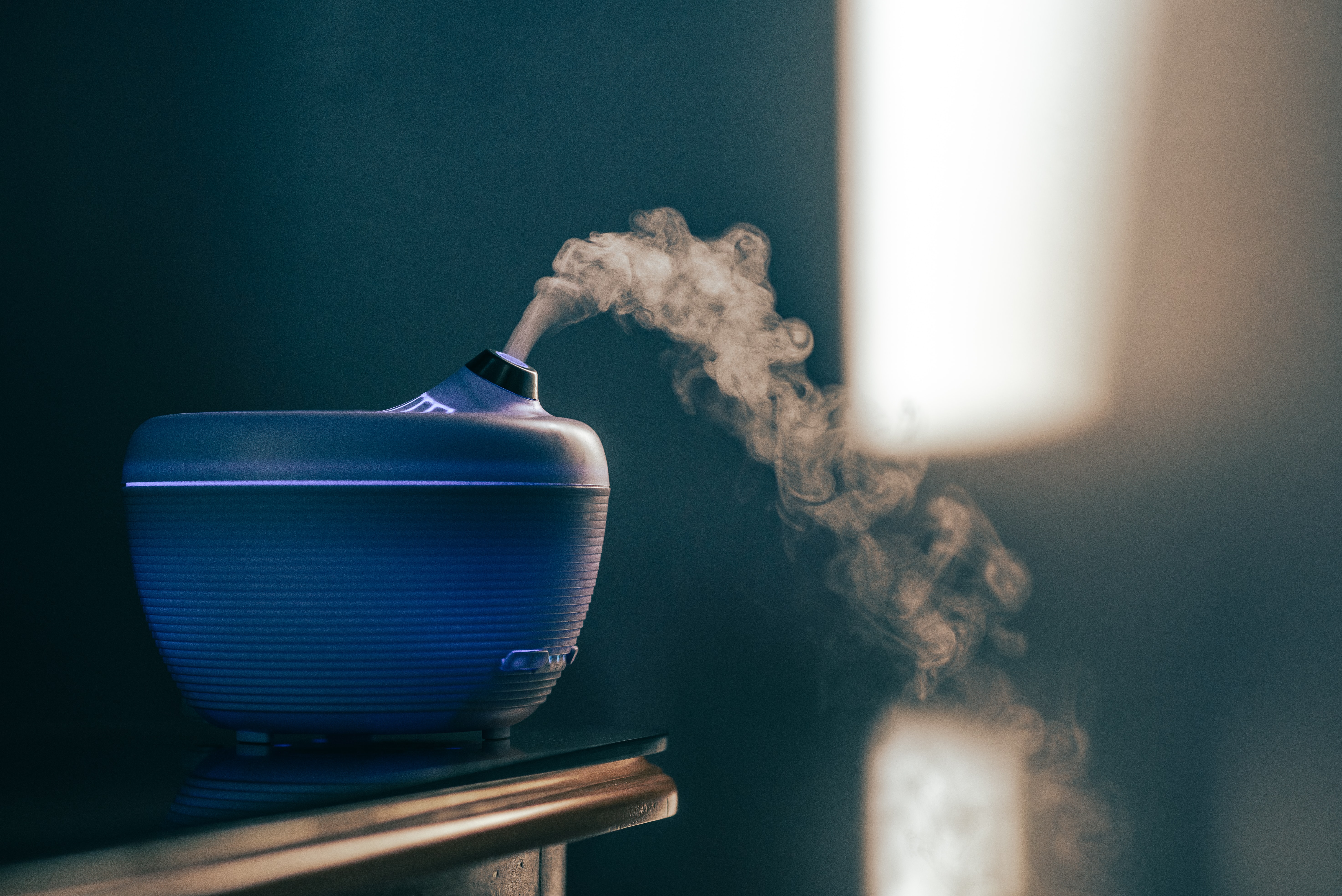
- Aromatherapy: Add a few drops of fennel essential oil to a diffuser or vaporizer to help promote relaxation and ease respiratory issues.
- Topical Application: Dilute fennel essential oil in a carrier oil such as coconut oil and apply to the skin to soothe skin irritation and support digestive health.
- Ingestion (under professional guidance): Add a drop of food grade fennel essential oil to a cup of tea or water to help aid digestion and support menstrual and breast health.
Fennel Oil Safety Notes
- Do not use undiluted on skin
- Avoid internal use unless under professional guidance
- Not recommended during pregnancy, breastfeeding, or for young children
- Store in a cool, dark place and discard oxidized oil
What Does Fennel Essential Oil Smell Like?
Fennel essential oil has a sweet, spicy, anise-like aroma with warm, subtly herbal undertones. Softer and rounder than anise or star anise, it carries a slightly greener, earthier edge.
The scent is familiar in cultures where fennel seeds are chewed after meals or used in confectionery, contributing to its long-standing association with digestion, clarity, and warmth.
What other essential oils does Fennel Essential Oil blend well with?
Fennel blends particularly well with:
- Citrus oils – brighten and lighten its sweetness
- Spice oils – enhance warmth when used sparingly
- Floral oils – soften and round the aroma
- Herbal and seed oils – create cohesive, kitchen-herb accords
Because fennel is potent, it is best used at low percentages in blends.
Why Is Fennel Associated with Digestion and Balance?
Fennel’s reputation developed through consistent, everyday use. Seeds were chewed after meals, brewed into teas, and incorporated into simple household routines. Over time, this practical role shaped fennel’s symbolic association with clarity, steadiness, and digestive restoration—qualities that carried forward into essential oil use as distillation techniques evolved.
In Conclusion
Fennel essential oil remains relevant because it reflects a long tradition of gentle, supportive plant use rooted in daily life. Its sweet aroma, historical associations with digestion and comfort, and growing body of experimental research make it a steady presence in aromatherapy when used thoughtfully.
Approached with respect for both tradition and safety, fennel essential oil continues to serve as a quiet bridge between ancient household wisdom and modern, evidence-informed self-care.
If you want tips on natural wellness, you can get them straight to your inbox.

Enter your email below and I’ll share new articles, reflections, and practical insights as they’re published.
Side Thoughts
Thanks for visiting here. If you'd like to stay in touch with our regular updates, then we'd love you to subscribe to our Detox-For-Life Newsletter.
We are a participant in the Amazon Services LLC Associates Program, an affiliate advertising program designed to provide a means for us to earn fees by linking to Amazon.com and affiliated sites.
NEWSLETTER
New pages, fresh perspectives, and practical detox-for-life insights are shared first with newsletter readers.
Recent Articles


-
Fennel Essential Oil: Aromatic and Soothing Oil with Health Benefits
Apr 14, 26 03:36 PM
 Fennel Essential Oil - Learn how this sweet, licorice-like oil supports digestion and everyday wellness.
 -
Beyond Curry: Turmeric Essential Oil - Benefits, Uses & Safety Guide
Mar 16, 26 07:19 AM
Explore Turmeric Essential Oil - Spice up your life with this golden oil. From adding a zesty kick to your morning smoothie to giving your skin a radiant glow -
Liver Cleanse Guide: Support Your Liver the Natural Way
Mar 03, 26 01:37 AM
 Discover how a gentle liver cleanse supports detox, digestion, metabolism, clear skin and steady energy using food, herbs and simple daily habits.