
Flu Protection
Natural Immune Support During Flu Season
When people talk about flu protection, what they usually mean is finding ways to support their immune system so it can respond more effectively during flu season.
Flu season tends to arrive whether we feel ready or not. While there’s no single herb, supplement, or ritual that guarantees you won’t get sick, there are well-known natural supports that people have used for generations to help the body cope more effectively during times of increased immune demand.
This page isn’t about fighting your body or chasing miracle cures. It’s about supporting normal immune function, easing common seasonal discomforts, and giving your system the resources it needs to do its job well.
Think of these tools as helpers, not heroes. They work best when used consistently, sensibly, and as part of a broader approach that includes rest, hydration, nourishment, and common sense.
Herbal & Natural Supports Commonly Used During Flu Season
Below you’ll find some of the most widely used herbs, foods, and nutrients for seasonal immune support. Each has a long history of traditional use and is generally valued for supportive properties rather than dramatic effects.
Elderberry (Sambucus nigra)
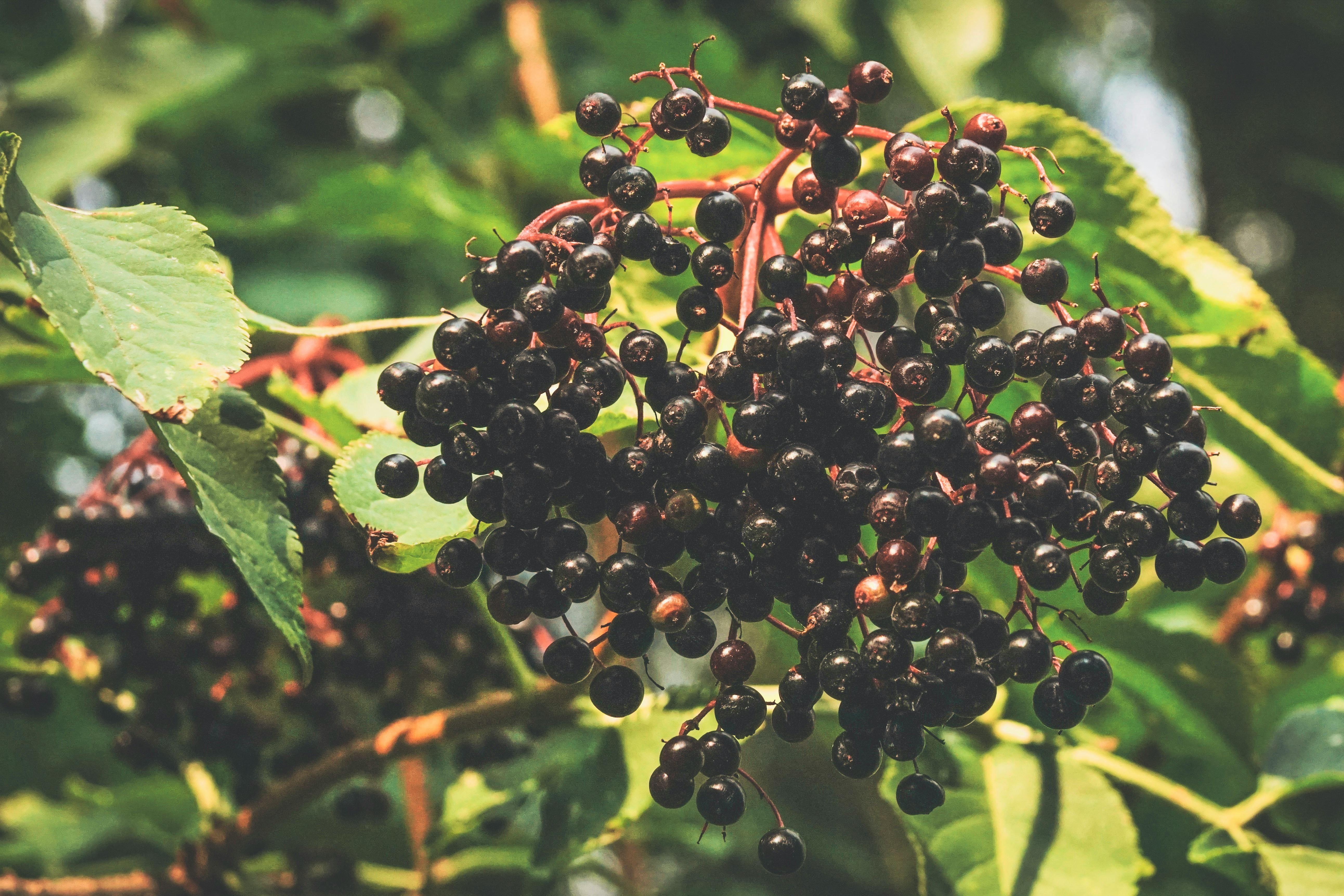
Elderberry is one of the most popular plants associated with winter wellness. It’s naturally rich in flavonoids and anthocyanins — compounds that support the body’s normal immune response and antioxidant activity.
Traditionally, elderberry has been used during colder months to help the body respond to seasonal challenges and to support overall resilience when immune systems are under pressure.
Suggested use:
- Commonly taken as a syrup, once daily during winter
- Often increased slightly at the first sign of feeling run down
- Can also be found in lozenges or liquid extracts
Elderberry is generally best viewed as a seasonal companion, not a short-term fix.
Echinacea (Echinacea purpurea / angustifolia)
Echinacea has a long history of traditional use in immune-focused herbal practices. It’s often used to support immune responsiveness rather than long-term daily supplementation.
Many people turn to echinacea when they feel their immune system needs extra attention, particularly during times of stress, fatigue, or increased exposure.
Suggested use:
- Often taken short-term, not continuously
- Common forms include tinctures, capsules, or teas
- Frequently used at the early stages of immune strain
Echinacea is best used thoughtfully and cyclically rather than as an everyday supplement.
Garlic (Allium sativum)
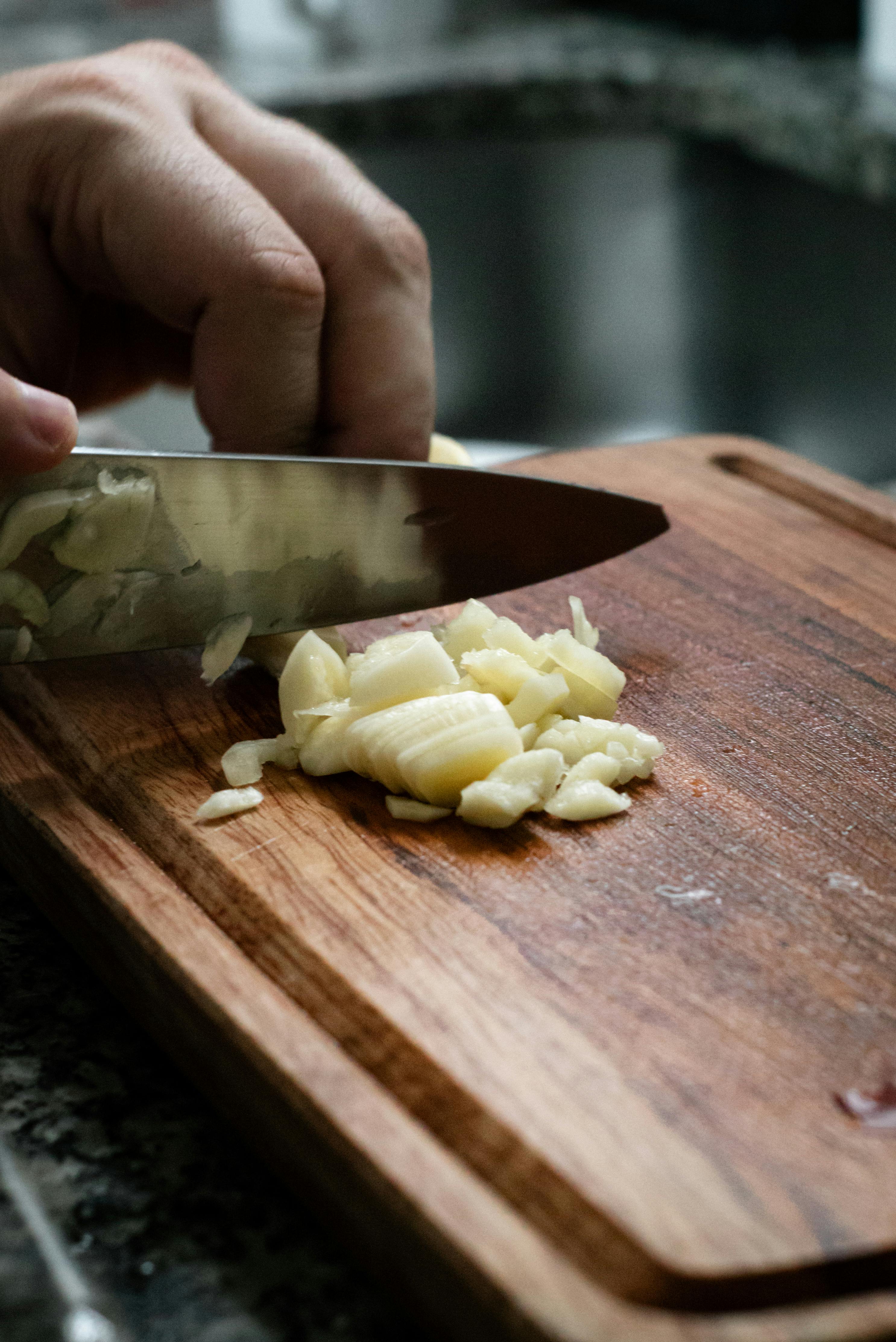
Garlic is one of the most widely used functional foods in the world — and for good reason. Beyond its unmistakable aroma, garlic contains sulfur compounds that support immune activity and general wellness.
Raw garlic has traditionally been used during winter months to support the body’s natural defences and overall vitality.
Suggested use:
- Fresh garlic added to meals
- Raw garlic finely chopped and mixed with honey
- Included in soups and broths during colder months
A popular traditional option is a simple “garlic flu shot” made with crushed garlic, honey, ginger, and lemon — potent, yes, but not subtle.
See
Thyme (Thymus vulgaris)
Thyme is a familiar kitchen herb with a long history of use in respiratory and seasonal support. It has traditionally been used to support clear breathing and comfort during seasonal congestion.
Its aromatic nature makes it especially useful when seasonal challenges involve the upper respiratory tract.
Suggested use:
- Brewed as a thyme tea
- Used in steam inhalation
- Added generously to soups and stews
Thyme works quietly but effectively — a reminder that simple herbs often earn their place through consistency, not hype.
Ginger (Zingiber officinale)
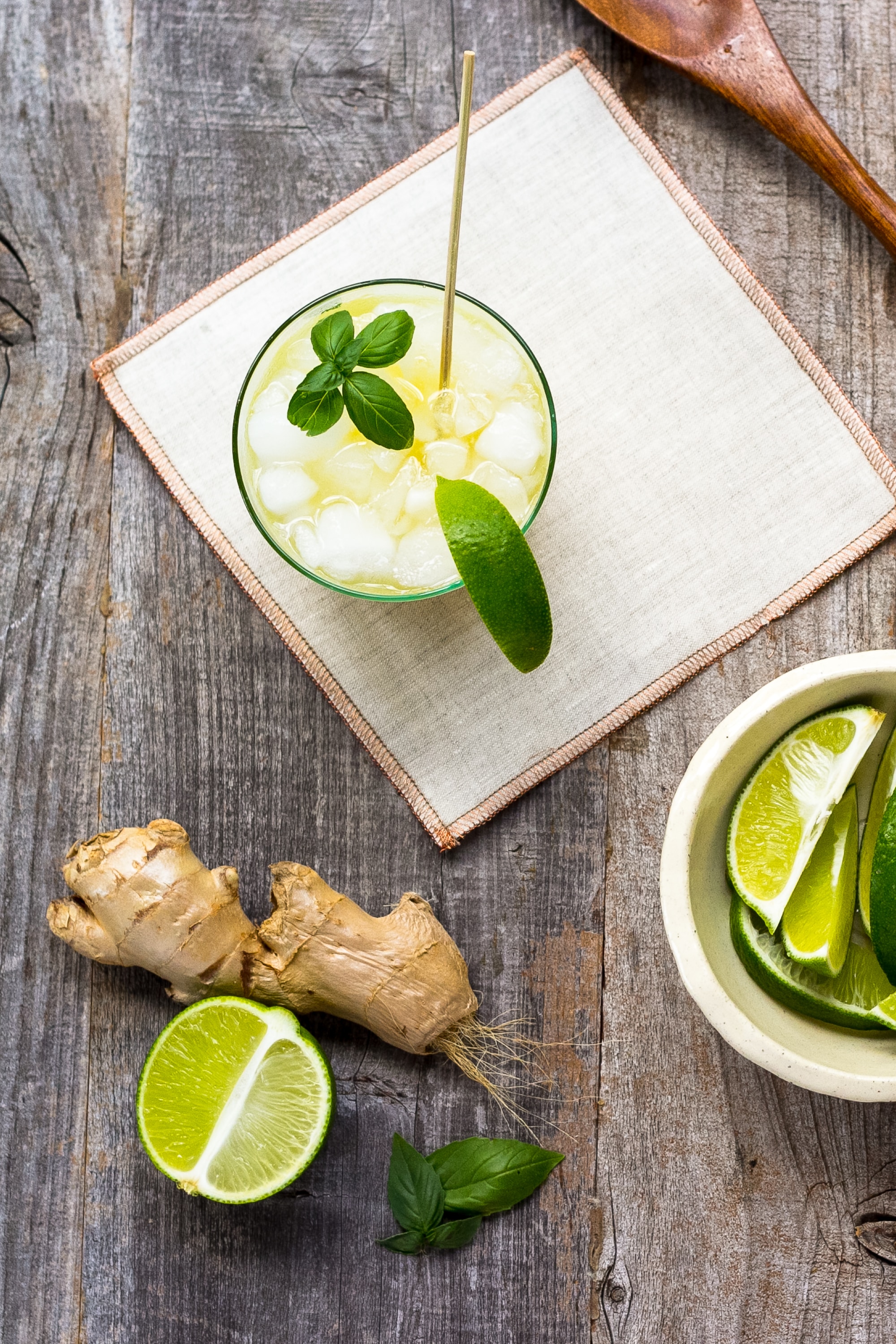
Ginger is warming, stimulating, and widely used to support circulation and digestion — both of which play indirect roles in immune health.
During flu season, ginger is often used to support comfort, warmth, and general resilience, especially when the body feels sluggish or depleted.
Suggested use:
- Fresh ginger tea
- Added to meals, broths, or honey mixtures
- Combined with lemon for a warming drink
Ginger is one of those rare supports that feels helpful and pleasant to use daily.
Oregano (Origanum vulgare)
Oregano is a robust herb traditionally valued for its strong aromatic compounds. It has been used in various forms to support the body during times of increased immune demand.
Oregano is potent, which is why it’s usually used short-term rather than continuously.
Suggested use:
- As a culinary herb in cooked meals
- Oregano tea (mildly brewed)
- Oregano oil only when properly diluted and used cautiously
A little goes a long way — oregano is supportive, not something to overdo.
Peppermint (Mentha × piperita)
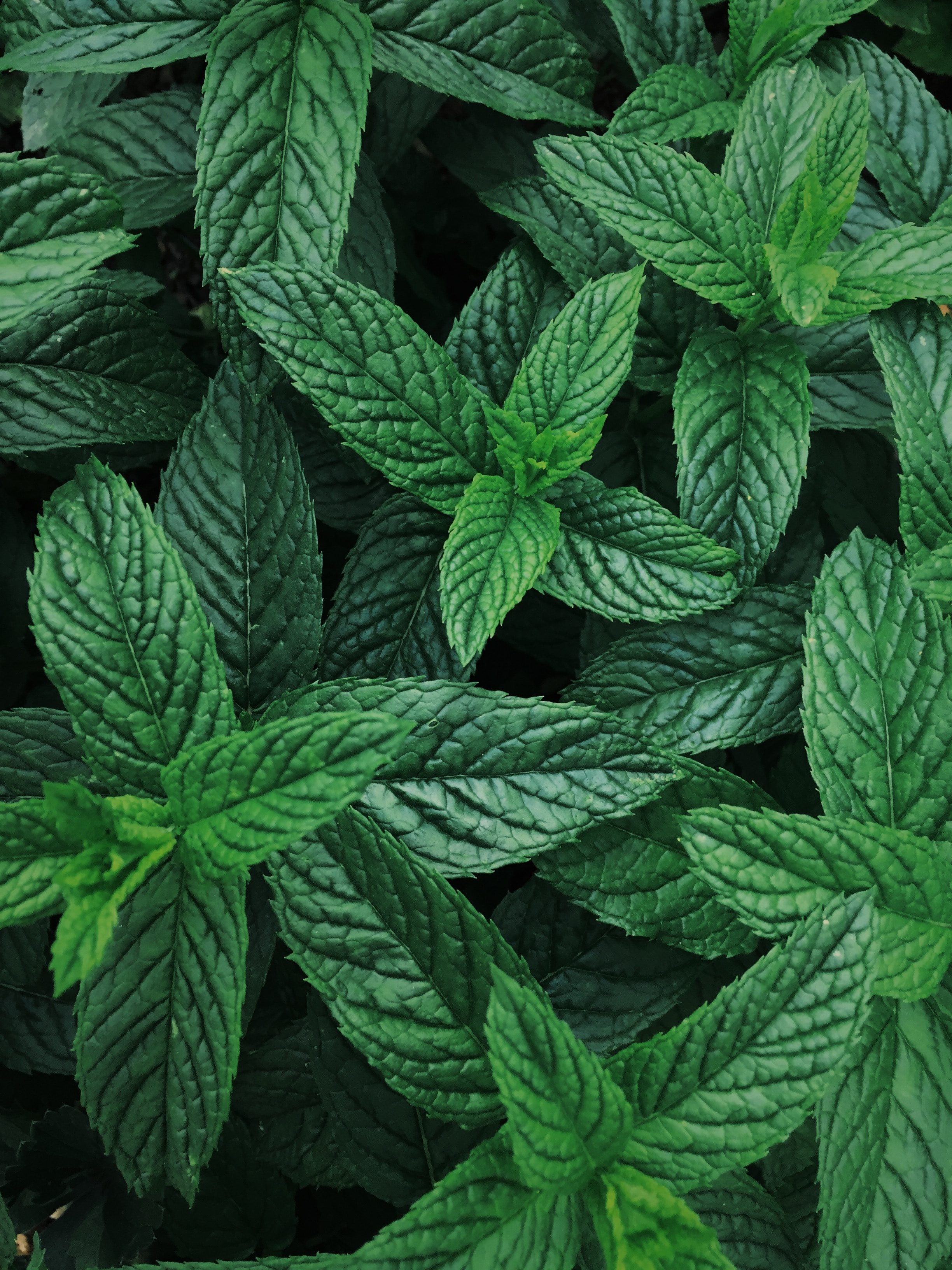
Peppermint is well known for its cooling, refreshing qualities. Traditionally, it’s been used to support breathing comfort, digestion, and mental clarity during seasonal challenges.
Its menthol content makes it especially popular for congestion and sinus discomfort.
Suggested use:
- Peppermint tea
- Steam inhalation
- Added to warm drinks for flavour and aroma
Peppermint is gentle, widely tolerated, and easy to include in daily routines.
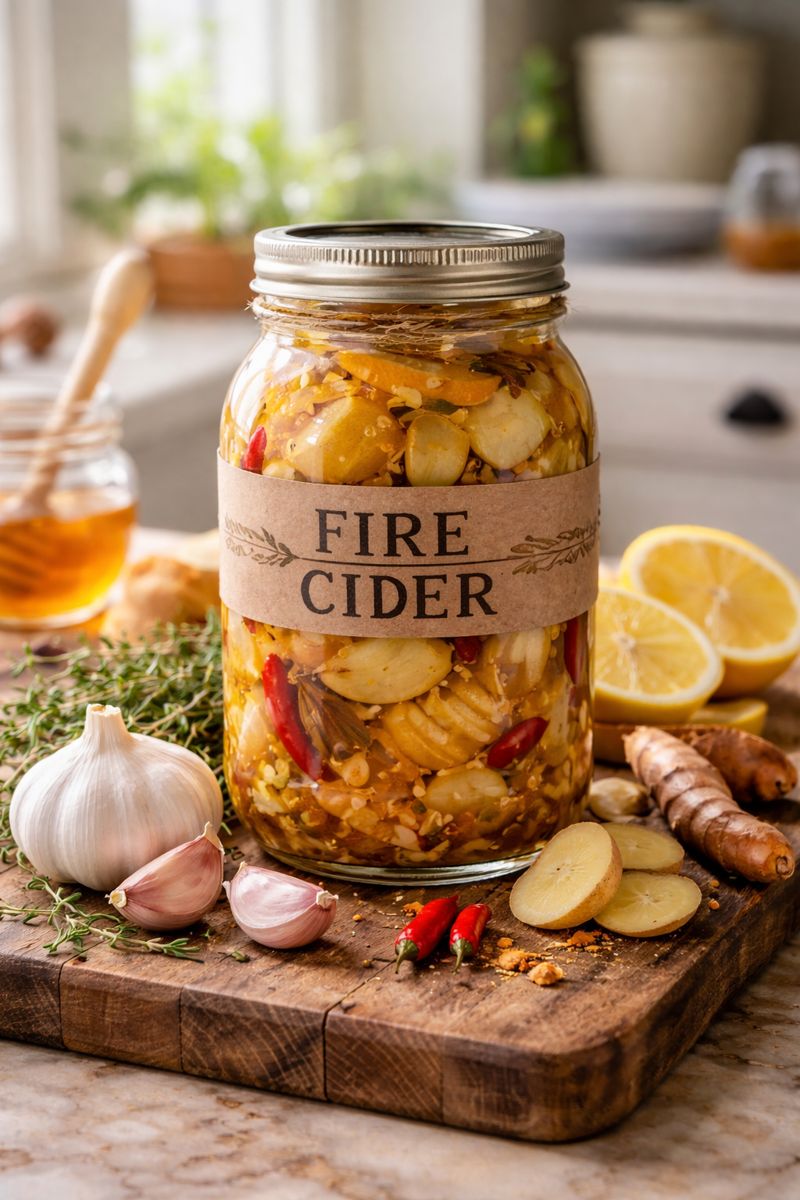
Fire Cider
Fire cider is a traditional herbal tonic made by infusing apple cider vinegar with warming herbs and foods such as garlic, onion, ginger, chilli, and horseradish. It’s commonly used during colder months as part of a flu-protection routine because these ingredients have long histories of supporting circulation, digestion, and respiratory comfort. Rather than acting as a quick fix, fire cider works best as a daily or short-term seasonal tonic that gently stimulates the body’s natural defences. Many people find it especially useful at the first sign of seasonal sniffles or when energy feels low.
Suggested use: Fire cider is typically taken in small daily doses during winter or at the first sign of immune stress. It can be taken straight, diluted in warm water, or added to dressings and tonics.
Popular Nutritional Supplements Used for Flu Protection
In addition to herbs and foods, many people choose targeted nutrients during flu season to support normal immune function.

Vitamin C
Vitamin C supports immune cell activity and antioxidant protection. While it doesn’t prevent illness on it's own, it plays a role in helping the body respond efficiently.
Suggested use:
- Daily supplementation during winter
- Increased intake during periods of stress or exposure
- Best taken with food
Consistency matters more than mega-dosing.

Zinc
Zinc is involved in immune cell communication and normal immune responses. Even mild deficiencies can affect immune efficiency.
Suggested use:
- Short-term supplementation during flu season
- Lozenges or capsules for flu protection
- Avoid long-term high doses unless advised
Zinc works best as a supportive mineral, not a daily excess.
L-Lysine
L-lysine is an essential amino acid that plays a role in immune function and tissue repair. It is most well known for supporting the healing and prevention of outbreaks caused by the herpes simplex virus, which is responsible for cold sores. L-lysine is thought to work by limiting the availability of arginine, an amino acid that the herpes virus relies on for replication.
While its strongest evidence relates to cold sore prevention and recovery, there are limited studies suggesting that L-lysine may help shorten the duration of common cold symptoms when taken during periods of immune stress. For this reason, it’s often included as part of broader flu protection and immune-support protocols rather than used as a standalone remedy.
Suggested use: L-lysine is commonly taken as a daily supplement during times of immune challenge or at the first sign of viral stress, including cold sores or seasonal illness.
Olive Leaf (Olea europaea)
Olive leaf has a long history of traditional use and has gained modern interest for its role in immune support, particularly during flu season. A key phytochemical in olive leaf, called oleuropein, has been shown in research settings to be able to hinder the spread of viruses by interfering with their ability to replicate and attach to host cells. Beyond this, olive leaf also supports antioxidant activity and overall immune resilience, making it a popular addition to natural flu protection routines.
Suggested use: Olive leaf is commonly taken as a capsule, liquid extract, or tea during periods of increased immune demand. It’s often used daily for short periods during winter or when immune support feels especially important.
Carotenoid Complex
Carotenoids are plant pigments found in colourful fruits and vegetables. They support antioxidant activity and overall immune health.
Suggested use:
- Through diet (carrots, sweet potatoes, leafy greens)
- Or as a mixed carotenoid supplement - quality is so important here.
These nutrients work quietly in the background — exactly where immune support belongs.
Cinnamon & Lemon
Cinnamon and lemon are classic flu protection allies. Cinnamon provides warmth and aromatic compounds, while lemon contributes vitamin C and freshness.
Suggested use:
- Added to teas
- Mixed with honey and ginger
- Used regularly rather than occasionally
Sometimes the most familiar remedies stick around because they work well enough.
Best Ways to Use These Flu Protection Supports Together
You don’t need to use everything at once. In fact, doing less — consistently — often works better.
Teas 🍵
Thyme, sage, peppermint, and ginger can be brewed as daily teas, alone or blended.
Syrups
Elderberry syrup is ideal for daily use during winter months.
Inhalation
Peppermint and thyme can be used in steam inhalation (with a towel over the head) to support clear breathing.
Raw & Food-Based
Garlic, ginger, lemon, and honey can be taken in food or simple home preparations. 🍋🟩
A Gentle Reminder About Flu Support
None of these approaches replace medical care, and none guarantee immunity. What they can do is help create an internal environment that supports your body’s natural ability to respond, recover, and regulate itself.
Flu season doesn’t require panic — just preparation, consistency, and respect for how the body actually works.
Supporting your immune system isn’t about chasing the strongest remedy or reacting at the last minute. It’s about steady, thoughtful support over time — the kind your body recognises and knows how to use.
If nothing else, flu season is a reminder to slow down, nourish yourself, and give your immune system fewer obstacles and a little more help.
Flu protection works best when built on strong foundations — you can explore those basics in our immune system health page. 💪
If you want tips on natural wellness, you can get them straight to your inbox.

Enter your email below and I’ll share new articles, reflections, and practical insights as they’re published.


