- Home
- What Are Essential Oils?
- Turmeric Essential Oil
Turmeric Essential Oil
A Comprehensive Guide to Origins, Benefits, and Uses
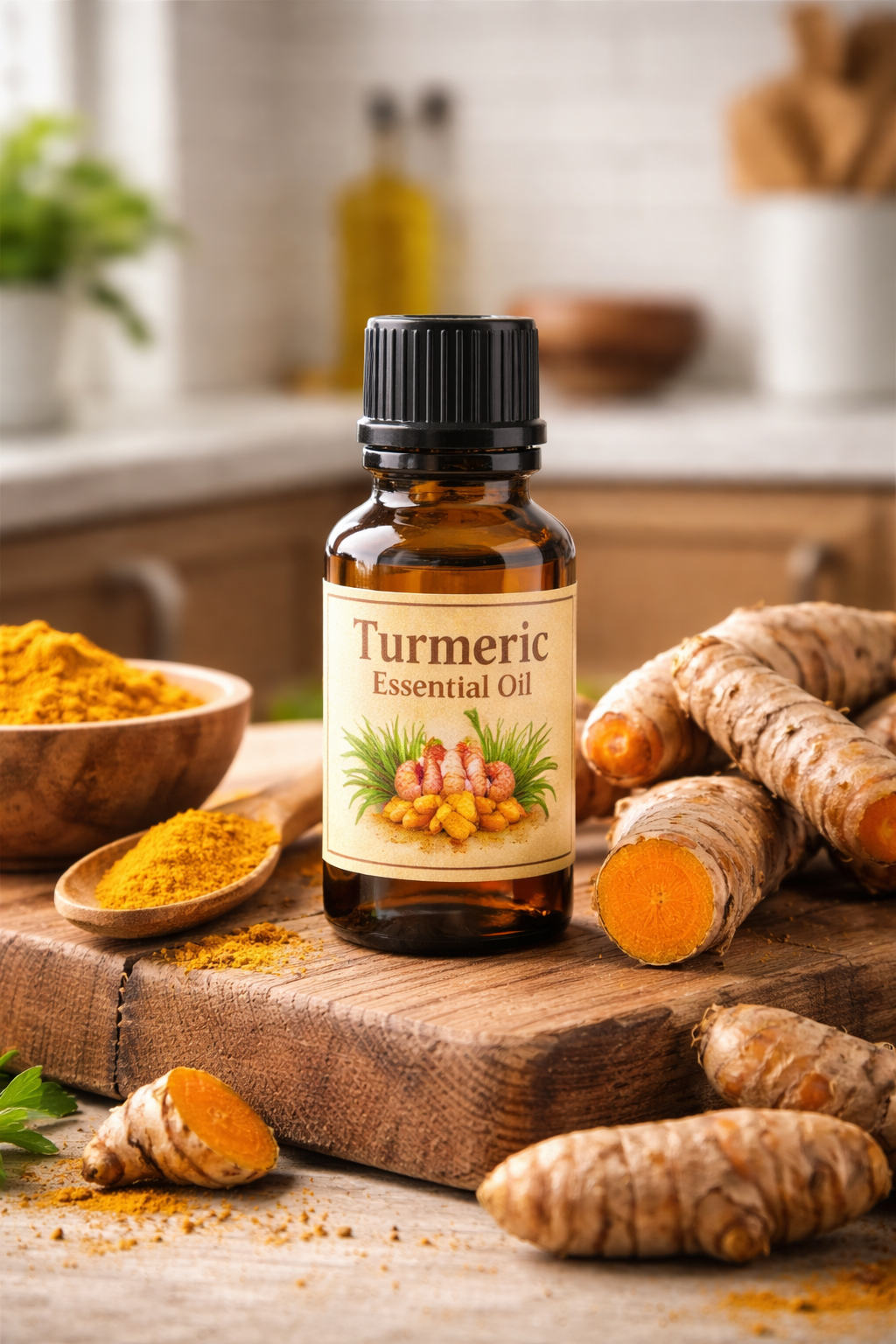
Turmeric essential oil has long been associated with culinary tradition, herbal medicine, and cultural ritual across South Asia and beyond. Best known as the golden spice that gives curry its colour, turmeric’s influence extends well beyond the kitchen into domains of skincare, spiritual symbolism, and household remedies. Distilled into essential oil from the plant’s underground rhizomes, turmeric essential oil offers a concentrated aromatic expression of this ancient root, capturing volatile compounds that differ markedly from those found in powdered turmeric.
Historically, turmeric was valued not only for flavour and colour, but for its role in purification rituals, skin preparations, and traditional wellness practices, particularly within Ayurvedic, Siddha, and related Asian medical systems. Long before modern chemistry identified its active constituents, turmeric was associated with protection, warmth, and balance, often symbolising auspiciousness and harmony within home and community life. Today, turmeric essential oil continues to attract attention as interest grows in plant-based wellness tools that bridge traditional knowledge and modern research. Its relevance lies not in exaggerated promises, but in its complexity—an oil valued for aroma, topical support, and emerging areas of scientific study.
What Is Turmeric Essential Oil?
Turmeric essential oil is a steam-distilled oil obtained from the dried rhizomes (roots) of Curcuma longa, a perennial plant belonging to the ginger family (Zingiberaceae). Dried turmeric rhizomes typically contain around 3–6% essential oil, with yields influenced by cultivar, climate, soil conditions, and post-harvest handling. Unlike turmeric spice or curcumin extracts, which are rich in non-volatile pigments and phenolic compounds, the essential oil is dominated by volatile aromatic molecules.
Botanical Source
- Latin name: Curcuma longa
- Plant family: Zingiberaceae (ginger family)
- Plant part used: Rhizome (underground stem)
Geographic Origins
Turmeric is native to India and Southeast Asia, where it has been cultivated for thousands of years, often within mixed farming systems integrating rice, spices, and medicinal plants. India remains the world’s largest producer and exporter, with additional cultivation in Sri Lanka, Indonesia, China, and newer production regions such as Ethiopia and parts of Latin America. While local chemotypes vary, turmeric rhizome oils from diverse regions consistently show turmerones and curlone as dominant constituents.
Traditional Uses Across Cultures
Historically, turmeric was used in:
- Ayurvedic and Siddha traditions, commonly prepared as pastes, decoctions, or infused oils for skin and musculoskeletal comfort
- Skin and cosmetic preparations, including ceremonial and pre-wedding applications to brighten and even the appearance of skin
- Ceremonial cleansing and religious rituals, where turmeric symbolised purity, protection, and blessing
- Food preservation and colouring, aided by its pigments and long-recognised effects on the stability of stored foods
While turmeric powder is widely consumed as a culinary spice, turmeric essential oil represents a non-culinary aromatic extract with distinct properties and applications. It is most often used in aromatherapy, perfumery, cosmetic formulations, and—under experienced guidance—in traditional massage or medicated oil preparations.
How Is Turmeric Essential Oil Extracted?
Harvesting the Raw Material
Turmeric plants require approximately 8–10 months to reach maturity, depending on variety and growing conditions. Harvesting typically occurs once the leaves yellow and die back, indicating that the rhizomes have reached optimal starch and volatile oil development.
Distillation Process
- Environment: Warm, humid tropical climates with fertile, well-drained soils
- Harvest timing: Late in the growing season, often aligned with dry weather to minimise spoilage
- Sustainability note: Responsible producers emphasise crop rotation, soil regeneration, and low-input or organic practices to mitigate nutrient depletion and monoculture risks
Turmeric essential oil is extracted through steam distillation, a method chosen to preserve volatile aromatic compounds while separating them from fibrous plant tissue and non-volatile pigments.
Step-by-step overview:
- Rhizomes are harvested, washed, and sorted
- Roots are sliced and dried (sun-dried or mechanically dried) to reduce moisture
- Dried material is coarsely ground to increase surface area
- Steam passes through the plant material, releasing volatile compounds
- Vapour is condensed and collected
- Oil separates naturally from the hydrosol, then filtered and stored in light-protected containers
Why the method matters:
Steam distillation produces an oil rich in aromatic sesquiterpenes, distinct from the curcuminoids found in turmeric powder extracts. Variables such as rhizome age, distillation duration, and pressure influence the relative proportions of ar-turmerone, α-turmerone, β-turmerone, and curlone, giving rise to chemotypes suited to different aromatic or topical applications.
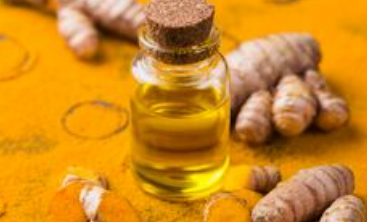
Chemical Composition of Turmeric Essential Oil
Turmeric essential oil is not rich in curcumin, which is largely non-volatile and remains in powdered or solvent-based extracts. Instead, the oil consists primarily of aromatic compounds responsible for its scent and topical characteristics, particularly bisabolane-type sesquiterpenes.
Key Compounds
- ar-Turmerone
- α-Turmerone
- β-Turmerone
- Curlone (also referred to as β-atlantone in some analyses)
- Zingiberene, along with minor constituents such as β-sesquiphellandrene and germacrone
Analytical studies consistently identify ar-turmerone as a dominant component, often comprising 20–30% of the oil, with α-turmerone and curlone together contributing a further 25–35%. Some chemotypes also contain modest levels of monoterpenes such as α-phellandrene or 1,8-cineole, lending subtle brightness to the aroma.
Why These Compounds Matter
These constituents are studied for their association with:
- Anti-inflammatory activity in cellular and animal models
- Antioxidant potential, including free-radical scavenging in vitro
- Antimicrobial effects relevant to cosmetic and preservation contexts
- Aromatic and neurological effects observed in preclinical research
These findings remain preclinical and do not equate to guaranteed outcomes in everyday human use.
What Are The Health Benefits
of Turmeric Oil?
Traditionally Recognised Uses
Across traditional systems, turmeric preparations—rather than isolated essential oil—were historically used to support skin appearance, promote comfort after physical strain, cleanse the body and living spaces, and encourage balance and resilience. Turmeric essential oil continues to be used today in similarly supportive, non-medical contexts, typically in diluted blends for massage, anointing, or aromatic diffusion.
What Modern Research Is Exploring
Contemporary research is investigating turmeric oil and its constituents in relation to inflammatory pathways, oxidative stress, skin health, and nervous-system interaction. Turmerones have shown the ability to modulate inflammatory mediators and oxidative markers in laboratory and animal studies, while cosmetic research explores turmeric oil’s role in skin-supportive and antimicrobial formulations. Aromatherapy traditions, combined with emerging preclinical findings, have also contributed to interest in its effects on mental clarity and emotional grounding.
These properties have been studied primarily in laboratory and animal settings. Human outcomes may vary, and turmeric essential oil should not replace medical care.
Supports a healthy inflammatory response
One of the most discussed turmeric essential oil benefits is its association with compounds that have been studied for their role in inflammatory pathways. In aromatherapy and diluted topical blends, turmeric essential oil is often used to support comfort after physical exertion or everyday muscle and joint strain.
Helps support clear, healthy-looking skin
Turmeric essential oil contains aromatic compounds that have demonstrated antioxidant and antimicrobial activity in laboratory research. When diluted in skincare formulations, it may help support the appearance of clearer skin and contribute to a more balanced, radiant complexion.
Contributes to overall wellness and immune resilience
Among the commonly mentioned turmeric essential oil benefits is its potential role in supporting the body’s natural defences. Its aromatic compounds have shown antimicrobial activity in preliminary studies, which is why turmeric oil is sometimes included in wellness blends designed to support everyday immune balance.
Traditionally associated with digestive comfort
Turmeric has a long history of use in traditional wellness practices for digestive balance. While turmeric essential oil is typically used aromatically or in massage blends rather than internally, its warming and grounding aroma is sometimes incorporated into abdominal massage oils designed to support digestive comfort.
May support focus and emotional balance
Emerging research into turmeric’s aromatic constituents has sparked interest in their potential effects on neurological pathways. In aromatherapy practice, turmeric essential oil is often described as grounding and mentally clarifying, making it a popular addition to blends used during meditation, relaxation, or reflective practices.
Exploring the Research: Turmeric’s Role in Cellular Health and Wellness
Turmeric and its primary active compound, curcumin, have become significant focal points in nutritional science. Researchers are increasingly interested in how these natural compounds might support the body’s environment during complex health journeys especially thise affecting the cells of the body. While not a replacement for conventional medical treatments, turmeric essential oil is frequently studied for its high concentration of bioactive molecules.
The Science Behind the Interest
Current laboratory and animal studies explore several mechanisms by which curcumin interacts with cellular health:
- Supporting Healthy Inflammation Levels: Chronic inflammation is often a concern in long-term wellness. Curcumin is widely recognised for its ability to modulate inflammatory markers, which may help maintain a balanced internal environment.
- Antioxidant Support: Curcumin acts as a potent antioxidant. By neutralising free radicals, it may help protect cellular DNA from oxidative stress, a known factor in many chronic conditions. [3]
- Investigating Cellular Life Cycles: In in vitro (test tube) environments, curcumin has been observed to influence "apoptosis," the natural process where the body identifies and clears away damaged cells. Researchers are currently investigating how this might one day be harnessed for targeted support.
Usage and Safety Considerations
In the wellness community, turmeric essential oil is often integrated into a holistic lifestyle. However, it is vital to distinguish between a "supplement" and a "treatment."
- Aromatherapy and Topical Use: Many use diluted turmeric oil topically or via diffusion for its grounding scent and skin-soothing properties.
- Nutritional Integration: While some look to oral curcumin supplements, the bioavailability (how much your body absorbs) is a major factor.
Important Note: Essential oils are highly concentrated. Because cancer treatments (like chemotherapy or radiation) can interact with antioxidants, it is essential to consult with an oncologist before adding turmeric or curcumin to a care plan.
Best way to use Turmeric Essential Oil safely?
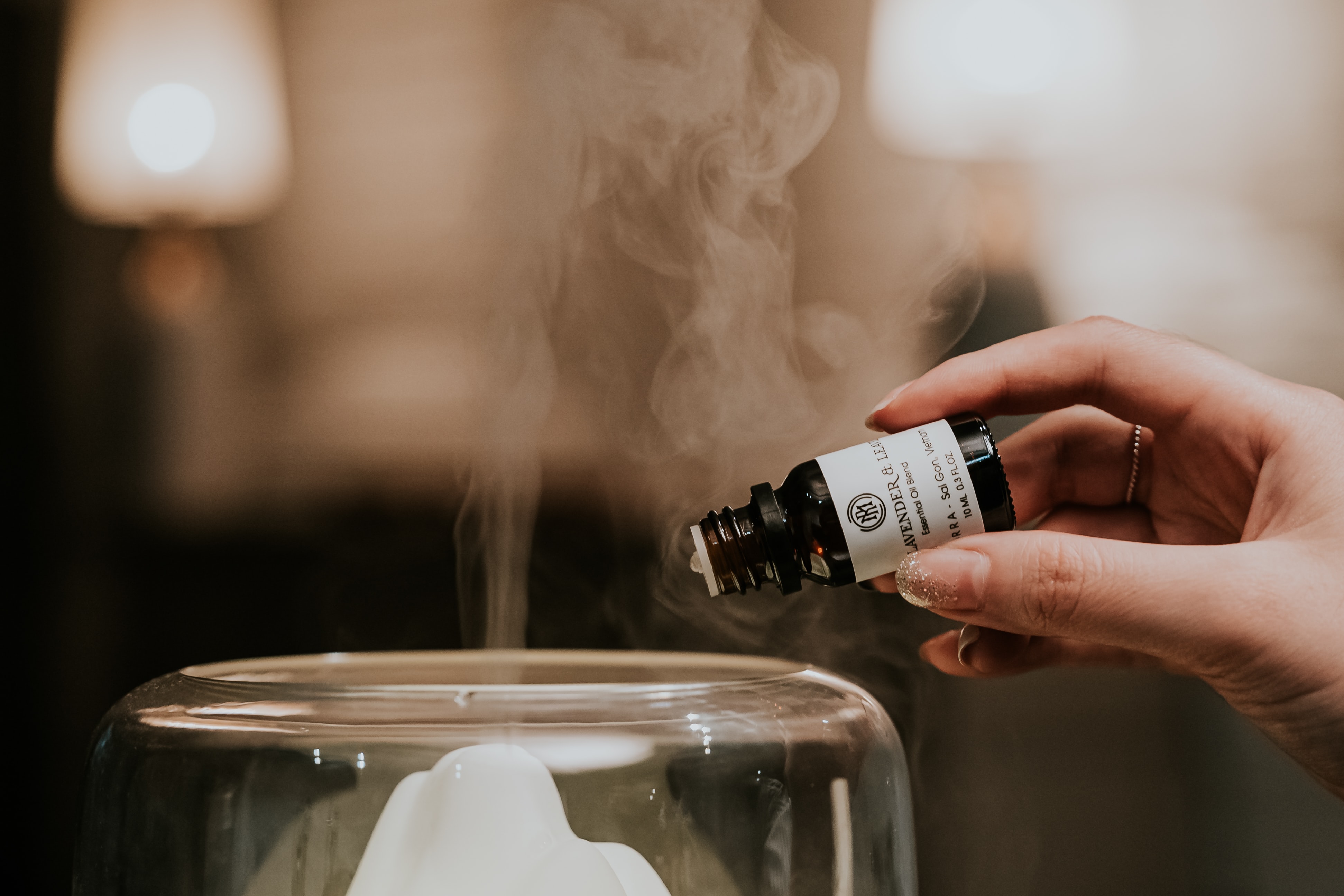 Diffusing Essential Oils
Turmeric essential oil can be used in several ways, including:
- Aromatherapy: Diffuse 2–4 drops, adjusting for room size and sensitivity. Blending with citrus or resinous oils such as lemon, sweet orange, frankincense, or cedarwood can soften intensity and improve balance.
- Massage: Dilute turmeric essential oil with a carrier oil such as coconut oil and massage onto the skin to reduce inflammation and pain.
- Skincare: Add a few drops of turmeric essential oil to your favorite skincare products or mix it with a carrier oil to create a homemade facial oil that helps improve skin health.
- Oral health: Add a drop of turmeric essential oil to your toothbrush before brushing to improve oral health and prevent gum disease.
- Add a drop of organic, food grade turmeric essential oil to your tea for a spicy kick.
What does Turmeric Oil smell like?
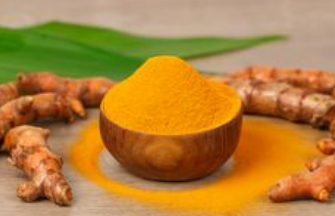
Turmeric essential oil has a warm, spicy, and earthy aroma with hints of wood and citrus. Its scent is similar to that of fresh turmeric root, with a slightly more intense and concentrated aroma. The oil's distinctive aroma is due to its high concentration of aromatic compounds, such as turmerone and zingiberene. When diffused, turmeric essential oil can fill a room with its warm and comforting scent, creating a calming and relaxing atmosphere. Some people may find the scent of turmeric oil overpowering, so it's best to use it in small amounts or blend it with other essential oils to create a more balanced aroma.
What other essential oils does Turmeric Essential Oil blend well with?
Turmeric essential oil blends well with several other essential oils to create a balanced and pleasant aroma. Here are some oils that pair well with turmeric essential oil:
- Ginger essential oil: Ginger and turmeric share similar properties, and their warm and spicy scents complement each other well.
- Lemon essential oil: Lemon oil has a bright and fresh citrus scent that pairs well with the warm and earthy aroma of turmeric oil.
- Peppermint essential oil: Peppermint oil has a refreshing and cooling aroma that blends well with turmeric's warm and spicy scent.
- Frankincense essential oil: Frankincense has a warm and woody scent that complements turmeric's earthy aroma, creating a grounding and calming blend.
- Lavender essential oil: Lavender has a floral and herbaceous scent that balances the warm and spicy aroma of turmeric, creating a relaxing and soothing blend.
When blending essential oils, it's important to use high-quality oils and to test the blend on a small area of skin before applying it more broadly.
Why Is Turmeric Known as the “Golden Root”?
Turmeric’s title reflects its symbolic, cultural, and economic importance. Long associated with purity, protection, and prosperity, it has featured prominently in weddings, religious rituals, and rites of passage. Historically traded alongside spices such as pepper and ginger, turmeric helped shape regional identities and trade routes. Today, turmeric essential oil carries this heritage forward in aromatic form, echoing the symbolism of the “golden root” in modern wellness practice.
Concluding Thoughts on Turmeric
Turmeric essential oil represents a meeting point between ancient tradition and modern inquiry. While research into its aromatic constituents—particularly turmerones—continues, its enduring value in everyday use is well known. Used thoughtfully, turmeric essential oil offers a warm, grounding presence in aromatherapy, skincare, and ritual practice, respected as a plant-derived companion with deep historical roots and ongoing relevance.
If you want tips on natural wellness, you can get them straight to your inbox.

Enter your email below and I’ll share new articles, reflections, and practical insights as they’re published.
Side Thoughts
Thanks for visiting here. If you'd like to stay in touch with our regular updates, then we'd love you to subscribe to our Detox-For-Life Newsletter.
We are a participant in the Amazon Services LLC Associates Program, an affiliate advertising program designed to provide a means for us to earn fees by linking to Amazon.com and affiliated sites.
NEWSLETTER
New pages, fresh perspectives, and practical detox-for-life insights are shared first with newsletter readers.
Recent Articles


-
Fennel Essential Oil: Aromatic and Soothing Oil with Health Benefits
Apr 14, 26 03:36 PM
 Fennel Essential Oil - Learn how this sweet, licorice-like oil supports digestion and everyday wellness.
 -
Beyond Curry: Turmeric Essential Oil - Benefits, Uses & Safety Guide
Mar 16, 26 07:19 AM
Explore Turmeric Essential Oil - Spice up your life with this golden oil. From adding a zesty kick to your morning smoothie to giving your skin a radiant glow -
Liver Cleanse Guide: Support Your Liver the Natural Way
Mar 03, 26 01:37 AM
 Discover how a gentle liver cleanse supports detox, digestion, metabolism, clear skin and steady energy using food, herbs and simple daily habits.