- Home
- Antioxidant Foods
- Benefits of Antioxidants
Benefits of Antioxidants
What They Do in the Body — Without the Hype
The health benefits of Antioxidants are an increasingly popular nutrition topic.
Antioxidants are often talked about as if they’re miracle workers, yet many people aren’t entirely sure what they actually do or why they matter. This page takes a practical look at how antioxidants function in the body and why they’re considered an important part of a balanced, whole-food diet.
Rather than focusing on exaggerated promises, it helps to understand antioxidants as supportive compounds — quietly working behind the scenes to help maintain normal cellular processes over time.
What are Antioxidants?
Antioxidants are naturally occurring compounds found primarily in plant foods. As their name suggests, they help slow down oxidation, a normal chemical process that happens in the body every day.
During oxidation, unstable molecules known as free radicals are formed. These molecules are missing an electron and tend to react with nearby cells in an attempt to stabilise themselves. Over time, excessive free radical activity can contribute to cellular wear and tear — something often referred to as oxidative stress.
Antioxidants help neutralise free radicals, supporting the body’s natural ability to maintain balance at a cellular level.
Why Oxidative Balance Matters
Oxidation itself isn’t harmful — it’s a natural part of living, breathing, and producing energy. Problems can arise when oxidative stress outweighs the body’s ability to manage it.
Every cell in the body can be affected, including those in the brain, eyes, skin, bones and vital organs. This is why antioxidants are often discussed in relation to general wellbeing, healthy aging, and long-term vitality.
Rather than acting as a cure or shield against disease, antioxidants are best understood as one piece of a much bigger health picture that includes diet, lifestyle, movement, sleep, and environmental factors.
Common Sources of Antioxidants 🍎🍊 🥬
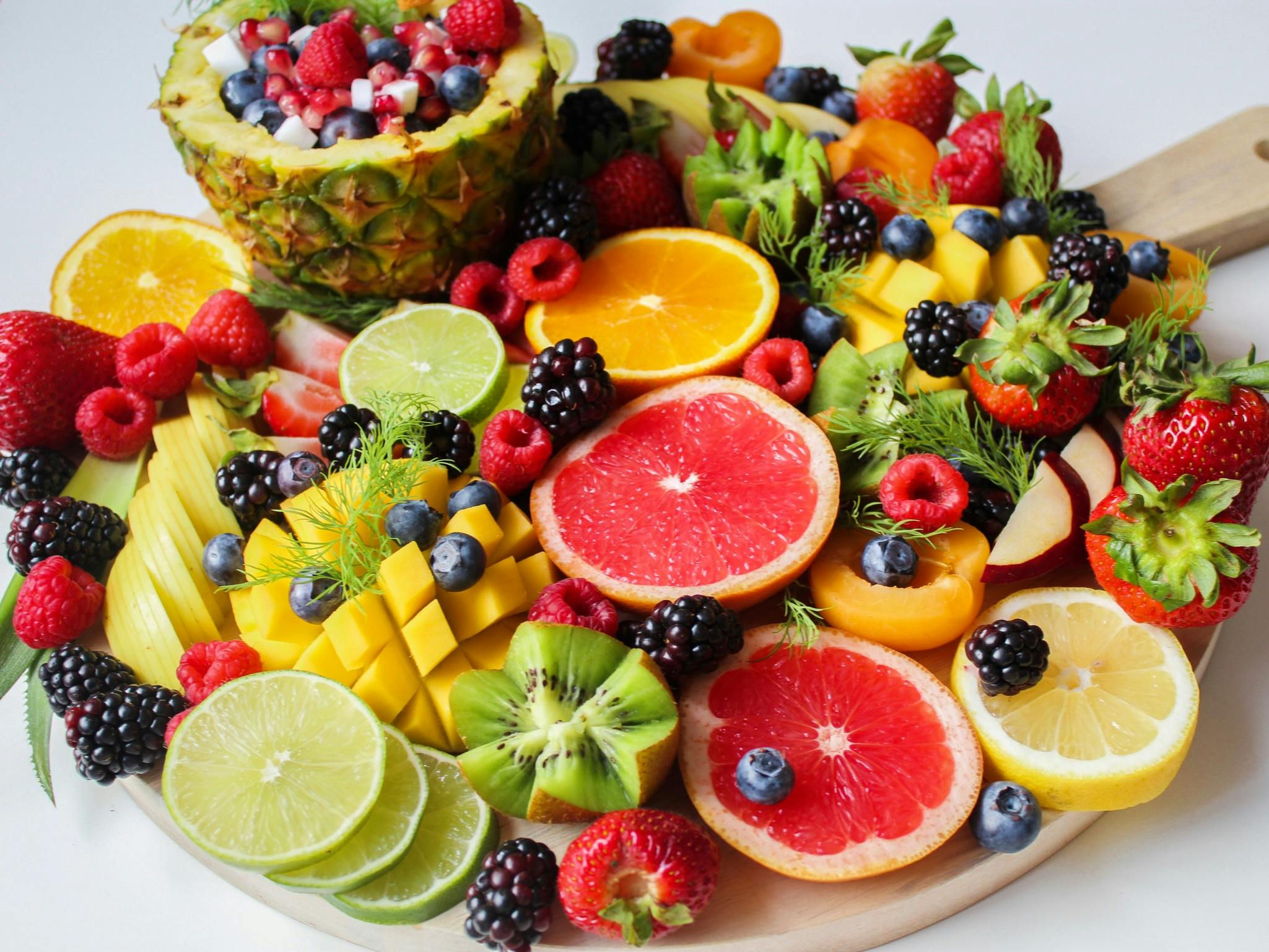
Antioxidants come in many forms, including vitamins (such as vitamin C and vitamin E), carotenoids (like beta-carotene and lycopene), and polyphenols found in colourful plant foods.
They are most reliably obtained from a varied diet rich in fruits, vegetables, whole grains, herbs, spices, nuts and seeds — not from focusing on a single compound or supplement.
👉 For a practical guide to antioxidant-rich foods and how to include them in everyday meals, see our full guide to Antioxidant Foods.
Antioxidants and Everyday Wellbeing
People who eat diets naturally rich in plant foods often notice benefits such as:
- steadier energy levels
- better digestion when processed foods are reduced
- support for normal immune function
- healthier-looking skin over time
These experiences aren’t caused by antioxidants acting alone. Rather, they reflect overall dietary patterns that provide fibre, hydration, phytonutrients, and essential nutrients working together.
In other words, antioxidants tend to show up as part of a broader sense of balance — not as a single, dramatic effect.
Antioxidants, Aging, and Lifestyle
This sense of balance becomes especially relevant when you consider how modern life affects the body.
Free radicals are produced not only through normal metabolism, but also through everyday exposures such as pollution, smoking, excessive sun exposure, chronic stress, and highly processed diets.
Over time, these factors can increase oxidative load, placing greater demand on the body’s natural antioxidant systems. Supporting those systems, therefore, isn’t just about what you eat — it’s also about reducing unnecessary strain where possible and adopting sustainable lifestyle habits.
A diet rich in antioxidant-containing foods is one of the simplest and most accessible ways to support long-term cellular health.

Endogenous Antioxidants: Your Body Makes Its Own
It was a pleasant surprise, while researching antioxidants, to discover that your body doesn’t rely entirely on food sources alone. In fact, you come equipped with your own internal antioxidant system.
These are known as endogenous antioxidants — antioxidants that your body produces naturally as part of its everyday maintenance and repair processes. Think of them as your built-in clean-up crew, quietly working in the background to help keep oxidative stress in check.
Your body makes these antioxidants using nutrients from your diet, along with support from good sleep, balanced movement, and recovery time. This means antioxidant-rich foods don’t replace your body’s own systems — they support them.
What’s especially interesting is that this internal system is dynamic. When your body is under increased stress — physical, emotional, or environmental — the demand for antioxidant support rises. That’s when nourishing yourself well and reducing unnecessary strain becomes even more important.
This is also why no single food or supplement can “do it all.” Antioxidants work as part of a network. Your body makes some, your diet supplies others, and together they help maintain balance at a cellular level.
Seen this way, the benefits of antioxidants stop being a trend or a miracle promise and become something much more practical: part of the body’s natural rhythm of protection, repair, and renewal.

Why Whole Foods Matter More Than Isolated Compounds
I’ll be honest — I’m just as drawn to the latest shiny supplement branding as the next person.
These days, social media and clever AI-powered ads can have you this close to ordering a rare mushroom extract that promises to unleash your inner genius, fix your relationships, and help you finally complete that PhD… all while you sleep.
Oh wait — with this one, you don’t even need sleep.
It’s tempting. I get it.
But when it comes to antioxidants, the real magic still happens in whole foods.
The Power of the Food Matrix
When you eat a piece of fruit or a vegetable, you’re not consuming a single antioxidant in isolation. You’re getting what researchers call a food matrix — a natural package of nutrients that work together.
This includes:
- Antioxidants
- Fibre
- Water
- Vitamins and minerals
- Hundreds (sometimes thousands) of phytochemicals
These compounds interact in ways that supplements simply can’t replicate. Fibre slows digestion and supports gut health. Water improves absorption. Different antioxidants recycle and support one another inside the body. It’s a beautifully coordinated system — not a solo act.
Phytochemicals: the quiet overachievers
Many of the benefits of antioxidant-rich foods come from phytochemicals — plant compounds that don’t always show up on supplement labels or nutrition panels.
These include flavonoids, polyphenols, carotenoids, and sulfur-containing compounds that:
- Support the body’s own antioxidant defences
- Help regulate inflammation
- Communicate with gut bacteria
- Influence gene expression over time
You don’t get this complexity from a capsule.

Why Antioxidant Supplements Are Not The Same
This doesn’t mean supplements are “bad” — but they aren’t equivalent to an antioxidant-rich diet.
Research has consistently shown that:
- High-dose isolated antioxidants don’t always deliver the expected benefits
- Some may even interfere with the body’s natural adaptive processes when taken in excess
- Whole foods are consistently linked to better long-term health outcomes
Antioxidants seem to work best when they arrive in the body the way nature intended — as part of a varied, fibre-rich, plant-forward diet.
So Where do Supplements Fit In?
Think of supplements as supporting actors, not the main character.
They may be useful:
- When diets are limited
- During periods of higher need
- For specific deficiencies
But they don’t replace the daily habit of eating colourful, whole, antioxidant-rich foods.
Because in the end, it’s not about chasing the next miracle compound — it’s about choosing foods that quietly, consistently support your body every single day.
And no… sadly, none of them will finish your PhD for you. 😉
A Balanced Perspective on the Benefits of Antioxidants 🍎🍊 🥬
Antioxidants aren’t magic bullets — and thankfully, they’re not something you need to measure, track, or chase through charts and numbers either.
What matters far more is variety, consistency, and choosing whole foods most of the time. Not perfection. Not supplements stacked high on a counter.
Small, everyday choices — repeated gently and consistently — are what make the real difference.
For a relaxed, whole-food approach to antioxidants — including seasonal, budget-friendly options — explore our full antioxidant foods guide.
Take the information from these health articles and start making small changes to your life. You'll see and feel the difference.
Tips For Healthy Eating On A Budget
More Super Foods To Add To Your Healthy Lifestyle
If you want tips on natural wellness, you can get them straight to your inbox.

Enter your email below and I’ll share new articles, reflections, and practical insights as they’re published.
Side Thoughts
Thanks for visiting here. If you'd like to stay in touch with our regular updates, then we'd love you to subscribe to our Detox-For-Life Newsletter.
We are a participant in the Amazon Services LLC Associates Program, an affiliate advertising program designed to provide a means for us to earn fees by linking to Amazon.com and affiliated sites.
NEWSLETTER
New pages, fresh perspectives, and practical detox-for-life insights are shared first with newsletter readers.
Recent Articles


-
Fennel Essential Oil: Aromatic and Soothing Oil with Health Benefits
Apr 14, 26 03:36 PM
 Fennel Essential Oil - Learn how this sweet, licorice-like oil supports digestion and everyday wellness.
 -
Beyond Curry: Turmeric Essential Oil - Benefits, Uses & Safety Guide
Mar 16, 26 07:19 AM
Explore Turmeric Essential Oil - Spice up your life with this golden oil. From adding a zesty kick to your morning smoothie to giving your skin a radiant glow -
Liver Cleanse Guide: Support Your Liver the Natural Way
Mar 03, 26 01:37 AM
 Discover how a gentle liver cleanse supports detox, digestion, metabolism, clear skin and steady energy using food, herbs and simple daily habits.