- Home
- What Are Essential Oils?
- Copaiba Essential Oil
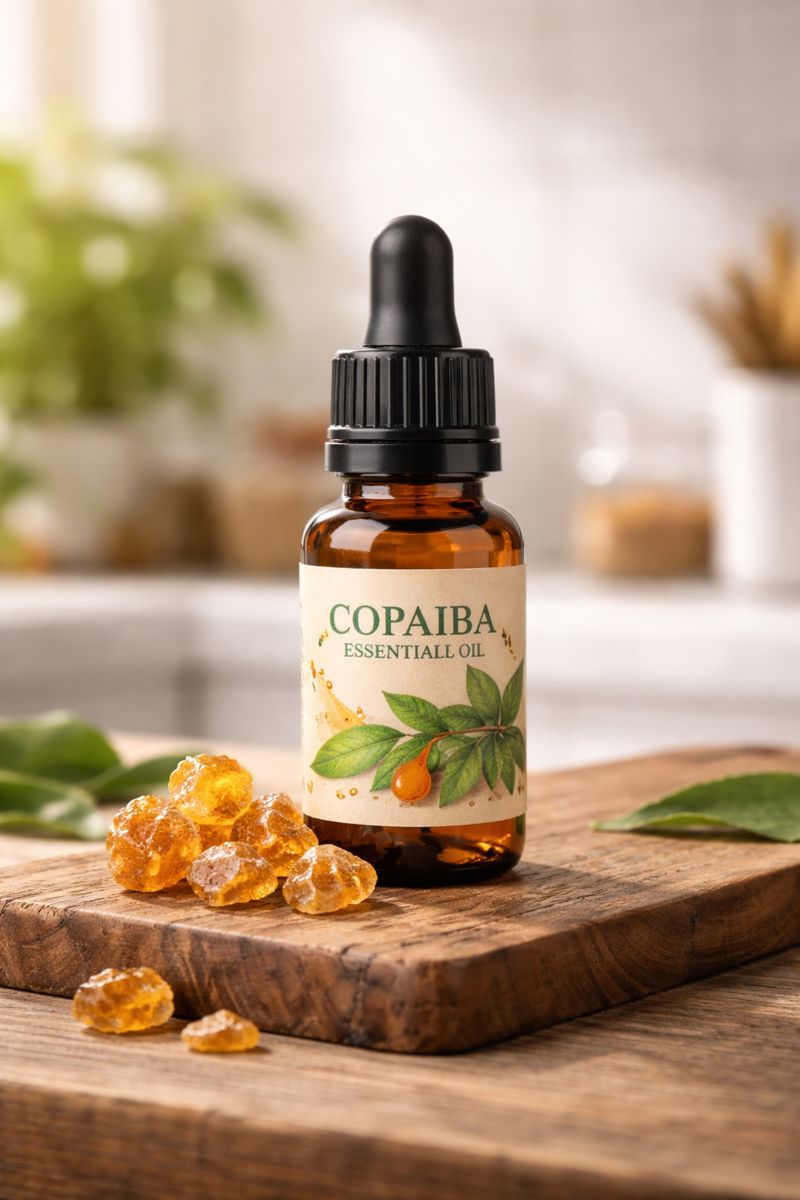
Discover Copaiba Essential Oil
A Comprehensive Guide to Origins, Benefits, and Uses
Copaiba essential oil has occupied a distinctive place in traditional Amazonian medicine and natural wellness practices. Derived from the aromatic resin of copaiba trees in the Copaifera genus, this oil has long been valued for its versatility, gentle aroma, and association with physical comfort and emotional balance.
Unlike many essential oils distilled from leaves or flowers, copaiba oil is drawn from a resin that the tree naturally produces as part of its protective system. Indigenous communities across South America historically relied on this resin for skin care, wound support, and general wellbeing—often applying it directly or blending it with other plant preparations.
Today, copaiba essential oil continues to attract attention due to its unique properties and myriad of health supporting benefits.
What Is Copaiba Essential Oil?

Copaiba essential oil is a steam-distilled oil obtained from the resin of several Copaifera tree species, most commonly Copaifera officinalis, Copaifera reticulata, and Copaifera langsdorffii. These large evergreen trees are native to the Amazon rainforest and surrounding regions of Brazil, Venezuela, Colombia, and Peru.
Botanically, copaiba trees belong to the legume family (Fabaceae), and they are notable for their longevity and ability to produce resin repeatedly without being felled. This distinguishes copaiba from many other aromatic resources that require harvesting leaves, bark, or wood.
Traditionally, copaiba resin was used by indigenous peoples as a topical oil, skin protectant, and soothing balm. Over time, its use expanded into perfumery, natural medicine, and modern aromatherapy, where it is now appreciated for its mild scent and unusually high concentration of specific sesquiterpenes.
How Is Copaiba Essential Oil Extracted?

Harvesting the Raw Material
Copaiba oleoresin is harvested directly from mature trees growing wild or semi-managed in tropical rainforest environments. When responsibly managed, a single tree can produce significant volumes of resin year after year without permanent damage, sometimes yielding many litres annually under favourable conditions.
Harvesting typically involves:
- Drilling a small hole into the trunk to access internal resin cavities
- Allowing the oleoresin to flow naturally into a clean container
- Sealing the opening afterward with wooden plugs or clay to protect the tree and reduce infection risk
Ethically sourced copaiba oil depends on sustainable tapping practices that respect forest ecosystems and local communities, avoid over-tapping individual trees, and ensure accurate botanical identification, as chemistry and potency can vary between Copaifera species.
Distillation Process
Once collected, copaiba oleoresin may be used directly or subjected to steam distillation to produce an essential oil with a more standardized volatile profile. In essential oil production:
- The oleoresin is combined with water and gently heated
- Steam releases the volatile aromatic compounds
- Vapours are condensed and separated into oil and water phases
- The essential oil is filtered and bottled
Distillation quality matters. Lower temperatures and careful handling help preserve delicate sesquiterpenes, while poorly controlled processes can alter terpene balance, promote oxidation, and reduce both aromatic quality and stability.
Because raw copaiba oleoresin contains both volatile terpenes and heavier resinous compounds, some practitioners distinguish between distilled essential oil (lighter and more volatile) and whole oleoresin (thicker and more resinous), noting that each may carry different application and safety considerations.

Chemical Composition of Copaiba Essential Oil
Copaiba essential oil is chemically distinctive, typically rich in sesquiterpenes and characterised by an unusually high concentration of β-caryophyllene. The precise profile varies by species, geography, and processing method, but analyses often report β-caryophyllene comprising roughly 30–60% of the distilled oil.
Key constituents include:
- β-caryophyllene – A sesquiterpene and dietary phytocannabinoid that selectively interacts with the CB2 receptor, studied for its role in inflammatory modulation, immune signalling, and stress-related pathways
- α-Humulene – A sesquiterpene also found in hops, associated in experimental settings with anti-inflammatory and calming properties
- Germacrene and related sesquiterpenes – Contribute to aroma stability, texture, and skin-friendly characteristics, and may act synergistically with β-caryophyllene
β-caryophyllene is particularly notable because it is also present in black pepper, cloves, and cannabis, and has been described as a “dietary cannabinoid” due to its CB2 activity without significant CB1 interaction. Research into both β-caryophyllene and copaiba oil remains ongoing, largely in laboratory and animal models, and effects may vary between individuals and between different copaiba species or batches.

What Are The Potential Health and Wellness Benefits?
Traditionally Recognized Uses
In Amazonian and Brazilian folk medicine, copaiba oleoresin was traditionally used for:
- Skin care and wound support, particularly for cuts, ulcers, and inflamed skin
- Soothing sore or irritated tissues, including joints and muscles
- General wellness and protective practices, including small internal preparations within traditional systems
Its use was typically practical and everyday rather than ceremonial, reflecting its role as a reliable forest resource rather than a rare or ritual substance.
What Modern Research Is Exploring
Copaiba essential oil has numerous wellness-supporting properties, including:
Pain Support:
Copaiba oil is appreciated for its natural soothing properties that may help ease discomfort and support relief from everyday aches and tension. It is commonly applied topically for joint comfort, muscle relaxation, and headache support, or areas that feel tense, especially after physical activity or long days.
Inflammatory Support:
Copaiba contains beta-caryophyllene, a naturally occurring compound that has been widely studied for its interaction with the body’s inflammatory pathways. Because of this, the oil is commonly chosen by those looking to support the body’s natural inflammatory response as part of a balanced lifestyle. Some users have noticed improvement in skin, respiratory and mobility conditions.
Cleansing and Microbial Balance Support
Copaiba oil has demonstrated properties that may help combat certain harmful bacteria. It is frequently used topically to support skin health, help prevent minor infections, and promote natural healing processes.
Skin Care
As a gentle natural astringent, Copaiba oil can help tighten and tone the skin. It is popular in skincare routines to support a smoother appearance, reduce the look of fine lines and wrinkles, and contribute to a more youthful complexion.
Emotional Well-being
Copaiba oil offers a soothing, calming aroma that can promote relaxation for the mind and body. Many users turn to it to help reduce feelings of stress and anxiety, encourage a sense of calm, and support an improved overall mood.

Can Copaiba Support Brain and Nervous System Health?
Copaiba essential oil is sometimes discussed in relation to nervous system balance due to its β-caryophyllene content and observed interactions with CB2-mediated pathways. In neuronal cell studies, copaiba oil has influenced signalling related to metabolism, immunity, and cell regulation, with effects appearing to depend on the combined action of multiple oil constituents rather than β-caryophyllene alone.
In practical aromatherapy use, copaiba is often described as calming without being sedating, making it suitable for routines focused on emotional steadiness, gentle relaxation, or evening use. These impressions are largely experiential and supported indirectly by preclinical research rather than robust human trials.
Research in this area is still developing. Any therapeutic use—particularly oral or high-dose use—should be discussed with a qualified healthcare professional, especially for individuals with neurological or psychiatric conditions or those taking medications affecting the central nervous system.
How to Use Copaiba Essential Oil Safely ?
Aromatherapy
Diffuse 3–5 drops in a water-based diffuser to create a calming, grounding atmosphere. Often used in evening or relaxation blends with lavender, frankincense, or gentle citrus oils.
Topical Application
Dilute to 1–2% in a carrier oil for general use, or lower for sensitive skin. Apply to joints, muscles, or targeted areas as part of a massage or simple balm.
Bath & Massage
Always blend with a carrier oil or solubiliser before adding to bathwater. Combine with complementary oils to create personalised routines for relaxation or grounding.
Safety Notes
- Always dilute before topical use
- Perform a patch test prior to wider application
- Avoid contact with eyes and mucous membranes
- Consult a professional if pregnant, nursing, on medication, or managing chronic conditions
- Internal use should only occur under qualified guidance
Choose products that clearly state botanical species, origin, and whether the product is distilled oil or whole oleoresin, as this directly affects chemistry and appropriate use.
What does Copaiba smell like?

Copaiba essential oil has a warm, mild, woody aroma with soft balsamic and slightly sweet undertones. It lacks the sharpness or smokiness common to many resins, making it approachable and easy to blend.
Aromatically, it is often associated with grounding, comfort, and quiet emotional steadiness. Rather than dominating a blend, it acts as a supportive base note that anchors brighter or more volatile aromas, contributing to its popularity in meditation, rest, and long-form massage blends.
What other essential oils does Copaiba Essential Oil blend well with?
Copaiba essential oil is a versatile addition to any aromatherapy collection. Its mild, sweet, woody aroma blends harmoniously with many other oils, creating balanced and enjoyable scents while enhancing overall aromatic experiences.
Here are some popular pairings:
- Lavender :- This gentle combination brings together the soothing aromas of both oils, often used to create a calming atmosphere that supports relaxation and restful evenings.
- Lemon :- The bright, uplifting scent of lemon complements copaiba’s grounding notes, making a refreshing blend popular for promoting an energized and positive mood.
- Peppermint Pairing copaiba with peppermint creates an invigorating aroma that many enjoy for supporting focus, mental clarity, and comfortable breathing.
- Frankincense :- Blended with frankincense’s warm, grounding qualities, this duo offers a comforting option often chosen to support overall wellness and ease everyday tension.
- Eucalyptus :- Copaiba’s soothing profile pairs nicely with eucalyptus for a blend that many find helpful in promoting clear, comfortable respiratory spaces.
These suggestions are based on common aromatherapy practices—always dilute properly, perform a patch test, and consult a healthcare professional if you have specific concerns. Enjoy experimenting to find your favorite combinations!
Why Is Copaiba Sometimes Called the “Amazonian Balm”?

Copaiba has earned the informal name “Amazonian balm” due to its long-standing role as a multipurpose oleoresin in forest and rural communities. Valued for reliability rather than rarity, it supported skin care, wound management, and everyday discomfort across generations.
As a non-timber forest product, copaiba also represents an economic model that can encourage sustainable harvesting while preserving forest ecosystems. Symbolically, it reflects continuity, resilience, and long-term relationship with place—qualities mirrored in the slow, steady flow of its resin.
Copaiba Conclusions
Copaiba essential oil stands because it is quietly effective, chemically distinctive, and deeply rooted in tradition. Its continued relevance reflects a meeting point between practical ancestral use and modern scientific inquiry, particularly around sesquiterpenes, β-caryophyllene, and CB2-related pathways.
While research continues to evolve, copaiba can be used as a supportive companion — sourced responsibly, and integrated alongside sound medical care and healthy lifestyle practices. In doing so, it offers not only aromatic and physical support, but also a tangible connection to the forests and cultures that have relied on it for generations.
If you want tips on natural wellness, you can get them straight to your inbox.

Enter your email below and I’ll share new articles, reflections, and practical insights as they’re published.
Side Thoughts
Thanks for visiting here. If you'd like to stay in touch with our regular updates, then we'd love you to subscribe to our Detox-For-Life Newsletter.
We are a participant in the Amazon Services LLC Associates Program, an affiliate advertising program designed to provide a means for us to earn fees by linking to Amazon.com and affiliated sites.
NEWSLETTER
New pages, fresh perspectives, and practical detox-for-life insights are shared first with newsletter readers.
Recent Articles


-
Fennel Essential Oil: Aromatic and Soothing Oil with Health Benefits
Apr 14, 26 03:36 PM
 Fennel Essential Oil - Learn how this sweet, licorice-like oil supports digestion and everyday wellness.
 -
Beyond Curry: Turmeric Essential Oil - Benefits, Uses & Safety Guide
Mar 16, 26 07:19 AM
Explore Turmeric Essential Oil - Spice up your life with this golden oil. From adding a zesty kick to your morning smoothie to giving your skin a radiant glow -
Liver Cleanse Guide: Support Your Liver the Natural Way
Mar 03, 26 01:37 AM
 Discover how a gentle liver cleanse supports detox, digestion, metabolism, clear skin and steady energy using food, herbs and simple daily habits.