- Home
- What Are Essential Oils?
- Lemon Essential Oil

Lemon Essential Oil
A Comprehensive Guide to Origins, Benefits, and Uses
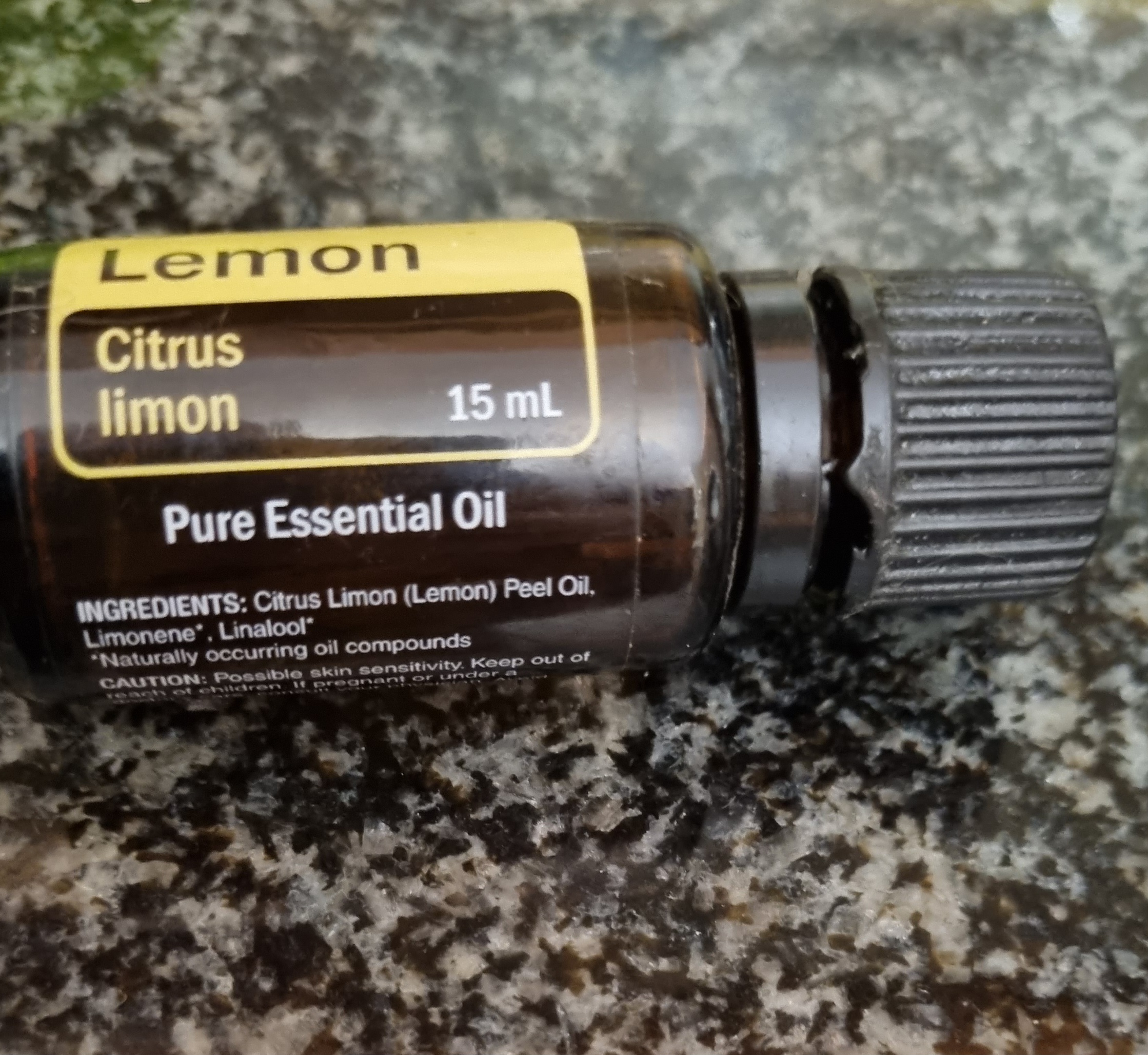
Lemon Essential Oil is the sunshine oil. It is widely used in aromatherapy for its refreshing, uplifting, and energizing properties as well as having internal use benefits.
For centuries, lemon essential oil has occupied a distinctive place in traditional household remedies, perfumery, and modern wellness practices. Expressed primarily from the peel of the lemon fruit, it is valued not only for its unmistakably fresh, citrus aroma, but also for its long-standing association with clarity, cleanliness, and revitalization.
Historically, lemon and other citrus fruits were closely linked with purification and preservation — from culinary traditions that prized citrus for freshness and flavor, to folk practices that used lemon to cleanse spaces, sharpen the senses, and lift the spirit. Today, lemon essential oil continues to hold relevance in aromatherapy, natural cleaning, and mindful living, appreciated less for dramatic, cure-all claims and more for its practical, uplifting presence in everyday routines.
In a world often marked by heaviness and sensory overload, lemon essential oil endures precisely because of its simplicity: bright, clean, and unmistakably alive, offering a small yet meaningful sensory ritual that many people experience as clarifying and renewing.
What Is Lemon Essential Oil?
Lemon essential oil is derived from the peel (or zest) of the lemon fruit (Citrus limon), a small evergreen tree in the Rutaceae family. The lemon is thought to have originated in regions of South Asia before spreading through the Middle East and into the Mediterranean, where cultivation became well established over centuries.
Today, lemons are grown globally, particularly in warm, subtropical and Mediterranean-type climates such as Italy, Spain, Argentina, parts of the United States, and South Africa. Across cultures, lemon has played a role in culinary traditions, household cleaning, and folk wellness practices, often associated with freshness, purification, and renewal — both in the physical environment and in the emotional atmosphere of a home.
In aromatherapy, lemon essential oil is commonly used for its invigorating scent and its perceived ability to create a light, energized, and orderly atmosphere in living and working spaces.
How Lemon Essential Oil is Extracted
Harvesting the Raw Material
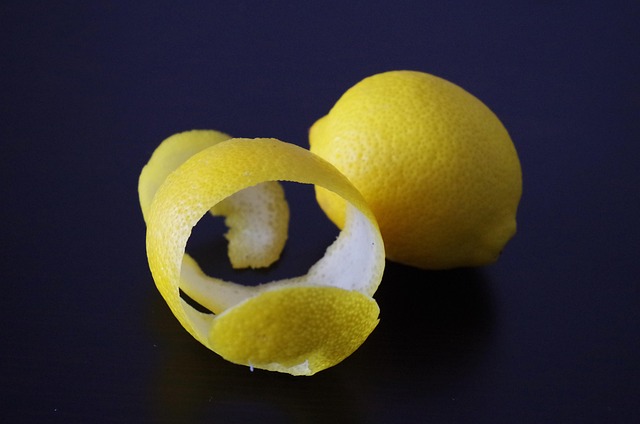
Lemon essential oil is obtained from the outer peel of ripe lemons, where specialized oil glands are concentrated in the colored outer layer known as the flavedo. The fruit is typically harvested at full maturity, when the peel contains high levels of volatile aromatic compounds such as limonene, β-pinene, and γ-terpinene.
Because the oil resides in the rind rather than the juice, careful handling of the fruit surface is important. Washing, grading, and gentle mechanical processing help preserve oil quality while reducing contamination from dirt, waxes, or agricultural residues.
Cold-Press Extraction Process
Unlike many essential oils that are produced through steam distillation, lemon essential oil is most commonly obtained through cold-pressing, also called expression. In this process:
- The lemon peel is mechanically punctured and pressed, often alongside juice extraction
- Oil glands rupture, releasing a mixture of essential oil, juice, and aqueous components
- Centrifugation and separation steps isolate the essential oil from juice, peel particles, and water
This method preserves the highly volatile compounds responsible for lemon’s bright, fresh aroma, resulting in an oil that closely reflects the scent of the fresh peel. Cold-pressed lemon oil also naturally contains furocoumarins, such as bergapten and oxypeucedanin, which contribute to its phototoxic potential when applied to sun-exposed skin.
For this reason, some producers offer FCF (furocoumarin-free) lemon essential oil, in which these photoreactive compounds have been reduced, making the oil more suitable for leave-on skincare products.
Chemical Composition of Lemon Essential Oil
Lemon essential oil contains a complex mixture of naturally occurring terpenes and related compounds. Its exact composition varies depending on cultivar, climate, soil conditions, and extraction method.
In most analyses, limonene makes up approximately 50–75% of the oil, followed by notable amounts of β-pinene and γ-terpinene, with smaller quantities of oxygenated compounds such as citral.
Key components typically include:
- Limonene – the dominant monoterpene responsible for lemon’s characteristic uplifting aroma, widely studied for its solvent and surface-cleansing properties
- β-Pinene – contributes a fresh, slightly resinous nuance that adds brightness and perceived clarity to the scent
- γ-Terpinene – present at moderate levels and studied for antioxidant activity in laboratory settings
- Citral (a mixture of neral and geranial) – adds sharp, lemony top notes and is commonly referenced in fragrance chemistry
These constituents act together rather than in isolation, which helps explain why lemon oils from different regions can smell subtly different while remaining recognizably “lemon.” Most research on these compounds remains preclinical, relying on in vitro systems or animal models to explore antioxidant, antimicrobial, or neuro-modulatory effects.
Lemon Essential Oil - Potential Health and Wellness Benefits
Traditionally Recognized Uses
Traditionally, lemon has been used to freshen air, support digestion, and promote a sense of vitality, often as part of broader dietary and lifestyle practices rather than as a standalone remedy. In folk and aromatherapy traditions, lemon essential oil has long been associated with mental clarity, emotional upliftment, and an atmosphere of cleanliness, particularly in shared spaces such as kitchens, classrooms, and workplaces.
What Modern Research Is Exploring
Modern research is examining lemon essential oil and its major components for potential roles related to:
- Stress response and mood regulation, with small human and animal studies suggesting citrus aromas may reduce perceived anxiety or tension in certain contexts
- Antioxidant activity, particularly in vitro, where lemon peel oils have demonstrated free-radical-scavenging effects
- Surface-level antimicrobial properties, especially in food science and material research exploring coatings and nanoemulsions
- Support for focus and alertness, with preliminary findings indicating citrus aromas may influence attention or subjective fatigue
While these findings are of interest, many studies involve concentrated preparations, specialized delivery systems, or small participant groups. As such, lemon essential oil is best viewed as a complementary aromatic tool rather than a substitute for medical evaluation or treatment.
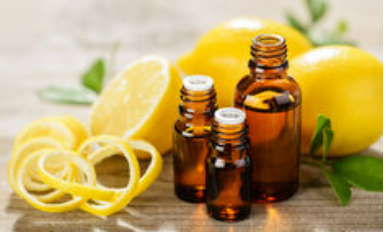
As for the benefits of lemon essential oil, it is widely used in aromatherapy for its refreshing, uplifting, and energizing properties. Some of the potential benefits of lemon essential oil include:
- Boosting mood and reducing stress
- Improving focus and concentration
- Supporting the immune system
- Soothing sore throats and coughs
- Reducing inflammation and pain
- Aiding digestion and promoting healthy skin
- Supporting respiratory health
- Purifying the air and promoting a clean, fresh environment.
Can Lemon Essential Oil Support Brain and Nervous System Health?
Within aromatherapy practice, lemon essential oil is often used to promote
- alertness,
- concentration
- positive mental environment
Particularly in settings where clear thinking and lightness are desired. For some individuals, its bright scent may serve as a brief sensory reset during periods of mental fatigue or monotony.
Emerging research on citrus aromas suggests potential influences on mood, perceived stress, and certain aspects of cognitive performance. However, findings remain preliminary, and study designs vary widely. Anyone considering therapeutic use for neurological or psychological concerns should consult a qualified healthcare professional and regard lemon essential oil as supportive rather than a replacement for established care.

What Does Lemon Oil Smells Like?
Lemon essential oil has a fresh, bright, and distinctly citrus aroma that many people experience as crisp, clean, and slightly sparkling. The scent is sharp yet smooth, with a tangy zest often associated with sunlit kitchens, fresh linen, and open windows.
It is frequently described as energizing and clarifying, which explains its popularity in homes, offices, and wellness spaces. While regional and cultivar differences may introduce sweeter, greener, or mildly resinous nuances, it remains unmistakably lemon.
Overall, the scent of lemon essential oil is crisp, invigorating, and full of life.
Lemon Essential Oil in the Kitchen
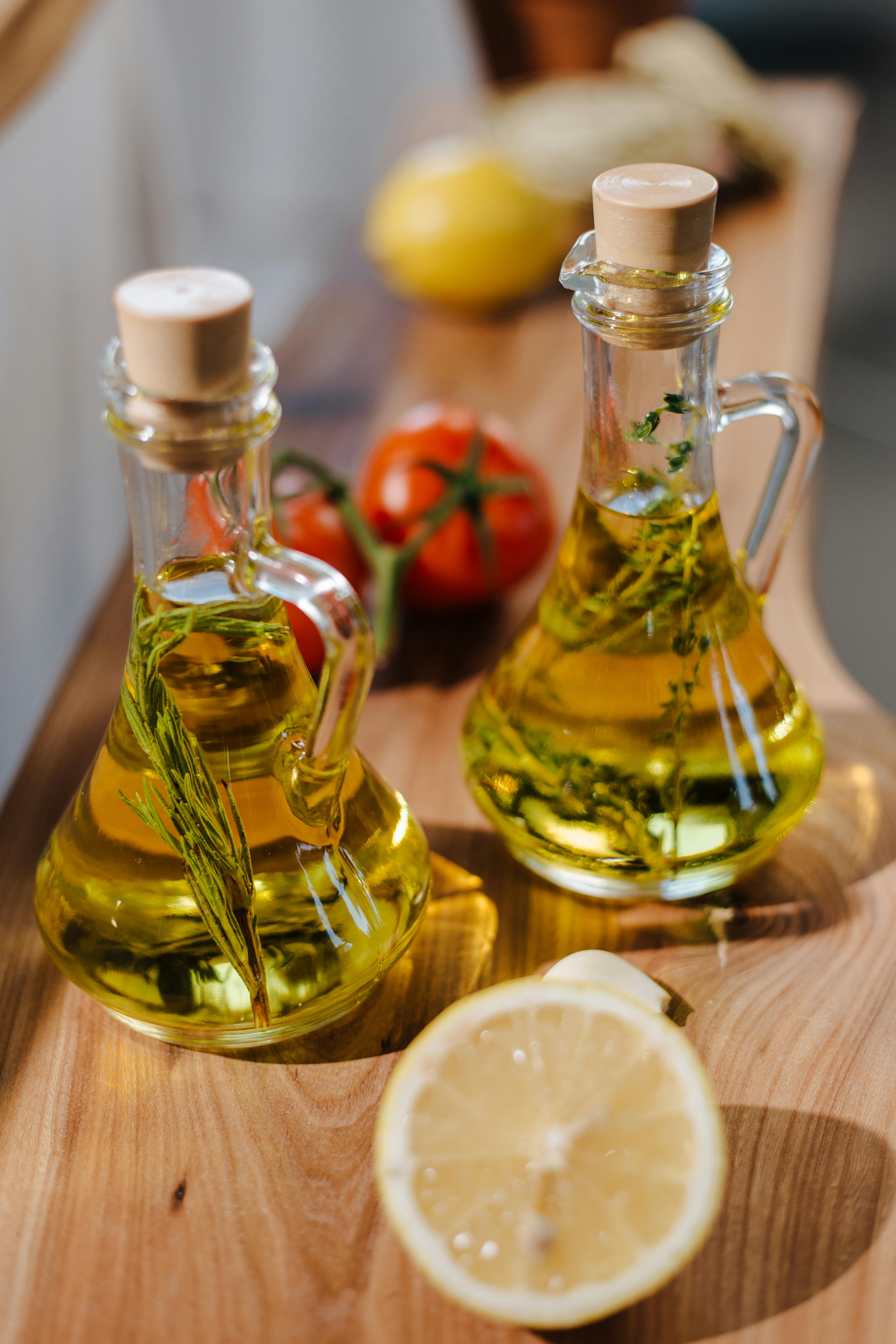
Food grade Lemon essential oil is a highly concentrated and potent oil that can be used in cooking and baking, but it should be used with caution and in very small amounts. Here are some potential uses for lemon essential oil in cooking or baking:
- Add a drop or two of lemon essential oil to salad dressings or marinades to give them a bright, citrusy flavor.
- Use lemon essential oil to flavor baked goods, such as cakes, cookies, and muffins. Add one drop to the batter or frosting for a burst of lemony goodness.
- Use lemon essential oil in savory dishes, such as fish, chicken, or vegetables. It can be added to sauces, rubs, or marinades for a zesty kick.
- Use lemon essential oil to flavor homemade ice cream, sorbet, or popsicles. It can also be added to smoothies or other beverages for a refreshing twist.
- Combine lemon essential oil with olive oil or butter to make a flavorful and aromatic topping for grilled or roasted vegetables.
- Use lemon essential oil in homemade jams, jellies, or fruit preserves to add a bright and tangy flavor.
Again, it's important to use lemon essential oil sparingly and in moderation when cooking or baking, as it is a potent oil that can easily overpower other flavors.
Lemon Oil For Cleaning
Lemon essential oil is a popular natural cleaner that can be used in a variety of household cleaning applications. Here are some potential uses for lemon essential oil in household cleaning:
- Add a few drops of lemon essential oil to a spray bottle filled with water and use it as a general-purpose freshener for surfaces such as countertops, floors, and walls.
- Mix lemon essential oil with baking soda to create a paste for scrubbing sinks, tubs, and toilets.
- Use lemon essential oil as a natural degreaser for greasy surfaces, such as stove tops or range hoods. Simply apply a few drops of the oil to a damp cloth or sponge and wipe the surface clean.
- Add a few drops of lemon essential oil to your laundry detergent to give your clothes a fresh, clean scent.
- Mix lemon essential oil with vinegar to create an all-purpose cleaning spray for windows, mirrors, and glass surfaces.
- Use lemon essential oil to freshen up the air in your home by adding a few drops to a diffuser or humidifier.
- Use lemon essential oil to remove stains from fabrics or carpets. Apply a few drops of the oil to the stain, let it sit for a few minutes, then blot with a clean cloth. Wash as normal
Overall, lemon essential oil is a versatile and effective natural cleaner that can help keep your home fresh and clean and minimise the use of commercial cleaning chemicals.
What Can I Blend with Lemon Essential Oil In The Diffuser?
Lemon essential oil goes well in a diffuser, what other oils does it blend with
Lemon essential oil is a versatile oil that blends well with a wide range of other essential oils. Some oils that it blends particularly well with include:
- Peppermint: When combined with lemon essential oil, peppermint can create an invigorating and energizing blend that improve focus and concentration.
- Lavender: Lemon essential oil and lavender essential oil can create a calming and relaxing blend that can help regulate anxiety and promote a restful night's sleep.
- Eucalyptus: When blended with eucalyptus oil, lemon essential oil can create a powerful respiratory blend that can help promote clear breathing and support respiratory health.
- Tea tree oil: Lemon essential oil and tea tree oil can create an antibacterial and antifungal blend that can help purify the air and promote a clean and healthy environment.
- Frankincense: When combined with frankincense oil, lemon essential oil can create a grounding and centering blend that can help promote a sense of balance and harmony.
Overall, lemon essential oil is a highly versatile oil that can blend well with a wide range of other oils, making it a great choice for use in a diffuser or other aromatherapy applications.
Why Is Lemon Essential Oil Known as “The Sunshine Oil”?
Lemon essential oil is often referred to as the “sunshine oil” because of its bright aroma, vibrant color, and long-standing association with positivity and clarity. Citrus has symbolized freshness and renewal — qualities reflected in the way many people experience lemon’s scent.
Final Thoughts
Lemon essential oil remains a quiet constant in human culture, bridging practical use and sensory experience across kitchens, cleaning routines, and reflective spaces. While scientific research continues to explore its properties, its enduring appeal lies in its simplicity — fresh, uplifting, and unmistakably alive.
Valued as a supportive aromatic presence, lemon essential oil can serve as a gentle reminder of clarity and renewal in everyday life, complementing the foundations of good health and well-being.
It's important to note that essential oils are highly concentrated and potent substances and should be used with caution. Lemon essential oil can be irritating to the skin and mucous membranes, and it should not be ingested unless under the guidance of a qualified healthcare provider. Avoid sunlight or UV rays for up to 12 hours after applying lemon essential oil products.
If you want tips on natural wellness, you can get them straight to your inbox.

Enter your email below and I’ll share new articles, reflections, and practical insights as they’re published.
Side Thoughts
Thanks for visiting here. If you'd like to stay in touch with our regular updates, then we'd love you to subscribe to our Detox-For-Life Newsletter.
We are a participant in the Amazon Services LLC Associates Program, an affiliate advertising program designed to provide a means for us to earn fees by linking to Amazon.com and affiliated sites.
NEWSLETTER
New pages, fresh perspectives, and practical detox-for-life insights are shared first with newsletter readers.
Recent Articles


-
Fennel Essential Oil: Aromatic and Soothing Oil with Health Benefits
Apr 14, 26 03:36 PM
 Fennel Essential Oil - Learn how this sweet, licorice-like oil supports digestion and everyday wellness.
 -
Beyond Curry: Turmeric Essential Oil - Benefits, Uses & Safety Guide
Mar 16, 26 07:19 AM
Explore Turmeric Essential Oil - Spice up your life with this golden oil. From adding a zesty kick to your morning smoothie to giving your skin a radiant glow -
Liver Cleanse Guide: Support Your Liver the Natural Way
Mar 03, 26 01:37 AM
 Discover how a gentle liver cleanse supports detox, digestion, metabolism, clear skin and steady energy using food, herbs and simple daily habits.