Cranberries Health Benefits
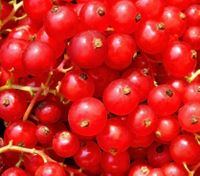
Cranberries health benefits are often overlooked today, perhaps because for many of us this tart little berry was once reserved for a single annual appearance — served alongside turkey at Thanksgiving and then forgotten for the rest of the year.
These days, cranberries have quietly stepped out of their holiday-only role and into everyday health and wellness conversations. This small, resilient berry has some genuinely interesting properties.
You’ll now find cranberries in many forms:
juice, dried cranberries (craisins), powders, extracts, and supplements — all with slightly different strengths and uses.
They’re close cousins of blueberries, growing on low, trailing vines in cooler climates, and like their blue relatives, they’ve earned attention for their naturally occurring plant compounds.
Cranberries Health Benefits and Urinary Tract Support
This is probably the cranberry claim most people have heard — and it’s also one of the better-studied areas.
Rather than “killing bacteria,” cranberries appear to work in a more subtle way. Certain compounds in cranberries may help discourage bacteria from sticking to the lining of the urinary tract, making it easier for the body to flush them out naturally.
This is why cranberry juice or extracts are often discussed in relation to urinary comfort and maintenance — especially for people who experience recurring issues. It’s not to replace seeking medical treatment if needed, but it may offer supportive backup alongside hydration and general self-care.
Cranberry supplements offer a more concentrated and convenient alternative to juice or dried berries. If you’d like to take a look, you can view available cranberry supplements here.
A Note on Cranberries and Microbes
Cranberries contain natural plant compounds such as tannins and proanthocyanidins. These are part of the plant’s own defense system, and researchers have been curious about how they interact with bacteria and viruses in laboratory settings.
- The studies suggest cranberries have interesting surface-level interactions with microbes
In everyday terms? Cranberries seem to make life a little less comfortable for unwanted guests. This is helpful for those who need to reduce the risk of a symptomatic urinary tract infection.
Cranberries and Digestive / Urinary Balance
Cranberries health benefits include naturally contain organic acids, such as quinic acid. These acids pass through the body largely unchanged and may help support a healthy urinary environment.
For some people, cranberry products are used as part of a broader routine that includes good hydration, mineral balance, and digestive care — especially when thinking about long-term urinary comfort.
Cranberries and Cholesterol Markers
When it comes to cholesterol, cranberries don’t work like a switch you flip — they work more like background support.
Some research suggests that regular cranberry consumption may help support healthier cholesterol patterns, particularly by encouraging higher levels of HDL (often referred to as “good” cholesterol). HDL plays a role in transporting excess cholesterol away from the arteries, which is one reason it’s viewed favourably in overall heart health discussions.
Cranberries are also rich in natural antioxidants, including polyphenols. These compounds are being studied for their ability to help protect cholesterol particles from oxidative stress — an important factor in maintaining healthy blood vessels over time.
There’s also interest in how cranberry compounds may support normal blood vessel flexibility and circulation. Rather than acting directly on cholesterol numbers, cranberries appear to contribute indirectly by supporting the environment in which cholesterol, blood flow, and vessel health interact.
As with most plant foods, the value of cranberries lies not in dramatic short-term changes, but in their contribution when included regularly as part of a balanced, varied diet.
Pro-biotic Effect of Cranberries
Cranberries contain an acidic compound called quinic acid. This compound is not broken down by the body, but excreted unchanged. This acidifies the urine enough to prevent calcium from forming stones. For those who suffer from recurrent stone formation, cranberry juice is a helpful supplement and in some cases remedy.

Antioxidants: Cranberries Hold Their Own
Cranberries are surprisingly rich in phenols — natural antioxidants that help the body manage everyday oxidative stress.
Although this doesn’t mean “anti-ageing magic” — It does mean cranberries join the same team as pomegranate, apples, citrus, and berries — each bringing slightly different protective compounds to the table.
I personally like rotating juices and fruits rather than sticking to just one. Think of it as cross-training for your cells.
Cranberries, Cells, and Ongoing Research
You’ll often see cranberries mentioned in research exploring how plant compounds interact with abnormal cell growth. These are early-stage, laboratory-based studies.
What’s useful to take away is this: cranberries contain bioactive compounds that researchers find interesting — and that’s a good enough reason to include them as food.
Cranberries and Eye Health
Like many deeply coloured fruits, cranberries contain antioxidants that are being studied for their role in supporting eye health as we age.
This doesn’t mean eating cranberries will protect your eyesight on their own — but adding a range of fruits daily is one of the simplest, and most reliable long-term wellness habits there is.
A Personal Note
Taste-wise, I don't loving cranberries. They are sharp, assertive, and a bit much for my palate. But over time, I’ve learned to appreciate them in small amounts — blended with other fruits, added to salads, or used occasionally as juice rather than a daily staple. I do quite like dried cranberries though, also sometimes referred to as craisins.
Cranberries are a fascinating, resilient little berry with a long history of traditional use and a growing body of modern research. They can be a valuable addition to a balanced, plant-rich lifestyle.
And at the very least, they deserve better than a once-a-year appearance next to the turkey.
More Super Berries Health Benefits
Acai Berry Juice
Kiwi Fruit Health Benefits
Juicing
Cranberry Juice Detox Diet
More Super Foods to add to your detox diet
If you want tips on natural wellness, you can get them straight to your inbox.

Enter your email below and I’ll share new articles, reflections, and practical insights as they’re published.
Side Thoughts
Thanks for visiting here. If you'd like to stay in touch with our regular updates, then we'd love you to subscribe to our Detox-For-Life Newsletter.
We are a participant in the Amazon Services LLC Associates Program, an affiliate advertising program designed to provide a means for us to earn fees by linking to Amazon.com and affiliated sites.
NEWSLETTER
New pages, fresh perspectives, and practical detox-for-life insights are shared first with newsletter readers.
Recent Articles


-
Fennel Essential Oil: Aromatic and Soothing Oil with Health Benefits
Apr 14, 26 03:36 PM
 Fennel Essential Oil - Learn how this sweet, licorice-like oil supports digestion and everyday wellness.
 -
Beyond Curry: Turmeric Essential Oil - Benefits, Uses & Safety Guide
Mar 16, 26 07:19 AM
Explore Turmeric Essential Oil - Spice up your life with this golden oil. From adding a zesty kick to your morning smoothie to giving your skin a radiant glow -
Liver Cleanse Guide: Support Your Liver the Natural Way
Mar 03, 26 01:37 AM
 Discover how a gentle liver cleanse supports detox, digestion, metabolism, clear skin and steady energy using food, herbs and simple daily habits.