- Home
- Antioxidant Foods
- Garlic Health Benefits

Garlic Health Benefits
Why this humble bulb keeps showing up.
Garlic health benefits are not a new discovery. Garlic doesn’t look exotic, it doesn’t taste gentle, and it certainly doesn’t care about your breath. Yet somehow, across centuries, cultures, kitchens, and healing traditions, garlic has quietly earned its place as one of the most respected foods on the planet.
This surprised me the first time I really looked into it: garlic wasn’t just used in ancient cultures — it was valued. In ancient Egypt, garlic was fed to pyramid builders and even placed in tombs, believed to support strength and vitality in both life and the afterlife. That’s not casual folklore. That’s deep respect for a food that clearly did something right.
Today, modern science is still catching up to what traditional wisdom was showing us all along.
A small story (because this is how garlic usually enters our lives)
For many of us, garlic entered our lives through cooking.
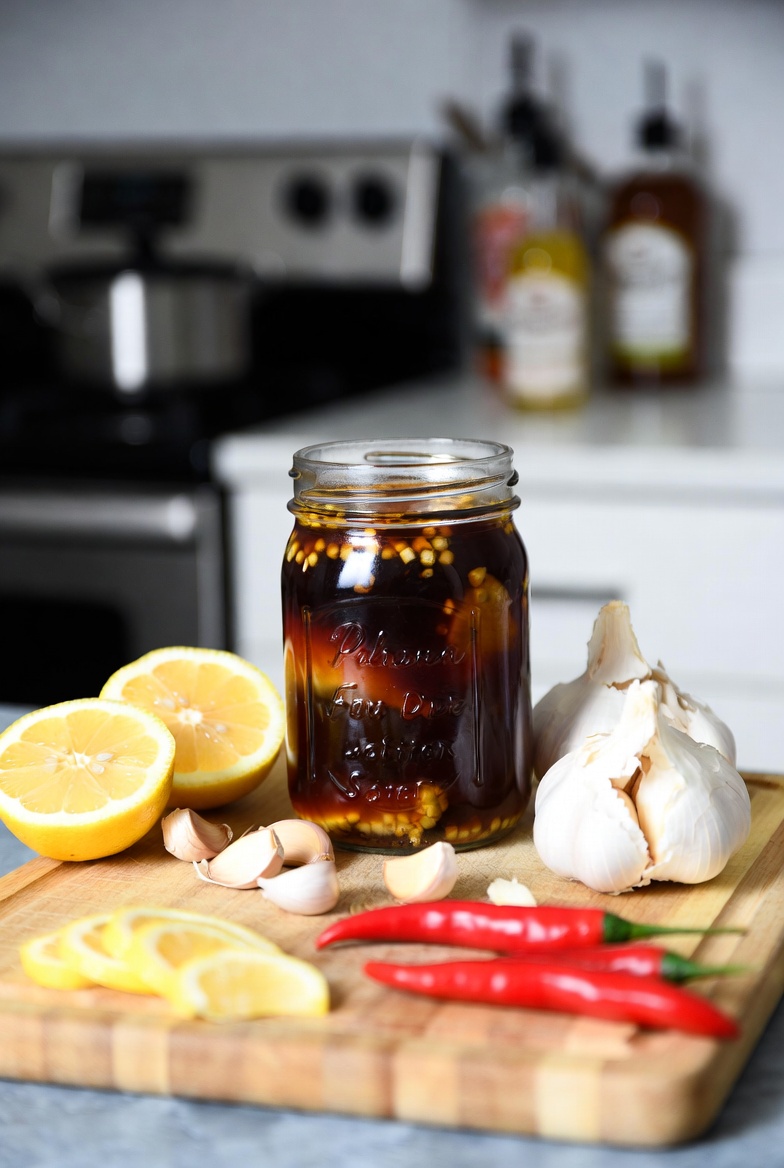
It sizzled in olive oil, was crushed at the last minute, and left its unmistakable scent long after the meal was done. Others may remember a more intense introduction — a spoonful of fire cider from a well-meaning aunt, packed with garlic and tradition, offered as a natural remedy for just about everything.
Garlic has since became non-negotiable in my kitchen. Not as a cure or a supplement, — just as a support. Soups, roasted vegetables, salad dressings, even rubbed onto toast. Instead of using a supplement, I worked garlic into everyday meals, knowing its nutritional value and letting it become part of a steady routine — even if that meant making peace with garlic breath now and then.
Worth knowing: Foods that quietly support health over time often don’t announce themselves with instant results.
What Gives Garlic Its Health Benefits?
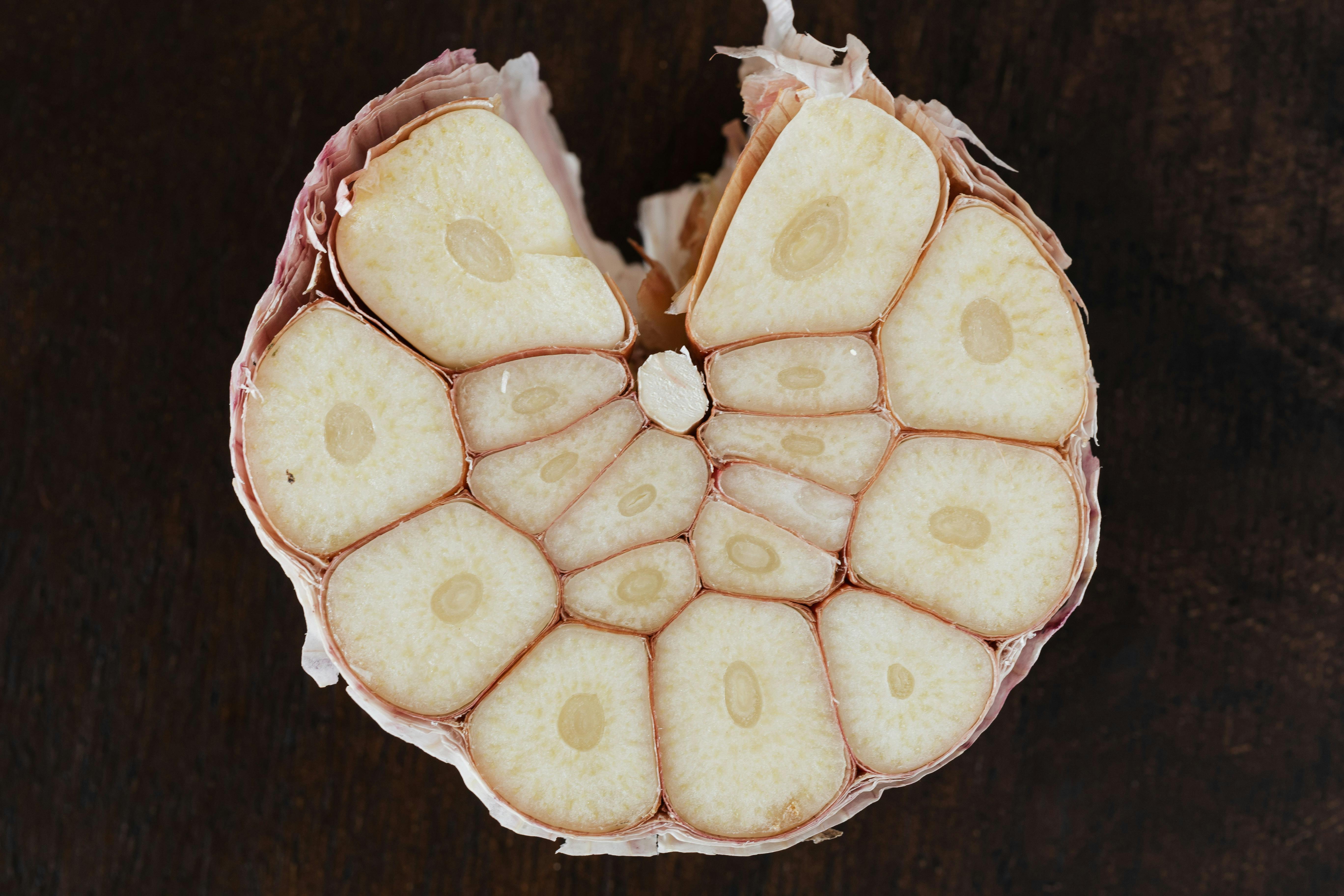
Garlic health benefits come from a unique mix of naturally occurring sulphur compounds. The most talked-about one is allicin, which forms when garlic is crushed, chopped, or chewed. This is why fresh garlic behaves differently from whole, untouched cloves — the chemistry changes the moment you break it open.
These sulphur compounds are responsible for:
- Garlic’s unmistakable smell
- Its sharp, warming flavour
- Much of the scientific interest around its biological activity
Garlic is also naturally rich in antioxidants, compounds that help the body manage oxidative stress — a normal process linked to aging and cellular wear over time.
Micro-moment of recognition:
If garlic smells strong, it’s usually doing something interesting.
Garlic and Heart Health - What's Being Researched
One of the most studied areas of garlic research relates to circulation and cardiovascular support - (heart health)
Garlic has been shown in laboratory and clinical settings to support the body’s natural production of nitric oxide, a molecule involved in relaxing blood vessels and supporting healthy blood flow. This mechanism is one reason garlic often appears in discussions around maintaining healthy blood pressure and cholesterol levels already within a normal range.
A well-known study at the University of Alabama at Birmingham found that blood vessels exposed to crushed garlic showed a significant relaxation response. The effect occurred in the lining of the blood vessels themselves, encouraging gentle dilation.
Findings like these make me appreciate being able to include foods like garlic in our everyday way of eating, knowing it offers ongoing support without the need to force a supplement or strategy.
Garlic and the Immune System
Garlic has long been associated with immune support, particularly during seasonal changes. Modern research suggests this reputation may stem from garlic’s natural antimicrobial and antioxidant compounds, which help the body maintain balance rather than “attack” invaders outright.
One frequently cited study found that participants taking a daily garlic supplement experienced fewer colds over the study period, and when they did get sick, recovery time tended to be shorter.
Although I am tempted to think of garlic health benefits as a shield. A better framing might be this: Garlic helps the body stay well-equipped.
Now garlic doesn’t do much for your breath but it’s those same pungent sulphur compounds that are released when cloves are chewed, crushed or cut, that contain the magic ingredient thought to be responsible for garlic's therapeutic qualities.
A Nutritional Bonus Of Garlic
Beyond its headline compounds, garlic quietly contributes meaningful micronutrients, including:
- Vitamin C
- Vitamin B6
- Manganese
- Selenium
- Small amounts of calcium, potassium, iron, magnesium, and zinc
One clove won’t change your life — but consistency adds up.
Worth knowing: Garlic delivers nutritional value without demanding extra calories, making it an easy upgrade rather than a dietary overhaul.
Worried About Garlic Breath?
Yes, garlic breath is real.
The same sulphur compounds responsible for garlic’s benefits are also responsible for its lingering scent. Fortunately, there are practical ways to soften the aftermath:
Real-world tips for garlic breath:
- Brush and floss thoroughly after meals
- Chew fresh parsley, mint, or basil
- Drink water with lemon juice
- Eat yogurt or drink milk (dairy helps neutralize sulphur compounds)
- Enjoy green or black tea, which contains helpful polyphenols
Garlic breath isn’t a flaw — it’s evidence of chemistry in motion. But there’s no need to suffer unnecessarily.
Garlic As Part Of a Gentle Detox Lifestyle
Garlic often appears in conversations around detoxification, because it supports our systems already designed to do that work — particularly the liver and kidneys.
Sulphur-rich foods like garlic are valued in whole-food detox approaches because sulphur plays a role in natural detox pathways. Research has explored garlic’s ability to support the body’s response to environmental toxins and oxidative stress.
Important perspective: - Garlic doesn’t detox you.
Your body does — garlic simply supports the process.
That framing keeps expectations realistic and respectful of the body’s intelligence.
Garlic Health Benefits - fighting off the common cold
A recently published study found that a daily garlic supplement reduced the risk of the volunteers catching a cold by 50%. The researchers also discovered that even when those taking the supplement did develop a cold they were more likely to make a speedier recovery than the non-garlic taking volunteers. In fact just one clove a day will top up your body's supplies of vitamins A, B and C, as well as a vast array of minerals including selenium, iodine, potassium, iron, calcium, zinc and magnesium.
Summary Of Garlic Health Benefits
In practical terms, garlic supports everyday health in the following ways:
- Garlic contains naturally occurring compounds that have been studied for their antimicrobial and antiviral activity, and are commonly associated with supporting normal immune function.
- Certain compounds in garlic are linked to supporting healthy blood pressure and cholesterol levels already within a normal range, which is why garlic often appears in heart-health research.
- Garlic is a source of antioxidants, which help the body manage oxidative stress and protect cells from everyday wear and tear.
- Compounds such as allicin and diallyl disulfide are being studied for their anti-inflammatory properties and their potential role in long-term cellular health.
- Garlic provides small but meaningful amounts of Vitamin C, Vitamin B6, and manganese, all of which contribute to normal metabolic and immune processes.
- Naturally low in calories and rich in flavour, garlic makes it easier to enhance meals nutritionally without adding dietary burden.
Fresh garlic vs garlic capsules: which is better?
There’s no universal answer — only context.
Fresh garlic
- Retains its natural food matrix
- Offers flavour and culinary versatility
- Requires preparation and tolerance for taste and smell
Garlic capsules
- Convenient and consistent
- Odour-controlled
- Useful for people who dislike raw garlic
Both have a place. The key is choosing quality and moderation.
Worth knowing:
Large amounts of raw garlic may cause digestive discomfort for some people. If you’re sensitive, cooked garlic or supplements may be gentler options.
If you’re on blood-thinning medication or managing a medical condition, it’s wise to discuss regular garlic supplementation with a healthcare professional.
Cooking with garlic: how preparation changes everything
How you use garlic matters more than most people realise.
Worth knowing:
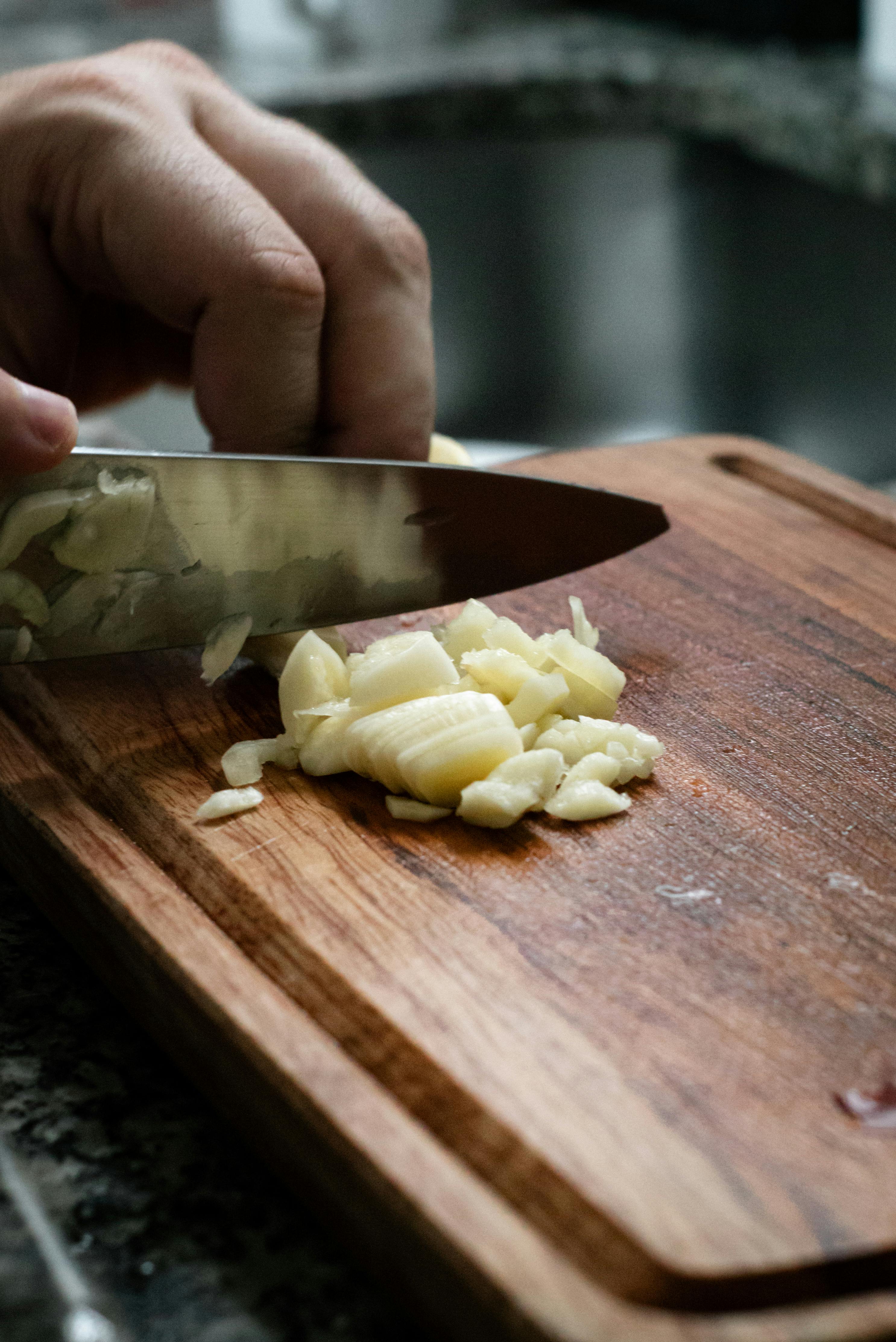
Crushing or chopping garlic activates the enzyme alliinase, which helps form allicin.
Real-world cooking tip:
- Crush or chop garlic
- Let it sit for 10–15 minutes before heating
- Add it toward the end of cooking rather than at the beginning
This small pause allows beneficial compounds to form before heat alters them.
A simple way to start (or restart)
If garlic has drifted into the background of your kitchen, invite it back gently:
- Add crushed garlic to roasted vegetables
- Stir it into soups near the end of cooking
- Use it raw in dressings with lemon and olive oil
- Try it blended into a raw tomato and red pepper soup for warmth and depth
Final thoughts: why garlic still matters
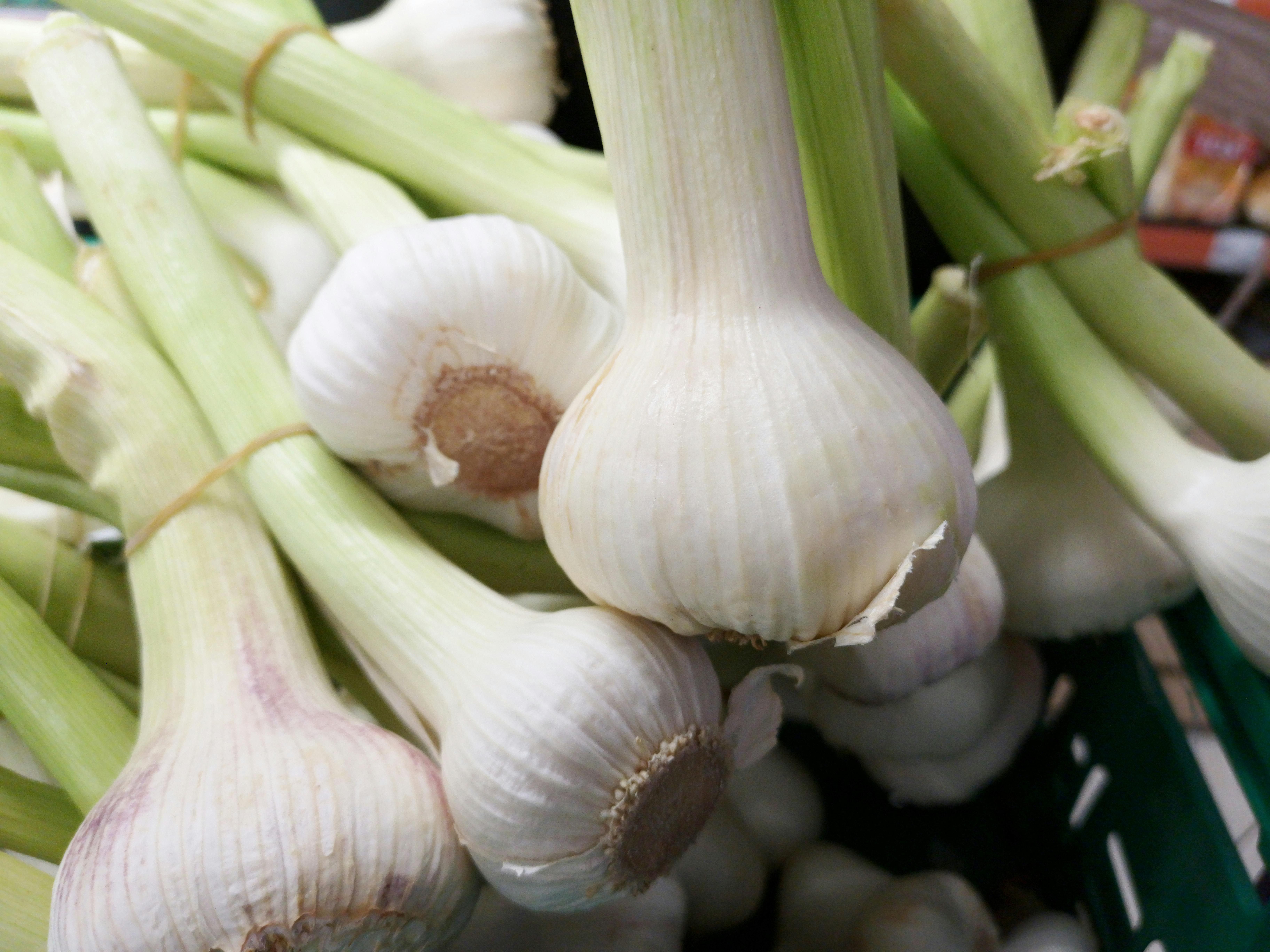
Garlic has survived trends, fads, and nutritional fear cycles.. It supports and enhances rather than replaces. You could try growing your own for a grounding experience. That may bring the greatest health benefit of all.
Worth knowing:- There is no substitute for a healthy diet and regular exercise and garlic health benefit should be part of that lifestyle and not seen a stand alone cure-all.
Raw garlic can be intense on its own, but it works beautifully when balanced with fresh ingredients: Try this Raw Tomato and Red Pepper Soup with raw garlic cloves for flavour.
If you want tips on natural wellness, you can get them straight to your inbox.

Enter your email below and I’ll share new articles, reflections, and practical insights as they’re published.
Side Thoughts
Thanks for visiting here. If you'd like to stay in touch with our regular updates, then we'd love you to subscribe to our Detox-For-Life Newsletter.
We are a participant in the Amazon Services LLC Associates Program, an affiliate advertising program designed to provide a means for us to earn fees by linking to Amazon.com and affiliated sites.
NEWSLETTER
New pages, fresh perspectives, and practical detox-for-life insights are shared first with newsletter readers.
Recent Articles


-
Fennel Essential Oil: Aromatic and Soothing Oil with Health Benefits
Apr 14, 26 03:36 PM
 Fennel Essential Oil - Learn how this sweet, licorice-like oil supports digestion and everyday wellness.
 -
Beyond Curry: Turmeric Essential Oil - Benefits, Uses & Safety Guide
Mar 16, 26 07:19 AM
Explore Turmeric Essential Oil - Spice up your life with this golden oil. From adding a zesty kick to your morning smoothie to giving your skin a radiant glow -
Liver Cleanse Guide: Support Your Liver the Natural Way
Mar 03, 26 01:37 AM
 Discover how a gentle liver cleanse supports detox, digestion, metabolism, clear skin and steady energy using food, herbs and simple daily habits.