- Home
- Constipation Relief
- Gluten Free Diet
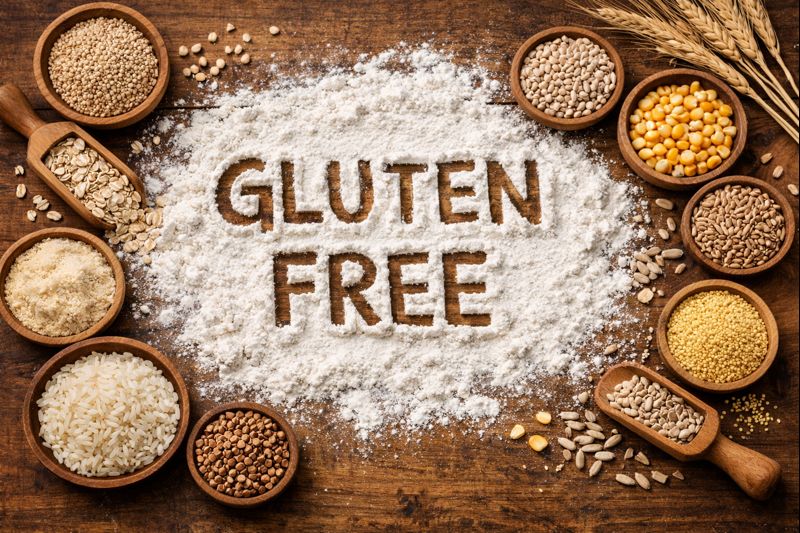
Gluten Free Diet: Benefits, Risks, and How to Go Gluten-Free Safely
Why Is Everyone Suddenly Gluten-Free? (And Should You Be?)
Why does it feel like everyone you know is suddenly on a gluten free diet?
One friend swears their bloating vanished. Another says their energy is better. Someone else dropped gluten “just to see” and now won’t touch a slice of toast. It’s everywhere — social media before‑and‑after photos, celebrity diet confessions, influencers waving almond‑flour muffins at the camera.
So… is the gluten free diet just another wellness fad?
The honest answer is: yes and no.
On the facts side, only about 1% of people have coeliac disease, an autoimmune condition where gluten causes real damage to the small intestine. An estimated 6–7% may have non‑coeliac gluten sensitivity, where symptoms occur without the same intestinal injury. That’s not everyone — but it’s also not rare.
What has changed is awareness. Testing is better. Conversations around gut health, inflammation, and food sensitivities are more mainstream. And people are paying attention to how food actually makes them feel — not just what they were told is “healthy.”
There’s also a historical angle. Many of us grew up on very gluten‑heavy diets because wheat was cheap, shelf‑stable, and easy to turn into bread, pasta, cereal, and snacks. Over time, ultra‑processed versions of these foods became everyday staples. For some people, that combination — modern wheat, frequent exposure, and highly processed products — may contribute to digestive issues, inflammation, or even mood dips.
So whether you’re medically diagnosed, mildly suspicious, or just curious, this page isn’t here to scare you or convert you. It’s here to break the gluten‑free conversation down in real‑talk terms — what it is, who it helps, who it doesn’t, and how to approach it without losing your mind.

What Is Gluten and Why Is It a Problem for Some People?
Gluten is a group of proteins found mainly in wheat, barley, and rye. Its job is structural. Gluten gives dough its stretchiness and elasticity, traps air bubbles, and helps bread rise and stay chewy instead of crumbling into dust.
From a baking perspective, gluten is brilliant.
From a health perspective, it depends on the person.
Coeliac disease
In people with coeliac disease, gluten triggers an autoimmune reaction. The immune system mistakenly attacks the lining of the small intestine, causing inflammation and damage to the tiny villi responsible for nutrient absorption. Over time, this can lead to symptoms such as:
- Chronic diarrhea or constipation
- Abdominal pain and bloating
- Weight loss or failure to thrive
- Fatigue
- Nutrient deficiencies (iron, calcium, B vitamins)
Long‑term, untreated coeliac disease can increase the risk of osteoporosis and other serious complications. For these individuals, total and lifelong removal of gluten is essential, not optional.
Non‑coeliac gluten sensitivity
Some people experience very real symptoms when they eat gluten, but test negative for coeliac disease and don’t have a wheat allergy. Symptoms may include:
- Bloating and gas
- Brain fog
- Fatigue
- Headaches
- Joint discomfort
- Digestive upset
The exact mechanism isn’t fully understood. Gluten may not be the only culprit — other components of wheat, or even fermentable carbohydrates (FODMAPs), may play a role. Still, many people feel noticeably better when gluten is reduced or removed.Wheat allergy
This is different again. A wheat allergy involves an allergic immune response and can cause symptoms like hives, swelling, or respiratory issues. It requires strict avoidance of wheat, though not necessarily all gluten‑containing grains.
Myth‑busting time
Gluten is not inherently evil. Whole grains that contain gluten can be nutritious, providing fiber, minerals, and plant compounds. Many people digest gluten just fine.
However, when people go on a gluten free diet, they often — unintentionally — cut back on highly processed foods, refined flours, and constant snacking. From a detox or reset perspective, that alone can make a big difference.
How to Go Gluten Free Without Losing Your Mind
If you’re considering a gluten‑free diet, a little strategy goes a long way.
Step 1: Get tested before you cut gluten
This is important. If you suspect coeliac disease, do not go gluten‑free before testing. Removing gluten can lead to false‑negative results. Speak to a healthcare professional first so you have clarity rather than guesswork.
Step 2: Learn to read labels
Gluten hides in unexpected places. Beyond obvious breads and pasta, watch for it in:
- Sauces and gravies
- Stock cubes and soups
- Processed meats
- Seasoning blends
- Some medications and supplements
Look for products labeled “gluten‑free” or certified gluten‑free, which typically means they contain less than 20 parts per million (ppm) of gluten.
Yes, you may hear things like “gluten in envelope glue.” That’s not something most people need to panic about — but it does highlight how widespread wheat derivatives can be.
Step 3: Smart substitutions
You don’t have to live on lettuce.
Easy swaps include:
- Quinoa or rice instead of couscous or wheat pasta
- Potatoes or sweet potatoes instead of bread‑based sides
- Gluten‑free oats (certified) for breakfast
- Almond or coconut flour for baking
Pro tip: Gluten‑free baking needs structure. Ingredients like xanthan gum, eggs, yogurt, or ground seeds help improve texture and prevent crumbling.
Step 4: Don’t forget fiber
Removing wheat may drop your fiber intake. Aim for 25–30 grams daily from:
- Vegetables
- Nuts and seeds
- Chia or flaxseed
- Psyllium husk
- Pulses and legumes
This is especially helpful if you’re viewing gluten‑free eating as a gentle detox rather than a restriction.
Real-Life Gluten Free Diet: Kids, Bread Woes, and Everyday Questions
Feeding kids without drama
Parents often worry that a gluten free diet means boring or restrictive for children. It doesn’t have to.
Kid‑friendly gluten‑free staples include:
- Certified gluten‑free oats
- Fruit smoothies with nut butter or seeds
- Homemade pizzas on cauliflower or potato bases
- Rice bowls with colorful toppings
Children need sufficient iron, calcium, and energy, so balance matters. Involving them in cooking — choosing toppings, mixing batter, assembling meals — reduces resistance and builds food confidence.
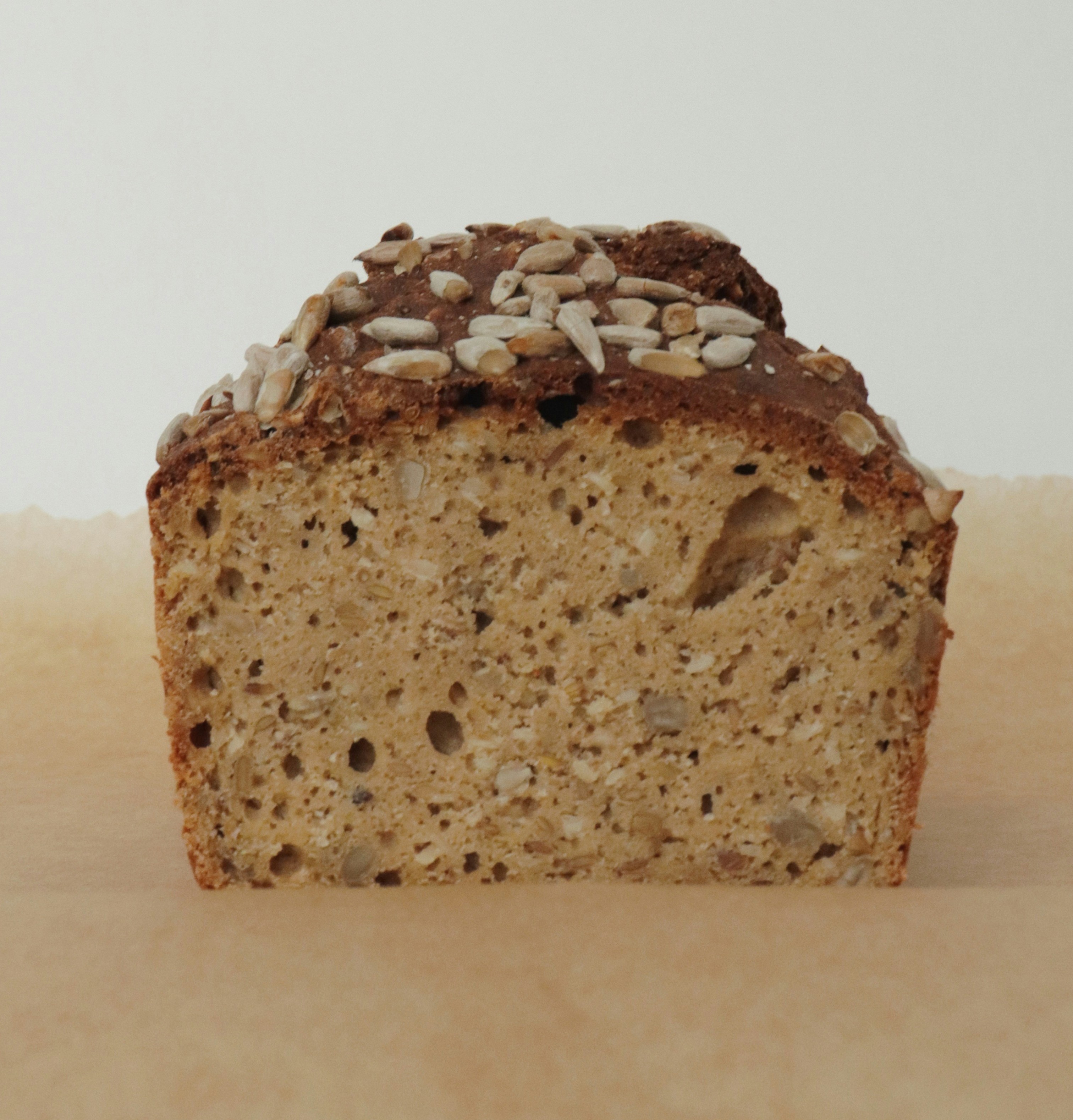
The bread problem (yes, we’re talking about it) 🍞🍞
Why does gluten‑free bread sometimes feel like a brick?
Gluten is the glue that traps air. Without it, baked goods are denser. Better recipes often include:
- Eggs for structure
- Yogurt or kefir for softness
- A mix of flours rather than just one
Some commercial brands have improved dramatically. More and more brands are being mentioned for getting texture closer to traditional bread.
Common questions, answered
- Withdrawal symptoms? Feeling dizzy, tired, or extra hungry at first is often a carbohydrate adjustment, not a detox crisis.
- Weight loss? Gluten‑free doesn’t guarantee weight loss. Gluten‑free junk food is still junk food.
- Alcohol? Wine and spirits are generally gluten‑free. Beer usually isn’t, unless specifically labeled gluten‑free.
Gluten-Free Recipes, Detox Tie-Ins, and Practical Tips
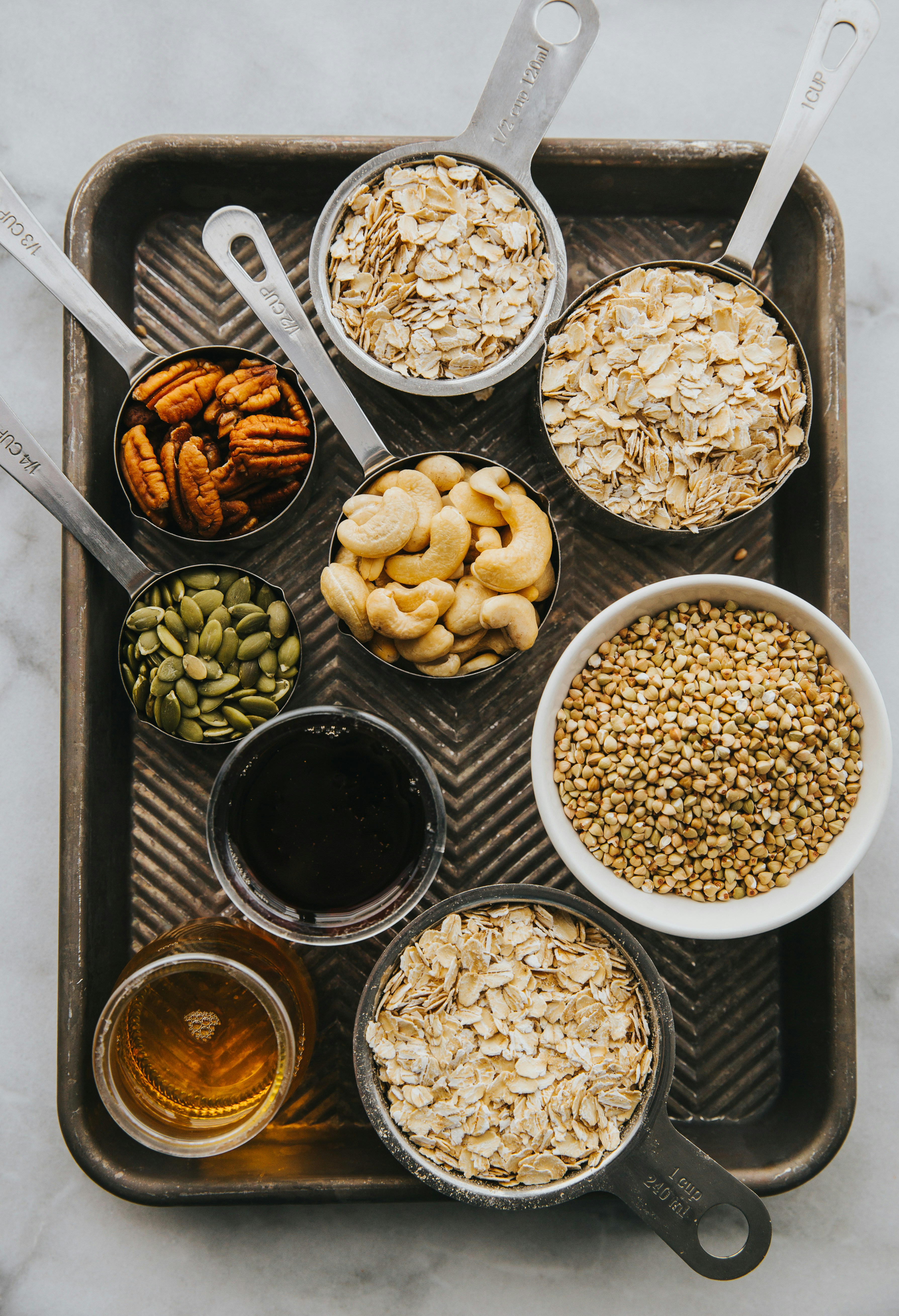
If you’re approaching gluten‑free eating as a reset, simplicity helps.
Easy ideas:
- Green detox smoothies with leafy greens, berries, seeds, and plant milk
- Big herb‑rich salads with olive oil and lemon
- Warm bowls with roasted vegetables, rice, and protein
These meals pair well with other gut‑supportive habits. For example, you can combine meals with apple cider vinegar or other gentle digestive supports already discussed elsewhere on this site.
Pro tips for success:
- Batch cook and freeze basics
- Use label‑scanning apps when shopping
- Find online gluten‑free communities for recipes and encouragement
Gluten-Free Diet FAQ
Question -
Is gluten‑free safe long term?
Question -
Is gluten‑free safe long term?
Answer - Yes, when planned well. It's essential and beneficial for those who truly need it (celiac or sensitivity), but for others, it can mean missing out on fortified nutrients like fiber, iron, and B vitamins if you're relying on processed GF foods. Prioritize variety with whole, naturally gluten-free options (veggies, nuts, seeds, quinoa, etc.), and check in with a pro if going long-haul to keep things balanced.
Question -
Do I need a doctor or dietitian to go on a gluten free diet?
Question -
Do I need a doctor or dietitian to go on a gluten free diet?
Answer - If you're dealing with ongoing or bothersome symptoms like persistent bloating, fatigue, brain fog, digestive issues, joint pain, or unexplained weight changes—professional guidance is a smart (and often essential) first step.
If you're just curious/experimenting short-term (with no health issues), do a quick trial (a week or two), with some simple food swops and see how you feel.
Final Thought
A gluten free diet doesn’t have to feel restrictive, expensive, or obsessive. Whether you’re managing coeliac disease, experimenting due to sensitivity, or simply curious, the key is knowledge, balance, and flexibility.
Focus less on what you’re removing — and more on the new foods, flavours, and habits you’re adding to support your overall health.
Related Reading
If you want tips on natural wellness, you can get them straight to your inbox.

Enter your email below and I’ll share new articles, reflections, and practical insights as they’re published.
Side Thoughts
Thanks for visiting here. If you'd like to stay in touch with our regular updates, then we'd love you to subscribe to our Detox-For-Life Newsletter.
We are a participant in the Amazon Services LLC Associates Program, an affiliate advertising program designed to provide a means for us to earn fees by linking to Amazon.com and affiliated sites.
NEWSLETTER
New pages, fresh perspectives, and practical detox-for-life insights are shared first with newsletter readers.


