- Home
- Super Foods
- Health Benefits of Cayenne Pepper

Health Benefits of Cayenne Pepper
Small Red Pepper. Big Personality.
The health benefits of Cayenne Pepper have truly amazed me. Cayenne pepper doesn’t look particularly dramatic. It’s small, red, and usually hiding in the spice rack. And yet, this modest pepper has managed to stay relevant for thousands of years — which already tells us something interesting.
Used across cultures for both cooking and traditional wellness practices, cayenne pepper (Capsicum annuum) has earned its reputation through long-term use.
🌶️ What Exactly Is Cayenne Pepper?
Cayenne comes from a shrub that thrives in warm, tropical and subtropical climates. Its signature heat comes from capsaicin, the compound responsible for that familiar “oh wow” moment when you add a little too much.
Capsaicin is also the reason cayenne shows up so often in wellness conversations. It’s been widely studied, and while research is ongoing, its role in circulation, digestion, and sensory response is what keeps cayenne firmly in the spotlight.
Hot Reasons To Add Cayenne Pepper To Your Diet
Cayenne and Digestion: Waking Things Up
Cayenne pepper has traditionally been used to support digestion, particularly in cases where things feel a little… sluggish, including occasional constipation, which no one really enjoys talking about.
A small amount of heat can encourage digestive movement and stimulate circulation to the digestive tract. Think of it less as a sledgehammer and more as a gentle nudge — the kind that says, “Alright, let’s get moving.”
Digestive health problems can affect more than just the gut, since digestion plays a key role in how the body absorbs the nutrients that support everyday wellbeing.”
Many traditional food cultures understood this long before modern research caught up.
A Quick Look at What Cayenne Contains
Below are several health benefits of cayenne pepper that researchers have studied, largely due to its capsaicin content.
- circulation support
- digestive stimulation
- sensory warming effect
- topical comfort applications (inflammatory support)
- cholesterol support
- cardiovascular health.
🔥 Get a Spicey Kick With Cayenne
Cayenne also thins the blood so is good for your circulation and has been reported to have a normalizing effect on patients with blood pressure problems. If you have a skin condition, using cayenne topically might help you. It has been proven to successfully treat conditions such as psoriasis.
Circulation & Cardiovascular Support
One of the most commonly discussed aspects of cayenne pepper health benefits is its effect on circulation. Capsaicin has been studied for its role in supporting healthy blood circulation and vascular function, which may explain why cayenne has long been associated with cardiovascular (heart) health.
Although anecdotal and subject to individual experience, some traditional and historical accounts reference cayenne as supportive in relation to cholesterol and blood clotting factors.
People often describe cayenne as “warming” — especially noticeable if you’re prone to cold hands or feet.
If you’re exploring ways to support circulation and cardiovascular wellbeing, a quality cayenne pepper supplement can offer a practical, easy-to-use option.
Cayenne Pepper and Skin: Topical Benefits
Cayenne pepper isn’t just for the kitchen — its active compound, capsaicin, has a long history of use in topical preparations. It is used in creams and ointments designed to support skin comfort, warmth, and circulation.
Psoriasis and Skin Sensitivity: Some formulations containing capsaicin have been explored for easing itching, redness, or flaking in skin conditions such as psoriasis. The effect comes from capsaicin interacting with sensory nerves — basically giving them a gentle nudge to calm irritation signals.
Muscle and Joint Comfort: Topical capsaicin is often included in creams aimed at soothing body parts that feel tense or stiff. Many people appreciate the warming sensation, which can feel comforting after activity or for stiffness.
Boosting Circulation and Radiance: When applied to the skin, capsaicin can temporarily increase surface blood flow (a process sometimes called a rubefacient effect). This gentle stimulation may leave the skin looking a bit more vibrant — a small perk for anyone who enjoys the subtle “glow” of good circulation.
In short, while cayenne is not a cure, it has a long history of supporting skin comfort, circulation, and a sense of warmth when used thoughtfully in topical applications.

Lemon and Cayenne Pepper : -
What About That Detox Diet Drink?
The health benefits of Cayenne Pepper gained modern fame from the popular Master Cleanse Diet also known as the Maple Syrup Diet, the Lemonade Diet and the Lemon Detox Diet.
This Cayenne pepper lemonade drink has been promoted by celebrities for detox support and weight management.
Curious? You can read more on The Master Cleanse Detox Diet here.
Cayenne Pepper and Weight Management
Cayenne pepper often appears in conversations about weight management, largely due to the way spicy foods interact with appetite, metabolism, and sensory experience.
Capsaicin has been studied for its potential role in thermogenesis — the process by which the body generates heat — which may help explain why spicy foods are often described as “warming” or stimulating. Some people also report that meals containing cayenne feel more satisfying, which can naturally influence eating patterns.
In scientific studies, capsaicin has been examined for its effects on adipogenesis (the process of new fat cell formation), but most of this research is still at the experimental stage.
Rather than being a shortcut or solution, cayenne is best viewed as a supportive ingredient. It shows up most often as part of a wider lifestyle approach that includes mindful eating, balanced meals, and movement.
This may be why cayenne has remained a quiet staple in traditional diets around the world — not as a weight-loss trick, but as a spice that encourages awareness, moderation, and metabolic engagement.

Can I add Cayenne Pepper to my drink?
Sure thing! A pinch of cayenne pepper can be added to:
- Herbal teas
- Lemon water
- Fresh juices
- Smoothies
The spice of the pepper adds a nice kick to your beverage and can be used to make fun and creative concoctions. For example, try adding cayenne pepper to a mango smoothie for flavour and health benefits.
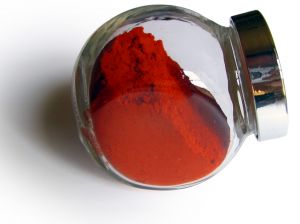
The Powerful Red Powder - Cayenne For Pain Support
Cayenne pepper is often discussed for its anti-inflammatory properties, largely due to its active compound, capsaicin. Capsaicin has been studied for its ability to interact with inflammatory pathways in the body, including reducing certain inflammatory proteins and helping to neutralise free radicals. This may help explain why cayenne has long been used in traditional wellness practices focused on comfort, circulation, and recovery.
One of the most well-known effects of capsaicin is its interaction with nerve endings. By temporarily desensitising pain receptors, it can interrupt pain signals — a principle commonly used in topical creams designed for muscle, joint, or nerve discomfort. This is where many people encounter cayenne’s effects most clearly, as warming, surface-level support rather than dramatic internal change.
There is also growing interest in how compounds found in cayenne, including dihydrocapsaicin, may support healthy blood flow and nitric oxide production — processes linked to circulation and cardiovascular balance. While early findings are promising, especially in laboratory and preliminary human studies, broader internal effects are still being explored.
As with other aspects of the health benefits of cayenne pepper, moderation matters. Some people find cayenne supportive, while others — particularly those with sensitive digestion — may need to approach internal use more cautiously. Used thoughtfully, cayenne remains a fascinating example of how heat, when respected, can support balance rather than disrupt it.
Cayenne is also a natural appetite suppressant.

Health Benefits of Cayenne Pepper - What About Supplements?
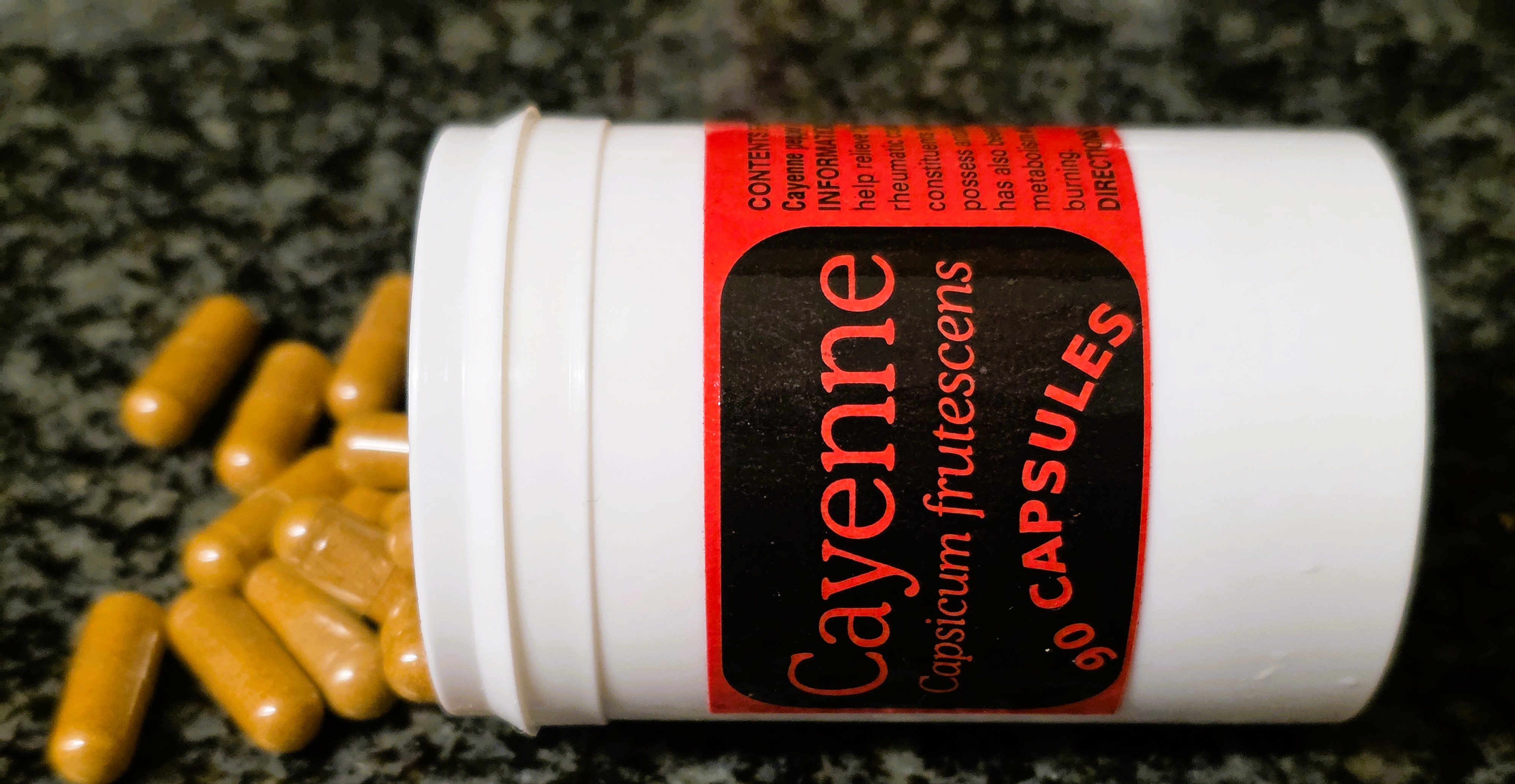
Not everyone enjoys the taste (or bravery test) of cayenne pepper. Supplements offer a way to include cayenne without the heat on your tongue.
Cayenne Pepper Capsules are commonly used by those who want consistency without culinary fireworks. As always, moderation and quality matter, and supplements are best viewed as supportive, not a replacement for medical care or a balanced lifestyle.
Health Benefits of Cayenne Pepper: When a Pinch Is Plenty
Before we give cayenne pepper a standing ovation for its many health benefits, it’s worth pairing enthusiasm with awareness. Even natural ingredients come with context — and cayenne pepper is no exception.
Not everyone tolerates heat in the same way. For some, too much cayenne can lead to digestive discomfort, which is why starting small and paying attention to your body’s response matters. Individual tolerance varies, especially when cayenne is taken in concentrated supplement form, where “a little more” can quickly become unnecessary.
Capsaicin, the active compound behind many of the health benefits of cayenne pepper, can also interact with certain medications. There are reports suggesting that very high intakes may place extra strain on the cardiovascular system in sensitive individuals — not as a warning sign, but as a reminder to respect the body’s signals.
At Detox For Life, we take a balanced approach. Enjoy cayenne pepper in food, appreciate its long history in traditional wellness practices, and approach supplements thoughtfully — ideally with guidance from a qualified healthcare professional.
Cayenne doesn’t need to be overdone to be effective. Sometimes, a pinch really is enough.
If you want tips on natural wellness, you can get them straight to your inbox.

Enter your email below and I’ll share new articles, reflections, and practical insights as they’re published.
Side Thoughts
Thanks for visiting here. If you'd like to stay in touch with our regular updates, then we'd love you to subscribe to our Detox-For-Life Newsletter.
We are a participant in the Amazon Services LLC Associates Program, an affiliate advertising program designed to provide a means for us to earn fees by linking to Amazon.com and affiliated sites.
NEWSLETTER
New pages, fresh perspectives, and practical detox-for-life insights are shared first with newsletter readers.
Recent Articles


-
Fennel Essential Oil: Aromatic and Soothing Oil with Health Benefits
Apr 14, 26 03:36 PM
 Fennel Essential Oil - Learn how this sweet, licorice-like oil supports digestion and everyday wellness.
 -
Beyond Curry: Turmeric Essential Oil - Benefits, Uses & Safety Guide
Mar 16, 26 07:19 AM
Explore Turmeric Essential Oil - Spice up your life with this golden oil. From adding a zesty kick to your morning smoothie to giving your skin a radiant glow -
Liver Cleanse Guide: Support Your Liver the Natural Way
Mar 03, 26 01:37 AM
 Discover how a gentle liver cleanse supports detox, digestion, metabolism, clear skin and steady energy using food, herbs and simple daily habits.