- Home
- Health Articles
- Home Remedy for Strep Throat

Home Remedy For Strep Throat
Practical ways to soothe a strep throat and support recovery
If a home remedy for strep throat is what you're searching for then read on.
A sore throat can start as a mild irritation and quickly become intense, raw, and painful. When strep throat is involved, symptoms often feel sharper and more persistent than with an ordinary cold. This page is designed as a practical, supportive guide—helping you understand what may be going on and how to ease discomfort at home while your body recovers.
Home remedies cannot replace medical care when it’s needed, but they can play an important role in comfort, hydration, and overall support.
What is strep throat?
Strep throat is a bacterial throat infection caused by Group A Streptococcus. It tends to come on suddenly and is usually more painful than a typical viral sore throat.
While many sore throats are viral and resolve on their own, strep throat often benefits from medical assessment—especially if symptoms are strong or persistent.

Signs a sore throat may be more than a cold
A sore throat may be more likely bacterial when several of the following are present:
- Sudden, severe throat pain
- Pain when swallowing
- Fever
- Swollen or tender lymph nodes in the neck
- White patches or streaks on the tonsils
- Headache or stomach discomfort
- Little or no coughing
Viral sore throats are more often accompanied by a runny nose, cough, or body aches and usually improve on their own within a few days.
When to seek medical advice
There may come a time when your home remedy for strep throat is not giving you the comfort you hoped for. Consider consulting a healthcare professional if:
- Throat pain is severe or worsening after 48–72 hours
- Fever is high or persistent
- Swallowing becomes difficult
- Symptoms last longer than a week
- A rash, dehydration, or extreme fatigue develops
Prompt treatment can help prevent complications and support faster recovery.
Home remedy for strep throat symptoms
These remedies focus on comfort, hydration, and throat support. They are often used alongside rest and professional care.

Gargles and soothing rinses
Salt water gargle
Mix 1 teaspoon of salt into 1 cup of warm water. Gargle gently 2–3 times daily. Salt helps reduce swelling and irritation and can be soothing for inflamed tissue.
Apple cider vinegar gargle
Dilute 1–2 teaspoons of apple cider vinegar in warm water. Some people find this comforting for throat irritation.
Aloe vera juice gargle
Food-grade aloe vera juice may be gently gargled to soothe irritated tissues.
Natural soothing foods and ingredients
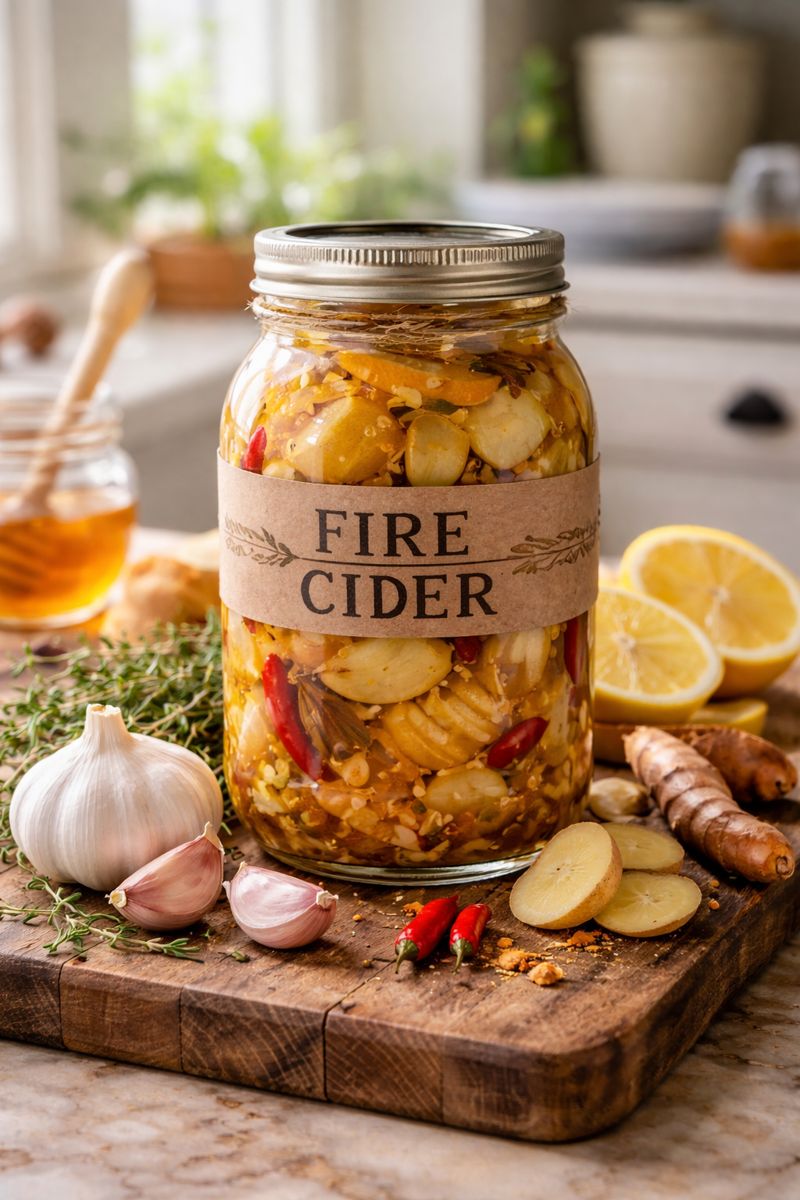
Honey
Honey coats the throat, easing irritation and dryness. Take by the spoonful or mix with warm water and lemon. (Not suitable for children under one year.)
Ginger tea
Steep freshly grated ginger in hot water for 10 minutes. Ginger is traditionally used to support comfort during throat and upper respiratory discomfort.
Garlic infusion
Crush one garlic clove and steep in hot water until lukewarm. Sip or gargle gently.
Cayenne or chilli gargle
A small pinch of cayenne mixed with warm water may create a numbing sensation for some people. Use sparingly and avoid swallowing.
Lemon, ginger, cinnamon and honey This time-honoured traditional drink is a firm favourite in my household as a home remedy for strep throat. Combine a teaspoon of cinnamon powder, the juice of half a lemon, and a pinch of ginger powder (or a small, thumbnail-sized piece of fresh ginger) with half a cup of hot water. Add honey to taste, then allow it to cool to a comfortable drinking temperature.
If you can tolerate it, adding a little freshly grated lemon peel brings an extra layer of benefit and depth to this comforting blend.
Herbal teas for throat comfort
Slippery elm
The inner bark forms a soothing, gel-like texture when mixed with water, helping to coat and calm irritated throat tissues. Ideal to consider as a home remedy for strep throat.
Marshmallow root
Rich in mucilage, marshmallow root tea is traditionally used to soften and soothe inflamed mucous membranes.
Sage tea
Sage has a long history of use for throat comfort. Steep 1 teaspoon of dried sage in hot water and drink up to three times daily.

Essential oils for throat comfort and atmosphere support
Essential oils are often used as comfort tools during times of throat irritation. While they are not treatments for bacterial infections, many people find them helpful for easing discomfort, supporting relaxation, and creating a cleaner-feeling breathing environment.
Gentle ways to use essential oils
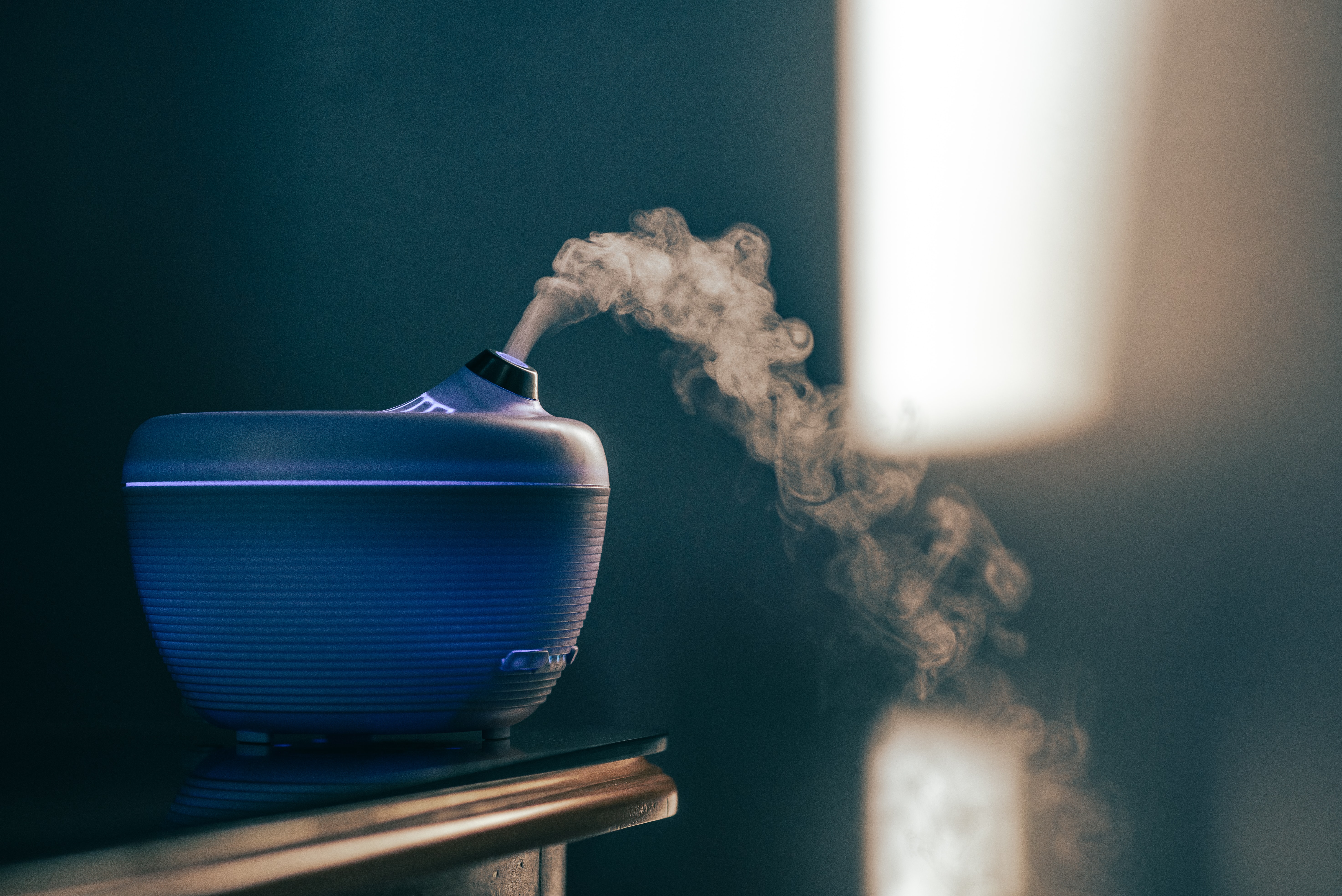
Steam inhalation
Add 1–2 drops of essential oil to a bowl of hot (not boiling) water. Cover your head with a towel, close your eyes, and inhale gently for a few minutes. This method is often used for throat, sinus, and upper respiratory comfort.
Diffusion
Diffusing essential oils can help freshen the air and create a soothing environment, especially when rest is needed. Use intermittently rather than continuously.
Topical support (neck and chest)
Dilute essential oils well in a carrier oil (such as coconut or jojoba oil) and apply lightly to the neck or upper chest. Avoid applying directly to the throat area or broken skin.
Essential oils commonly used for throat comfort
Tea tree (Melaleuca alternifolia)
Often chosen for its cleansing aroma, tea tree oil is commonly diffused or used in steam inhalation during times of throat and seasonal discomfort.
Peppermint (Mentha piperita)
Peppermint’s cooling sensation can feel refreshing when the throat feels hot or inflamed. It is typically used in steam inhalation or diffusion rather than direct application.
Eucalyptus (Eucalyptus radiata or globulus)
Known for its clear, penetrating aroma, eucalyptus oil is frequently diffused to support easier breathing and overall respiratory comfort.
Lavender (Lavandula angustifolia)
Lavender is often used to support rest and relaxation, which is essential when the body is under strain from infection.
Lemon (Citrus limon)
Lemon oil is commonly diffused for its fresh, uplifting scent and to help create a clean-smelling environment.
Important essential oil safety notes
- Always dilute essential oils before topical use
- Avoid internal use unless guided by a qualified professional
- Use caution with children, during pregnancy, or if you have respiratory sensitivities
- Discontinue use if irritation occurs
Essential oils are best viewed as supportive companions alongside rest, hydration, and appropriate medical care.
Everyday comfort tips
What to expect
With appropriate care, throat discomfort often improves within a few days. When strep throat is confirmed, medical treatment may be recommended to shorten recovery time and reduce the risk of complications.
Supporting your body with rest, hydration, and soothing practices can make the experience far more manageable.
This guide is intended for general information and comfort support. Always consult a qualified health professional for diagnosis or persistent symptoms.
If you want tips on natural wellness, you can get them straight to your inbox.

Enter your email below and I’ll share new articles, reflections, and practical insights as they’re published.
Side Thoughts
Thanks for visiting here. If you'd like to stay in touch with our regular updates, then we'd love you to subscribe to our Detox-For-Life Newsletter.
We are a participant in the Amazon Services LLC Associates Program, an affiliate advertising program designed to provide a means for us to earn fees by linking to Amazon.com and affiliated sites.
NEWSLETTER
New pages, fresh perspectives, and practical detox-for-life insights are shared first with newsletter readers.


