- Home
- What Are Essential Oils?
- Eucalyptus Essential Oil
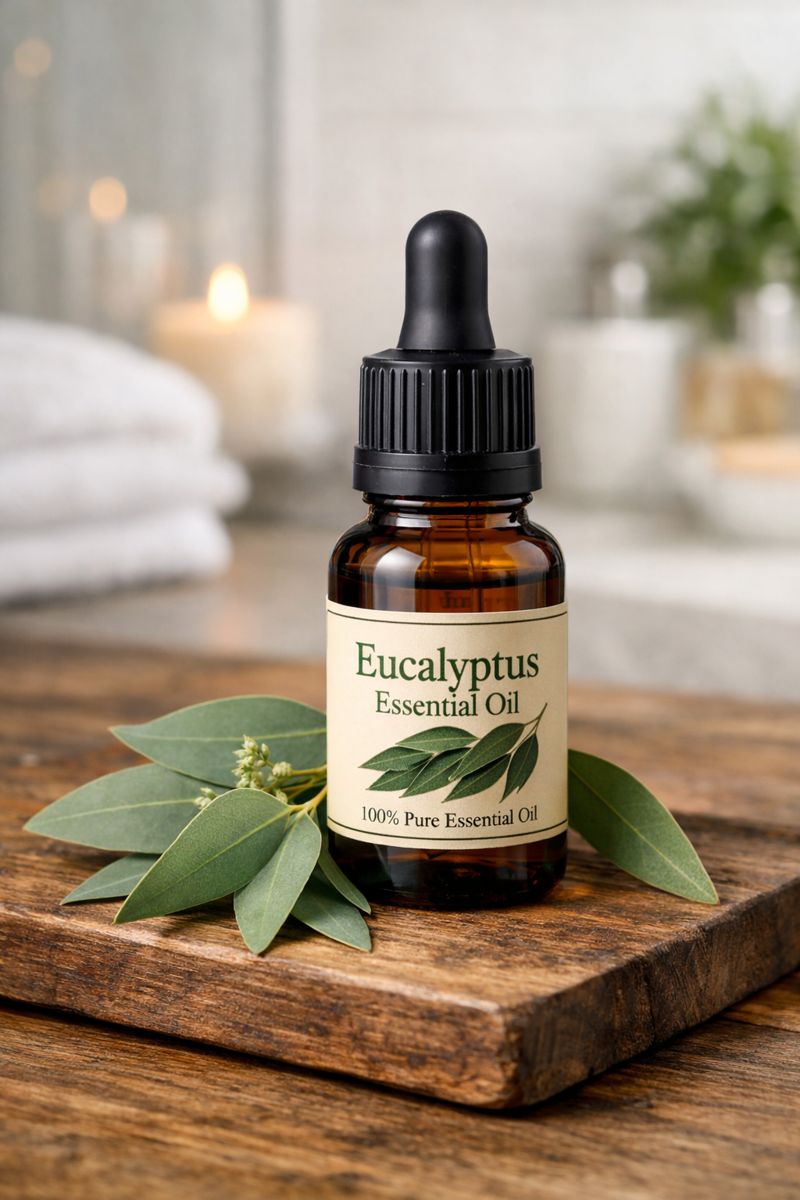
Eucalyptus Essential Oil
A Comprehensive Guide to Origins, Benefits, and Uses
Eucalyptus essential oil has occupied a distinctive place in traditional medicine, household remedies, and modern wellness practices. Distilled from the aromatic leaves of eucalyptus trees, this oil is best known for its fresh, penetrating scent and its long-standing association with breathing comfort, cleanliness, and environmental freshness.
Native primarily to Australia, eucalyptus trees were valued by Indigenous communities for their aromatic vapours and practical applications long before modern chemistry identified their active compounds. As cultivation expanded beyond Australia, eucalyptus oil became a familiar presence in chest rubs, inhalations, cleaning products, topical liniments, and aromatherapy blends around the world.
Today, eucalyptus essential oil remains relevant not because it promises quick cures, but because it offers something practical and time-tested: a strong, clarifying aroma that has long been linked—both historically and scientifically—to perceptions of cleanliness, airflow, and sensory alertness.

What Is Eucalyptus Essential Oil?
Eucalyptus essential oil is a concentrated aromatic oil extracted from the leaves of various eucalyptus tree species, most commonly Eucalyptus globulus, along with other cineole-rich species such as Eucalyptus polybractea and Eucalyptus smithii. These evergreen trees grow rapidly and can reach considerable heights, producing leaves rich in volatile aromatic compounds stored in specialised oil glands.
Botanical Source and Origins
The primary commercial species used for essential oil production is Eucalyptus globulus, although other species are widely cultivated where a high 1,8-cineole content is desired.
Eucalyptus trees are native to Australia, particularly the southeastern regions where they dominate large forested landscapes. Today, eucalyptus is cultivated well beyond its native range, including in southern Europe, North Africa, South America, Asia, and parts of Africa. In many of these regions, eucalyptus plantations support multiple industries, including timber, pulp, and essential oil production.
Traditional Uses Across Cultures
Across cultures and generations, eucalyptus leaves and oil have been used in practical, everyday ways:
- Inhalation of leaf vapours for breathing comfort, often over hot water or near warmed foliage
- Topical use in balms, liniments, and rubs for muscles and joints
- Household fumigation, floor washing, and surface cleaning to freshen indoor spaces
- Insect deterrence and grain protection in warm climates
As eucalyptus cultivation spread, these traditional uses gradually informed modern commercial applications, from over-the-counter decongestant rubs and lozenges to mouthwashes, dental products, and surface sprays.
How Is Eucalyptus Essential Oil Extracted?
Eucalyptus essential oil is most commonly produced through steam distillation, a method well suited to preserving volatile aromatic compounds without the use of synthetic solvents.
Harvesting the Raw Material
Leaves are harvested from mature trees, often during periods when oil content is highest, which can vary depending on season, climate, and tree age. Harvesting may be done by hand or by mechanical methods, after which leaves are transported promptly to distillation facilities to limit oxidation and loss of the most volatile components.
Because eucalyptus trees grow quickly but can be demanding on soil and water resources, responsible producers pay close attention to sustainable forestry practices, regrowth cycles, and land management.
Distillation Process
The distillation process follows several key steps:Why the Extraction Method Matters
- Cleaning: Leaves are sorted to remove twigs and debris
- Preparation: Leaves are lightly shredded or crushed to increase surface area and release oil glands
- Steam distillation: Steam passes through the plant material, rupturing oil glands and carrying aromatic vapours into a condenser
- Condensation: Vapour cools back into liquid
- Separation: Essential oil naturally separates from the aromatic water (hydrosol) and is collected
Steam distillation helps preserve the oil’s natural chemical profile. In some cases, rectification—a secondary distillation step—is used to increase the proportion of 1,8-cineole, producing a more standardised and intensely aromatic oil. Typical yields range from about 1–3% oil by weight, meaning roughly 100 pounds of leaves may produce 1–3 pounds of essential oil, depending on species, growing conditions, and distillation efficiency.
Chemical Composition of Eucalyptus Essential Oil
Eucalyptus essential oil is defined by its high concentration of eucalyptol (1,8-cineole), the compound responsible for its characteristic aroma and many of its functional associations.Key Compounds
A typical Eucalyptus globulus leaf oil contains:
Why These Compounds Matter
- Eucalyptol (1,8-cineole): commonly 60–80%, though reported ranges vary widely by species and location
- Alpha-pinene: contributing a fresh, pine-like aroma
- p-Cymene and limonene: adding light citrus and resinous notes
- Alpha-terpineol and related monoterpenols: present in smaller amounts, lending subtle herbal or floral nuances
These constituents are studied for their aromatic, cleansing, and cooling characteristics, as well as their antimicrobial and antioxidant activity in laboratory settings. Eucalyptol, in particular, has been examined for its interaction with inflammation, airway sensation, mucus properties, and microbial environments.
These properties help explain eucalyptus oil’s long history of use, though individual experiences vary and depend on factors such as concentration, method of use, and overall health context.
What Are The Health Benefits
of Eucalyptus Oil?
Eucalyptus essential oil is often used as a supportive aromatic tool in conjunction with other treatments.
Traditionally Recognised Uses
Historically, eucalyptus oil has been used to:
- Support respiratory health through steam inhalations and chest rubs.
- Ease muscle and joint tension when diluted into massage blends or liniments
- Freshen indoor air and surfaces, particularly in sickrooms or crowded spaces
- Deter insects on skin, textiles, or stored goods
What Modern Research Is Exploring
Contemporary research continues to explore eucalyptus oil and its primary constituents in relation to:
- Respiratory pathways, particularly mucus properties and perceived ease of breathing
- Inflammatory responses, primarily in laboratory and animal models
- Microbial environments, including antibacterial and antifungal activity in vitro
- Cognitive alertness and mood, where inhaled cineole has been associated with changes in perceived alertness in small studies
- Insect Repellent: Eucalyptus essential oil has a strong scent that can repel insects such as mosquitoes, making it a popular natural insect repellent.
Most research focuses on isolated compounds or controlled environments rather than everyday human use.
How to Use Eucalyptus Essential Oil Safely
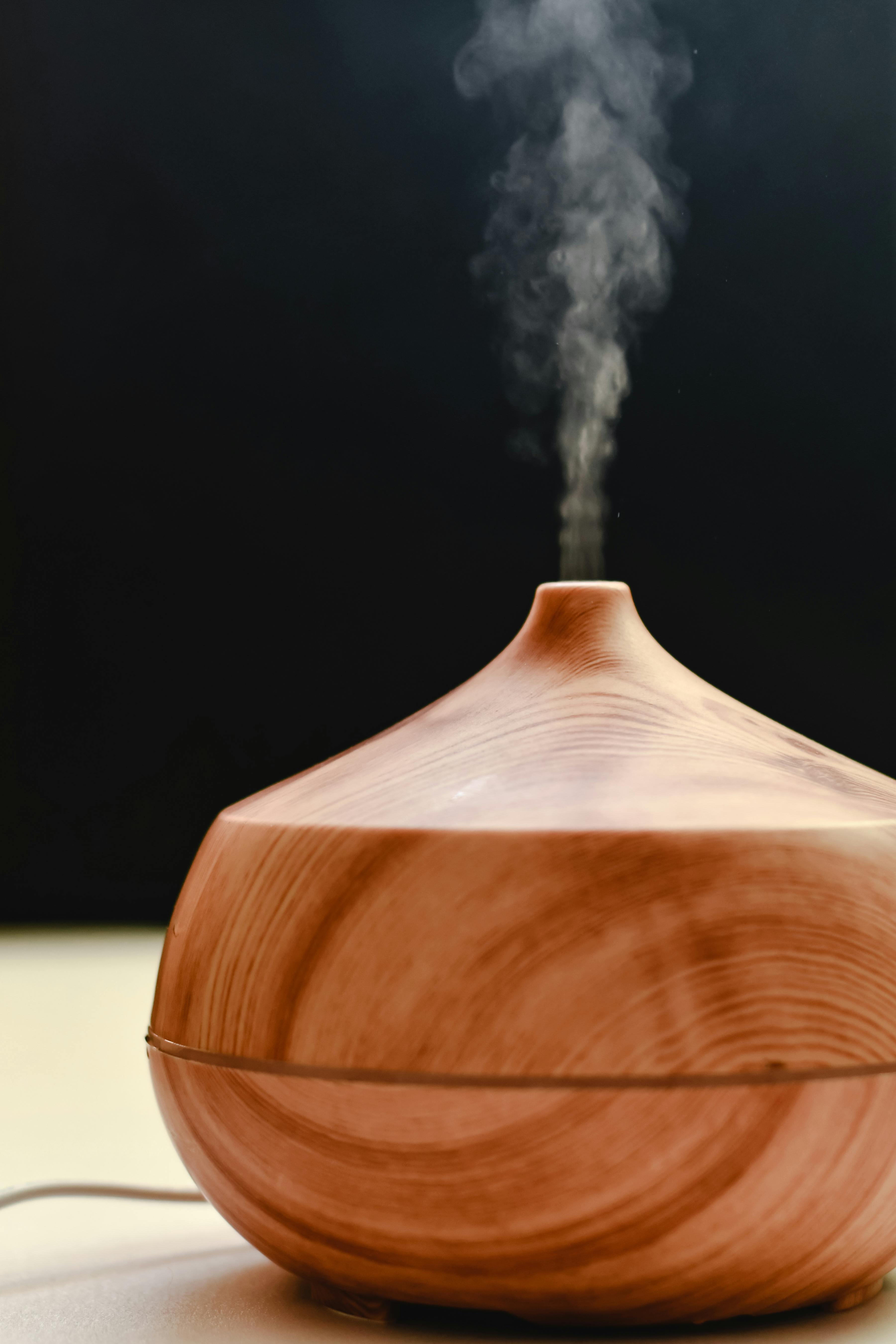
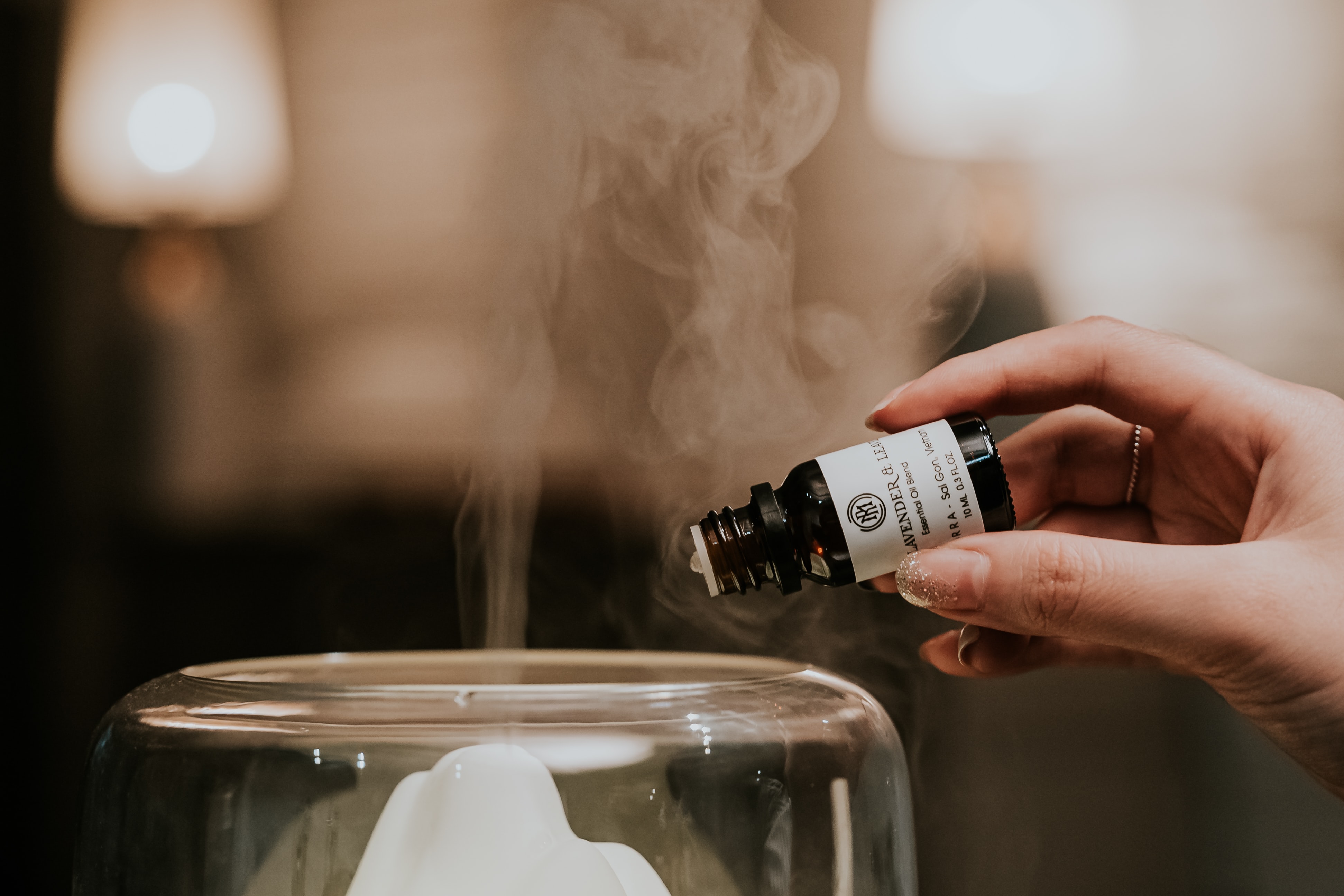 Steaming Essential Oils for Sinus Relief
Because eucalyptus oil is potent and rich in 1,8-cineole, careful and informed use is essential.
Aromatherapy
- Use 3–5 drops in a diffuser, ensuring good ventilation
- Diffuse intermittently rather than continuously to avoid sensory fatigue
Inhalation
- Add 1–2 drops to a bowl of hot (not boiling) water and inhale gently
- Alternatively, place one drop on a tissue for controlled inhalation
This article takes a deeper look at essential oils for symptomatic support during a sinus infections and to promote easier breathing.
Direct nasal application and strong inhalation are not recommended, especially for children.
Topical Application
- Dilute to about 1–2% for adult use with appropriate carrier oil
- Apply to chest, upper back, or muscles; avoid broken skin
Facial use in children under 10 years is not recommended due to rare but serious respiratory risks.
Cleaning and Household Use
- Add a few drops to natural cleaning sprays or floor washes
- Use to scent indoor spaces with a clean, outdoor character
- Mix eucalyptus essential oil with a carrier oil and apply it to the skin to discourage insects.
Safety Notes
- Always dilute before skin use and perform a patch test
- Avoid contact with eyes and mucous membranes
- Do not ingest without professional supervision
- Avoid use in young children and consult a healthcare provider if pregnant, breastfeeding, or managing chronic health conditions
Eucalyptus Foot Soak
A warm foot soak with eucalyptus gives a spa feeling in the comfort of your home and creates a refreshing and relaxing way to end your day.
How to Prepare:
Fill a basin or foot bath with warm water - (not hot).
Add 2–3 drops of eucalyptus oil (or a few crushed Eucalyptus leaves).
Soak your feet for 10 - 15 minutes.
The warm water will help relax, while the fresh eucalyptus aroma creates a cooling sensation.
For Extra Love: Add a spoon of rock salt
Always dilute essential oils properly and avoid use on broken or sensitive skin.
Can Eucalyptus Essential Oil Support Brain and Nervous System Health?
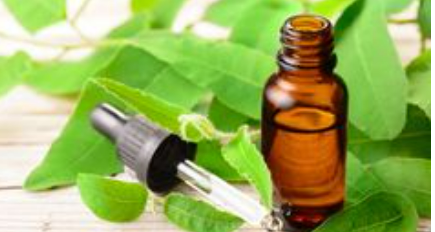
The sharp, cooling aroma of eucalyptus oil is commonly associated with mental clarity and alertness, particularly in aromatherapy settings designed to feel fresh and energising.
Researchers are exploring how eucalyptol may influence sensory stimulation pathways, oxidative stress, and enzymes involved in neurotransmitter regulation. Some laboratory findings have prompted interest in possible supportive roles for attention and memory, but these findings remain preliminary and context-dependent.
Eucalyptus essential oil is best viewed as a sensory support for alertness and environmental freshness. Consultation with a qualified healthcare professional is essential before any therapeutic use, especially for individuals with a history of seizures or neurological disorders.
What does Eucalyptus smell like?
Eucalyptus essential oil has a distinctive, strong, and fresh scent that is often described as cooling, minty, and camphorous. It has a sharp, herbaceous aroma that is similar to menthol or peppermint. The scent can be quite intense and powerful, and it is often used in aromatherapy to promote mental clarity and respiratory health. Some people find the smell of eucalyptus to be invigorating and refreshing, while others may find it overpowering. When used in moderation, eucalyptus essential oil can be a pleasant and energizing scent.
What other essential oils does Eucalyptus Essential Oil blend well with?

Eucalyptus essential oil blends well with a variety of other essential oils, and it's commonly used in aromatherapy blends for its uplifting, refreshing, and invigorating properties. Some of the essential oils that blend well with eucalyptus include:
- Peppermint: Peppermint oil has a cooling and refreshing scent that blends well with eucalyptus. This combination can help to promote a refreshing environment.
- Lemon: Lemon oil has a bright and uplifting scent that can help to enhance the energizing properties of eucalyptus. This combination is often used in aromatherapy to support mood and energy levels.
- Rosemary: Rosemary oil has a woody and herbal scent that blends well with eucalyptus. This combination can help to support mental clarity and focus.
- Lavender: Lavender oil has a calming and relaxing scent that can balance out the invigorating properties of eucalyptus. This combination can help to promote relaxation and a feeling of calm.
- Tea Tree: Tea tree oil has a fresh and medicinal scent that can complement the camphorous aroma of eucalyptus. This combination can help to support respiratory health and a clean environment.
When blending essential oils, it's important to use high-quality, pure oils and to dilute them properly before use.
Why Is Eucalyptus Known as a “Breathing Oil”?

Eucalyptus earned this reputation through centuries of use in steam inhalations, chest balms, and air-cleansing practices. Its strong aroma creates a sensory impression of openness and clarity, which has become symbolically linked to breath and space across cultures. While research on cineole provides additional insight, eucalyptus is best understood as an aromatic ally. Consultation with a qualified healthcare professional is essential in the case of illness.
Eucalyptus essential oil remains one of the most recognisable and widely used essential oils in the world. Its enduring value lies in its consistent sensory impact, practical versatility, and deep cultural history rooted in cineole-rich leaves and aromatic forestry traditions.
While modern research continues to explore its chemical complexity, eucalyptus oil is most effective when used thoughtfully, safely, and with realistic expectations. Integrated alongside good hygiene, appropriate medical care, and balanced lifestyle practices, it continues to offer a clear, bracing reminder of fresh air and breathing space in everyday life.
You might like these
Essential Oils for Sinus Infection
Blocked Nose Relief! Essential Oils for Sinus Infection. A great way for treating and preventing sinus infections as well as boosting your immune system.
Citrus Superhero: Lemon Essential Oil
Potent Lemon Essential Oil : Improve mood, reduce anxiety and a brilliant cleaner. One of the most potent essential oils to have in your kitchen.
Discover Neroli Essential Oil
The sweet, floral, and delicate aroma of Neroli Essential Oil has a positive effect on emotions, promoting relaxation and reducing anxiety and stress.


If you want tips on natural wellness, you can get them straight to your inbox.

Enter your email below and I’ll share new articles, reflections, and practical insights as they’re published.
Side Thoughts
Thanks for visiting here. If you'd like to stay in touch with our regular updates, then we'd love you to subscribe to our Detox-For-Life Newsletter.
We are a participant in the Amazon Services LLC Associates Program, an affiliate advertising program designed to provide a means for us to earn fees by linking to Amazon.com and affiliated sites.
NEWSLETTER
New pages, fresh perspectives, and practical detox-for-life insights are shared first with newsletter readers.
Recent Articles


-
Fennel Essential Oil: Aromatic and Soothing Oil with Health Benefits
Apr 14, 26 03:36 PM
 Fennel Essential Oil - Learn how this sweet, licorice-like oil supports digestion and everyday wellness.
 -
Beyond Curry: Turmeric Essential Oil - Benefits, Uses & Safety Guide
Mar 16, 26 07:19 AM
Explore Turmeric Essential Oil - Spice up your life with this golden oil. From adding a zesty kick to your morning smoothie to giving your skin a radiant glow -
Liver Cleanse Guide: Support Your Liver the Natural Way
Mar 03, 26 01:37 AM
 Discover how a gentle liver cleanse supports detox, digestion, metabolism, clear skin and steady energy using food, herbs and simple daily habits.