- Home
- What Are Essential Oils?
- Helichrysum Essential Oil
Discover Helichrysum Essential Oil
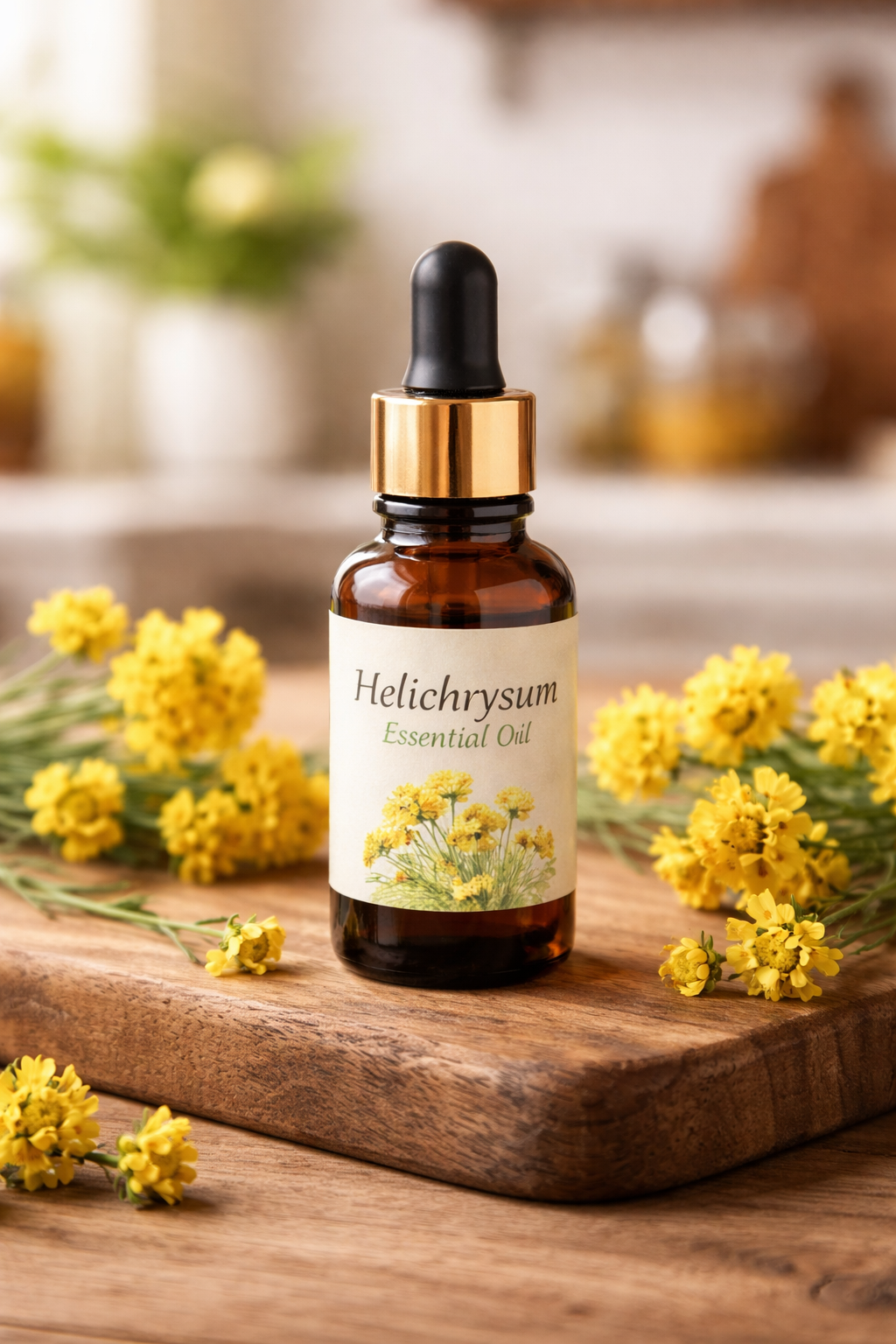
A Comprehensive Guide to Origins, Benefits, and Uses
Introduction
Helichrysum essential oil occupies a distinctive place in traditional herbal medicine, skincare rituals, and aromatic practice. Derived from the small, golden flowers of the Helichrysum plant—often referred to as Immortelle or Everlasting—this oil has long been associated with resilience, recovery, and preservation.
Native primarily to the Mediterranean region, helichrysum was historically used in poultices, infusions, and aromatic preparations intended to support the body after physical strain, injury, or prolonged exposure to the elements. Long before modern chemistry identified its individual compounds, healers observed that the plant appeared to “hold its form” even after harvesting, retaining colour and fragrance for extended periods. This unusual quality reinforced its symbolic link with continuity and endurance.
Today, helichrysum essential oil remains relevant because it aligns with a growing interest in supportive wellness practices—particularly those centred on skin health, recovery, and inflammation awareness. Its enduring reputation bridges traditional use and modern curiosity, making it one of the more respected oils in contemporary aromatherapy and natural skincare.
What Is Helichrysum Essential Oil?
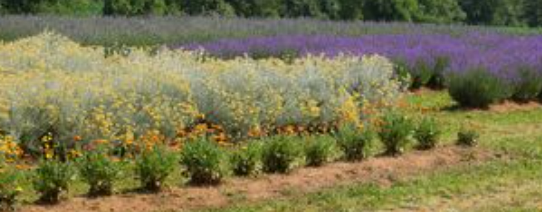
Helichrysum essential oil is distilled from flowering plants in the Helichrysum genus, most commonly Helichrysum italicum. This dwarf perennial shrub belongs to the daisy family (Asteraceae) and is recognisable by its small, yellow, button-like blossoms and silvery-green, aromatic foliage.
While H. italicum is the primary species used in aromatherapy and cosmetic formulations, other Helichrysum species—such as H. arenarium—are used regionally and exhibit different chemical profiles and traditional applications.
Botanical & Geographic Background
- Botanical name: Helichrysum italicum (Roth) G. Don
- Common names: Immortelle, Everlasting, Curry Plant
- Native regions: The Mediterranean basin, particularly Corsica, Sardinia, the Adriatic coast (Croatia, Bosnia and Herzegovina), parts of Italy, France, and the Iberian Peninsula
Immortelle thrives in dry, rocky, sun-exposed soils, often on coastal slopes and garrigue landscapes. These demanding conditions—intense light, wind, and poor soil—encourage the plant to produce dense aromatic compounds. Distinct regional chemotypes have been documented, with some populations richer in esters such as neryl acetate and others dominated by sesquiterpenes like γ-curcumene and ar-curcumene.
Traditional Uses of Helichrysum Oil
Across Mediterranean cultures, helichrysum was traditionally applied:
- As a poultice for bruises, superficial wounds, and muscle strain
- In herbal infusions or macerations for general recovery and digestive comfort
- As a fragrant addition to protective balms, salves, and ceremonial preparations
Its symbolic association with endurance and preservation stems from both its physical properties and cultural use. The flowers retain their shape and colour long after being cut, and dried blooms were often incorporated into wreaths, offerings, and memorial arrangements intended to represent continuity and remembrance—hence the enduring name “everlasting.”
How Is Helichrysum Essential Oil Extracted?
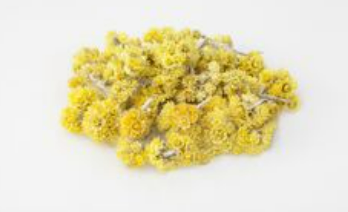
The extraction of helichrysum essential oil is a multi-step process that involves steam distillation of the flowers and leaves of the helichrysum plant. Here are the steps involved in the extraction process:
- Harvesting: The helichrysum flowers and leaves are typically harvested by hand when they are at their peak maturity. The plant is then allowed to dry in the sun for several days.
- Grinding: The dried plant material is then ground into a powder, which helps to release the essential oil during the distillation process.
- Steam distillation: The ground plant material is then placed in a distillation chamber, and steam is passed through the plant material. The steam carries the essential oil molecules out of the plant material and into a condenser.
- Separation: The essential oil is then separated from the condensed water, as the two substances are not miscible. The essential oil is lighter and floats on top of the water.
- Filtration: The essential oil is then filtered to remove any impurities or plant matter that may have made its way into the oil during the distillation process.
- Bottling: The filtered essential oil is then bottled and stored in a cool, dry place until it is ready to be used.
Overall, the extraction process for helichrysum essential oil is quite involved and requires a significant amount of plant material to produce a small amount of oil. However, the resulting oil is highly concentrated and potent, making it a valuable ingredient in many natural health and beauty products.
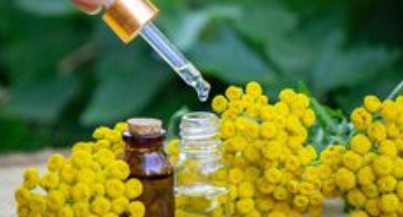
Chemical Compounds In Helichrysum Essential Oil
Helichrysum essential oil is chemically complex, with its profile shaped by region, subspecies, soil conditions, harvest timing, and distillation technique. Across different samples, more than 70–80 constituents have been identified, typically grouped into a few dominant families.
Key compounds commonly include:
- Neryl acetate – an ester often present at notable levels in certain chemotypes, associated with soothing and skin-focused properties
- Alpha-pinene – a monoterpene contributing fresh, resinous notes and studied for antimicrobial, antioxidant, and anti-inflammatory activity in experimental models
- Gamma-curcumene and ar-curcumene – sesquiterpenes frequently dominant in Balkan chemotypes, linked to antimicrobial and inflammatory-response research
- Italidiones (β-diketones) – distinctive ketones considered characteristic of H. italicum, valued particularly in perfumery and cosmetic contexts
Other constituents may include limonene, trans-caryophyllene, β-selinene, italicene, neo-intermedeol, and neryl propionate.
Rather than acting through a single dominant compound, helichrysum’s effects are generally understood as arising from synergistic interactions among its constituents, with neryl acetate, α-pinene, γ-curcumene, and italidiones often highlighted as central contributors.
What Are The Health Benefits of Helichrysum Essential Oil?
Traditionally Recognised Benefits
Historically, helichrysum preparations were used to support:
- Recovery from bruising or visible skin discolouration after impact
- Muscle and joint comfort following exertion or strain
- Skin recovery after minor cuts, abrasions, or sun exposure
These uses were based on empirical observation and local tradition, often involving whole-plant preparations, infused oils, or compresses rather than isolated essential oil.What Modern Research Is Exploring
Modern research has begun to examine helichrysum oil and extracts more systematically, though much of the available evidence remains limited to laboratory or animal models. Areas of interest include:
- Antimicrobial and antibiofilm activity, with in-vitro studies showing activity against certain bacteria and fungi, sometimes enhanced when combined with conventional agents
- Wound-healing processes, where animal models using topical formulations have demonstrated improved wound contraction, collagen deposition, and histological markers of tissue repair
- Skin barrier support and antioxidant effects, with experimental work suggesting modulation of pathways involved in epidermal differentiation and oxidative stress
These findings are preliminary. Human outcomes may vary, and essential oils should not substitutes for professional medical care for serious health concerns.
Can Helichrysum Support Skin, Brain, and Nervous System Health?
Helichrysum essential oil is often discussed in relation to skin resilience and recovery, particularly in cosmetic and post-procedure contexts. A small observational study using a 10% helichrysum preparation in rosehip oil reported reduced post-operative bruising and local inflammation, though larger controlled trials are still needed.
Researchers are also exploring:
- Oxidative stress pathways relevant to skin ageing and environmental exposure
- The influence of aromatic compounds on emotional regulation through olfactory pathways
- The role of gentle scents and massage rituals in supporting parasympathetic “rest and digest” responses
These areas remain exploratory, and individuals should consult qualified healthcare professionals before therapeutic use, especially for chronic or neurological conditions.
How to Use Helichrysum Essential Oil Safely
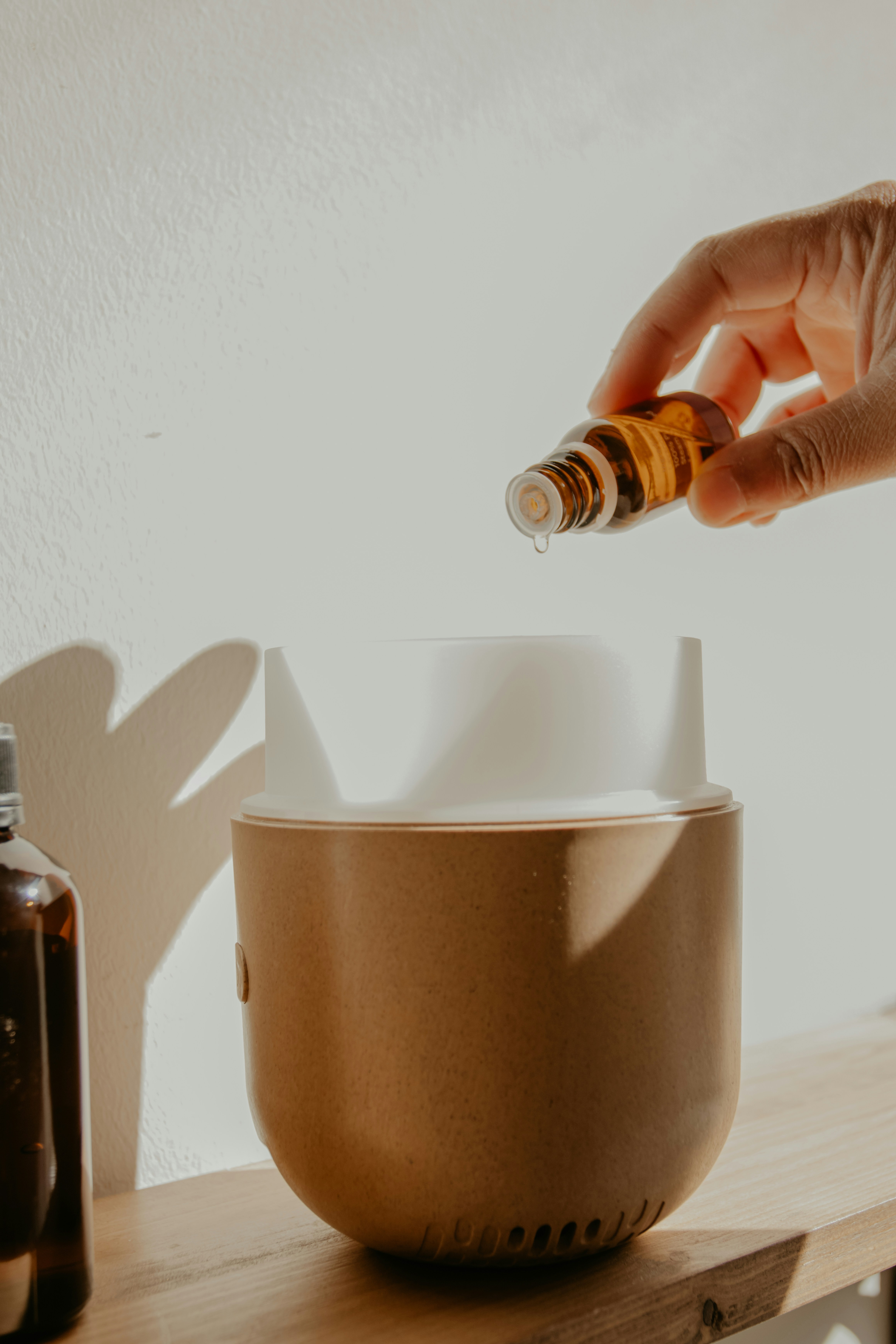
Aromatherapy:
Diffuse 2–4 drops according to room size and diffuser guidelines. Intermittent diffusion is generally preferred, particularly in enclosed spaces or around children and pets.
Topical Application:
Always dilute in a carrier oil before skin use. General aromatherapy practice often uses 1–2% dilution, with more conservative levels recommended for sensitive areas. Patch testing is advised.
Bath & Massage:
Blend with a carrier oil or dispersible base before adding to bath water. In massage, helichrysum is typically used at low dilution within gentle recovery-focused blends.
Internal Use: - not recommended without direct professional supervision.
Safety Notes:
Avoid undiluted application. Use caution during pregnancy, breastfeeding, or medical treatment. Store in a cool, dark place to reduce oxidation and preserve aroma.
What does Helichrysum smell like?

The smell of helichrysum essential oil is often described as sweet, herbaceous, and slightly floral, with subtle notes of honey and tea - reflecting variations in ester and sesquiterpene content. It has a warm and comforting aroma, and its unique fragrance is often likened to that of curry or spices. Some people also describe it as having a slightly medicinal scent. Overall, the aroma of helichrysum oil is pleasant and soothing, making it a popular choice for aromatherapy and natural health remedies.
What essential oils blend well with Helichrysum Essential Oil?
Helichrysum essential oil has a unique and complex aroma that blends well with many other essential oils. Here are some essential oils that blend well with helichrysum:
- Lavender essential oil: Lavender is a popular essential oil that is known for its calming and soothing properties. When combined with helichrysum, it can help to promote relaxation and reduce stress.
- Frankincense essential oil: Frankincense is a powerful essential oil that has been used for centuries for its healing and spiritual properties. When combined with helichrysum, it can help to promote skin regeneration and reduce the appearance of scars.
- Rosemary essential oil: Rosemary is a stimulating essential oil that can help to improve mental clarity and boost energy levels. When combined with helichrysum, it can help to improve circulation and reduce inflammation.
- Peppermint essential oil: Peppermint is a refreshing essential oil that can help to reduce headaches and improve respiratory function. When combined with helichrysum, it can help to promote relaxation and reduce muscle tension.
- Lemon essential oil: Lemon is a bright and uplifting essential oil that can help to improve mood and boost energy levels. When combined with helichrysum, it can help to promote detoxification and improve skin health.
Used sparingly, it often acts as an anchoring middle note, supporting lighter top notes without overwhelming a blend. As with any essential oil blend, it's important to test a small amount of the blend on your skin to ensure that you don't have an adverse reaction.
Why is Helichrysum Essential Oil referred to as
"liquid stitches"?
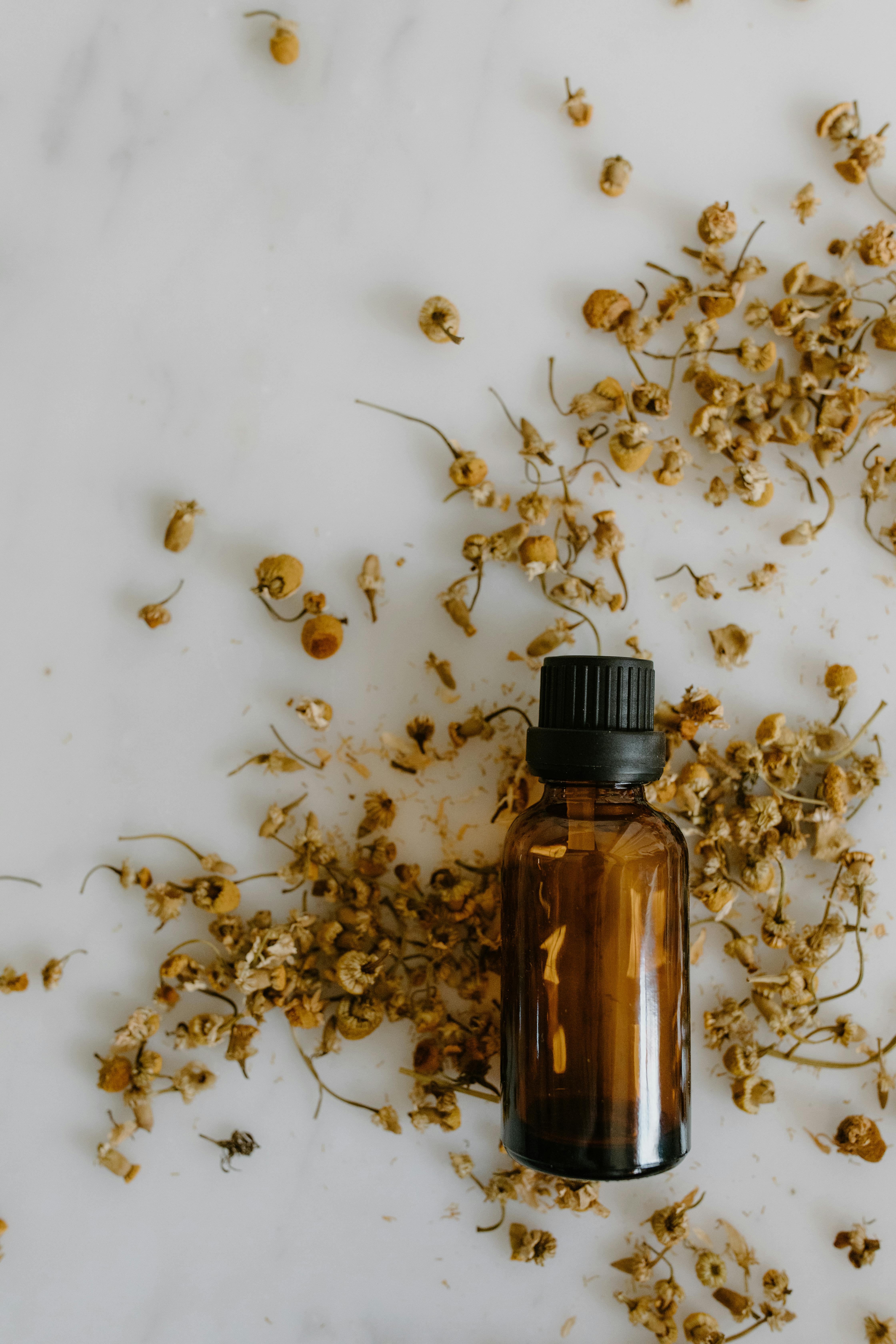
Helichrysum essential oil is popularly known in aromatherapy circles as "liquid stitches" because of its traditional association with supporting skin health, thanks to its reported anti-inflammatory and tissue-supporting qualities. This nickname draws from historical practices where crushed helichrysum flowers, infused oils, or poultices were applied to minor bruises and superficial skin issues to aid the body's natural healing processes and help minimize the appearance of marks.
The essential oil distilled from the helichrysum plant (often Helichrysum italicum) shares these traditional attributes, which is why many people include it in their natural first-aid or skincare collections. It's commonly valued for its potential to soothe inflammation and promote skin renewal, making it a popular choice for caring for minor wounds, bruises, and other everyday skin concerns. Many also turn to it in natural skincare routines to help improve the look of existing scars and encourage overall skin regeneration.
In closing
Helichrysum essential oil illustrates how certain plant remedies endure through consistency and cultural memory. Bridging ancient observation with modern investigation, it remains valued for its steady, supportive role in skincare, recovery, and emotional grounding.
Used thoughtfully and responsibly, helichrysum reflects a broader philosophy of wellness—one rooted in patience, respect for tradition, and a balanced dialogue between lived experience and emerging evidence.
If you want tips on natural wellness, you can get them straight to your inbox.

Enter your email below and I’ll share new articles, reflections, and practical insights as they’re published.
Side Thoughts
Thanks for visiting here. If you'd like to stay in touch with our regular updates, then we'd love you to subscribe to our Detox-For-Life Newsletter.
We are a participant in the Amazon Services LLC Associates Program, an affiliate advertising program designed to provide a means for us to earn fees by linking to Amazon.com and affiliated sites.
NEWSLETTER
New pages, fresh perspectives, and practical detox-for-life insights are shared first with newsletter readers.
Recent Articles


-
Fennel Essential Oil: Aromatic and Soothing Oil with Health Benefits
Apr 14, 26 03:36 PM
 Fennel Essential Oil - Learn how this sweet, licorice-like oil supports digestion and everyday wellness.
 -
Beyond Curry: Turmeric Essential Oil - Benefits, Uses & Safety Guide
Mar 16, 26 07:19 AM
Explore Turmeric Essential Oil - Spice up your life with this golden oil. From adding a zesty kick to your morning smoothie to giving your skin a radiant glow -
Liver Cleanse Guide: Support Your Liver the Natural Way
Mar 03, 26 01:37 AM
 Discover how a gentle liver cleanse supports detox, digestion, metabolism, clear skin and steady energy using food, herbs and simple daily habits.