- Home
- Health Articles
- Immune Health

Immune System Health
Supporting Your Body’s Natural Defences
Immune system health is not about pursuing the latest miracle supplement or declaring war on every germ that crosses your path. It is about establishing the right everyday conditions so your body can do what it does best: detect challenges, respond appropriately, adapt, and recover with efficiency.
In a world where colds, flu, and the next seasonal bug seem to lurk around every corner, it is completely understandable to want practical, natural ways to strengthen defences. Yet one common misconception is that immunity operates like a simple on/off switch you activate only when feeling unwell. In reality, it is a highly intelligent, constantly adjusting network shaped by sleep patterns, nutrition choices, stress responses, digestive health, movement habits, and emotional balance.
Even someone with a naturally robust immune system can find it strained when the body faces ongoing pressures—persistent poor sleep, unrelenting stress, diets heavy in refined foods, chronic dehydration, or low-level inflammation that builds quietly over months. These factors do not cause immediate collapse; instead, they gradually reduce resilience, so minor challenges take longer to resolve.
The reassuring truth is that supporting immune health does not require heroic overhauls. Consistent, gentle adjustments—incorporated into daily life—tend to deliver far greater benefits than sporadic extreme efforts triggered by the first sniffle. This comprehensive guide explores grounded, evidence-informed strategies to nurture immune resilience, emphasizing sustainable balance, mindful awareness, and long-term wellbeing over fear-driven quick fixes.
Immune system health encompasses a vast array of topics, from specific nutrients and botanicals to lifestyle rhythms and seasonal adaptations. No single page can address everything in depth, but the sections below cover core foundations while linking to deeper explorations of supplements, herbs, probiotics, essential oils, and related products that may align with your needs.
Foundations of Immune System Health

A truly resilient immune system develops through steady, day-by-day habits that promote harmony rather than panic dosing.
Picture your immune system not as a lone warrior charging into battle, but as a sophisticated operations centre. When well resourced and rested, it coordinates responses with precision and calm. When chronically underfed, overstressed, or sleep-deprived, minor inefficiencies multiply, and the entire system can feel a little overwhelmed behind the scenes.
The following pillars form the bedrock of lasting immune support.
Nutrition That Supports Immune System Health
Your immune system health relies on the quality of building blocks you supply. Nutrients serve as instructions, guiding cell function, communication, and repair.
A diverse, whole-food approach outperforms reliance on occasional “superfoods” or isolated nutrients. Fresh vegetables, fruits, nuts and seeds, herbs, spices, and quality proteins deliver an array of protective compounds—antioxidants, polyphenols, vitamins, and minerals—that interact synergistically in ways no supplement can fully duplicate.
- Antioxidant-rich options (berries, leafy greens, cruciferous vegetables) help manage oxidative stress.
- Foods like garlic, ginger, turmeric, and certain mushrooms provide compounds traditionally linked to immune system health.
- Quality proteins supply amino acids essential for antibody production and tissue repair.
Perfection is unnecessary. Focus on variety and consistency rather than rigid rules.
The Stress–Immunity Connection

Stress is far more than a mental state—it produces measurable physiological changes that directly influence immune system health.
Prolonged stress shifts resources toward immediate survival, often at the expense of repair and regulation. Immune responses may slow, become less targeted, or tip into overactivity. This explains the familiar pattern: people frequently fall ill right after a high-pressure period ends, when adrenaline fades and the body registers accumulated fatigue.
Repeatable practices create meaningful breathing room:
- Spending time outdoors in natural light.
- Incorporating gentle movement or stretching.
- Allowing moments of genuine laughter (a surprisingly potent stress-reducer).
- Practising the art of saying “no” when needed, without guilt.
Your immune system does not demand constant serenity. It simply benefits from regular intervals free of high alert.
Sleep: The Immune System’s Night Shift

During deep, restorative sleep, the immune system carries out critical housekeeping: repairing tissues, balancing inflammatory signals, producing cytokines, and consolidating immune memory. Consistently short-changing sleep does more than cause grogginess; it measurably diminishes the body’s capacity to mount effective responses to challenges.
Supporting better sleep requires no elaborate routine:
- Establishing a consistent bedtime and wake time.
- Diminishing blue light and stimulating activities in the evening.
- Creating a wind-down ritual to signal safety to the nervous system.
The immune system is remarkably forgiving. Provide adequate opportunity most nights, and it resumes its work efficiently.
Movement, Sunlight & Time Outdoors

Moderate, enjoyable movement enhances circulation of immune cells, lowers excess stress hormones, and stimulates endorphin release—natural compounds that improve mood, ease tension, and indirectly bolster immune regulation.
Intense, prolonged exercise without sufficient recovery can temporarily dampen function, so moderation remains key. Everyday activities often suffice:
- Brisk walking.
- Stretching or yoga.
- Gardening or light household tasks.
- Swimming or cycling at a comfortable pace.
Time spent outdoors adds another layer: fresh air, natural light, and vitamin D synthesis from sunlight exposure, which contributes to seasonal immune resilience (detailed further below). In essence, your immune system appreciates daylight, gentle activity, and a touch of pleasure far more than prolonged indoor confinement under artificial lights.
Hydration and Gentle Detox Support

Water underpins nearly every immune process—transporting nutrients, facilitating lymphatic drainage, aiding waste elimination, and maintaining cellular communication.
Mild dehydration adds unnecessary stress and slows natural cleansing mechanisms. Aim for steady intake throughout the day; herbal teas offer a pleasant way to hydrate while delivering mild plant compounds the body utilises readily.
This is not about extreme “detox” protocols. The body manages detoxification effectively when given basic support—consistent hydration simply allows it to proceed smoothly.

Gut Health and Immunity
The gut functions as a major command centre for immunity. Approximately 70% of immune cells reside in gut-associated lymphoid tissue, meaning digestive balance profoundly influences systemic resilience.
A diverse, thriving microbiome helps train the immune system to differentiate harmless elements (food, commensal bacteria) from genuine threats. Imbalance can lead to digestive issues.
Practical ways to nurture gut health include:
- Probiotics — friendly bacteria from fermented foods (yogurt, kefir, kimchi, sauerkraut) or targeted supplements.
- Prebiotics — fibres that nourish beneficial bacteria (onions, garlic, leeks, asparagus, bananas, whole grains).
- Plant diversity — a rainbow of vegetables, fruits, seeds, and legumes to feed varied microbial populations.
- Mindful eating — chewing thoroughly, eating slowly, and reducing mealtime stress to optimise digestion.
A well-supported gut also produces mood-regulating neurotransmitters like serotonin, illustrating the deep interconnection between digestion, immunity, and emotional wellbeing. The aim is steady variety and gentle habits, not perfection or restrictive regimes.
When You Feel Something Coming On

Even the most resilient system encounters occasional early warnings—a scratchy throat, subtle fatigue, or the start of congestion. These signals invite thoughtful support rather than alarm.
Rest and Recovery
Prioritise rest immediately. Short naps, reduced pace, or a low-key day devoted to gentle movement can accelerate recovery.
Hydration and Comfort
Increase fluids—plain water, herbal teas, warm broths—to aid nutrient delivery and waste clearance. A comforting hot drink nearby adds psychological ease, which matters more than we sometimes acknowledge.
Mind Your Hygiene
Washing hands thoroughly remains a reliable, simple step to reduce burden on the immune system. This is old-school advice for a reason: it works.
Brush your teeth and floss regularly. Good dental health is essential for a strong immune system. A natural-based toothpaste with fewer unnecessary ingredients is a small, everyday choice that can help minimise overall chemical exposure.
Gentle Nutritional Support
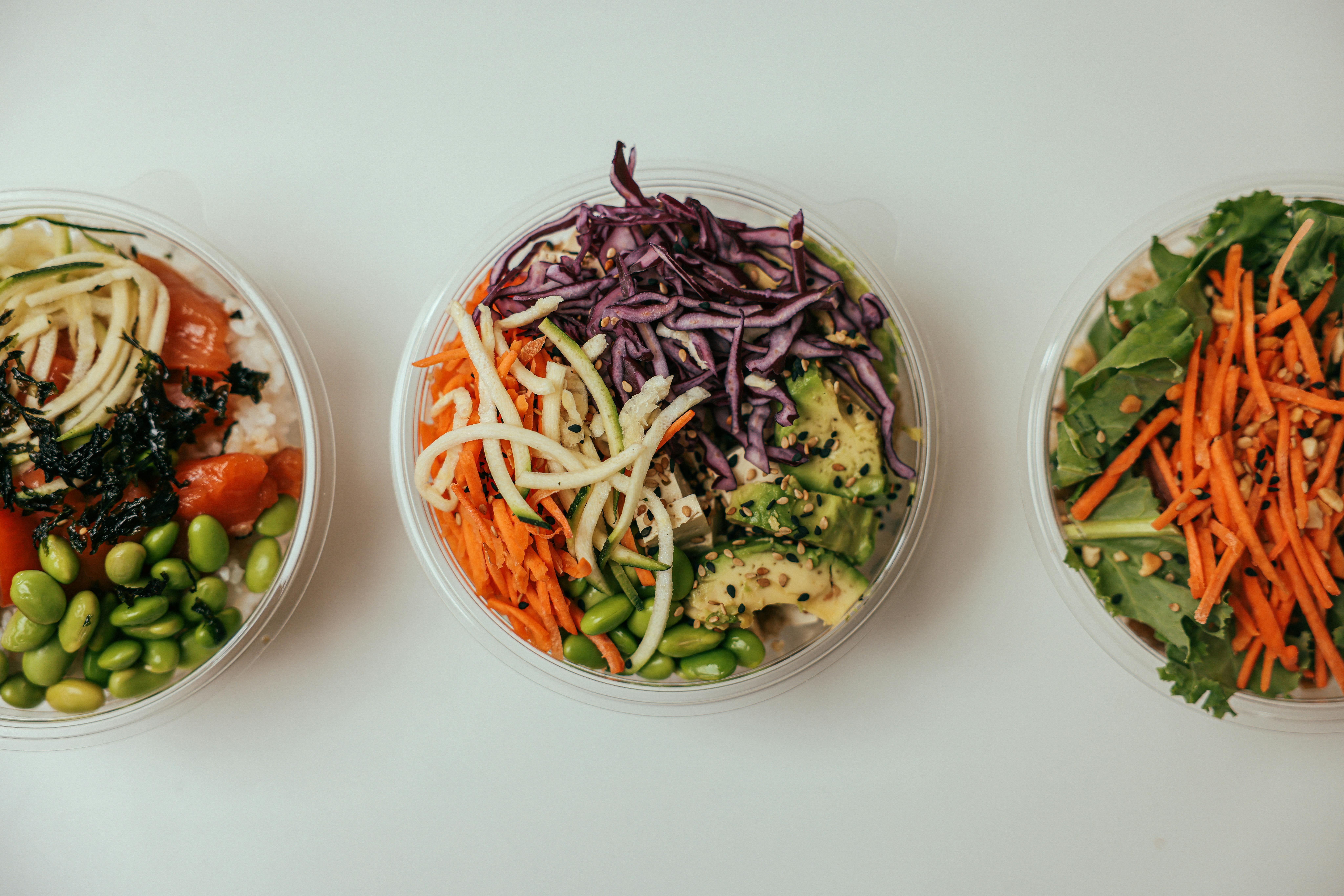
A balanced diet continues to matter most, even when you feel under the weather. Small, frequent meals with vegetables, fruits, and easily digestible proteins help your body maintain energy without overtaxing digestion. Certain foods like garlic, ginger, and citrus can feel supportive.
If you use supplements like vitamin D, probiotics, or other nutrients your body needs, continue with what you normally take. Overloading is unnecessary; consistency is more effective than emergency dosing.
Reducing or cutting back on added sugars can play a helpful supporting role in immune system health. High intake of refined sugars and sugary foods has been linked in various studies to increased inflammation, disruptions in the gut microbiome, and potential temporary impairment of certain immune cell functions—like white blood cells' ability to respond effectively to challenges.
Calm, Mood, and Mindset
Stress, even mild, can slow recovery. Gentle walks, light stretching, a comforting tea, or simply laughing at a funny video can reduce stress hormones and help your immune system stay focused. Your endorphins — those natural feel-good chemicals — will thank you too.
When to Seek Help
Most mild colds or seasonal sniffles are managed with these supportive steps. But if symptoms worsen, persist unusually long, or you experience anything concerning, it’s important to consult a healthcare professional promptly.
When seasonal illness is circulating, you can explore our practical guide to flu protection and supportive remedies.
Natural Immune Support
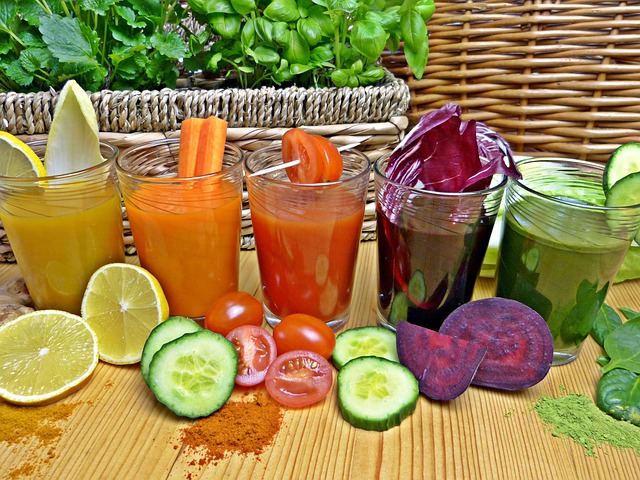
Once the foundations are in place, natural immune support becomes less about “boosting” and more about supporting what the body already knows how to do. Your immune system is incredibly responsive. It reacts to sleep, stress, nourishment, environment, and rhythm. Give it consistent support, and it generally returns the favour.
This is where plants, food wisdom, and simple daily practices, shine.
Whole foods rich in vitamins, minerals, antioxidants, and phytonutrients provide the raw materials your immune system uses to function. Fresh vegetables, fruits, herbs, spices, quality fats, and adequate protein all play a role. No single food works in isolation, but together they create an internal environment that favours balance,
Herbs and botanicals have been used for centuries across cultures to support immune resilience. Some are traditionally associated with seasonal support, others with recovery, inflammation reduction, or general vitality. They help to gently nudge the body back toward equilibrium.
Essential oils, when used appropriately and safely, can also be part of this supportive picture. Many people already reach for them instinctively — for breathing easier, creating a calming atmosphere, supporting focus, or simply making their space feel cleaner and lighter. These small sensory cues matter more than we often realise. The nervous system listens to scent very closely, and a calmer nervous system tends to support immune balance by default.
Natural immune support works best when it is consistent and moderate. Constantly throwing new supplements, herbs, and remedies at the body can become just another form of stress. Your immune system prefers rhythm.
When combined with sleep, movement, gut health, sunlight, and emotional regulation, these natural supports become part of a wider ecosystem of resilience. A body being given what it needs to do its job.
Vitamin D and Immune Resilience
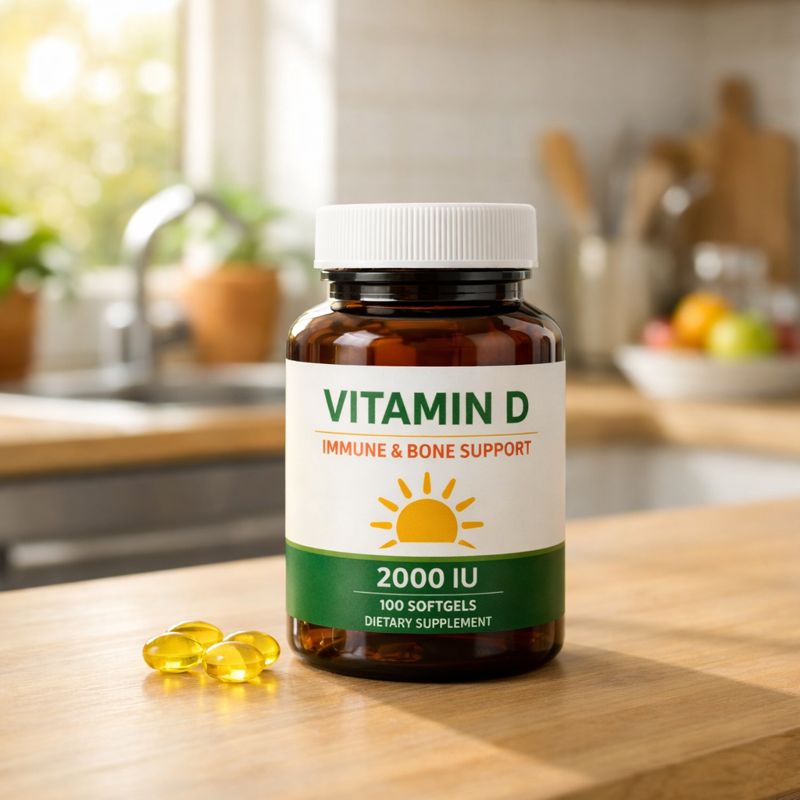
Vitamin D—frequently dubbed the sunshine vitamin—plays a meaningful supporting role in immune regulation. Receptors for vitamin D exist on many immune cells, helping modulate inflammatory responses and aiding the body’s handling of common respiratory challenges.
Levels often decline in winter due to limited sun exposure, a period when many experience more frequent colds or flus. Large-scale reviews of studies indicate that maintaining sufficient vitamin D—through regular sunlight, dietary sources (fatty fish, fortified foods), or supplements—correlates with reduced incidence of acute respiratory infections in certain populations, particularly those with initially low levels. Moderate daily or weekly supplementation tends to show steadier associations than infrequent high doses.
Vitamin D is not a guaranteed protective barrier—no nutrient can promise complete prevention—but it forms one sensible element in seasonal resilience. It is generally safe within recommended guidelines; consult your healthcare provider for personalised advice.
Sunlight, Lifestyle and Seasonal Considerations

Your immune system notices the seasons. Light exposure, temperature, activity levels, sleep patterns, and food choices all shift throughout the year, and immunity responds accordingly.
In colder or darker months, people tend to move less, sleep differently, and spend more time indoors. The immune system simply needs a bit more support during these transitions.
Seasonal immune support involves small adjustments:
- Prioritising sleep when daylight hours shorten
- Spending time outdoors whenever possible
- Supporting gut health and nutrient intake
- Being slightly kinder to your nervous system when the world feels heavier
Humans have adapted to season changes successfully for thousands of years, long before “immune shots” appeared in supermarket aisles.
Final Thoughts: Building Immune Health Over Time
Immune health is not something you “fix” in a weekend or rescue during flu season. Sleep. Movement. Light. Food. Gut health. Emotional regulation. Gentle natural support. These are not trends — they are foundations.
If you want tips on natural wellness, you can get them straight to your inbox.

Enter your email below and I’ll share new articles, reflections, and practical insights as they’re published.
Side Thoughts
Thanks for visiting here. If you'd like to stay in touch with our regular updates, then we'd love you to subscribe to our Detox-For-Life Newsletter.
We are a participant in the Amazon Services LLC Associates Program, an affiliate advertising program designed to provide a means for us to earn fees by linking to Amazon.com and affiliated sites.
NEWSLETTER
New pages, fresh perspectives, and practical detox-for-life insights are shared first with newsletter readers.
Recent Articles


-
Fennel Essential Oil: Aromatic and Soothing Oil with Health Benefits
Apr 14, 26 03:36 PM
 Fennel Essential Oil - Learn how this sweet, licorice-like oil supports digestion and everyday wellness.
 -
Beyond Curry: Turmeric Essential Oil - Benefits, Uses & Safety Guide
Mar 16, 26 07:19 AM
Explore Turmeric Essential Oil - Spice up your life with this golden oil. From adding a zesty kick to your morning smoothie to giving your skin a radiant glow -
Liver Cleanse Guide: Support Your Liver the Natural Way
Mar 03, 26 01:37 AM
 Discover how a gentle liver cleanse supports detox, digestion, metabolism, clear skin and steady energy using food, herbs and simple daily habits.