- Home
- What Are Essential Oils?
- Roman Chamomile Essential Oil
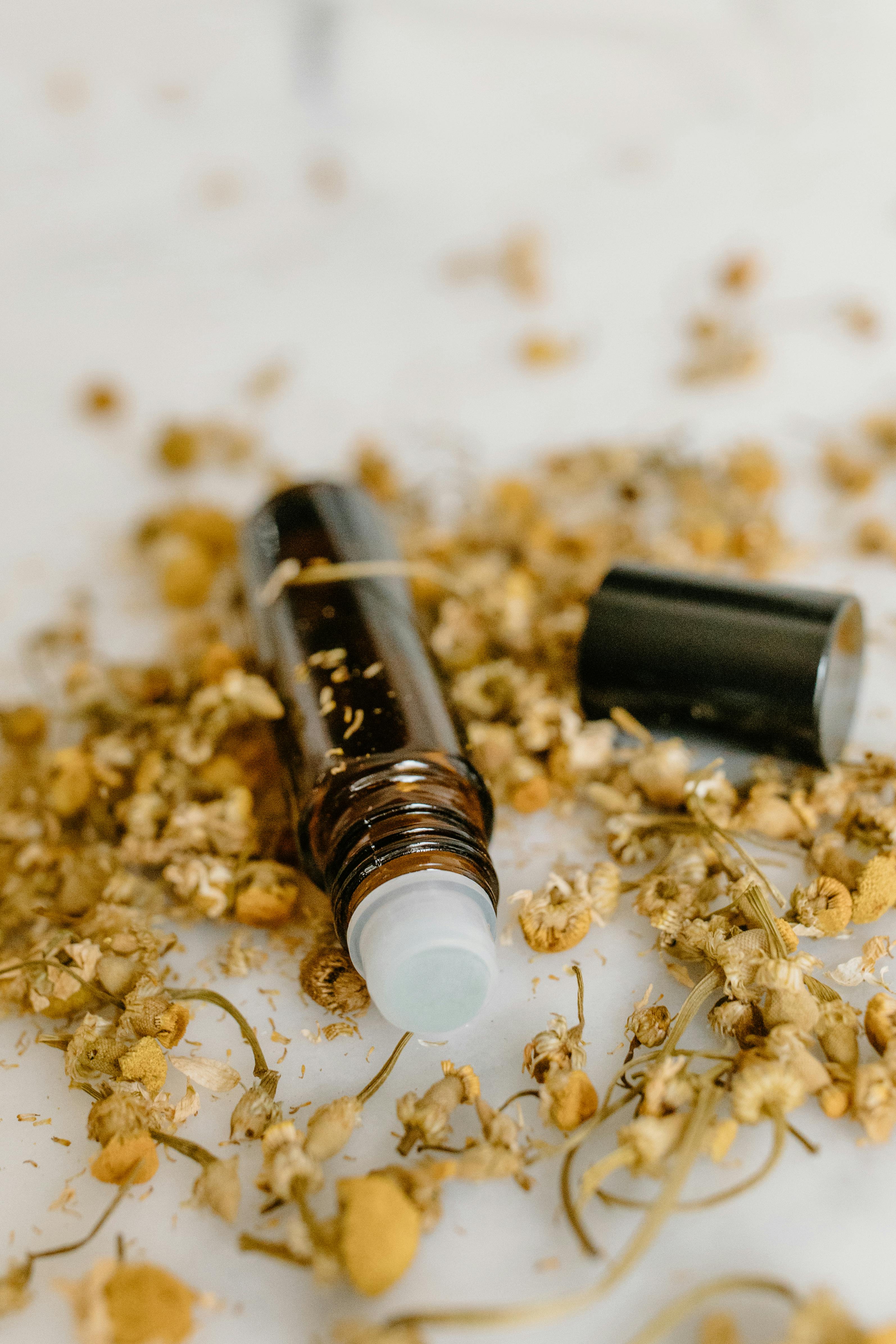
Roman Chamomile Essential Oil
A Comprehensive Guide to Origins, Benefits, and Uses
Roman chamomile essential oil occupies a distinctive space between traditional herbal practice and modern aromatherapy. It has never been prized for dramatic or forceful effects, but rather for a steady, understated character that aligns with calm, comfort, and gentle care. Across its history, chemistry, and sensory profile, one theme remains consistent: support that is subtle, persistent, and restorative rather than immediate or intense.
Introduction (Context + Curiosity)
For centuries, Roman chamomile essential oil has maintained a quiet yet respected presence within herbal medicine, traditional healing systems, and aromatic practice. Distilled from a small flowering plant long associated with rest and restoration, it has been valued not for potency, but for its soft and dependable influence.
In a wellness culture increasingly oriented toward speed, intensity, and immediate outcomes, Roman chamomile stands apart. Its reputation has endured through sustained cultural use, particularly in contexts involving relaxation, emotional balance, and skin comfort. Rather than offering sharp stimulation or quick relief, it has traditionally been approached as an oil that works gradually and gently.
Today, renewed interest in plant-based wellness has brought Roman chamomile essential oil back into focus. While modern research continues to explore its chemical composition and biological properties, much of the scientific literature still centers on chamomile teas and extracts rather than the essential oil itself. Even so, within aromatherapy and traditional practice, Roman chamomile remains widely regarded as one of the most soothing essential oils available.
What Is Roman Chamomile Essential Oil?
Botanical Source and Origins
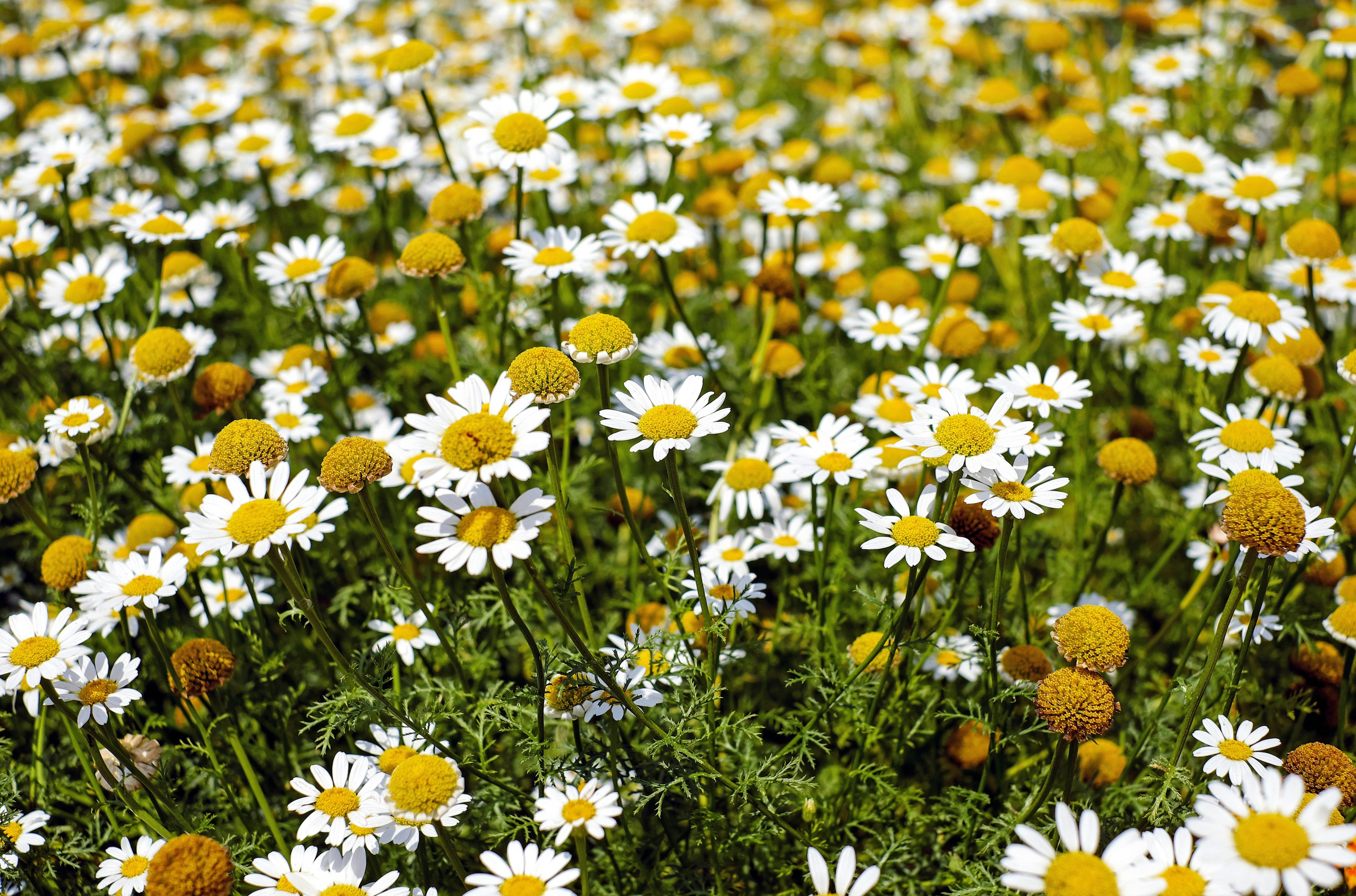
Roman chamomile essential oil is distilled from the flowers of Chamaemelum nobile (syn. Anthemis nobilis), a low-growing perennial plant belonging to the Asteraceae family. Despite its modest size and appearance, the plant holds a long-established place in European herbal traditions.
- Botanical name: Chamaemelum nobile (syn. Anthemis nobilis)
- Common names: Roman chamomile, English chamomile
- Native regions: Western Europe, particularly France, Italy, and Spain; long cultivated in the UK and other temperate regions
- Plant characteristics: Low, creeping growth (approximately 10–30 cm tall) with daisy-like white flowers and yellow centers; often grown as a fragrant groundcover or “lawn” herb
Roman chamomile should not be confused with German chamomile (Matricaria recutita). Although closely related, the two species differ significantly in chemistry and traditional use. German chamomile is an annual plant rich in azulenes such as chamazulene, while Roman chamomile is perennial and dominated by ester compounds, particularly angelates and tiglates. Roman chamomile essential oil is typically pale yellow to clear in appearance.
Traditional Uses Across Cultures
Historically, Roman chamomile flowers have been used in European herbal medicine primarily for mild digestive and nervous complaints. Herbal texts and monographs describe preparations—most commonly teas and infusions—used for:
- Digestive comfort, especially bloating, flatulence, and tension-related digestive upset
- Gentle support for relaxation and rest
- Topical washes and compresses for minor skin irritation and itching
- Bath preparations intended to calm the body and ease tension
Roman chamomile and related chamomile species also appear in historical sources from ancient Greece, Rome, and Egypt, though early texts do not always clearly distinguish between Roman and German chamomile. Its association with gentleness contributed to its frequent use for children, the elderly, and individuals considered constitutionally sensitive. Notably, most traditional applications relied on water-based preparations rather than essential oil.

How Is Roman Chamomile Essential Oil Extracted?
Harvesting the Raw Material
Roman chamomile thrives in temperate climates with well-drained soil and generally performs poorly in very hot or humid conditions. The flowers are harvested during peak bloom, when their aromatic compounds are most concentrated.
Key considerations in harvesting include:
- Season: Late spring to early summer, preferably during dry, sunny weather
- Maturity: Fully open flower heads, when fragrance is strongest
- Harvest method: Often hand-harvested to protect delicate blooms and preserve quality
Because the flowers are small and yields are low, large quantities are required to produce relatively modest amounts of essential oil. This contributes to Roman chamomile’s reputation as a labor-intensive and comparatively expensive oil, and makes careful sourcing particularly important.
Distillation Process

Roman chamomile essential oil is obtained through steam distillation, a process that captures volatile aromatic compounds without the use of chemical solvents.
The process typically involves:
- Placing fresh or gently dried flower heads into a distillation chamber
- Passing steam through the plant material to vaporize volatile constituents
- Cooling the vapor so it condenses back into liquid form
- Allowing the essential oil to separate naturally from the hydrosol
Careful control of temperature and distillation duration is important, as many of Roman chamomile’s ester compounds can degrade if exposed to excessive heat or prolonged processing. Low yield and careful distillation together contribute to variability in quality between batches.
Chemical Composition of Roman Chamomile Essential Oil
Roman chamomile essential oil is chemically distinct from German chamomile, with a profile dominated by esters rather than azulenes. This ester-rich composition helps explain why Roman chamomile is often experienced as softer and more calming than many other essential oils.

Key Compounds Commonly Found
Analytical profiles indicate that Roman chamomile essential oil may contain approximately 70–80% esters of angelic and related acids. Commonly reported constituents include:
- Angelic esters (angelate derivatives), particularly iso-butyl angelate
- 2-methylbutyl and isoamyl angelate
- Additional ester compounds, including tiglate-type esters
- Minor components such as monoterpenes (e.g., α-pinene) and oxygenated monoterpenes (e.g., pinocarveol, pinocarvone)
Exact composition varies depending on cultivar, growing conditions, harvest timing, and distillation technique, meaning not all Roman chamomile oils share identical chemical profiles.
Why These Compounds Matter
Within aromatherapy, ester-rich essential oils are generally associated with calming, harmonizing effects and a relatively gentle action on both skin and the nervous system. In practice, Roman chamomile is often selected for:
- Aromatic blends aimed at relaxation and emotional balance
- Formulations intended for sensitive or reactive skin, used at low dilutions
- Gentle applications for children or older adults, under appropriate guidance
These associations arise from traditional use, practitioner experience, and laboratory analysis of chemical constituents rather than from large-scale clinical trials on the essential oil itself.

Potential Health and Wellness Benefits
Traditionally Recognized Benefits
In traditional European herbal practice, Roman chamomile flowers have been used to support:
- Relaxation and restfulness, often through warm evening infusions
- Digestive comfort, particularly when symptoms are linked to tension or mild spasm
- Skin soothing via washes or compresses for minor irritation
- Emotional grounding during periods of stress or agitation
These applications emphasize gentle, repeated support rather than strong or rapid intervention.
What Modern Research Is Exploring
Modern research on chamomile species, including Chamaemelum nobile, has examined properties related to:
- Modulation of inflammatory pathways
- Antioxidant activity and reduction of oxidative stress markers
- Mild sedative or anxiolytic effects in certain experimental models
- Support for skin comfort under irritant conditions
Most studies involve extracts or isolated compounds and are conducted in vitro or in animal models. Findings from chamomile teas or extracts cannot be directly extrapolated to essential oil use. For everyday users, Roman chamomile essential oil is best viewed as a supportive addition to relaxation and self-care routines rather than a solution for specific health conditions.
Can Roman Chamomile Support Brain and Nervous System Health?
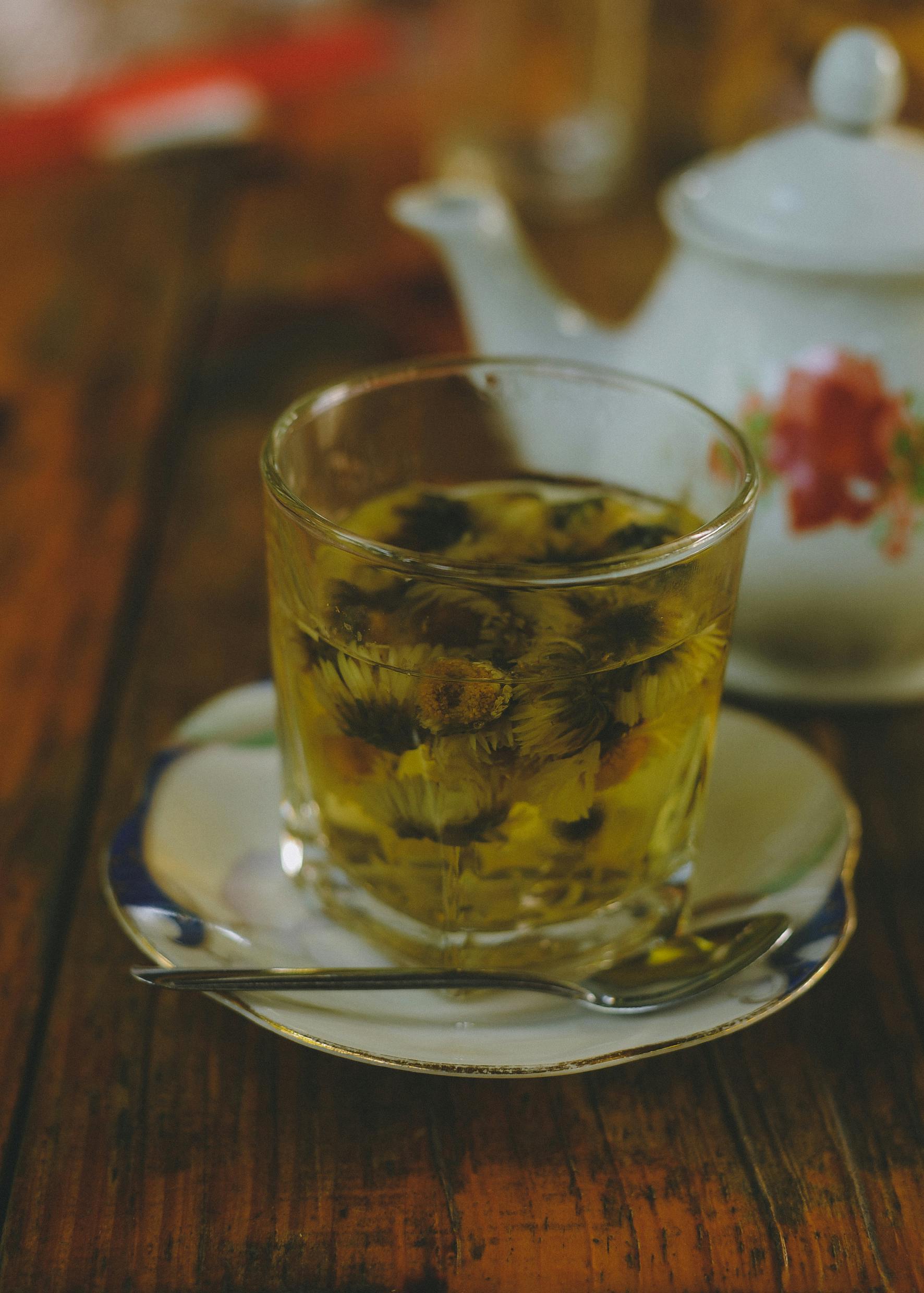
Interest in Roman chamomile’s influence on the nervous system stems from both its ester-rich chemistry and its long-standing reputation as a calming “nervine” herb. Aromatic compounds interact with the olfactory system, which connects directly to brain regions involved in emotion, memory, and autonomic regulation. This pathway is often cited as one mechanism through which aromatherapy may influence perceived stress and mood.
Some small human studies on chamomile preparations—primarily teas or extracts of German chamomile—have reported modest benefits for anxiety or sleep quality in certain populations. While pleasant aromas may influence mood and relaxation, such effects should be regarded as supportive rather than therapeutic.
Important note: Individuals considering chamomile essential oil for concerns such as anxiety, insomnia, or mood disorders should consult a qualified healthcare professional and continue any prescribed treatments unless advised otherwise.
How to Use Roman Chamomile Essential Oil Safely
Aromatherapy
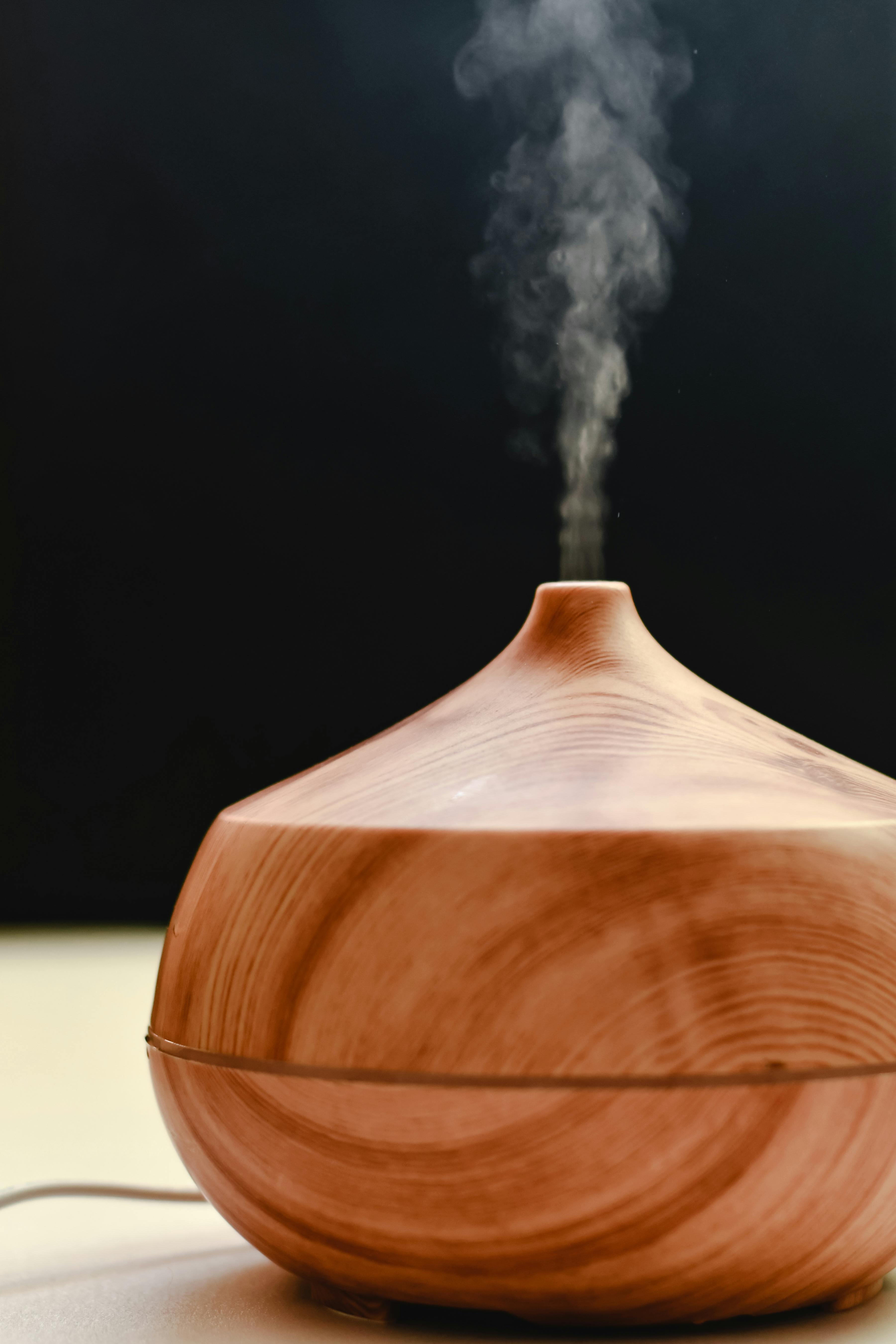
Roman chamomile is commonly used in diffusers and personal inhalation blends, particularly in evening routines.
Typical approaches include:
- Diffusing 3–5 drops in a well-ventilated space for 30–60 minutes, with breaks between sessions
- Using one or two drops in a personal inhaler or aromatherapy pendant
Adequate ventilation and moderation are important, especially in small rooms and around children or pets. Roman chamomile is not known to be phototoxic, but diffusion around pets—particularly cats—should always be approached cautiously.
Topical Application
Although often regarded as gentle, Roman chamomile essential oil should always be diluted before skin application.
General guidelines include:
- Approximately 0.5–1% dilution for facial, sensitive, or long-term use (1–2 drops per 10 ml carrier oil)
- Up to 1–2% for general adult body use when appropriate
- Performing a patch test prior to broader application
As Roman chamomile belongs to the Asteraceae family, individuals with known allergies to ragweed, daisies, or related plants should use additional caution.

Bath & Massage
- Always pre-dilute the oil in a carrier oil or suitable dispersant before adding to bathwater
- Use low concentrations, particularly for children, older adults, or sensitive individuals
During pregnancy, many guidelines recommend avoiding essential oils or using very low dilutions only under professional supervision.
Safety Notes

What Does Roman Chamomile Essential Oil Smell Like?
Roman chamomile essential oil has a soft, sweet, herbaceous aroma with subtle apple-like notes, reflected in its traditional name “ground apple.”
- Top notes: Sweet, fruity, lightly grassy, with hints of green apple
- Dry-down: Gentle herbal and tea-like nuances, sometimes slightly hay-like
Many people experience the aroma as comforting and reassuring, contributing to its popularity in bedtime blends and restful environments.
Oils That Blend Well With Roman Chamomile
Roman chamomile blends well with other calming and balancing essential oils, including:
- Lavender and neroli for enhanced relaxation
- Bergamot for gentle brightness within calming blends
- Frankincense for added depth and grounding
- Clary sage to complement stress-relief formulations
In blends, Roman chamomile is often used as a background note rather than a dominant aroma, helping soften and harmonize stronger oils.
Why Is Roman Chamomile Known as the “Oil of Calm”?
Historically and in modern practice, Roman chamomile has been associated with peace, gentleness, and emotional steadiness. In European herbal traditions, chamomile flowers were often classified as mild nervines, taken as warm infusions to ease tension and stress-related discomfort.
This role continues in aromatherapy today, where its ester-rich composition and generally good tolerability make it a frequent choice for calming blends, often at very low dilutions. Rather than symbolizing strength or intensity, Roman chamomile has come to represent restoration through softness.
Final Thoughts
Roman chamomile essential oil occupies a distinctive position within plant-based wellness. Its enduring value lies not in bold or targeted claims, but in a long-standing association with calm, gentle care, and a slower, more receptive approach to self-support.
As research continues to clarify the chemistry and limits of chamomile preparations, Roman chamomile essential oil remains a bridge between traditional wisdom and modern curiosity—inviting a pace of wellness grounded in patience, sensitivity, and respect for the body’s natural rhythms.
Used thoughtfully, it can serve as a supportive companion alongside, rather than in place of, appropriate medical guidance and evidence-based care.
Question:-
Is Roman chamomile essential oil the same as German chamomile?
Question:-
Is Roman chamomile essential oil the same as German chamomile?
Answer:- No. Roman chamomile (Chamaemelum nobile) and German chamomile (Matricaria recutita) are different species with distinct chemical profiles and traditional uses. Roman chamomile is ester-rich and generally gentler in aroma and action.
Question:-
Is Roman chamomile essential oil safe for sensitive skin?
Question:-
Is Roman chamomile essential oil safe for sensitive skin?
Answer:- It is often regarded as one of the gentler essential oils, but it should always be diluted and patch-tested. Individuals with allergies to plants in the Asteraceae family should use additional caution.
Question:-
Can Roman chamomile essential oil help with sleep or stress?
Question:-
Can Roman chamomile essential oil help with sleep or stress?
Answer:- Its aroma is commonly used in relaxation and bedtime routines, where it may support a calm environment. However, it should be viewed as supportive rather than a treatment for sleep or anxiety disorders.
If you want tips on natural wellness, you can get them straight to your inbox.

Enter your email below and I’ll share new articles, reflections, and practical insights as they’re published.
Side Thoughts
Thanks for visiting here. If you'd like to stay in touch with our regular updates, then we'd love you to subscribe to our Detox-For-Life Newsletter.
We are a participant in the Amazon Services LLC Associates Program, an affiliate advertising program designed to provide a means for us to earn fees by linking to Amazon.com and affiliated sites.
NEWSLETTER
New pages, fresh perspectives, and practical detox-for-life insights are shared first with newsletter readers.
Recent Articles


-
Fennel Essential Oil: Aromatic and Soothing Oil with Health Benefits
Apr 14, 26 03:36 PM
 Fennel Essential Oil - Learn how this sweet, licorice-like oil supports digestion and everyday wellness.
 -
Beyond Curry: Turmeric Essential Oil - Benefits, Uses & Safety Guide
Mar 16, 26 07:19 AM
Explore Turmeric Essential Oil - Spice up your life with this golden oil. From adding a zesty kick to your morning smoothie to giving your skin a radiant glow -
Liver Cleanse Guide: Support Your Liver the Natural Way
Mar 03, 26 01:37 AM
 Discover how a gentle liver cleanse supports detox, digestion, metabolism, clear skin and steady energy using food, herbs and simple daily habits.