- Home
- What Are Essential Oils?
- Neroli Essential Oil
Discover Neroli Essential Oil
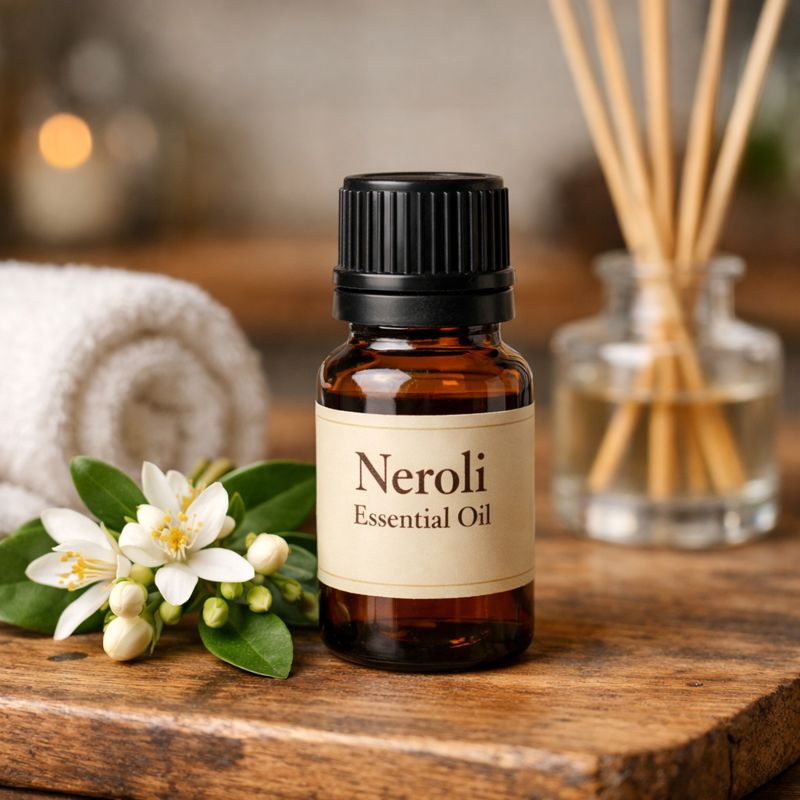
A Comprehensive Guide to Origins, Benefits, and Uses
Neroli essential oil has occupied a distinctive place in perfumery, traditional medicine, and aromatic practice. Distilled from the delicate white blossoms of the bitter orange tree, it has long been prized for its refined fragrance and its association with emotional calm, skin care, and ceremonial use.
Unlike more common citrus oils that are expressed from fruit peels, neroli is extracted from flowers—making it both rare and labor-intensive to produce, and therefore one of the more costly citrus-derived essential oils on the market. This rarity, combined with its complex aroma and layered cultural history, has sustained neroli’s relevance from the royal courts of Europe to modern wellness, spa, and skincare traditions.
Today, neroli essential oil continues to be valued not as a quick remedy or dramatic intervention, but as a subtle and enduring aromatic ally—one associated with balance, elegance, and emotional restoration, particularly within practices that emphasize slow, mindful self-care.
What Is Neroli Essential Oil?
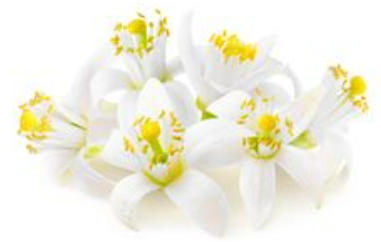
Neroli essential oil is derived from the blossoms of the bitter orange tree (Citrus aurantium), an evergreen citrus species native to parts of Southeast Asia and now widely cultivated throughout Mediterranean, North African, and Middle Eastern regions.
Notably, this single tree yields three distinct aromatic products used in perfumery and aromatherapy:
- Neroli oil – steam-distilled from the flowers
- Petitgrain oil – steam-distilled from the leaves and twigs
- Bitter orange essential oil – cold-pressed from the fruit peel
Historically, neroli flowers and their distilled oil were used in:
- Traditional Mediterranean and Middle Eastern perfumery and cosmetics
- Ceremonial and bridal settings, often symbolizing purity, joy, and new beginnings
- Early European bathing rituals and the perfuming of gloves and garments among the nobility
Its floral aroma and gentle, poised character made neroli especially associated with refinement, calm, and emotional steadiness, and it remains a favored middle note in high-end fine fragrances today.
Extraction Process of Neroli Oil
Harvesting the Raw Material
Neroli blossoms are harvested by hand during a brief flowering period, typically in early spring, when the flowers are at their most aromatic. The blossoms are exceptionally fragile and must be processed as quickly as possible after picking to preserve their volatile aromatic compounds.
Key considerations include:
- Bitter orange trees may take several years to mature before producing abundant, high-quality blossoms suitable for distillation.
- Harvesting is labor-intensive and highly time-sensitive, often carried out in the early morning to reduce evaporation and bruising.
- Ethical sourcing and sustainable farming are essential, as it can take hundreds to over 1,000 kilograms of blossoms to yield approximately one kilogram of neroli essential oil, depending on region and distillation efficiency.
This combination of low yield, manual labor, and strict seasonal limitation largely explains neroli’s premium price and long-standing reputation as a “luxury oil.”
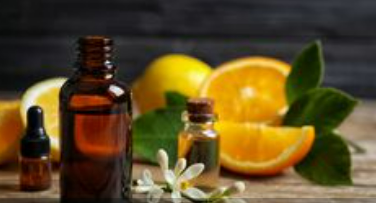
Distillation Process
Neroli oil is obtained almost exclusively through steam distillation of freshly harvested flowers:
- Steam passes through the blossoms, rupturing specialized oil glands and releasing aromatic constituents.
- The resulting vapor is cooled and condensed into a mixture of aromatic water and essential oil.
- The essential oil naturally separates from the hydrosol and is collected as a clear to pale-yellow liquid with a refined floral aroma.
Distillation temperature, pressure, timing, and flower freshness all significantly influence the oil’s final character. Shorter, carefully controlled distillations tend to produce a sweeter, fresher profile, while longer runs can draw out heavier, greener, and more indolic notes from the flowers.
Chemical Compounds In Neroli Essential Oil
Neroli essential oil contains a complex blend of naturally occurring aromatic compounds, primarily monoterpenols, esters, and monoterpenes. The major constituents typically include:
- Linalool – a monoterpenol commonly associated with calming and mood-modulating effects in aromatherapy contexts
- Linalyl acetate – an ester frequently studied alongside linalool in relation to relaxation and stress response
- Nerolidol – a sesquiterpene alcohol contributing depth and a subtle herbal-floral tone
- Limonene – a citrus monoterpene linked to bright, uplifting aromatic qualities
- α-terpineol and E-farnesol – supportive floral and lightly woody notes that help round out the aroma
Additional trace components—including nerol, geraniol, methyl anthranilate, neryl acetate, and indole—add nuance and complexity, giving neroli its characteristic soft, slightly honeyed white-floral profile. These compounds act synergistically rather than in isolation, shaping both the oil’s scent and its traditional association with emotional balance and gentle skin-care support.
Note: These properties are drawn from traditional use and laboratory or small clinical studies. Individual responses may vary, and factors such as concentration, method of use, and overall health context all play a role.

Potential Health and Wellness Benefits of Neroli Essential Oil
Traditionally Recognized Uses
Historically and in modern aromatherapy practice, neroli essential oil has been associated with:
- Emotional calm and the easing of nervous tension following stress or shock
- Gentle support of the nervous system during periods of heightened emotional strain
- Skin care applications, particularly for dry, delicate, or mature skin when appropriately diluted
- Ceremonial, bridal, and meditative rituals intended to foster feelings of purity, joy, and inner composure
Many practitioners also incorporate neroli into pre-sleep routines or quiet reflective practices because of its subtle, non-sedating calming effect.
What Modern Research Is Exploring
Contemporary research has begun examining neroli oil for its potential role in:
- Stress and anxiety modulation: Clinical studies have reported reductions in anxiety scores in settings such as childbirth and acute coronary care when neroli aroma was used alongside standard medical treatment.
- Sleep and relaxation support: Small studies and aromatherapy observations suggest neroli may contribute to improved perceived relaxation and sleep quality as part of a calming nighttime routine, though evidence remains preliminary.
- Skin barrier balance and inflammation response: Laboratory research and empirical cosmetic use indicate potential soothing and balancing effects on the skin, particularly when combined with complementary ingredients.
- Mood and emotional well-being: Inhalation studies using Citrus aurantium preparations have reported improvements in self-rated mood and anxiety, though larger and more rigorous trials are still needed.
These findings should not be interpreted as evidence that neroli can treat, cure, or prevent disease. It is best viewed as a supportive aromatic tool within a broader, medically supervised wellness approach.

Can Neroli Support Brain and Nervous System Health?
Neroli oil is often used aromatically in contexts focused on emotional regulation and stress response, including labor wards, cardiac units, and pre-operative waiting areas in certain clinical studies. Its naturally occurring esters and alcohols—particularly linalool and linalyl acetate—are being investigated for their potential interaction with neurotransmitter systems involved in relaxation and anxiety perception.
Randomized clinical studies have reported that inhalation of neroli aroma may reduce measured state-anxiety scores and perceived pain in women during labor, and may lower anxiety in patients experiencing acute coronary syndrome when used alongside standard care. While these results are encouraging, the research remains emerging, sample sizes are modest, and aromatherapy should not be viewed as a replacement for psychological, neurological, or medical treatment.
Always consult a qualified healthcare professional before using neroli therapeutically, especially in cases involving neurological, psychiatric, or cardiovascular conditions, and consider it an adjunct rather than a stand-alone intervention.
How to Use Neroli Essential Oil Safely

Aromatherapy
Diffuse 2–4 drops in a water-based diffuser to create a calming, uplifting atmosphere, beginning at the lower end of the range and adjusting based on room size and individual sensitivity.
For personal inhalation, place 1–2 drops on a tissue or use an aromatherapy inhaler rather than applying undiluted oil directly to the skin.
Topical Application
Dilute appropriately—typically around 1–2% for general body use and 0.5–1% for facial blends—in a suitable carrier oil before skin application.
Blending with carriers such as jojoba, sweet almond, or fractionated coconut oil can help create gentle, conditioning serums or massage oils.
Bath and Massage
Add neroli essential oil to a carrier oil or unscented bath base before dispersing it into bathwater; never add essential oils neat directly to the bath.
For massage, 3–6 drops of neroli in 30 ml (1 oz) of carrier oil provides a softly fragrant, relaxing blend suitable for localized or full-body use.
Safety Notes
- Always dilute before topical use and perform a patch test 24 hours prior to broader application.
- Neroli is generally regarded as non-phototoxic, unlike many expressed citrus peel oils, though product composition should always be verified.
- Avoid use during pregnancy, breastfeeding, or on young children unless guided by a qualified professional experienced in clinical aromatherapy.
- Keep out of reach of children and pets, and avoid contact with eyes, mucous membranes, and compromised skin.
What Does Neroli Essential Oil Smell Like?
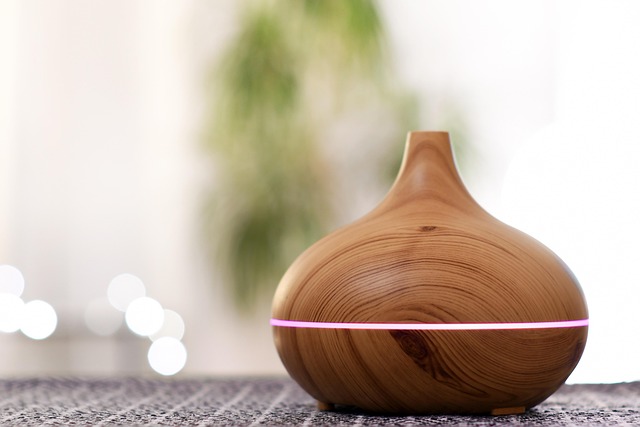
Neroli has a sweet, floral, and delicately citrus-tinged aroma, typically classified as a middle note in perfumery. It is often described as:
- Light yet complex, with a soft orange-blossom sweetness
- Fresh, with subtle green or gently bitter nuances that prevent it from becoming cloying
- Softly uplifting and clarifying, promoting calm attentiveness rather than heavy sedation
Because of this balanced profile, neroli bridges floral and citrus families, lifting heavier bases while smoothing sharper top notes—qualities that make it highly prized in both natural and fine-fragrance composition.
What other essential oils does Neroli Essential Oil blend well with?
Neroli essential oil blends well with a variety of other essential oils. Some of the best essential oils to blend with neroli include:
- Lavender essential oil has a calming and soothing effect on the mind and body, making it an excellent complement to neroli for promoting relaxation and reducing anxiety.
- Bergamot oil has a fresh, citrusy aroma that blends well with neroli to create a bright and uplifting scent.
- Ylang-ylang oil has a sweet, floral aroma that pairs well with neroli for promoting relaxation and reducing stress.
- Clary sage oil has a herbaceous and slightly sweet aroma that blends well with neroli for promoting relaxation and reducing anxiety.
- Frankincense oil has a warm, earthy aroma that pairs well with neroli for promoting a sense of calm and balance.
- Geranium oil has a floral and herbaceous aroma that complements neroli well for promoting relaxation and uplifting mood.
When blending essential oils, it is important to use high-quality oils and to mix them in the proper proportions. A good rule of thumb is to use a total of 5-10 drops of essential oils per 1 ounce of carrier oil or other base product.
Always perform a patch test before using any new essential oil blend, and consult with a healthcare professional before using essential oils if you have any health concerns or are pregnant or breastfeeding.

Why Is Neroli Known as the “Oil of Royalty”?
The name “neroli” is commonly traced to Anne Marie Orsini (Anne Marie de La Trémoille), the 17th-century Princess of Nerola in Italy, who famously scented her gloves, linens, and bath with orange blossom essence. Her patronage popularized the fragrance among European nobility, and the name “neroli” became closely associated with refined orange-blossom perfume.
Because of its rarity, cost, and sophisticated aroma, neroli became linked with:
- Nobility, luxury, and ceremonial use in aristocratic circles
- Bridal preparations and orange-blossom symbolism representing purity and joy
- High-end perfumery, where it remains a key note in classic colognes and white-floral compositions
This cultural heritage continues to shape neroli’s reputation today as an elegant oil reserved for special blends and formulations intended to evoke grace, serenity, and quiet confidence.
Final Thoughts
Neroli essential oil remains a bridge between ancient aromatic traditions and modern wellness practice, uniting cultural symbolism, perfumery artistry, and emerging clinical interest in stress and anxiety modulation. Valued for its elegance rather than intensity, it endures because it addresses something timeless: the human desire for calm, balance, and sensory harmony amid the demands of daily life.
While scientific research on neroli continues to develop, its role is best understood not as a cure-all, but as a carefully respected botanical ally—used with appropriate dilution, realistic expectations, and, when applied therapeutically, in consultation with qualified health professionals.
If you want tips on natural wellness, you can get them straight to your inbox.

Enter your email below and I’ll share new articles, reflections, and practical insights as they’re published.
Side Thoughts
Thanks for visiting here. If you'd like to stay in touch with our regular updates, then we'd love you to subscribe to our Detox-For-Life Newsletter.
We are a participant in the Amazon Services LLC Associates Program, an affiliate advertising program designed to provide a means for us to earn fees by linking to Amazon.com and affiliated sites.
NEWSLETTER
New pages, fresh perspectives, and practical detox-for-life insights are shared first with newsletter readers.
Recent Articles


-
Fennel Essential Oil: Aromatic and Soothing Oil with Health Benefits
Apr 14, 26 03:36 PM
 Fennel Essential Oil - Learn how this sweet, licorice-like oil supports digestion and everyday wellness.
 -
Beyond Curry: Turmeric Essential Oil - Benefits, Uses & Safety Guide
Mar 16, 26 07:19 AM
Explore Turmeric Essential Oil - Spice up your life with this golden oil. From adding a zesty kick to your morning smoothie to giving your skin a radiant glow -
Liver Cleanse Guide: Support Your Liver the Natural Way
Mar 03, 26 01:37 AM
 Discover how a gentle liver cleanse supports detox, digestion, metabolism, clear skin and steady energy using food, herbs and simple daily habits.