- Home
- What Are Essential Oils?
- Vetiver Essential Oil
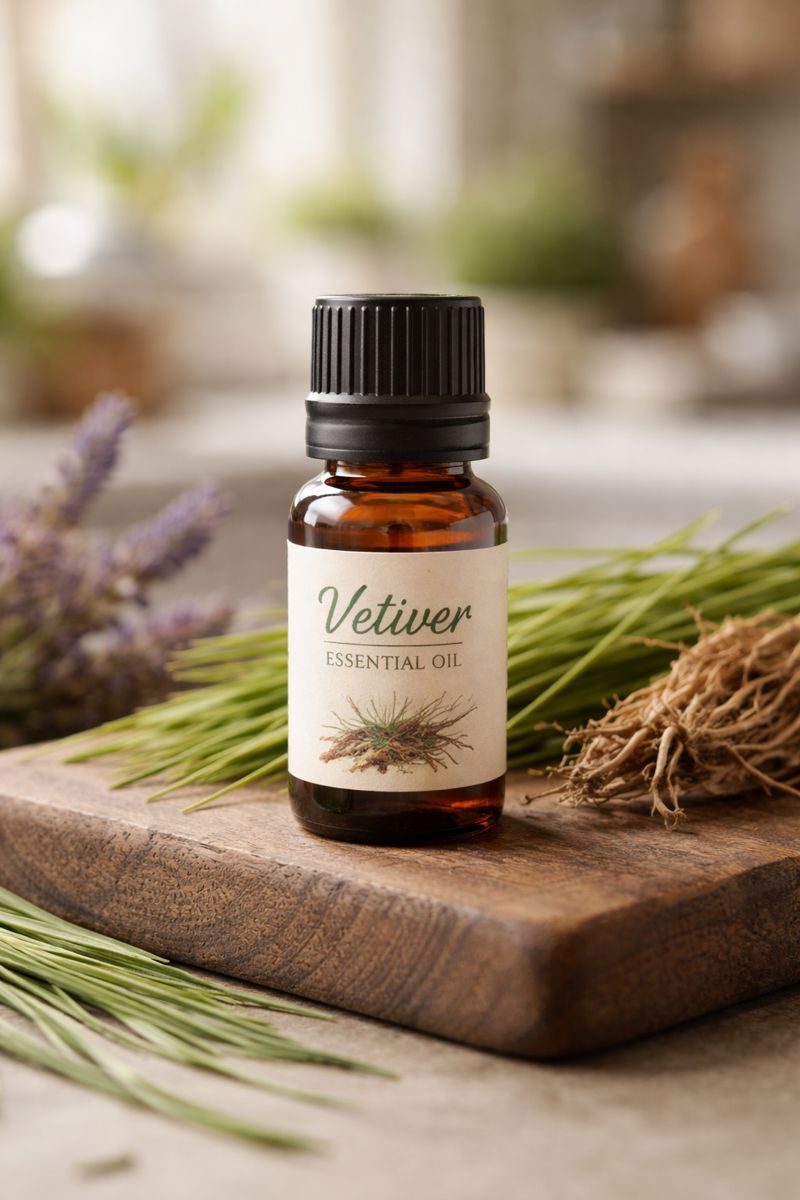
Discover Vetiver Essential Oil
A Comprehensive Guide to Origins, Benefits, and Uses
Introduction
For centuries, vetiver essential oil has occupied a distinctive place in traditional medicine, perfumery, and aromatic practice. Distilled from the roots of the vetiver grass—often called khus or khus khus—this oil is valued not only for its deep, earthy aroma, but also for its unusually complex chemical profile.
Historically, vetiver was prized across India, Southeast Asia, and parts of Africa for both practical and symbolic reasons. Its roots were woven into mats to cool homes, used to scent drinking water and stored clothing, and incorporated into traditional systems of medicine for grounding, cooling, and restorative purposes.
Today, vetiver essential oil continues to attract interest in aromatherapy, natural perfumery, and holistic wellness. In a world increasingly dominated by stimulation and speed, vetiver’s slow-developing, anchoring scent has earned it a reputation as one of the most grounding oils available—valued less for dramatic effects and more for its steady, stabilising presence in blends, rituals, and personal care.
What Is Vetiver Essential Oil?
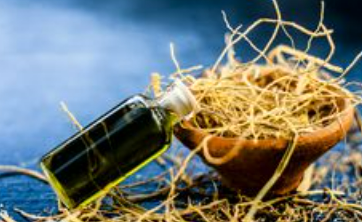
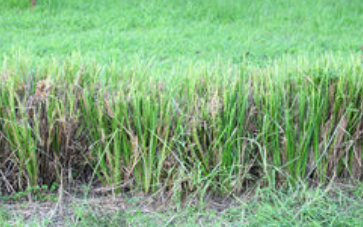
Vetiver essential oil is derived from the roots of Vetiveria zizanioides (now more commonly classified as Chrysopogon zizanioides), a perennial grass native to India and now cultivated across tropical regions including Haiti, Indonesia, Réunion, and parts of Africa.
Unlike most aromatic grasses, which are harvested for their leaves, vetiver is grown specifically for its dense, fibrous root system. These roots can extend three to four metres into the soil, anchoring the plant, stabilising slopes, and contributing to its long-standing use in erosion control and land-restoration projects.
Across cultures, vetiver has traditionally been used:
- In Ayurvedic and other traditional medicine systems for cooling, grounding, and convalescent support
- In perfumery as a deep base note and powerful natural fixative that slows the evaporation of more volatile aromas
- In domestic settings to scent rooms, fans, mats, drawers, and textiles in hot climates
Because of its earthy aroma and persistence, vetiver is often described as an oil that “stays close to the ground,” both literally and aromatically. Its scent profile is notable for its longevity, lingering for hours—or even days—on skin and fabric.
How Is Vetiver Essential Oil Extracted?
Harvesting the Raw Material
Vetiver plants typically require 12–24 months to mature before their roots are considered optimal for distillation, with older roots generally producing heavier, richer oil. Once harvested, the roots are:
- Uprooted by hand or machinery
- Thoroughly washed to remove soil and fine particles
- Chopped or shredded into smaller pieces
- Dried for several days to weeks, often in shaded, well-ventilated conditions to protect aromatic compounds
Sustainability plays an important role in vetiver production. Because harvesting removes the entire root system, responsible producers prioritise replanting, contour planting for erosion control, and soil regeneration—particularly in regions such as Haiti and Indonesia, where vetiver cultivation supports both local livelihoods and environmental protection.
Distillation Process
Vetiver essential oil is produced through steam distillation:
- Dried roots are packed into a distillation chamber, with water below or around them
- Steam passes through the plant material, releasing aromatic compounds
- The vapour condenses into liquid in a cooling system
- Oil separates naturally from the distillate water and is collected
The process can take many hours, and large quantities of roots are required to yield a relatively small amount of oil. Longer, slower distillations tend to produce a fuller, more nuanced aroma. The crude oil is often allowed to “age” for several months to a year, during which its scent usually becomes smoother and more rounded. This slow, resource-intensive path—from root to aged oil—contributes significantly to vetiver’s depth and value.
Chemical Composition of Vetiver Essential Oil
Vetiver essential oil contains a high concentration of sesquiterpenes and oxygenated sesquiterpenes, including sesquiterpenols and sesquiterpene ketones. These compounds contribute both to its distinctive aroma and to its traditional uses.
Key components commonly identified include:
- Khusimol, isovalencenol, and vetiselinenol – Major sesquiterpene alcohols associated with vetiver’s woody, earthy depth
- Vetivones (α-vetivone and β-vetivone) – Oxygenated sesquiterpenes linked to its dry, smoky, leathery facets
- Other sesquiterpenes – Molecules with cedrane, bisabolane, eudesmane, and zizaane skeletons that add complexity and have shown calming or anti-inflammatory activity in experimental models
- Minor alcohols, ketones, and esters – Contributing balsamic, sweet, and subtly resinous nuances
More than 150 constituents have been identified in vetiver root oils from different regions, underscoring the remarkable chemical richness of this single essential oil. Rather than acting as isolated “active ingredients,” these compounds appear to work together, producing an aroma and effect that is slow-developing, tenacious, and unusually long-lasting.
As with most essential oils, composition varies depending on soil type, climate, root age, post-harvest handling, distillation duration, and geographic origin. Haitian, Indian, and Indonesian vetivers, for example, are all recognisably distinct in scent.
What Are The Health Benefits of Vetiver Essential Oil?
Traditionally Recognised Uses
Historically, vetiver has been associated with:
- Cooling and calming practices in hot, humid climates
- Emotional grounding during periods of agitation, grief, or stress
- Skin-care rituals for dryness, irritation, and convalescent massage
These uses arise largely from traditional systems such as Ayurveda and regional folk medicine rather than extensive modern clinical trials. Within these traditions, vetiver is often described as a cooling and grounding substance that helps settle excess heat and restlessness.
What Modern Research Is Exploring
Preliminary laboratory and animal studies have explored vetiver oil in relation to:
- Inflammatory pathways and nociception, where certain extracts have demonstrated antinociceptive and anti-inflammatory activity in rodent models
- Oxidative stress, with some fractions showing antioxidant effects in vitro
- Microbial activity, including modest antibacterial and antifungal effects against selected strains in laboratory settings
Human clinical evidence remains limited, and existing studies are often small, exploratory, or use different preparations. Vetiver essential oil should not be regarded as a medical treatment, and any health-related claims should be approached with cautious, evidence-informed expectations.

Can Vetiver Essential Oil Support Nervous System Health?
Vetiver essential oil is widely used in aromatherapy for its grounding and stabilising character. Practitioners often describe it as supportive during periods of emotional overload, mental restlessness, or difficulty unwinding after prolonged stimulation.
Emerging research suggests its aroma and constituents may influence stress-response pathways and aspects of emotional regulation. Some small studies and animal models have reported effects on anxiety-like behaviours, sleep-wake patterns, and biochemical markers associated with neurotransmitter activity.
These findings are preliminary and heterogeneous, relying largely on animal studies or small-scale human research. Always consult a qualified healthcare professional before therapeutic use, particularly when managing anxiety, sleep disorders, depression, seizures, or other neurological conditions, and do not discontinue prescribed medication in favour of essential oils.
How to Use Vetiver Essential Oil Safely
Aromatherapy
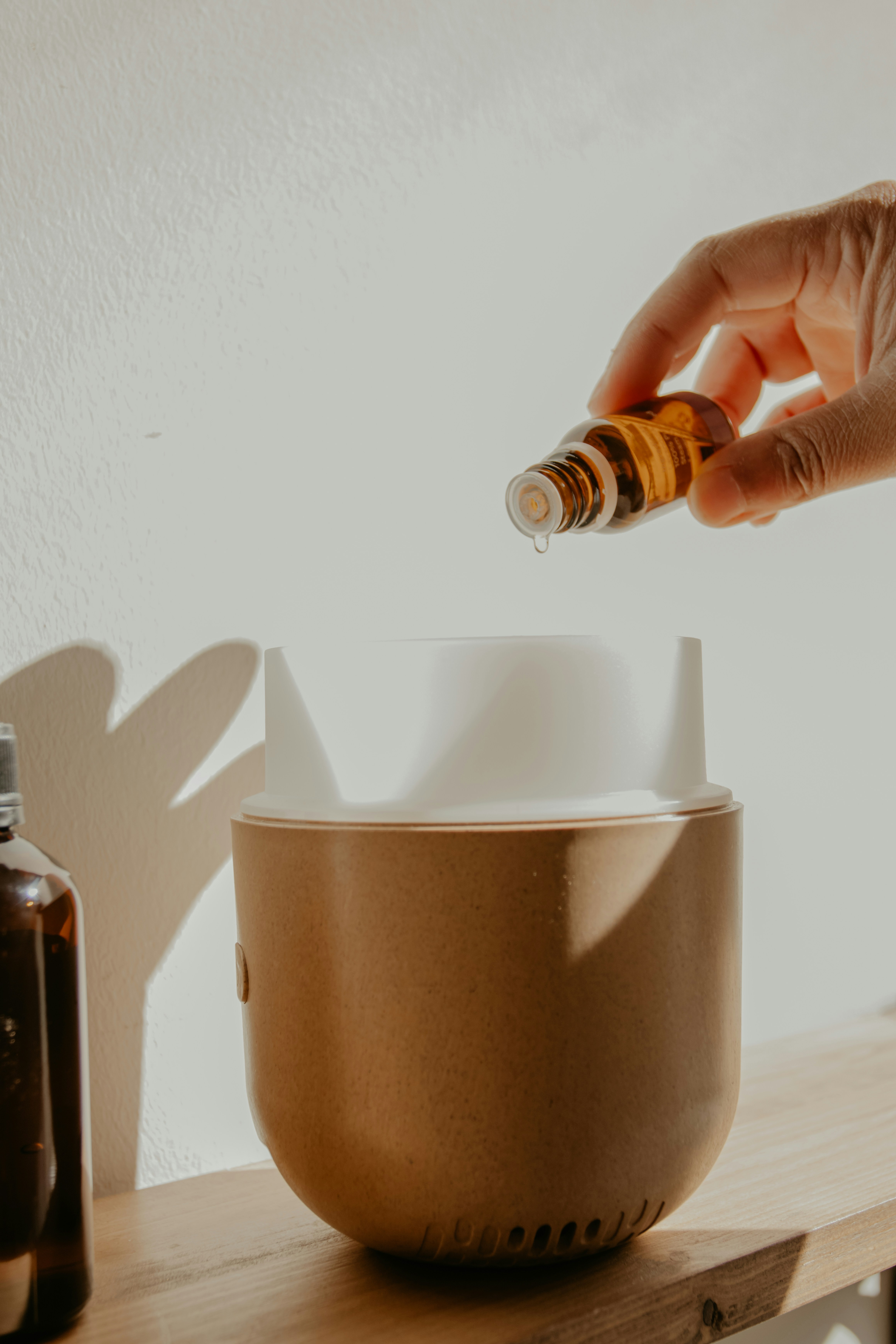
Add two to four drops to a diffuser to create a calming, grounding atmosphere in a closed room. For personal inhalation, place one to two drops on a tissue or aromatherapy inhaler rather than applying undiluted oil directly near the nose.
Topical Application
Dilute with a carrier oil such as jojoba, fractionated coconut, or sweet almond at approximately 1–2% (about one to two drops per 5 ml of carrier). For facial use or sensitive skin, lower dilutions of 0.5–1% are generally preferred.
Bath & Massage
Blend a few drops with a carrier oil or unscented bath base before adding to bath water to ensure even dispersion. In massage blends, vetiver is often used sparingly due to its intensity, sometimes as little as one drop in 20–30 ml of carrier oil.
Safety Notes
Always dilute before skin use and perform a patch test. Avoid use during pregnancy and breastfeeding unless advised by a qualified professional, as comprehensive safety data are limited. Keep away from children, eyes, and mucous membranes, and do not ingest vetiver essential oil unless under direct professional supervision.
What does Vetiver Essential Oil smell like?
Vetiver essential oil has a deep, earthy, woody aroma often described as smoky, rooty, musky, and balsamic, with subtle sweetness. Many people detect notes reminiscent of damp soil after rain, sun-warmed earth, dry wood resin, or incense.
In well-aged oils, faint undertones of vanilla, cocoa, or caramel may emerge. The aroma unfolds slowly and can feel almost “vertical,” moving from soil-like depths to soft, sweet high notes. This quality makes vetiver especially valued as a base note in perfumery and contemplative blends.
Oils That Blend Well With Vetiver Essential Oil
Vetiver essential oil blends well with a variety of other essential oils, including:
- Lavender: The floral and calming properties of lavender essential oil complement the grounding and earthy scent of vetiver, making this a popular and relaxing blend.
- Sandalwood: Sandalwood essential oil has a warm and woodsy scent that pairs well with the earthy and musky aroma of vetiver, creating a harmonious and grounding blend.
- Bergamot: The citrusy and uplifting scent of bergamot essential oil complements the earthy and grounding aroma of vetiver, creating a refreshing and energizing blend.
- Patchouli: Patchouli essential oil has a deep and earthy scent that complements the rich and complex aroma of vetiver, creating a deeply relaxing and grounding blend.
- Frankincense: Frankincense essential oil has a sweet and woody aroma that pairs well with the earthy and musky scent of vetiver, creating a harmonious and uplifting blend.
Overall, vetiver essential oil blends well with a variety of other essential oil. Vetiver often acts as an anchor, extending the life of more volatile notes. , making it a versatile and popular choice for use in aromatherapy and perfumery.
Why Is Vetiver Sometimes Called the “Oil of Tranquillity”?
Vetiver’s association with tranquillity arises from several factors: its deep root system, its cooling role in hot climates, and its persistent, steady aroma. Rather than acting quickly, its effects are often described as gradual and stabilising, reinforcing its reputation as an oil of patience, rootedness, and resilience.

A Personal Note
My Experience of Vetiver
I have a particular fondness for vetiver essential oil in the bath, especially when blended with lavender. Together they create a quietly beautiful atmosphere — the kind of scent that fills the bathroom without announcing itself too loudly. Vetiver has a fresh, grassy quality that reminds me of newly cut grass, but in a clean, cooling way rather than anything sharp or overwhelming.
In the evenings, I also enjoy using a very small amount on the soles of my feet, often at the base of the big toe, as part of a slow, intentional bedtime routine. Vetiver is a thick, viscous oil, and it takes a little patience to coax even a single drop from the bottle. I’ve come to appreciate that pause — the oil itself seems to insist on slowing things down, inviting a moment of stillness before the day fully settles.
Final Thoughts
Vetiver essential oil stands as a bridge between ancient tradition and modern wellness. Its value lies not in dramatic or instant claims, but in its enduring presence across cultures, rituals, environmental projects, and practical applications.
As research continues to evolve, vetiver remains appreciated for its depth, complexity, and grounding character—an oil that invites slowing down, settling, and reconnection rather than quick solutions. Used with respect, appropriate dilution, and realistic expectations, vetiver essential oil continues to hold a meaningful place in aromatherapy, natural perfumery, and earth-centred wellness practices today.
If you want tips on natural wellness, you can get them straight to your inbox.

Enter your email below and I’ll share new articles, reflections, and practical insights as they’re published.
Side Thoughts
Thanks for visiting here. If you'd like to stay in touch with our regular updates, then we'd love you to subscribe to our Detox-For-Life Newsletter.
We are a participant in the Amazon Services LLC Associates Program, an affiliate advertising program designed to provide a means for us to earn fees by linking to Amazon.com and affiliated sites.
NEWSLETTER
New pages, fresh perspectives, and practical detox-for-life insights are shared first with newsletter readers.
Recent Articles


-
Fennel Essential Oil: Aromatic and Soothing Oil with Health Benefits
Apr 14, 26 03:36 PM
 Fennel Essential Oil - Learn how this sweet, licorice-like oil supports digestion and everyday wellness.
 -
Beyond Curry: Turmeric Essential Oil - Benefits, Uses & Safety Guide
Mar 16, 26 07:19 AM
Explore Turmeric Essential Oil - Spice up your life with this golden oil. From adding a zesty kick to your morning smoothie to giving your skin a radiant glow -
Liver Cleanse Guide: Support Your Liver the Natural Way
Mar 03, 26 01:37 AM
 Discover how a gentle liver cleanse supports detox, digestion, metabolism, clear skin and steady energy using food, herbs and simple daily habits.