- Home
- What Are Essential Oils?
- Clary Sage Essential Oil
Clary Sage Essential Oil
A Comprehensive Guide to Origins, Benefits, and Uses
Introduction (Context + Curiosity)
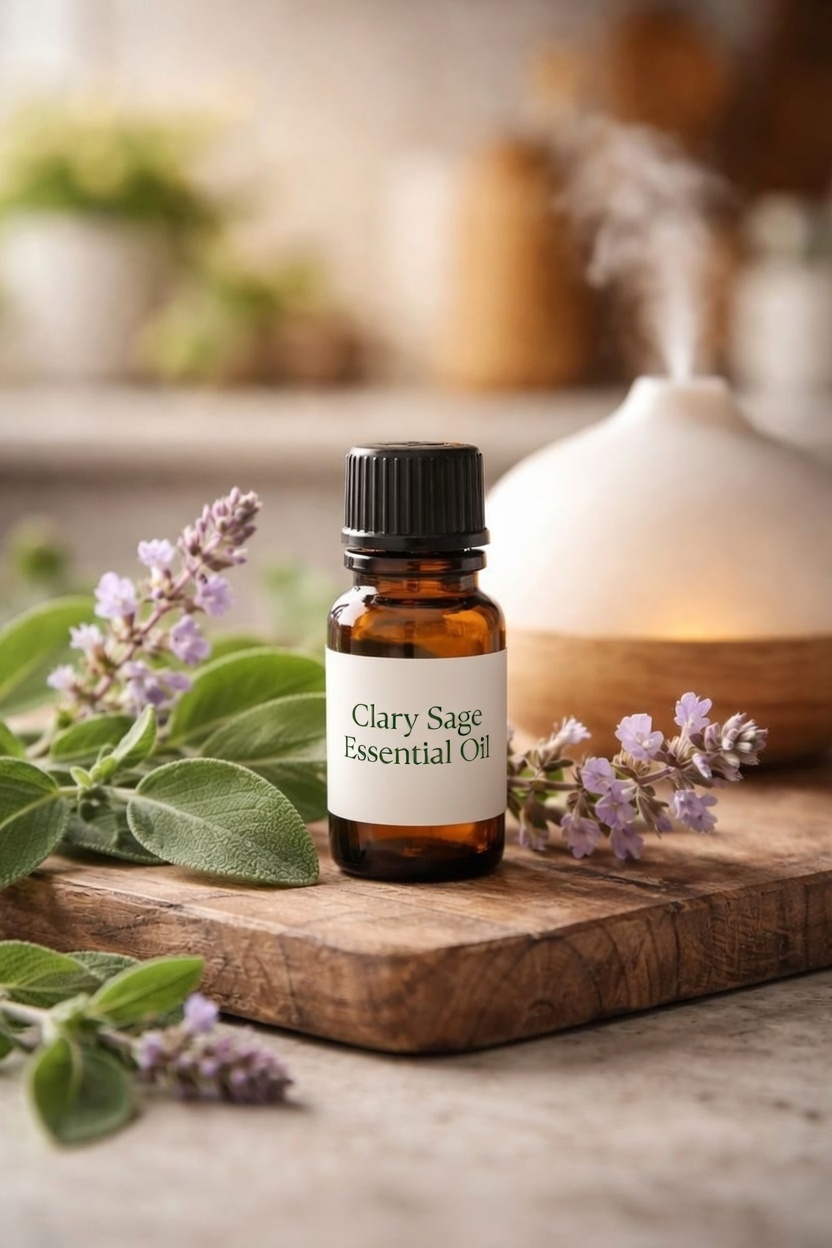
For centuries, clary sage essential oil has occupied a distinctive place in traditional herbal medicine, perfumery, and aromatic practice. Derived from the flowering tops and leaves of Salvia sclarea, this oil has been valued not only for its complex, herbaceous aroma, but also for its long-standing association with emotional balance, clarity, and gentle nervous system support.
Unlike sharper or more stimulating essential oils, clary sage has historically been linked with easing transitions—both physical and emotional. From medieval European monasteries to modern aromatherapy studios, it has remained relevant because it speaks to a perennial human need: steadiness in times of change.
In a wellness culture often driven by intensity and immediacy, clary sage stands apart as an oil appreciated for depth rather than force—an aromatic ally traditionally associated with reflection, equilibrium, and quiet restoration.
What Is Clary Sage Essential Oil?
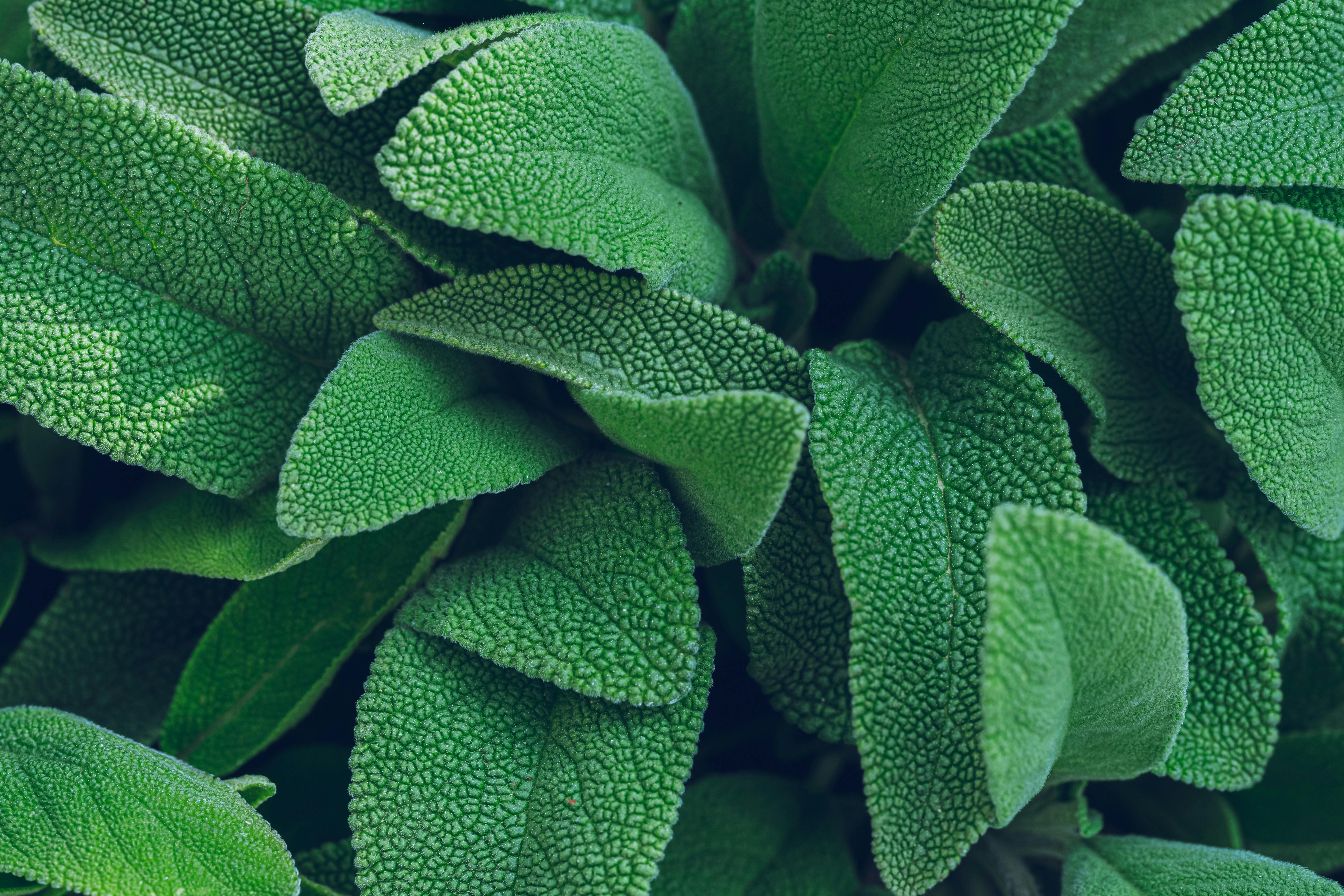
Clary sage essential oil is extracted from Salvia sclarea, a biennial or short-lived perennial herb belonging to the mint family (Lamiaceae). The plant is distinguished by large, softly textured leaves and pale violet-blue flowers, both of which contain aromatic compounds concentrated in glandular structures.
Botanical and Geographic Origins
- Latin name: Salvia sclarea
- Plant family: Lamiaceae
- Native regions: Southern Europe and the Mediterranean basin
- Modern cultivation: France, Russia, Bulgaria, and parts of Central Asia
Historically, clary sage was used throughout Europe in herbal infusions, topical preparations, and aromatic wines. Its name is believed to derive from the Latin clarus, meaning “clear,” reflecting its traditional association with clarity of perception and the soothing of mental or emotional overstimulation.
Higher-quality oils are often associated with French and Russian cultivation, where climate, soil composition, and distillation practices influence the balance of aromatic compounds. Commonly used synonyms include Salvia sclarea oil, clary sage aromatherapy oil, and herbal sage essential oil.
How Is Clary Sage Essential Oil Extracted?
Harvesting the Raw Material
Clary sage thrives in temperate climates with ample sunlight and well-drained soil. The plant typically reaches peak aromatic potency in its second year, during full flowering.
- Harvest timing: During peak bloom
- Plant parts used: Flowering tops and leaves
- Sustainability notes: Ethical producers harvest selectively to support reseeding and long-term soil health
Responsible cultivation is important, as excessive harvesting can reduce both oil yield and future plant viability.
Distillation Process
Clary sage essential oil is produced through steam distillation, a method that preserves volatile aromatic compounds without the use of chemical solvents.
General process overview:
- Fresh or partially dried plant material is placed in a distillation chamber
- Steam passes through the biomass, releasing aromatic molecules from glandular trichomes
- The vapor cools and condenses into liquid
- Essential oil naturally separates from the hydrosol
Distillation parameters—particularly temperature, pressure, and duration—play a significant role in the oil’s final aroma and chemical balance. Slower, lower-temperature distillation is often associated with improved preservation of delicate compounds.
Chemical Composition of Clary Sage Essential Oil
Clary sage essential oil is chemically complex, contributing to both its sensory profile and its traditional uses.
Key Compounds
- Linalyl acetate (≈27–48%) – associated with calming, balancing aromatic properties
- Linalool – widely studied for its soothing and relaxing effects
- Sclareol (≈1–7%) – a diterpene largely unique to clary sage, studied for its interaction with estrogen receptors
- Geraniol (trace amounts) – contributes subtle floral nuances
Sclareol has drawn particular interest due to its selective estrogen receptor modulation, meaning it may interact with estrogen pathways in a context-dependent manner rather than acting as a direct hormonal stimulant. This characteristic helps explain clary sage’s historical association with women’s health, though research remains ongoing.
Most studies examine isolated compounds in laboratory or animal models, and outcomes in humans may vary.
Potential Health and Wellness Benefits
Traditionally Recognized UsesWhat Modern Research Is Exploring
In European herbal traditions, clary sage was commonly associated with:
- Supporting emotional equilibrium
- Easing tension and restlessness
- Encouraging relaxation during periods of stress
- Supporting women through various life transitions
It was also valued in ceremonial and domestic contexts for its grounding aromatic presence.
Contemporary research continues to examine clary sage oil for its:
- Interaction with stress-related biochemical pathways
- Aromatic influence on mood and emotional regulation
- Antioxidant activity in laboratory settings
- Potential relevance in hormone-related processes
These areas of study are ongoing. Existing findings are based largely on laboratory, animal, and limited human studies, and essential oils should not be viewed as substitutes for medical care.
Can Clary Sage Essential Oil Support Brain and Nervous System Health?
Clary sage is frequently discussed in aromatherapy literature in relation to nervous system balance, particularly in contexts involving mental fatigue or emotional strain.
Some clinical and observational studies suggest that inhalation of clary sage aroma may influence stress-related biomarkers and mood-associated pathways. Research has explored changes in cortisol levels and neurotransmitter activity following aromatic exposure, with linalyl acetate and linalool often cited as compounds of interest.
Areas of ongoing investigation include:
- Oxidative stress: Antioxidant behavior in laboratory models
- Emotional regulation: Aromatic influence on stress-response systems
- Neurochemical pathways: Preliminary exploration of serotonin and GABA-related mechanisms
These findings remain preliminary and should be interpreted with caution. Consultation with a qualified healthcare professional is advised before therapeutic use.

Hormonal Balance and Women’s Health Applications
Clary sage’s historical association with women’s health is linked both to traditional use and to modern interest in sclareol’s biochemical properties. Aromatherapists have traditionally used clary sage during menstrual or menopausal transitions, though clinical evidence in humans remains limited and emerging.
Important Considerations
- Avoid use during pregnancy or nursing unless advised by a healthcare professional
- Use caution with hormone-dependent conditions or treatments
- Consult a professional if managing endocrine or metabolic conditions
How to Use Clary Sage Essential Oil Safely
Aromatherapy
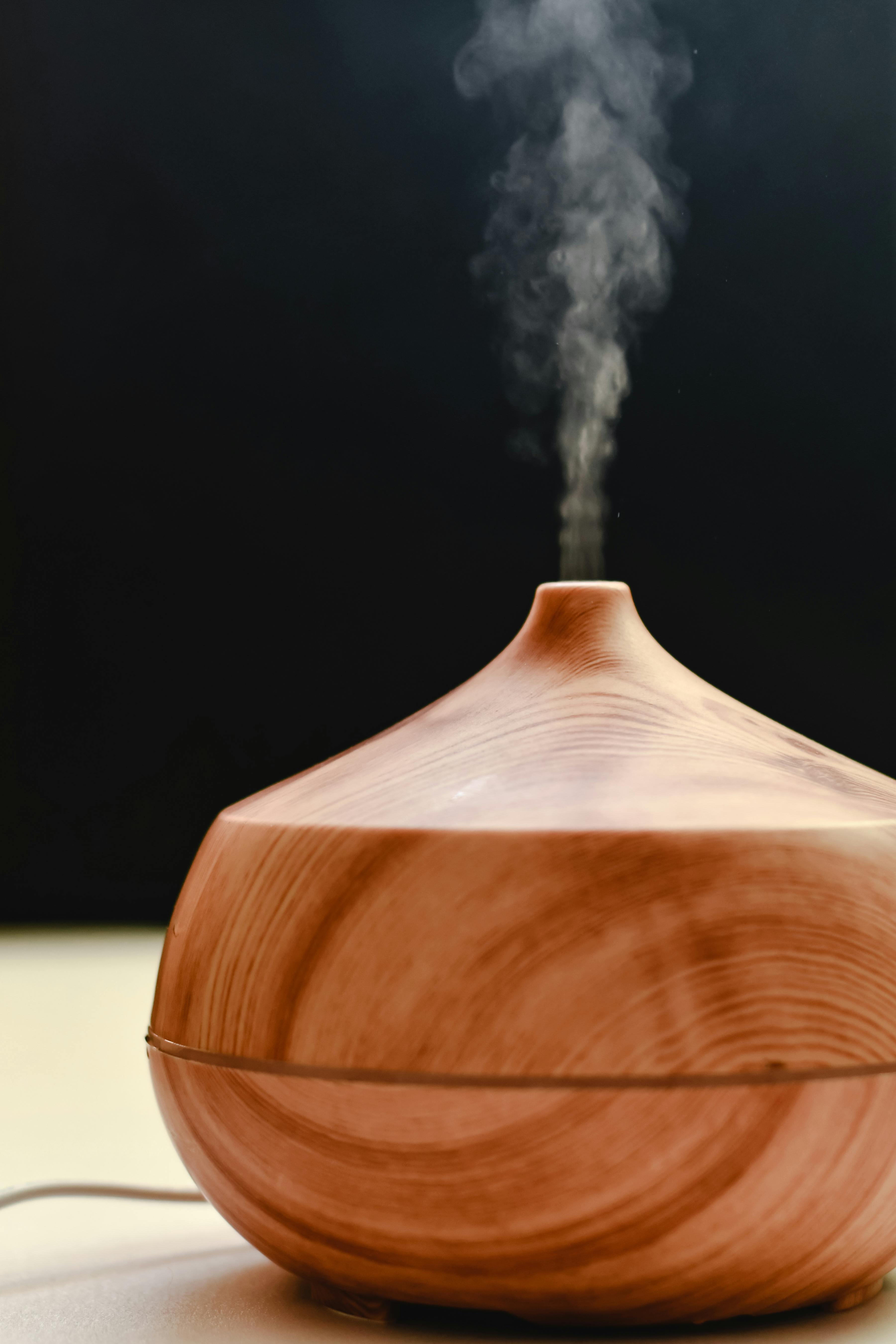
- Diffuse 3–5 drops per session
- Commonly used during evening or reflective routines
- Typical duration: 30–60 minutes
Topical Application
- Dilute to 1–2% in a carrier oil
- Apply to pulse points, shoulders, or abdomen
Bath & Massage
- Always pre-dilute in a carrier oil before adding to water
- Typical use: 5–8 drops per bath
Safety Guidelines
- Always dilute before skin application
- Perform a patch test
- Avoid use with alcohol due to potential sedative interaction
- Avoid operating machinery if drowsiness occurs
- Keep away from young children and pets
These guidelines align with established aromatherapy safety standards.
What Does Clary Sage Essential Oil Smell Like?
Clary sage has a warm, herbaceous aroma with subtle sweetness and floral undertones.
- Top notes: Soft green and herbal
- Heart notes: Floral, musky, tea-like
- Emotional association: Calm, grounding, reflective
As the oil settles, warmer base notes often emerge, contributing to its reputation as a centering and contemplative scent.
Oils That Blend Well With Clary Sage Essential Oil
Clary sage blends well with oils that complement its warmth and softness:
- For emotional grounding: Frankincense,
- For softness and reassurance: Lavender, geranium
- For warmth and emotional release: Bergamot, ylang ylang
These blends are often chosen for emotional balance and aromatic depth rather than stimulation.
Why Is Clary Sage Known as “The Oil of Clarity”?
Clary sage earned this title through a convergence of tradition and observation:
- Associations with clear perception in European herbal lore
- Use in aromatic wines and monastic settings
- Symbolic ties to discernment, balance, and calm insight
Modern research into its dominant aromatic compounds offers possible explanations for these historical associations, particularly in relation to nervous system relaxation and emotional steadiness. The title reflects not a singular effect, but a long-standing narrative shaped by centuries of use.

Final Thoughts
Clary sage essential oil occupies a quiet but enduring place at the intersection of tradition and modern inquiry. Its value lies not in dramatic claims, but in consistency—both in historical use and in contemporary aromatic practice.
Rather than offering quick solutions, clary sage represents a slower, more reflective approach to wellness. In a world shaped by speed and stimulation, it continues to be valued for something increasingly rare: an invitation to pause, settle, and rediscover clarity through calm.
If you want tips on natural wellness, you can get them straight to your inbox.

Enter your email below and I’ll share new articles, reflections, and practical insights as they’re published.
Side Thoughts
Thanks for visiting here. If you'd like to stay in touch with our regular updates, then we'd love you to subscribe to our Detox-For-Life Newsletter.
We are a participant in the Amazon Services LLC Associates Program, an affiliate advertising program designed to provide a means for us to earn fees by linking to Amazon.com and affiliated sites.
NEWSLETTER
New pages, fresh perspectives, and practical detox-for-life insights are shared first with newsletter readers.
Recent Articles


-
Fennel Essential Oil: Aromatic and Soothing Oil with Health Benefits
Apr 14, 26 03:36 PM
 Fennel Essential Oil - Learn how this sweet, licorice-like oil supports digestion and everyday wellness.
 -
Beyond Curry: Turmeric Essential Oil - Benefits, Uses & Safety Guide
Mar 16, 26 07:19 AM
Explore Turmeric Essential Oil - Spice up your life with this golden oil. From adding a zesty kick to your morning smoothie to giving your skin a radiant glow -
Liver Cleanse Guide: Support Your Liver the Natural Way
Mar 03, 26 01:37 AM
 Discover how a gentle liver cleanse supports detox, digestion, metabolism, clear skin and steady energy using food, herbs and simple daily habits.