- Home
- What Are Essential Oils?
- Grapefruit Essential Oil
Discover Grapefruit Essential Oil
A Comprehensive Guide to Origins, Benefits, and Uses
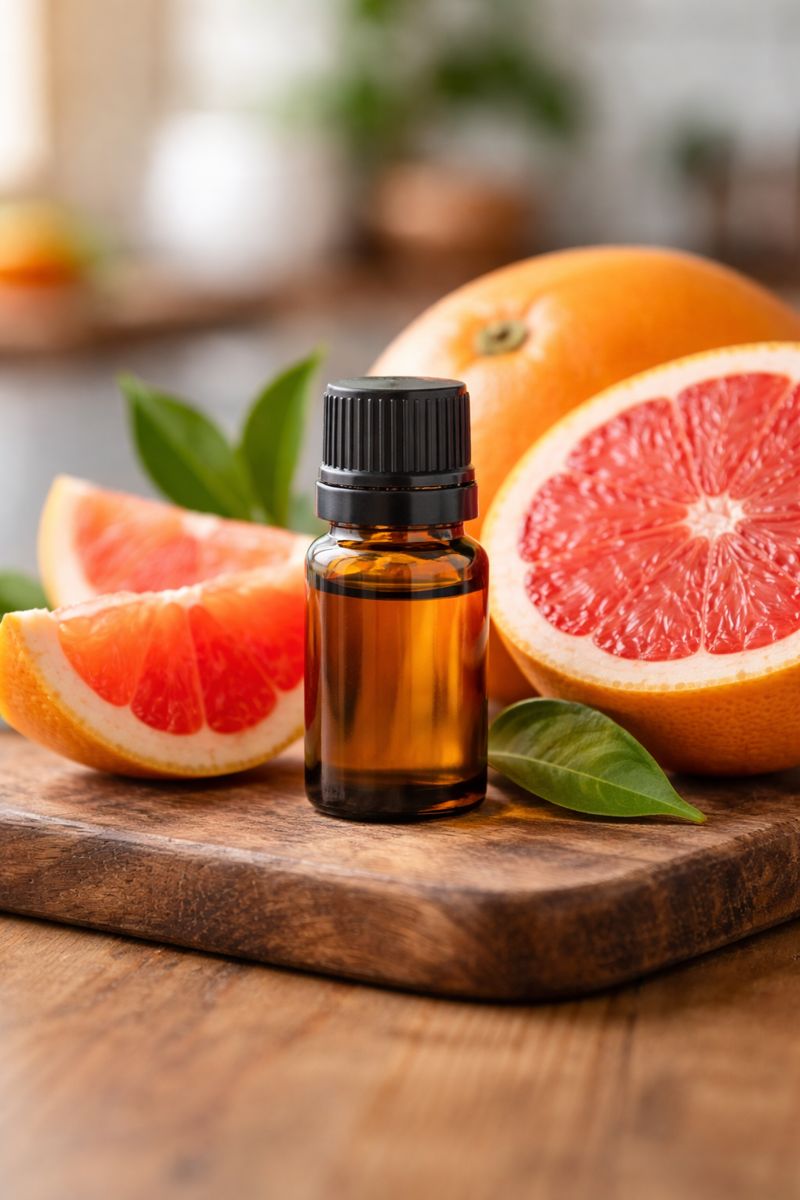
Grapefruit essential oil has occupied a distinctive place in traditional household remedies, perfumery, and modern aromatherapy—even though the grapefruit itself is a relatively recent arrival among cultivated citrus fruits. Pressed from the peel of the grapefruit, this bright, aromatic oil is valued for its fresh scent, naturally high limonene content, and its long-standing association with clarity, vitality, and emotional uplift.
Botanically, grapefruit (Citrus × paradisi) is widely understood to be a natural hybrid, most often described as an accidental cross between sweet orange (Citrus sinensis) and pomelo (Citrus maxima). This hybrid likely arose in the Caribbean, particularly around Barbados, during the 18th century. As citrus cultivation expanded and mechanical processing techniques improved, the oil expressed from grapefruit peel quickly gained recognition for its clean, energizing aroma and practical solvent-like properties. This made it useful not only in aromatherapy and personal care, but also in perfumery, food flavoring, and household cleaning traditions.
Today, grapefruit essential oil continues to resonate because it offers something many people seek in an overstimulated world: lightness without excess. Rather than sedating or aggressively stimulating, it is commonly used to create a sense of freshness, motivation, and emotional balance—qualities that have helped it maintain relevance across both traditional and contemporary wellness practices.
What Is Grapefruit Essential Oil?

Grapefruit essential oil is an aromatic oil obtained primarily from the peel of the grapefruit (Citrus × paradisi). The peel’s outer colored layer, known as the flavedo, contains numerous microscopic oil glands that store volatile aromatic compounds. When the peel is pressed or abraded, these glands rupture, releasing the fragrant oil.
Unlike steam-distilled oils derived from leaves, roots, or flowers, grapefruit essential oil is typically classified as a cold-pressed citrus oil. This means it is produced through mechanical expression rather than high-heat distillation. As a result, the oil retains many of the volatile compounds present in the fresh peel, giving it an aroma that closely resembles the experience of cutting or zesting a ripe grapefruit.
Traditionally, grapefruit oil has been used in a variety of household and cultural contexts, including:
- Freshening indoor spaces, linens, and surfaces
- Supporting digestion and weight management
- Flavoring foods and beverages in very small quantities where permitted
- Encouraging emotional uplift and perceived mental clarity through inhalation
Over time, it became especially associated with morning routines, cleansing practices, and seasonal transitions—moments when people sought renewal rather than deep sedation or intense stimulation.
How Is Grapefruit Essential Oil Extracted?
Harvesting the Raw Material
Grapefruits used for essential oil production are typically harvested when fully ripe, as oil yield and aromatic quality tend to peak at or near maturity. The fruit is commonly sourced from warm, subtropical regions such as:
- The United States (Florida, Texas, California)
- South Africa
- Israel
- Brazil
Because citrus oils are derived directly from the peel, growing conditions, agricultural practices, and post-harvest handling have a significant influence on oil quality. Pesticide residues, for example, can concentrate in the peel and therefore in the expressed oil. For this reason, many reputable producers prioritize careful sourcing, thorough washing, and increasingly, organic or integrated pest management practices.
Cold-Pressing (Expression) Process
Grapefruit essential oil is produced through cold-pressing, also known as expression. This method avoids added heat and chemical solvents, helping preserve delicate aromatic compounds and naturally occurring waxes.
The process typically involves:
- Peel separation – The rind is separated from the pulp, or processed as part of whole-fruit systems depending on equipment
- Mechanical pressing or abrasion – Rolling or pressing ruptures the oil glands within the peel
- Oil collection – The resulting mixture of oil, juice, and water is collected
- Centrifugation and filtration – The essential oil is separated and filtered to remove solids
- Bottling and storage – The oil is stored in dark, airtight containers to slow oxidation
This method matters because heat and prolonged exposure to air can degrade citrus terpenes—particularly limonene—leading to oxidation products that may dull the aroma and increase the risk of skin sensitivity. Fresh, well-stored cold-pressed oils retain a vibrant scent closer to the original fruit, while oxidized oils often smell flat, resinous, or stale.
Chemical Compounds In Grapefruit Essential Oil

Grapefruit essential oil is dominated by volatile aromatic compounds known as monoterpenes, which largely define its scent and general functional character. Analyses of commercial peel oils commonly show:
- Limonene – Typically around 90–96%, responsible for the bright citrus aroma
- Myrcene – Often 1–2.5%, contributing subtle herbal and fruity depth
- α-Pinene and related monoterpenes – Present in smaller amounts, associated with freshness
- Aldehydes (such as octanal and decanal) – Add sharp, clean “peel” notes
- Minor oxygenated compounds (linalool, citronellal, terpineol, esters) – Present in trace to low amounts, adding softness and nuance
- Nootkatone – Usually around 0.1–1%, contributing the characteristic grapefruit note and attracting research interest
Rather than acting in isolation, these compounds work together to create the oil’s overall aroma and character. Research into individual constituents such as limonene and nootkatone is ongoing, and effects observed in laboratory or animal studies do not automatically translate to comparable outcomes when humans use the whole oil aromatically or topically.
Potential Health and Wellness Benefits of Grapefruit Essential Oil
Traditionally Recognized Uses
Historically and culturally, grapefruit essential oil and grapefruit peel preparations have been used to:
- Freshen air, fabrics, and household spaces
- Create a sense of lightness after meals through its bright scent
- Encourage alertness, motivation, and a “fresh start” feeling
- Enhance atmosphere during periods of fatigue or low energy
These uses are rooted primarily in sensory experience, habit, and tradition rather than robust clinical evidence. For many people, the value lies in the ritual itself—morning diffusion, citrus-scented cleaning, or a lightly scented bath—rather than in a direct physiological effect.
What Modern Research Is Exploring
Contemporary research interest in grapefruit essential oil focuses mainly on its aromatic and biochemical properties, including:
- Oxidative stress – Limonene and related compounds show antioxidant activity in laboratory settings and could benefit immune support
- Inflammatory pathways – Some constituents influence inflammatory markers in preclinical studies
- Metabolic signaling – Nootkatone has drawn attention for its role in laboratory studies on energy metabolism
- Insect control - Nootkatone is a grapefruit-derived compound that has received EPA registration for use in repellent products
- Digestive support - some users report relief used digestive tonic for bloating, water retention, and to stimulate the lymphatic system. Expereinces vary and should be taken as anecdotal. It is best used via diluted abdominal massage or diffusion.
These findings come largely from in-vitro and animal research. Human responses vary, and grapefruit essential oil should not be regarded as a medical treatment or a stand-alone strategy for weight loss or metabolic health.
How Does Grapefruit Essential Oil Support Digestion and Weight Managment

Grapefruit essential oil has traditionally been used in digestive-support routines, largely for its bright aroma and naturally occurring compounds such as limonene. Rather than acting as a direct treatment, it is most often used as a complementary tool to support comfort and digestive awareness. Its scent and topical application are commonly associated with feelings of lightness after meals and general digestive ease.
Digestive Stimulation (Aromatic Use):
The aroma of grapefruit essential oil is thought to engage sensory pathways linked to digestive readiness. Some sources suggest that citrus aromas may influence vagal nerve activity involved in digestive secretions, though this remains an area of ongoing research.
Liver and Cleansing Support:
Grapefruit oil is often included in wellness practices aimed at supporting the body’s natural detoxification processes. Its limonene content has been studied in laboratory settings for its role in liver enzyme activity and supporting the liver.
Bloating and Digestive Discomfort:
When properly diluted and applied topically, grapefruit essential oil is commonly used in massage blends intended to promote abdominal comfort and reduce the sensation of fullness or sluggishness after eating.
Fat Metabolism (Emerging Research):
Certain compounds found in grapefruit oil, including limonene and nootkatone, have been examined in preliminary research for their involvement in metabolic pathways. These findings are still exploratory. However, some users have reported that use of grapefruit essential oil was supportive in their weight management efforts.
Appetite Awareness:
Some small studies suggest that inhaling grapefruit aroma may influence appetite perception or cravings in certain individuals. These effects are subtle and highly individual. This article provides further reading on natural appetite management tools.
Suggested Methods of Use
Dilute grapefruit essential oil in a carrier oil such as jojoba or coconut oil (typically 1–2%) and gently massage over the abdomen as part of a mindful self-care routine.
Diffuse a few drops in an essential oil diffuser to enjoy the fresh citrus aroma, particularly before or after meals.
It is important to note that grapefruit essential oil should not be used as a substitute for seeking medical advice. Rather, it can be used as a complementary tool to support weight loss efforts. Additionally, grapefruit essential oil should be used with caution and under the guidance of a healthcare professional, particularly if you have any underlying health conditions or are taking medications that may interact with the oil.
What are the best ways to use Grapefruit Essential Oil?

Grapefruit essential oil can be used in a variety of ways, including:
- Aromatherapy: Add a few drops of grapefruit essential oil to a diffuser to enjoy its refreshing aroma and therapeutic benefits.
- Topical Application: Mix a few drops of grapefruit essential oil with a carrier oil such as coconut or jojoba oil and apply it to the skin. This is an effective way to promote healthy skin and reduce the appearance of cellulite. Always perform a patch test before wider application. Avoid undiluted use on skin.
- Internal Use (with caution): Food grade Grapefruit essential oil can be ingested in small quantities. Add a drop to a glass of water or a smoothie for a refreshing and healthy drink.
In conclusion, grapefruit essential oil is a versatile and powerful oil that offers a range of health benefits. It is important to use the oil safely and according to instructions to avoid any adverse effects. Always consult with a healthcare professional before using grapefruit essential oil, especially if you have any underlying medical conditions.
Culinary use of Grapefruit Oil
Grapefruit essential oil can be used as a flavoring agent in a variety of culinary applications. Here are some of the culinary uses of food grade grapefruit essential oil:
- Beverages: Add a drop of grapefruit essential oil to sparkling water or lemonade to create a refreshing and tangy drink.
- Salad dressings: Add a few drops of grapefruit essential oil to your favorite vinaigrette or citrus-based salad dressing for a bright and zesty flavor.
- Desserts: Add a drop or two of grapefruit essential oil to desserts such as sorbets, ice creams, or fruit salads to add a refreshing citrus flavor.
- Smoothies: Add a drop or two of grapefruit essential oil to your favorite smoothie recipe for a tangy and energizing boost.
- Marinades: Add a drop or two of grapefruit essential oil to a marinade for chicken, fish, or tofu for a tangy and flavorful dish.
Very Important: When using grapefruit essential oil in cooking, it is important to use a high-quality, food grade oil that is safe for consumption. Only a small amount of oil is needed to add flavor, and it should be added gradually to avoid overpowering the dish. Additionally, it is important to store the oil properly in a cool, dark place away from heat and sunlight to maintain its quality and freshness.
Can Grapefruit Essential Oil Support Brain and Nervous System Health?
Grapefruit essential oil is most often associated with emotional and cognitive effects through aromatherapy, rather than through direct neurological action. Like other citrus oils, it is commonly used in contexts where environment, expectation, and sensory association play an important role.
Aromatic use may subjectively support:
- Emotional regulation during short-term stress
- A sense of mental clarity and alertness, especially in daytime settings
- Reduced perception of fatigue when compared with heavier aromas
Some small studies on citrus aromas suggest inhalation may influence mood and physiological markers via olfactory–limbic pathways, but this research remains preliminary and context-dependent.
Important: Always consult a qualified healthcare professional before using essential oils for therapeutic purposes, especially if you have medical conditions or take prescription medications.
What does Grapefruit Essential Oil smell like?

The smell of grapefruit essential oil is fresh, citrusy, and uplifting. It has a distinctively tangy, sweet, and slightly bitter aroma that is reminiscent of the fruit itself. The scent of grapefruit essential oil is often described as being bright, cheerful, and energizing, and it can help to promote feelings of happiness and well-being. It is a popular ingredient in many natural perfumes and can be used in aromatherapy to uplift the mood and boost mental clarity. Overall, the smell of grapefruit essential oil is refreshing, invigorating, and delightful to the senses.
What other essential oils does Grapefruit Essential Oil blend well with?
Grapefruit essential oil blends well with a variety of other essential oils, including:
- Lemon Essential Oil: Both grapefruit and lemon essential oils have a citrusy scent and can be used together to create a refreshing and uplifting aroma.
- Peppermint Essential Oil: has a cooling effect on the skin and can be mixed with grapefruit oil to create a refreshing and energizing blend.
- Lavender Essential Oil: has a soothing effect on the mind and body and can be blended with grapefruit oil to create a relaxing and soothing aroma.
- Rosemary Essential Oil: has a stimulating effect on the mind and can be mixed with grapefruit oil to create a revitalizing blend.
- Bergamot Essential Oil: has a citrusy and floral scent and can be blended with grapefruit oil to create a refreshing and mood-supporting aroma.
When blending essential oils, it is important to use high-quality oils and dilute them properly before use. It is also important to consider any potential interactions between oils and any underlying health conditions before use. It is recommended to consult with a healthcare professional or certified aromatherapist before creating blends with essential oils.
A Few Last Notes
Grapefruit essential oil remains a bridge between traditional aromatic practice and modern wellness culture. Valued for its clarity, brightness, and sensory impact, it is valuable as a supportive companion to mindful daily routines.
While research into its chemistry continues, grapefruit essential oil is best used as a sensory and lifestyle oil—one that complements healthy habits. Used thoughtfully and with appropriate precautions, it offers a simple way to bring freshness and lightness into everyday life.
If you want tips on natural wellness, you can get them straight to your inbox.

Enter your email below and I’ll share new articles, reflections, and practical insights as they’re published.
Side Thoughts
Thanks for visiting here. If you'd like to stay in touch with our regular updates, then we'd love you to subscribe to our Detox-For-Life Newsletter.
We are a participant in the Amazon Services LLC Associates Program, an affiliate advertising program designed to provide a means for us to earn fees by linking to Amazon.com and affiliated sites.
NEWSLETTER
New pages, fresh perspectives, and practical detox-for-life insights are shared first with newsletter readers.
Recent Articles


-
Fennel Essential Oil: Aromatic and Soothing Oil with Health Benefits
Apr 14, 26 03:36 PM
 Fennel Essential Oil - Learn how this sweet, licorice-like oil supports digestion and everyday wellness.
 -
Beyond Curry: Turmeric Essential Oil - Benefits, Uses & Safety Guide
Mar 16, 26 07:19 AM
Explore Turmeric Essential Oil - Spice up your life with this golden oil. From adding a zesty kick to your morning smoothie to giving your skin a radiant glow -
Liver Cleanse Guide: Support Your Liver the Natural Way
Mar 03, 26 01:37 AM
 Discover how a gentle liver cleanse supports detox, digestion, metabolism, clear skin and steady energy using food, herbs and simple daily habits.