Saffron for Mood Benefits:
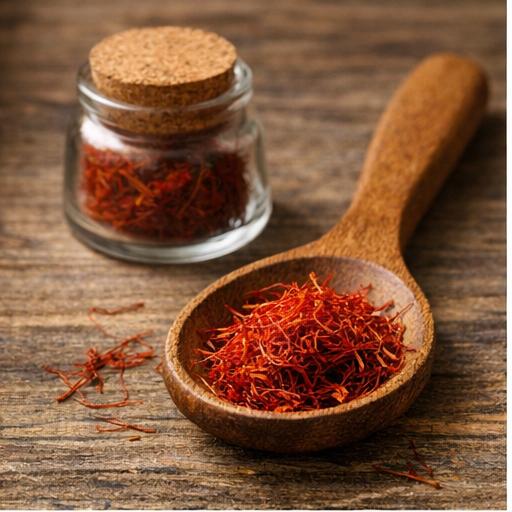 Saffron for mood benefits has been studied for its ability to support serotonin activity and improve emotional resilience.
A Natural, Science-Backed Ally for Emotional Balance
I've been reading a lot on social media about Saffron for mood benefits. When mood feels heavy, motivation disappears, or emotional resilience starts to thin, the search for gentle, effective support becomes deeply personal. This is where saffron for mood is gaining remarkable attention — not only from traditional herbal wisdom, but from modern clinical research.
Once known simply as the world’s most precious spice, saffron is now recognised as one of the most promising natural options for supporting:
- low mood
- emotional overwhelm
- stress fatigue
- perimenopausal mood changes
Its effect is not numbing or sedating. Instead, saffron works in harmony with the nervous system, helping the body rediscover steadiness, clarity, and a more positive emotional baseline.
Why saffron is being studied for mood
Mood is shaped by a complex interaction between brain chemistry, hormones, inflammation, stress load, and sleep quality. Saffron is unique because it influences several of these systems at the same time.
Clinical research shows that saffron can help:
- support healthy serotonin activity
- improve stress resilience
- reduce anxious feelings
- enhance emotional stability
- promote better sleep
For those experiencing the wired-but-tired state of modern life — or the emotional shifts of perimenopause — this multi-pathway support is exactly what makes it so valuable.
The active compounds that affect brain chemistry
The mood-supportive power of saffron comes from its key constituents:
Crocin - Supports serotonin balance and helps protect brain cells from oxidative stress.
Safranal - Associated with calm, emotionally steadying effects and improved sleep quality.
Crocetin - Enhances circulation and oxygen delivery to brain tissue, supporting mental clarity and resilience.
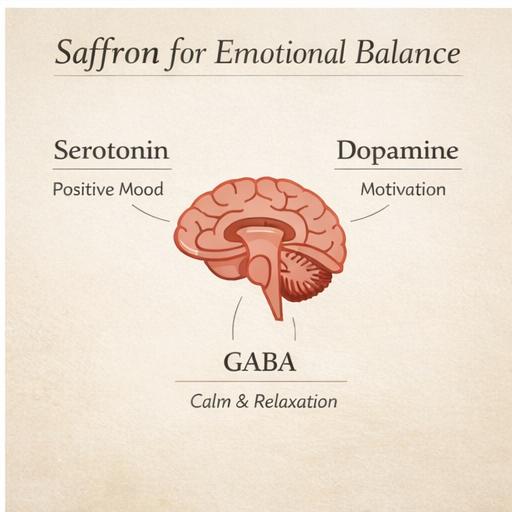
Together, these compounds help regulate neurotransmitters such as:
- serotonin (emotional stability)
- dopamine (motivation and pleasure)
- GABA (calm and relaxation)
This explains why saffron often helps people feel:
- more emotionally grounded
- less reactive to stress
- quietly more optimistic
What the research says about depression and anxiety

Multiple clinical trials using standardised saffron extract (typically 28–30 mg per day) show significant improvements in people with mild to moderate low mood.
Participants consistently report:
- improved outlook
- reduced rumination
- better stress tolerance
- enhanced overall wellbeing
In several studies, saffron performed comparably to conventional antidepressants for mild to moderate depression — but with far fewer unwanted side effects.
This makes saffron one of the most evidence-supported herbal options currently available for mood.
Saffron vs conventional antidepressants
Saffron does not work in the same way as pharmaceutical antidepressants. Rather than forcing a single neurotransmitter pathway, it:
- modulates multiple mood-related systems
- reduces inflammation in the nervous system
- helps regulate the stress response
This often translates into a different experience: Instead of feeling emotionally flattened, many people report:
- feeling more like themselves
- having greater emotional range
- coping better with daily pressures
It is not a replacement for medical care when that is needed — but it is a powerful option for those seeking a natural, integrative approach to emotional wellbeing.
How saffron supports stress resilience and sleep
Chronic stress keeps the body in a constant state of alert. Over time this can lead to:
- emotional exhaustion
- anxiety
- poor sleep
- low motivation
Saffron helps regulate the HPA axis, the system that controls our stress hormone response. This can result in:
- feeling calmer without sedation
- falling asleep more easily
- waking with improved emotional capacity
For the overwhelmed nervous system, this is where saffron’s effects can feel profoundly restorative.
Why saffron is especially supportive during perimenopause
Perimenopause is not only a hormonal transition — it is a neurological one. Fluctuating oestrogen levels directly affect:
- serotonin activity
- stress tolerance
- sleep quality
- emotional stability
This is why many women experience:
- unexpected low mood
- anxiety or irritability
- loss of confidence
- emotional sensitivity
Saffron’s ability to support serotonin, reduce inflammation, and calm the stress response makes it particularly well suited to this stage of life.
It offers support without disrupting the body’s natural hormonal adaptation.
How long it takes to work?
Saffron is not a quick stimulant. Its effects build in a way that mirrors true healing. Most people notice:
After 2 weeks
Subtle shifts in sleep, stress response, or emotional steadiness
After 4 weeks
A clearer change in mood and resilience
After 6–8 weeks
Full supportive effect
This gradual progression reflects its role in restoring balance rather than masking symptoms.
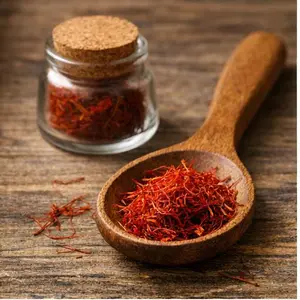
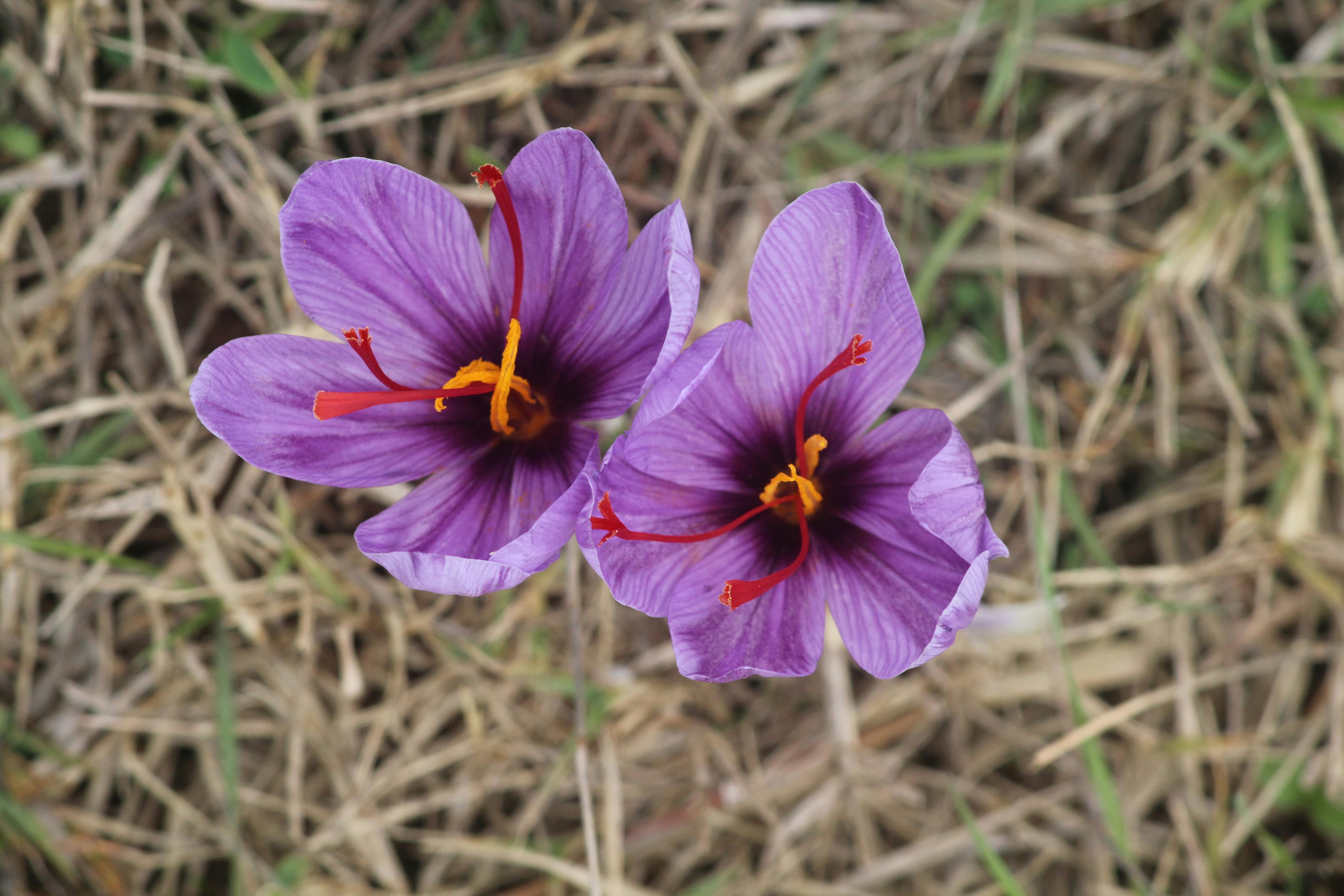 Saffron is a spice derived from the flower of Crocus Sativus
Best forms of saffron for mood benefits
Standardised saffron extract (capsules or tablets)
This is the form used in clinical studies and provides consistent therapeutic dosing. Best for:
- targeted mood support
- measurable results
Saffron tea or saffron milk
A traditional and deeply nurturing option.
To prepare:
- Soak a few threads in warm water or milk for 10–15 minutes
- Drink slowly, ideally in a calm moment
This form is perfect for:
- daily emotional support
- evening nervous system care
- creating a grounding ritual
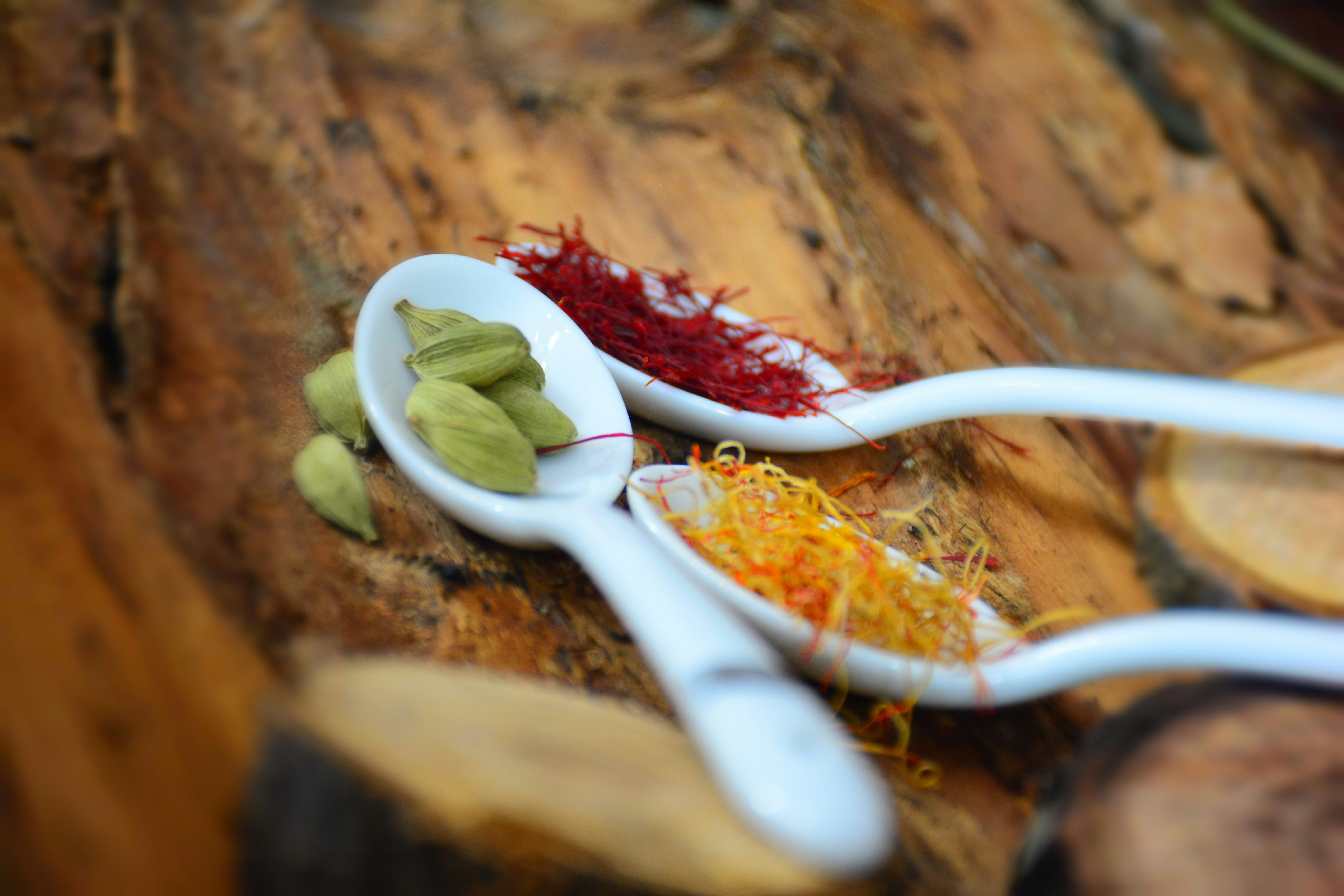
Saffron in food
While culinary amounts are smaller, regular use contributes to long-term nervous system nourishment and emotional warmth.
Dosage used in research
The most common researched dosage for mood support is:
- 28–30 mg per day of a standardised saffron extract
- Usually divided into two doses.
Consistency is far more important than high amounts.
How to use saffron daily for emotional balance
Saffron becomes most powerful when it is part of a rhythm. You might:
- begin the morning with a capsule and a moment of intention
- add saffron threads to an evening wind-down drink
- pair it with journaling or quiet breathing
These small daily acts signal safety to the nervous system — and this is where mood begins to shift.
What to combine with saffron for mood benefits and deeper support
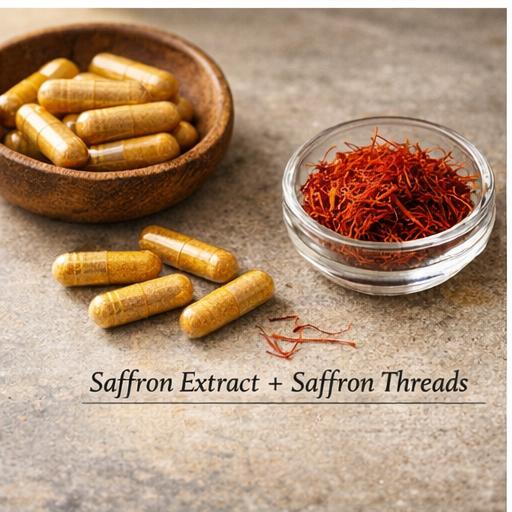 Saffron capsules alongside dried saffron threads, offering a science-backed natural approach to support mood, emotional balance, and stress resilience.
For overwhelm and stress fatigue
- Magnesium
- Ashwagandha
- Holy basil
For perimenopausal mood balance
- Evening primrose oil
- Vitamin B6
- Omega-3 fatty acids
For mental clarity and motivation
- Rhodiola
- Bacopa
Safety and precautions
Saffron is generally very well tolerated at researched doses. Use caution:
- during pregnancy
- if taking antidepressants
- if on blood-thinning medication
Always introduce consistently and mindfully.
In closing: the emotional intelligence of saffron
Saffron does not force brightness. It does not override your emotional landscape. Instead, it supports the return of:
- steadiness
- resilience
- the ability to feel without becoming overwhelmed
For those moving through low mood, chronic stress, or the emotional waves of perimenopause, saffron offers something rare - A natural, research-supported way to feel more like yourself again. Not a different version of you. Just a more supported one.
Related Articles for Mood Support
- Evening Primrose Oil for Menopause – Discover how Evening Primrose Oil can support hormonal balance and ease mood swings during menopause.
- How to Raise Serotonin – Learn practical, natural ways to gently boost serotonin and enhance emotional wellbeing.
- Wild Orange Essential Oil – Explore the uplifting benefits of Wild Orange Essential Oil for mood, energy, and stress relief.
- Herbal Tea Remedies – Find calming and mood-supporting herbal teas to create daily rituals that nurture emotional balance.
If you want tips on natural wellness, you can get them straight to your inbox.
Enter your email below and I’ll share new articles, reflections, and practical insights as they’re published.
Side Thoughts
Thanks for visiting here. If you'd like to stay in touch with our regular updates, then we'd love you to subscribe to our Detox-For-Life Newsletter.
We are a participant in the Amazon Services LLC Associates Program, an affiliate advertising program designed to provide a means for us to earn fees by linking to Amazon.com and affiliated sites.
NEWSLETTER
New pages, fresh perspectives, and practical detox-for-life insights are shared first with newsletter readers.
Recent Articles


-
How To Increase Serotonin
Feb 22, 26 10:34 AM
 How to increase serotonin naturally: mood-boosting foods, gut health, sunlight, exercise, sleep, supplements & essential oils for emotional balance.
 -
Herbal Tea Remedies Provide Natural Health Benefits
Feb 22, 26 04:47 AM
 Herbal tea remedies - known for healing and soothing benefits. Traditionally used for health benefits by detoxing the body, cleansing the colon, and calming.
 -
Explore Saffron for Mood Benefits
Feb 22, 26 04:39 AM
 Saffron for mood benefits is a science-backed natural support for emotional balance, stress, PMS and low mood. Learn benefits, dosage and how to use it daily.