Marjoram Essential Oil
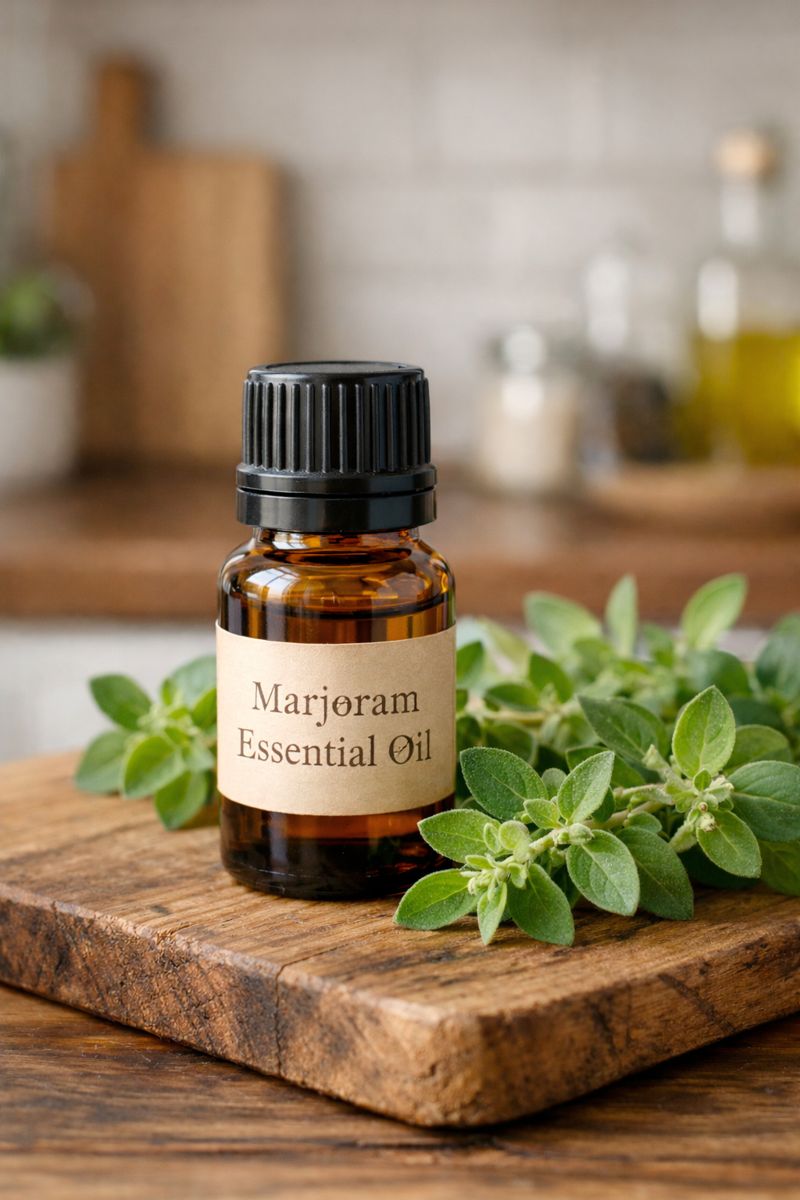
A Comprehensive Guide to Origins, Benefits, and Uses
For centuries, marjoram essential oil has occupied a quiet yet respected place in traditional medicine, culinary culture, and aromatic practice. Distilled from a tender, fragrant herb long associated with warmth and comfort, marjoram has been valued not for intensity, but for its calming, harmonising character. Where oils such as peppermint, rosemary, or eucalyptus are commonly chosen for stimulation and mental clarity, marjoram aligns more closely with gentler allies like lavender and Roman chamomile—favoured when the aim is unwinding rather than acceleration.
In an era that often prizes bold, fast-acting remedies, marjoram essential oil represents a different philosophy of wellness: one rooted in balance, gentleness, and steady support. Its use stretches from ancient Mediterranean households to contemporary aromatherapy spaces, where it continues to be appreciated for its soft herbal aroma and its association with relaxation, emotional ease, and physical comfort. Although scientific research into essential oils remains an evolving field, both long-standing traditional use and emerging laboratory and animal studies continue to explore why this unassuming herb has retained relevance across centuries and cultures.
What Is Marjoram Essential Oil?
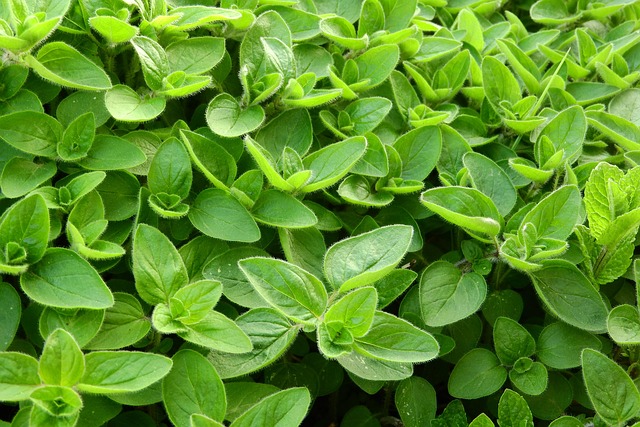
Marjoram essential oil is distilled from the flowering tops and leaves of sweet marjoram (Origanum majorana), a perennial herb belonging to the mint family (Lamiaceae). Native to the eastern Mediterranean and parts of Western Asia, marjoram has been cultivated for thousands of years for both culinary and aromatic purposes. Its essential oil occurs in several subtle chemotypes, which can emphasise compounds such as terpinen-4-ol or linalool and influence both aroma and traditional applications.
In ancient Greek and Roman societies, marjoram was associated with happiness, harmony, and domestic peace. It was commonly woven into wedding garlands and incorporated into oils and balms intended for relaxation and personal care. Within traditional herbal systems, marjoram was frequently linked with calming the nerves, easing muscle tension, and supporting digestive comfort.
Today, marjoram essential oil is used primarily in aromatherapy, topical blends, and massage formulations. It is sometimes confused with oregano oil due to botanical similarities, but sweet marjoram contains far lower levels of pungent phenolic compounds such as carvacrol and thymol. As a result, it is notably milder and more soothing in both aroma and application.
How Is Marjoram Essential Oil Extracted?
Harvesting the Raw Material
Marjoram thrives in warm, sunny climates with well-drained soil. The plant typically reaches optimal oil content just before full flowering, when its aromatic compounds are most concentrated. Under cultivation and research conditions, essential oil yields commonly range from approximately 0.3–1% of the fresh plant weight, depending on cultivar, climate, and harvest timing.
Harvesting usually takes place during the warmer months, with the aerial parts of the plant—leaves and flowering tops—carefully cut to preserve oil quality. Responsible cultivation emphasises sustainable harvesting cycles, allowing plants to regenerate naturally and maintaining long-term soil and ecosystem health.
Distillation Process
Marjoram essential oil is most often produced through steam distillation:
- Fresh or partially dried plant material is placed into a distillation chamber.
- Steam passes through the plant matter, releasing volatile aromatic compounds.
- The steam and oil vapour are cooled and condensed.
- The essential oil separates naturally from the water and is collected.
Distillation parameters play a significant role in shaping the final oil. Excessive heat or rushed processing can degrade delicate compounds or flatten the aroma, while longer distillation runs may increase the proportion of certain oxygenated monoterpenes such as terpinen-4-ol. To maintain consistency, some commercial producers blend multiple batches harvested at different times of the season.
Plant maturity, distillation duration, and post-distillation storage all influence the oil’s final chemical profile and aromatic character.
Chemical Composition of Marjoram Essential Oil
Marjoram essential oil contains a complex mixture of naturally occurring compounds, each contributing to its scent and traditional uses.
Common constituents include:
- Terpinen-4-ol – often a leading component, associated in aromatherapy literature with calming, balancing, and gentle antimicrobial properties.
- Sabinene hydrate (cis and trans isomers) – contributes to the oil’s soft, herbal, slightly camphoraceous aroma and is linked to traditional digestive and muscle-comfort applications.
- Linalool – present in many marjoram chemotypes and more prominent in some regional oils; widely studied in other plants for its soothing and anxiolytic aromatic qualities.
- Gamma-terpinene – adds warmth and subtle spice notes and has been investigated for antioxidant activity in laboratory settings.
Together, these constituents give marjoram oil its reputation as a gentle, comforting aroma traditionally associated with relaxation, emotional balance, and physical ease. Rather than stimulating, marjoram is often described as grounding and harmonising. Because growing conditions and processing methods vary, different batches may emphasise slightly different aromatic nuances and potential biological activities.
Potential Health and Wellness Benefits
Traditionally Recognised Uses
Across traditional herbal systems, marjoram has been used to support:
- Relaxation and restful sleep (see best essential oils for sleep)
- Muscle and joint comfort
- Digestive ease
- Emotional balance during periods of stress
In many cultures, marjoram-infused oils were applied through massage or inhalation as part of daily self-care routines. In European folk traditions, the herb was also prepared as a warm tea or infused oil for bloating, spasmodic digestive discomfort, and colicky pains, with the essential oil representing a more concentrated modern form.
What Modern Research Is Exploring
Contemporary research has begun examining marjoram’s chemical constituents and extracts for potential biological activity. Laboratory and animal studies have explored antioxidant and anti-inflammatory effects, antispasmodic activity, and possible influences on stress-related and nervous-system pathways.
Much of this research remains preliminary and often involves extracts or isolated compounds at defined doses. Everyday aromatherapy use does not necessarily replicate experimental conditions, and essential oils should not be considered substitutes for medical treatment. Most findings to date come from test-tube and animal studies, and human responses may vary widely.
Can Marjoram Essential Oil Support Brain and Nervous System Health?
Interest in marjoram essential oil frequently centres on its traditional association with emotional calm and nervous system balance. Aromatic compounds such as terpinen-4-ol and linalool are being studied, in marjoram and other plants, for their interactions with stress pathways, sedation, and oxidative processes in experimental models.
In aromatherapy practice, marjoram is commonly used to:
- Encourage relaxation during emotional strain
- Foster a sense of grounding and mental quiet
- Complement meditation, rest, or evening routines
Monoterpenes such as linalool have demonstrated calming or anxiolytic-like effects in some animal and small human studies when inhaled, though controlled trials specifically focused on marjoram essential oil remain limited. Research into aromatics and neurological responses continues to evolve and should be interpreted with appropriate caution.
Important note:
Consult a qualified healthcare professional before using essential oils for therapeutic purposes, particularly for neurological or mental health concerns.
How to Use Marjoram Essential Oil Safely

Aromatherapy
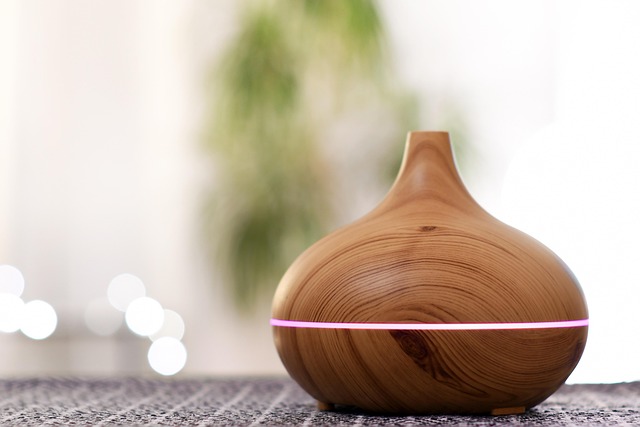
- Add a few drops to a diffuser to create a warm, calming atmosphere.
- Often incorporated into evening routines or quiet reflection spaces
Topical Application
- Dilute with a carrier oil such as sweet almond or jojoba before applying to the skin. For general body massage, many practitioners use a 1–3% dilution (approximately 1–3 drops per teaspoon of carrier oil).
- Commonly included in massage blends for muscle relaxation.
Bath & Massage
- Mix with a carrier oil or suitable dispersant before adding to bath water.
- Frequently used to support relaxation after physical exertion.
Safety Notes
- Always dilute before topical use, as undiluted essential oils can cause irritation or sensitisation.
- Perform a patch test and discontinue use if redness, itching, or discomfort occurs.
- Avoid use during pregnancy unless advised by a healthcare professional, particularly in the first trimester.
- Essential oils should not be ingested without professional guidance, and extra caution is advised for children, individuals with asthma or fragrance sensitivities, and those taking multiple medications.
- Keep out of reach of children.
What Does Marjoram Essential Oil Smell Like?

Marjoram essential oil has a warm, herbaceous, slightly sweet aroma with soft woody undertones. It is often described as spicy-herbaceous and faintly nutmeg-like, with a medium strength that sits comfortably in the heart note range of aromatic blends.
Its rounded profile allows it to soften sharper citrus, conifer, or camphoraceous notes, making it especially useful in balanced diffuser and massage formulations. Culturally, marjoram has long been associated with peace, happiness, and domestic warmth—qualities reflected in its gentle scent.
Oils That Blend Well With Marjoram Essential Oil
Marjoram blends readily with a wide range of essential oils, particularly those that complement its calming nature:
- Lavender – enhances relaxation and emotional balance, rounding marjoram’s herbal warmth with floral softness.
- Bergamot – adds brightness and freshness without overpowering the blend.
- Sweet Orange – introduces a comforting citrus sweetness that softens herbal notes.
- Cedarwood – deepens grounding qualities and adds longevity with woody base notes.
- Roman Chamomile – reinforces gentle soothing effects and is often paired with marjoram in bedtime or emotional-comfort blends.
Lower dilutions are generally preferred for evening or relaxation-focused applications, and individual responses to aroma can differ.
Why Is Marjoram Known as the “Herb of Happiness”?
Marjoram earned its reputation as a symbol of happiness and harmony in ancient Greek and Roman cultures. Associated with Aphrodite, it was used in celebrations, ceremonies, and domestic life, including bridal wreaths and household garlands intended to signify joy and harmonious partnership.
Beyond symbolism, marjoram’s gentle aroma and soft character likely contributed to its emotional associations. Unlike more intense aromatic herbs, it was valued for easing tension rather than stimulating activity. In some traditions, marjoram was planted near homes or used as household incense, reinforcing its role as an emblem of comfort and domestic well-being.
Final Thoughts
Marjoram essential oil serves as a reminder that not all approaches to wellness rely on intensity or immediacy. Rooted in centuries of cultural use and supported by ongoing scientific exploration, it continues to bridge ancient tradition and modern aromatic practice.
While research into essential oils is still unfolding, marjoram remains valued not for dramatic claims, but for its steady presence in traditions of calm, care, and comfort. Used thoughtfully and alongside appropriate medical guidance, it offers a gentle aromatic companion to contemporary wellness routines.
If you want tips on natural wellness, you can get them straight to your inbox.

Enter your email below and I’ll share new articles, reflections, and practical insights as they’re published.
Side Thoughts
Thanks for visiting here. If you'd like to stay in touch with our regular updates, then we'd love you to subscribe to our Detox-For-Life Newsletter.
We are a participant in the Amazon Services LLC Associates Program, an affiliate advertising program designed to provide a means for us to earn fees by linking to Amazon.com and affiliated sites.
NEWSLETTER
New pages, fresh perspectives, and practical detox-for-life insights are shared first with newsletter readers.
Recent Articles


-
Fennel Essential Oil: Aromatic and Soothing Oil with Health Benefits
Apr 14, 26 03:36 PM
 Fennel Essential Oil - Learn how this sweet, licorice-like oil supports digestion and everyday wellness.
 -
Beyond Curry: Turmeric Essential Oil - Benefits, Uses & Safety Guide
Mar 16, 26 07:19 AM
Explore Turmeric Essential Oil - Spice up your life with this golden oil. From adding a zesty kick to your morning smoothie to giving your skin a radiant glow -
Liver Cleanse Guide: Support Your Liver the Natural Way
Mar 03, 26 01:37 AM
 Discover how a gentle liver cleanse supports detox, digestion, metabolism, clear skin and steady energy using food, herbs and simple daily habits.