- Home
- What Are Essential Oils?
- Wild Orange Essential Oil
Wild Orange Essential Oil
The Citrus Secret to a Healthier, Happier You
A Comprehensive Guide to Origins, Benefits, and Uses
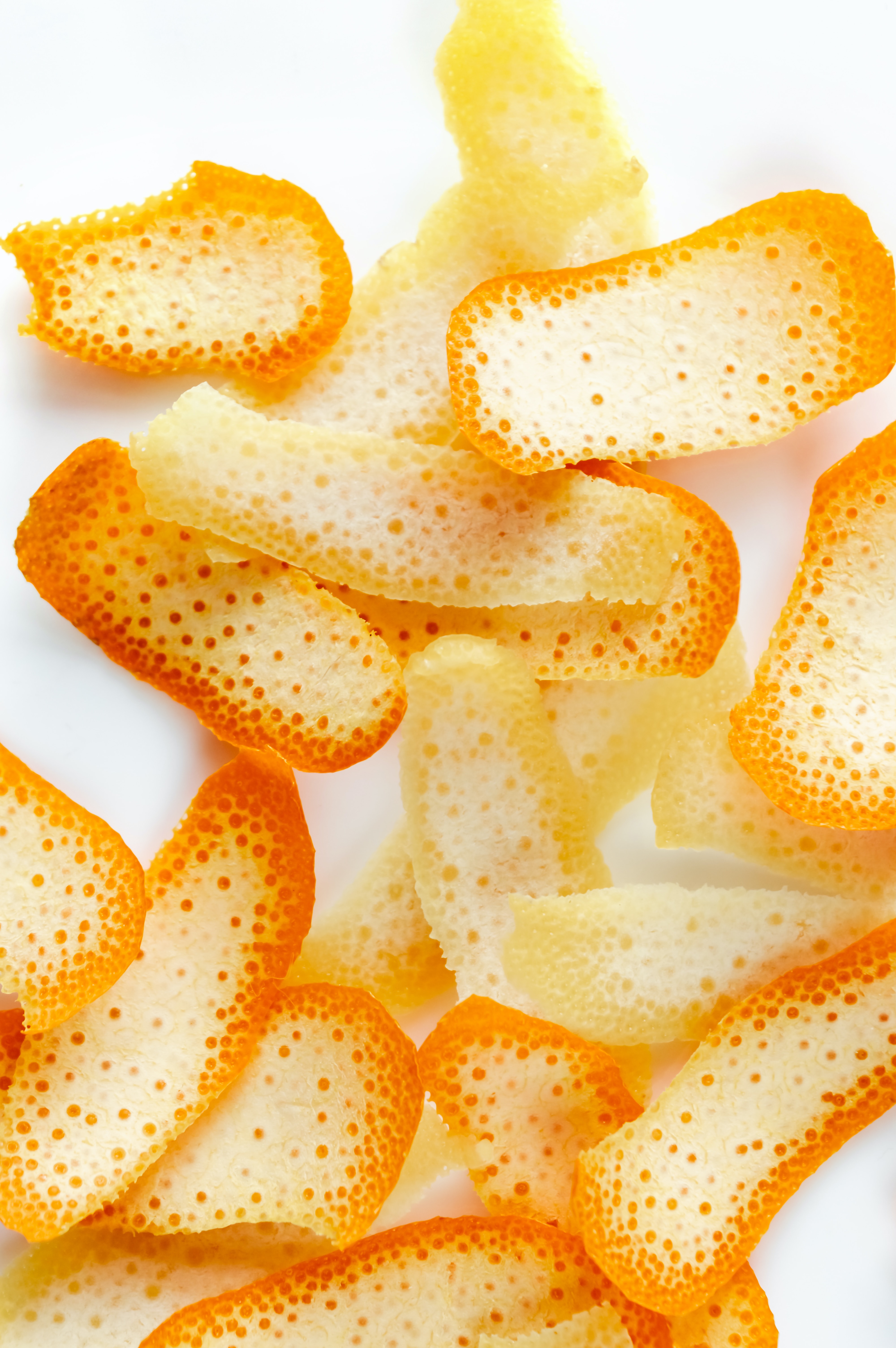
For centuries, citrus fruits have been associated with freshness, vitality, and renewal. Among them, wild orange essential oil—expressed from the peels of the sweet orange fruit—has maintained a steady presence in perfumery, household use, and modern aromatherapy.
Unlike heavier resins or herbal oils often chosen for deep relaxation or grounding, wild orange is valued for its lightness and immediacy. Its aroma feels instantly familiar: clean, bright, and emotionally uplifting. Historically, citrus peels were prized not only for fragrance, but also for their role in food preservation, household cleaning, and mood elevation—uses linked in part to their high content of volatile monoterpenes with solvent and antioxidant properties.
Today, wild orange essential oil remains popular because it offers something simple yet effective: a sensory cue for brightness, clarity, and emotional lift, supported by a well-studied chemical profile dominated by naturally occurring citrus terpenes such as limonene.
What Is Wild Orange Essential Oil?
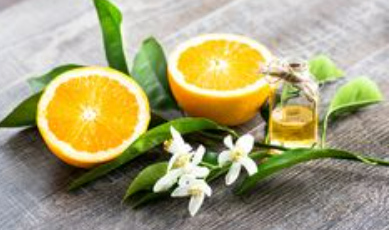
Wild orange essential oil is derived from the peel of the sweet orange fruit (Citrus sinensis), a tree believed to have originated in Southeast Asia and now cultivated widely across Mediterranean regions, South America, Africa, and other subtropical climates worldwide.
Although often described as “wild,” the term typically serves to distinguish this oil from bitter orange derivatives or proprietary blends rather than indicating truly wild harvesting. The oil is obtained specifically from the outer rind of the fruit, where specialized oil sacs store aromatic compounds in high concentration.
In modern commercial practice, orange essential oil is closely tied to the juice industry. The oil is produced as a co-product during peel processing, helping to reduce waste from the large volume of citrus peel that would otherwise be discarded—an aspect that contributes to its relative sustainability compared with oils requiring dedicated plant harvesting.
Traditional and Cultural Uses
Across cultures, orange peels and citrus oils have long been used to:
- Freshen indoor spaces and mask household odors
- Support digestive comfort after meals, often through whole-peel preparations, liqueurs, or teas rather than isolated essential oil
- Perfume soaps, colognes, and household products with a clean, fruity aroma
- Promote a sense of cheer and warmth during colder or darker seasons
In folk traditions, citrus aromas were closely associated with cleanliness, joy, and abundance—particularly in regions where fresh oranges were seasonal or symbolic of prosperity. These themes continue to shape how wild orange essential oil is used today.
How Is Wild Orange Essential Oil Extracted?
Harvesting the Raw Material
Sweet oranges are typically harvested when fully ripe, as oil content and aromatic quality tend to peak near maturity. During industrial juice production, the peels are mechanically separated and processed, making citrus oils among the most resource-efficient essential oils in the industry.
Sustainability note:
Because wild orange essential oil is produced as a by-product of the food industry rather than the primary driver for cultivation, it generally has a lower environmental footprint than oils derived from slow-growing trees, roots, or resins. That said, citrus agriculture still raises broader concerns—including monoculture practices, pesticide use, and water demand—making responsible sourcing and transparent production practices important considerations.
Cold Pressing (Expression)
Wild orange essential oil is extracted primarily through cold pressing, also known as expression. This mechanical process punctures or grates the peel and then presses it at low temperatures, allowing the oil sacs in the rind to release their aromatic contents along with an aqueous phase, which is later separated.
Why this matters:
Cold pressing preserves volatile aromatic compounds without exposing them to high distillation temperatures, helping maintain the bright, “just-peeled” scent that defines wild orange oil. Expressed oils also more closely reflect the natural chemical balance of the peel, including minor constituents that subtly influence aroma and performance.
Chemical Composition of Wild Orange Essential Oil
Wild orange essential oil is chemically simple in structure yet nuanced in effect. A small number of compounds dominate the profile, while minor constituents fine-tune aroma and functional qualities.
Key naturally occurring constituents typically include:
- Limonene – The primary compound, often comprising 80–95% of the oil; associated with uplifting citrus aroma, solvent properties useful in cleaning formulations, and antioxidant activity in laboratory models
- Myrcene – Present at lower levels; contributes a softer, slightly herbal undertone and has been studied for calming aromatic effects in broader terpene research
- Linalool – A minor component in many orange oils; known for its gentle floral nuance and associations with relaxation in some inhalation studies
- Alpha-pinene & Beta-pinene – Fresh, resinous monoterpenes that add brightness and a perception of clarity to the aroma
Rather than acting as pharmaceuticals, these compounds work synergistically through scent and sensory interaction, influencing mood and perception in ways that are often subtle, context-dependent, and shaped by individual response.
Potential Health and Wellness Benefits
Traditionally Recognized Benefits
Historically and anecdotally, wild orange essential oil has been used to:
- Lift mood and counter feelings of heaviness or stagnation when diffused indoors
- Freshen living spaces, laundry, and personal environments through its clean, bright fragrance
- Support digestive comfort in traditional contexts, typically through whole-peel or culinary preparations rather than essential-oil ingestion
- Create an atmosphere of warmth, hospitality, and celebration
These uses fall primarily within experiential wellness and household care rather than formal medical practice.
What Modern Research Is Exploring
Contemporary research has focused largely on limonene and citrus oils more broadly, exploring:
- Antioxidant properties, including free-radical scavenging in laboratory models
- Antimicrobial activity against certain bacteria and fungi on surfaces and in food-related settings
- Stress and anxiety responses, with small human studies suggesting that inhalation of sweet orange aroma may modestly reduce subjective anxiety in acute stress situations
Most findings come from in-vitro, animal, or small human studies with short-term exposure. Outcomes vary, and wild orange essential oil should not be viewed as a medical treatment or substitute for evidence-based care.

Can Wild Orange Essential Oil Support Brain and Nervous System Health?
Aromatic compounds influence the nervous system primarily through olfactory pathways that connect directly to brain regions involved in emotion and memory. In this context, sweet orange aroma has been examined for its potential calming and mood-supportive effects.
In practice, wild orange essential oil is commonly used to:
- Encourage gentle alertness without overstimulation
- Promote emotional lightness during demanding periods
- Create a positive, welcoming atmosphere in shared spaces
Emerging research continues to explore how citrus aromas interact with emotional regulation and autonomic responses, though existing evidence suggests modest, situational effects rather than broad therapeutic impact.
Important note:
Essential oils should be regarded as complementary sensory tools rather than primary interventions, and professional guidance is advised for individuals with neurological or psychological conditions.

How to Use Wild Orange Essential Oil Safely
Aromatherapy
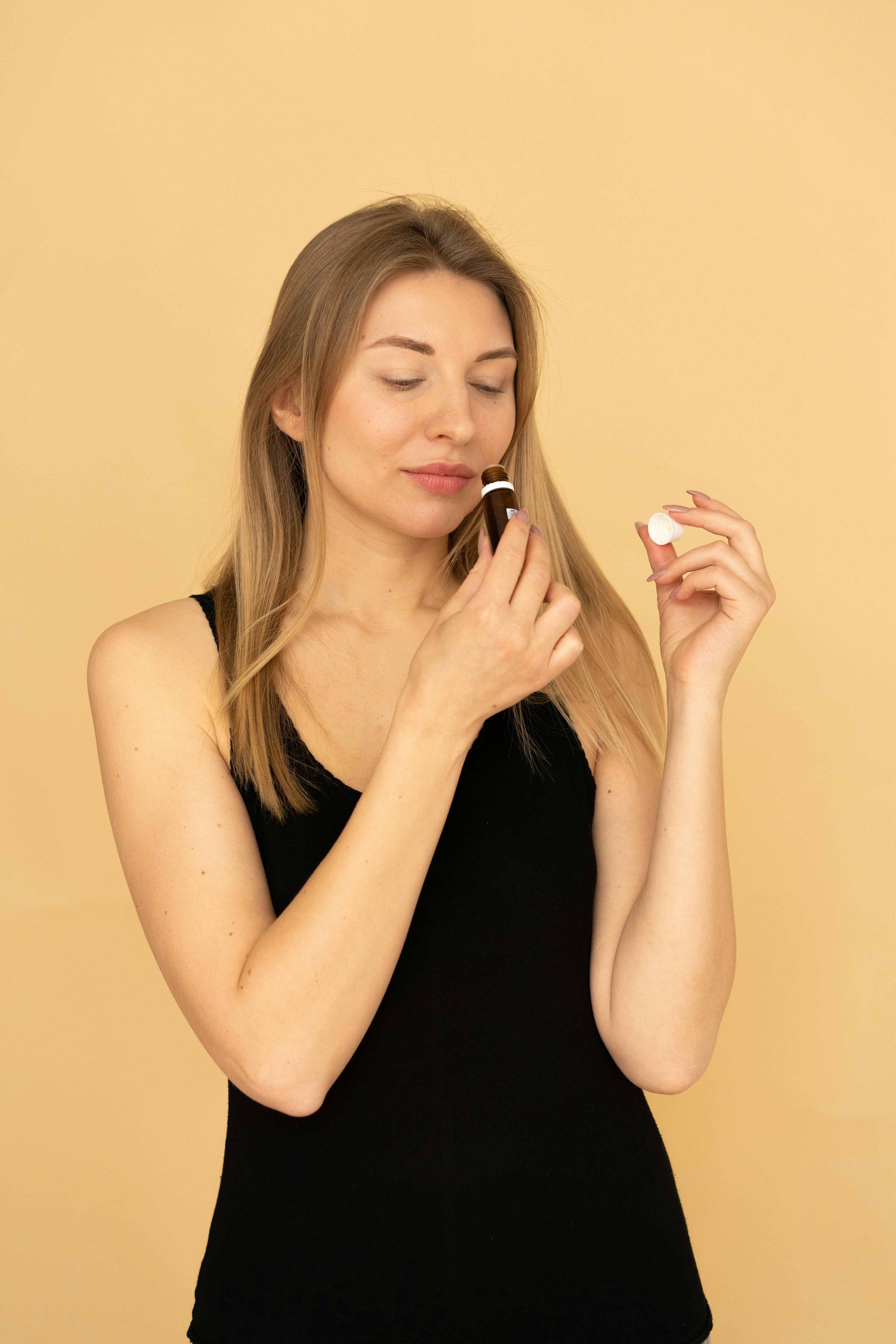
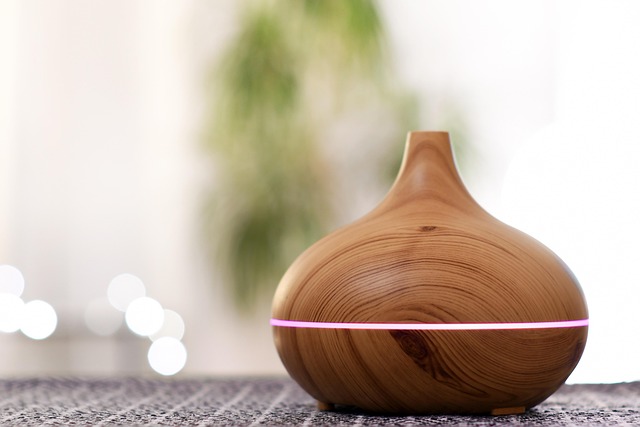
Diffuse 3–5 drops to create a bright, welcoming atmosphere. For short-term inhalation, 1–2 drops on a tissue or personal inhaler provides controlled exposure.
Topical Application
Dilute to 1–2% for general body use. For facial or sensitive skin applications, lower dilutions are commonly recommended. Freshness matters—oxidized citrus oils are more likely to irritate skin.
Bath & Massage
Always disperse in a carrier oil or suitable solubilizer before adding to bathwater. In massage, wild orange is often paired with grounding oils to balance uplift with warmth.
Household Use
Wild orange oil is frequently added to natural cleaning blends for fragrance and solvent properties, though home formulations are not standardized to laboratory concentrations.
Safety Notes
What does Wild Orange Essential Oil smell like?
Wild orange essential oil has a bright, sweet, and refreshing citrus scent that is reminiscent of freshly peeled oranges. It has a zesty and tangy aroma that is both energizing and uplifting, making it a popular choice for aromatherapy and home fragrance products. The scent of wild orange essential oil can help to promote feelings of happiness, positivity, and relaxation. The aroma is similar to that of other citrus essential oils like lemon and grapefruit, but with a sweeter and less tart fragrance. Overall, the scent of wild orange essential oil is fresh, invigorating, and perfect for creating a cheerful and vibrant atmosphere.
What other essential oils does Wild Orange Essential Oil blend well with?
Wild orange essential oil blends well with a variety of other essential oils, including:
- Lemon essential oil: Lemon and wild orange essential oils both have a fresh and uplifting citrus scent, making them a perfect combination for aromatherapy and household cleaning products. 🍋🟩
- Grapefruit essential oil: Grapefruit and wild orange essential oils both have energizing and refreshing properties, and their scents complement each other well.
- Bergamot essential oil: Bergamot and wild orange essential oils both have a bright and citrusy scent, and their combination can help to promote relaxation and relieve stress.
- Lavender essential oil: Lavender and wild orange essential oils can be combined to create a relaxing and uplifting aroma. Lavender can help to promote calmness and reduce anxiety, while wild orange can provide a refreshing and energizing boost. 🪻
- Peppermint essential oil: Peppermint and wild orange essential oils can be combined to create an invigorating and refreshing scent. Peppermint has a cooling effect on the skin, while wild orange can provide a burst of energy. 🍃
- Eucalyptus essential oil: Eucalyptus and wild orange essential oils can be combined to create a fresh and invigorating scent. Eucalyptus has respiratory benefits, while wild orange can provide a mood boost.
Overall, wild orange essential oil blends well with other citrus oils, as well as with herbal and minty oils.

My Wild Orange Story 🍊🍊
That zesty, bright aroma of citrus has become a quiet anchor in my day. If you’ve ever tried to wake teenagers for school, you’ll know mornings can feel a little… thunderous. I’ve noticed that placing a cotton pad nearby with just a hint of wild orange aroma helps set a gentler tone. It does seem to take the edge off those first waking moments and soften the mood as the day begins.
During the day, I sometimes add a single drop to a large glass of drinking water for a subtle, natural citrus note that makes plain water more enjoyable without any added sugar or calories. It's a tiny flavor boost I like, kind of like squeezing fresh orange into water, but way more convenient.
Why Is Wild Orange Associated With Joy and Abundance?
Across cultures, citrus fruits have symbolized prosperity, renewal, and generosity. Historically rare in colder climates, oranges became associated with celebration and warmth—an association that continues in both cultural symbolism and aromatic perception.
Wild orange essential oil carries this symbolism forward, functioning not as a cure-all, but as a sensory reminder of lightness, renewal, and simple pleasure.
Final Thoughts
Wild orange essential oil endures because of its consistency. Its bright aroma, relatively sustainable production, and well-characterized chemistry make it a reliable companion in wellness routines, household care, and perfumery.
Best appreciated for how it shapes atmosphere and daily rituals rather than as a medical intervention, wild orange essential oil—used thoughtfully and safely—offers a timeless way to invite clarity, warmth, and joy into everyday life.
If you want tips on natural wellness, you can get them straight to your inbox.

Enter your email below and I’ll share new articles, reflections, and practical insights as they’re published.
Side Thoughts
Thanks for visiting here. If you'd like to stay in touch with our regular updates, then we'd love you to subscribe to our Detox-For-Life Newsletter.
We are a participant in the Amazon Services LLC Associates Program, an affiliate advertising program designed to provide a means for us to earn fees by linking to Amazon.com and affiliated sites.
NEWSLETTER
New pages, fresh perspectives, and practical detox-for-life insights are shared first with newsletter readers.
Recent Articles


-
Fennel Essential Oil: Aromatic and Soothing Oil with Health Benefits
Apr 14, 26 03:36 PM
 Fennel Essential Oil - Learn how this sweet, licorice-like oil supports digestion and everyday wellness.
 -
Beyond Curry: Turmeric Essential Oil - Benefits, Uses & Safety Guide
Mar 16, 26 07:19 AM
Explore Turmeric Essential Oil - Spice up your life with this golden oil. From adding a zesty kick to your morning smoothie to giving your skin a radiant glow -
Liver Cleanse Guide: Support Your Liver the Natural Way
Mar 03, 26 01:37 AM
 Discover how a gentle liver cleanse supports detox, digestion, metabolism, clear skin and steady energy using food, herbs and simple daily habits.