- Home
- Essential Oils For Hair Growth
- Thyme Oil for Hair

Thyme Oil for Hair and Scalp Care
You may have heard of Thyme oil for hair strength, growth and overall well-being. Thyme oil has a long history of use in traditional herbal preparations, particularly in Mediterranean regions where thyme was valued for its cleansing, protective, and preserving qualities. In the context of modern natural hair care, thyme essential oil is most often explored as a supportive ingredient for scalp health, rather than a primary or standalone treatment.
Because thyme oil is highly concentrated and potent, it is used sparingly and thoughtfully, usually in very small amounts and always properly diluted. When approached with care, it can play a useful role within a broader, balanced hair and scalp routine.
Why Thyme Oil Is Associated With Scalp Health
Healthy hair begins with a healthy scalp. Traditional herbal systems often emphasized maintaining scalp cleanliness, balance, and circulation—conditions believed to support strong, resilient hair over time.
Thyme essential oil contains naturally occurring compounds such as thymol, carvacrol, and p-cymene, which have been studied in laboratory settings for their antimicrobial and antioxidant properties. These characteristics help explain why thyme has historically appeared in preparations intended to:
- Support scalp hygiene
- Reduce the build-up of microbes on the scalp surface
- Maintain a scalp environment that allows hair follicles to function optimally
Rather than directly stimulating hair growth, thyme essential oil is better understood as helping to create favorable scalp conditions, which supports healthier-looking hair when combined with good overall care.
Thyme Oil For Hair: What Research Suggests
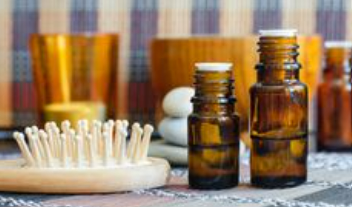
Modern research on thyme essential oil has largely focused on its antimicrobial activity in vitro, rather than on cosmetic or hair-growth outcomes. Some studies suggest that thyme’s phenolic compounds may help manage microbial imbalances on the skin, which can be relevant for individuals experiencing dandruff, excess oil, or scalp irritation.
At present, there is limited direct clinical evidence to support thyme essential oil as a treatment for hair loss or hair regrowth. Any observed benefits are likely indirect and related to improved scalp comfort and balance rather than stimulation of dormant hair follicles.
This distinction is important when setting realistic expectations and using thyme oil responsibly in hair care routines.
Choosing the Right Thyme Chemotype
Not all thyme essential oils are the same. Thyme has several chemotypes, and the dominant chemical profile significantly affects how the oil behaves on the skin.
-
Thyme ct. thymol or carvacrol
Highly potent and potentially irritating. These chemotypes are generally not recommended for routine scalp use without professional guidance. -
Thyme ct. linalool or geraniol
Considered gentler and more suitable for topical applications when properly diluted.
For hair and scalp care, gentler chemotypes are strongly preferred, as they offer supportive properties with a lower risk of irritation.
Appropriate Carrier Oils for Hair and Scalp Use
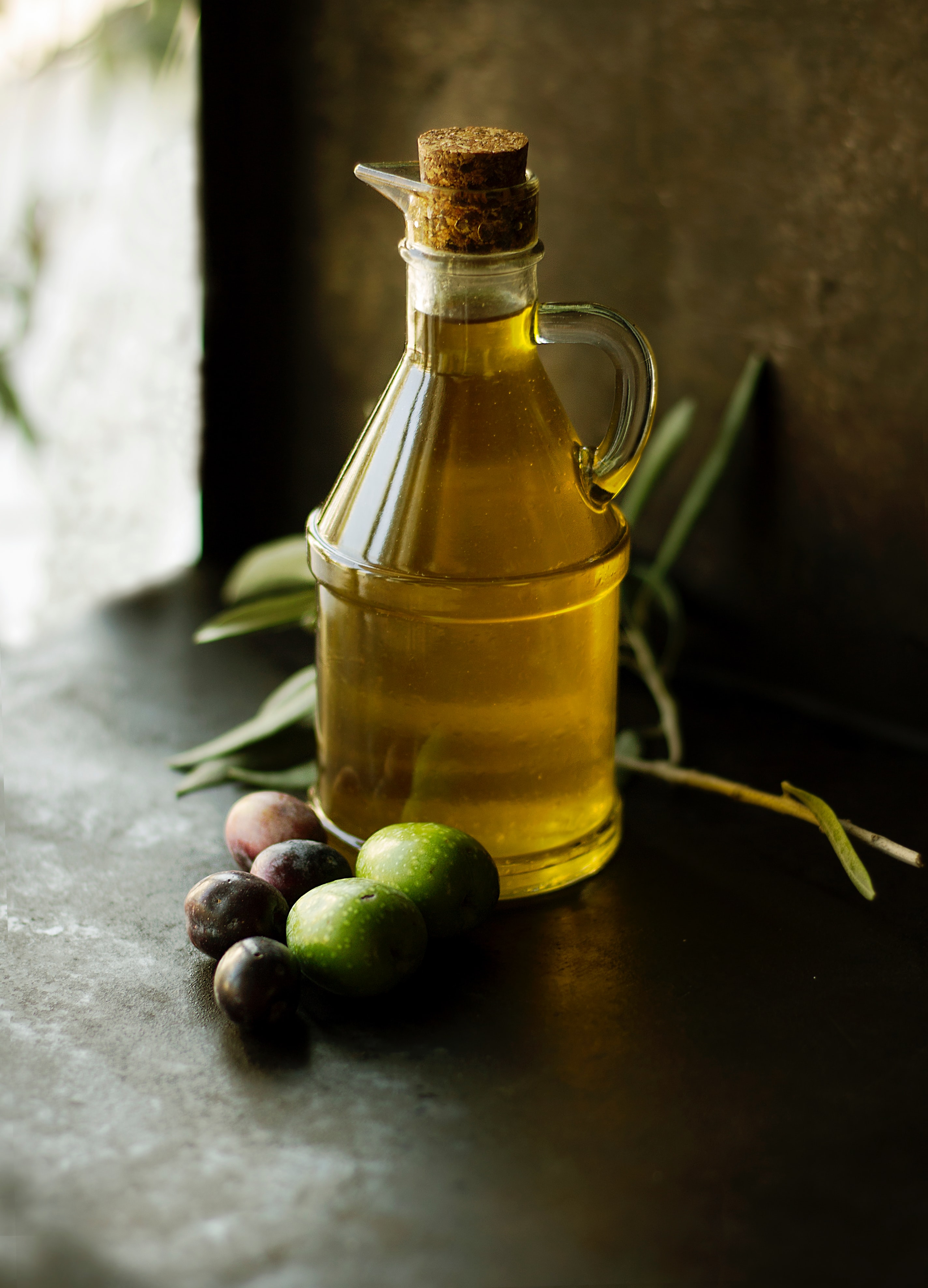
Carrier oils play a crucial role in hair care applications. They dilute essential oils to safe levels, help distribute them evenly, and offer their own nourishing benefits to the scalp and hair.
Common carrier oils used in scalp and hair preparations include:
- Jojoba oil – Closely resembles natural sebum and is well suited to oily or sensitive scalps
- Coconut oil – Penetrates the hair shaft and is often used for dry hair and scalp care
- Rosehip seed oil – Lightweight and rich in essential fatty acids
- Sweet almond oil – Gentle and suitable for most hair types
- Argan oil – Popular for adding shine and supporting dry or damaged hair
- Evening primrose oil – Often used for dry or mature scalps
- Olive oil – Traditionally used for scalp massage and deep conditioning
The choice of carrier oil can be adapted to individual scalp needs, hair texture, and climate.
How to Use Thyme Oil For Hair - Scalp Application

Scalp Massage Treatment
Add two small drops of thyme essential oil to two tablespoons of a carrier oil such as jojoba or coconut oil. Massage the blend gently into the scalp, paying particular attention to areas of thinning or dryness. Leave the oil on for about 10 minutes to allow it to absorb, then wash out thoroughly with shampoo and conditioner.
Some people prefer to focus application on specific areas of concern. Once applied, the oil should be left briefly to soak into the skin before being rinsed away.
Incorporating Into Hair Products
A few drops of a properly diluted blend can be mixed into an unscented shampoo or conditioner for occasional use. This method allows for light, consistent exposure without leaving oil on the scalp for extended periods.
Using Thyme in Essential Oil Blends
Thyme essential oil is rarely used alone in hair care. Instead, it is often included as part of a balanced essential oil blend, where gentler oils help soften its intensity and broaden the overall profile.
Common oils paired with thyme include:
- Rosemary essential oil (often associated with scalp stimulation)
- Lavender essential oil (known for its soothing properties)
- Cedarwood essential oil (traditionally used in scalp preparations)
When blending, thyme should remain a minor component, used at low dilution levels.
Safety and Caution for Hair & Scalp Use
Using Thyme oil for hair requires special care in cosmetic applications:
- Always dilute thoroughly (often 0.5% or less for scalp products)
- Patch test before first use
- Avoid broken skin, inflamed scalp conditions, or recent chemical treatments
- Never apply undiluted to the scalp
- Not recommended for children or during pregnancy without professional guidance
Overuse may cause irritation or sensitisation, which can undermine scalp health rather than support it.
Making Your Own Thyme Oil for Hair - Infusion

If essential oils feel a little too strong for your comfort level, a thyme-infused oil can be a gentle, approachable alternative. This is not an essential oil, but rather a herbal oil infusion, where thyme is slowly steeped in a carrier oil to capture some of the plant’s properties in a much milder form.
To make your own thyme oil for hair, start with dried thyme (fresh thyme contains moisture and can become moldy). Place the thyme in a clean glass jar and cover it completely with a carrier oil such as olive oil, jojoba oil, or sweet almond oil. Seal the jar and place it in a warm, sunny spot for about 3 to 4 weeks, giving it a gentle shake every few days.
Once infused, strain out the plant material and store the oil in a clean, airtight bottle away from heat and light. The result is a softly aromatic oil that can be massaged directly into the scalp or used as a base for hair treatments.
Thyme-infused oil is well suited to regular scalp massage, especially for those with sensitive skin. Apply a small amount to the scalp, leave it on for around ten minutes, and then wash out as usual.
It’s worth noting that thyme essential oil is far more concentrated and potent than an infused oil, as it is distilled to isolate volatile compounds. While essential oil requires very careful dilution and occasional use, an infused oil offers a gentler way to enjoy thyme as part of a consistent hair care routine.
Both approaches have their place — the key is choosing the one that best fits your comfort level and scalp needs.
A Balanced Perspective
Thyme essential oil can be a valuable addition to hair and scalp formulations when used with knowledge, moderation, and respect for its strength. Rather than acting as a miracle solution, it works best as part of a holistic approach that includes gentle hair care practices, proper nutrition, stress management, and consistent scalp care.
In this context, thyme essential oil serves as a supportive botanical ally—helping maintain scalp balance while reminding us that, in natural hair care, stronger is not always better.
Explore Further
- Thyme Essential Oil guide - If you’d like to learn more about thyme beyond hair care, this page explores its traditional uses, properties, and safety considerations.
- Essential Oils for Hair Growth page - For a broader look at how different oils are commonly used in hair routines. Thyme appears alongside other supportive botanicals.
- Essential Oils Hub - To step back and explore the wider world of aromatic plants, this page offers an overview of individual oils, usage principles, and how they fit into everyday life.
If you want tips on natural wellness, you can get them straight to your inbox.

Enter your email below and I’ll share new articles, reflections, and practical insights as they’re published.
Side Thoughts
Thanks for visiting here. If you'd like to stay in touch with our regular updates, then we'd love you to subscribe to our Detox-For-Life Newsletter.
We are a participant in the Amazon Services LLC Associates Program, an affiliate advertising program designed to provide a means for us to earn fees by linking to Amazon.com and affiliated sites.
NEWSLETTER
New pages, fresh perspectives, and practical detox-for-life insights are shared first with newsletter readers.
Recent Articles


-
Fennel Essential Oil: Aromatic and Soothing Oil with Health Benefits
Apr 14, 26 03:36 PM
 Fennel Essential Oil - Learn how this sweet, licorice-like oil supports digestion and everyday wellness.
 -
Beyond Curry: Turmeric Essential Oil - Benefits, Uses & Safety Guide
Mar 16, 26 07:19 AM
Explore Turmeric Essential Oil - Spice up your life with this golden oil. From adding a zesty kick to your morning smoothie to giving your skin a radiant glow -
Liver Cleanse Guide: Support Your Liver the Natural Way
Mar 03, 26 01:37 AM
 Discover how a gentle liver cleanse supports detox, digestion, metabolism, clear skin and steady energy using food, herbs and simple daily habits.