- Home
- What Are Essential Oils?
- Oregano Essential Oil
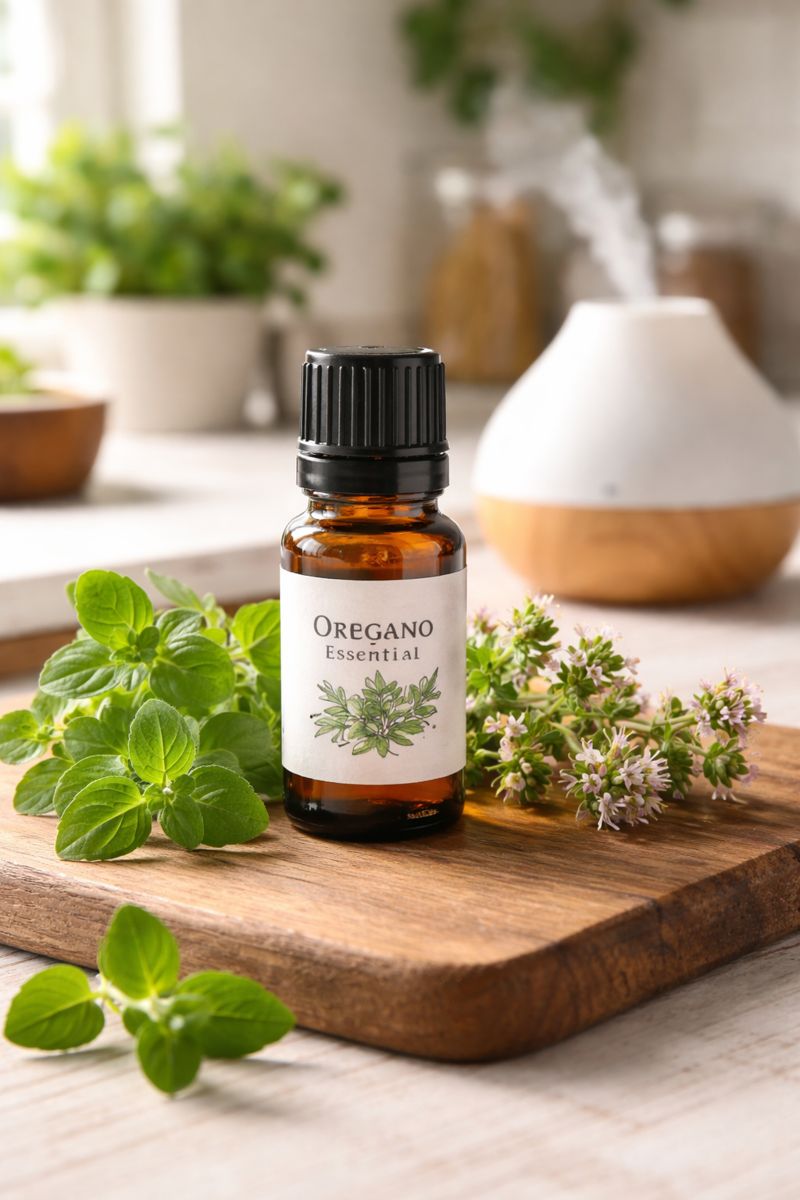
Oregano Essential Oil
A Comprehensive Guide to Origins, Benefits, and Uses
For centuries, oregano essential oil has occupied a distinctive place at the intersection of culinary tradition, folk medicine, and modern wellness practice. Derived from the aromatic leaves and flowering tops of the oregano plant, this oil is known for its strong, herbaceous aroma and its unusually potent chemical profile.
Historically, oregano was more than a kitchen herb. In ancient Mediterranean cultures, it was associated with protection, vitality, and preservation. Traditional healers valued it for its intensity—both in scent and perceived strength—often reserving it for situations where more delicate botanicals were considered insufficient.
Today, oregano essential oil continues to attract attention, not because it promises gentle comfort, but because it represents one of the most robust and assertive essential oils commonly available. As interest in plant-based wellness grows, oregano oil is increasingly discussed in relation to immune support, microbial balance, and environmental cleansing—though responsible use and informed restraint remain essential.
Rather than functioning as a universal remedy, oregano essential oil is best understood as a powerful botanical tool whose relevance lies in its chemistry, history, and disciplined application.
For centuries, oregano essential oil has occupied a distinctive place at the intersection of culinary tradition, folk medicine, and modern wellness practice. Derived from the aromatic leaves and flowering tops of the oregano plant, this oil is known for its strong, herbaceous aroma and its unusually potent chemical profile.
Historically, oregano was more than a kitchen herb. In ancient Mediterranean cultures, it was associated with protection, vitality, and preservation. Traditional healers valued it for its intensity—both in scent and perceived strength—often reserving it for situations where more delicate botanicals were considered insufficient.
Today, oregano essential oil continues to attract attention, not because it promises gentle comfort, but because it represents one of the most robust and assertive essential oils commonly available. As interest in plant-based wellness grows, oregano oil is increasingly discussed in relation to immune support, microbial balance, and environmental cleansing—though responsible use and informed restraint remain essential.
Rather than functioning as a universal remedy, oregano essential oil is best understood as a powerful botanical tool whose relevance lies in its chemistry, history, and disciplined application.
What Is Oregano Essential Oil?
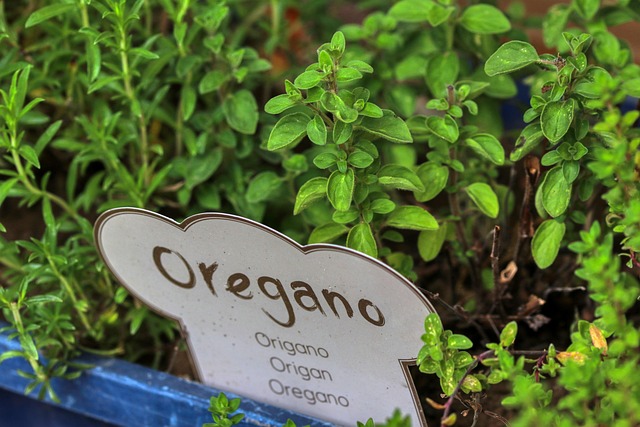
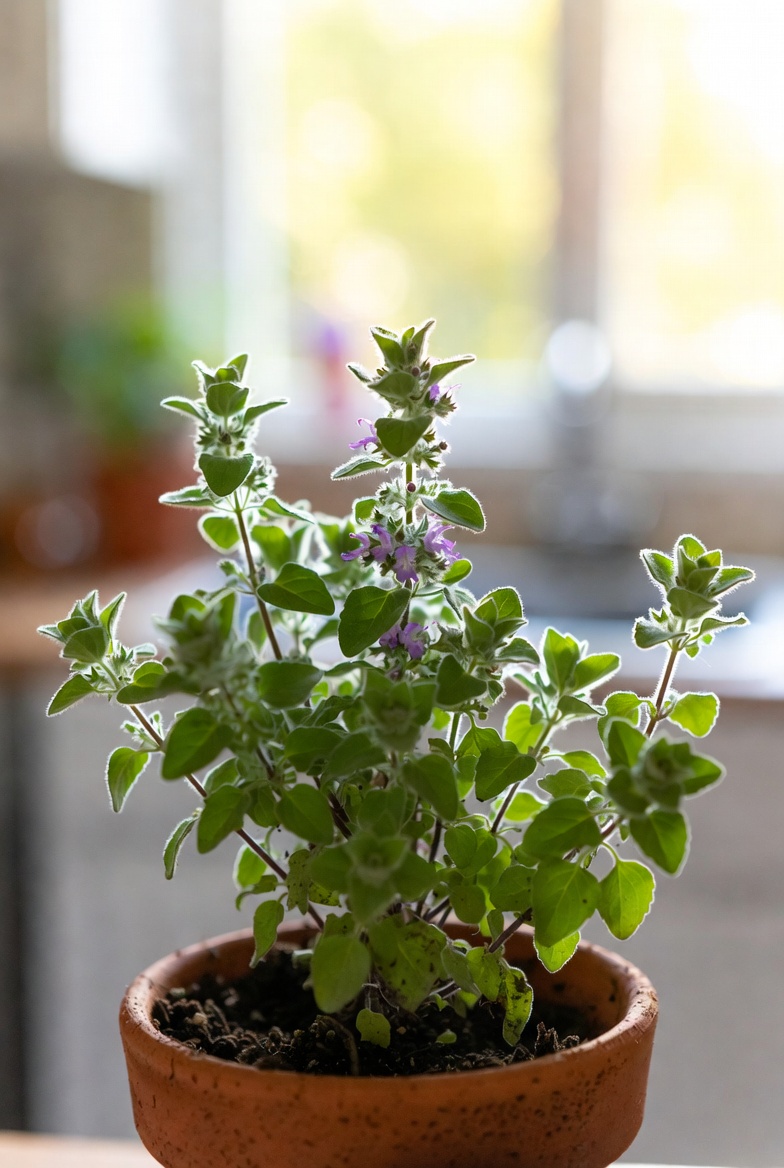
Oregano essential oil is a concentrated aromatic extract obtained from plants in the Origanum genus, most commonly Origanum vulgare. This perennial herb belongs to the mint family (Lamiaceae), a botanical group known for producing volatile oils rich in aromatic phenols and terpenes.
Native to the Mediterranean region, oregano has long thrived in dry, rocky soils under strong sunlight. These environmental stressors contribute to the plant’s high concentration of protective compounds—an important factor in the oil’s potency.
Across cultures, oregano has been used in diverse ways:
- Ancient Greece and Rome: Oregano was associated with joy, vitality, and protection. It appeared in wreaths, medicinal preparations, and early food preservation practices.
- Traditional Mediterranean medicine: Infusions and poultices were used for respiratory discomfort, digestive balance, and topical cleansing.
- Folk traditions: Oregano was often valued for its “warming” and “clearing” qualities, especially during seasonal transitions.
In modern contexts, oregano essential oil is distinct from culinary oregano. While both originate from the same plant family, the essential oil is far more concentrated and must be treated with caution and respect.
How Is Oregano Essential Oil Extracted?
Harvesting the Raw Material
Oregano plants used for essential oil production are typically harvested during peak flowering, when volatile oil content is highest. The leaves and flowering tops contain the majority of the aromatic compounds.
Key factors influencing quality include:
- Climate: Warm, sunny regions promote higher concentrations of phenolic compounds
- Soil conditions: Poor, well-drained soils often yield more aromatic plants
- Harvest timing: Late flowering stages tend to produce stronger oils
From a sustainability perspective, oregano is generally considered a renewable crop. Ethical producers prioritize responsible harvesting practices that allow plants to regenerate naturally and protect surrounding ecosystems.
Distillation Process
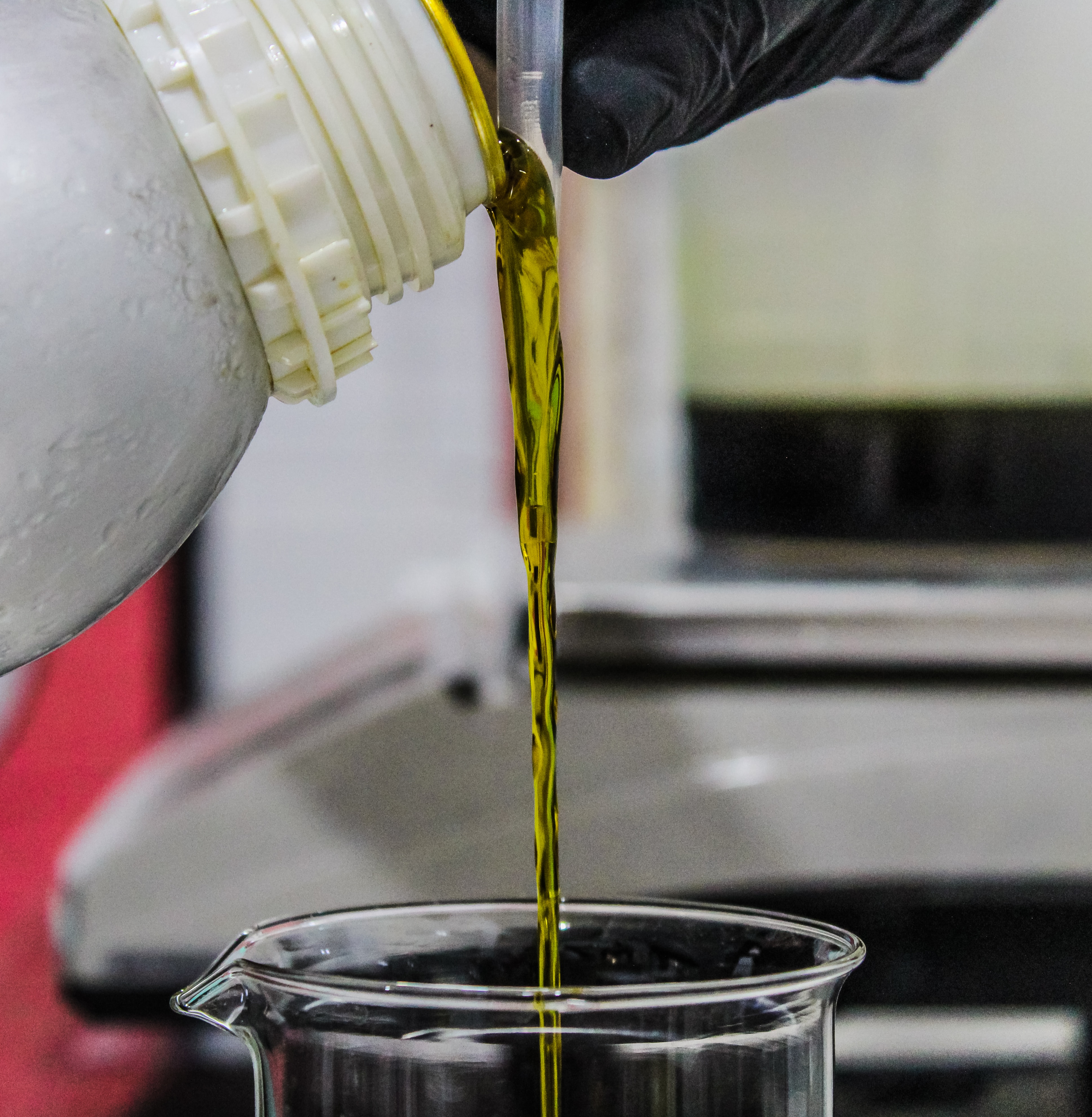
Oregano essential oil is extracted through steam distillation, a method that preserves volatile compounds without the use of chemical solvents.
The process typically involves:
- Fresh or partially dried plant material placed in a distillation chamber
- Steam passed through the plant matter, releasing aromatic molecules
- Vapor condensed into liquid form
- Essential oil separated from hydrosol
The distillation temperature, duration, and plant-to-steam ratio all influence the final oil’s chemical profile. Longer distillation times often increase phenol concentration, resulting in a stronger and more assertive oil.
Chemical Composition of Oregano Essential Oil
Oregano essential oil is notable for its unusually high concentration of phenolic compounds, which contribute to its strong aroma and biological activity.
Key constituents commonly include:
- Carvacrol – A dominant phenol studied for antimicrobial and antioxidant properties
- Thymol – A related phenolic compound associated with cleansing and preservative effects
- p-Cymene – A monoterpene contributing to aroma and synergistic effects
- γ-Terpinene – An aromatic precursor compound
These compounds are part of the plant’s natural defense system, helping protect it from environmental threats. In essential oil form, they account for oregano oil’s intensity and the need for careful dilution.
Rather than functioning through a single mechanism, oregano essential oil exhibits a broad-spectrum biochemical profile, which is why it is often described as powerful rather than gentle.
Potential Health and Wellness Benefits
Traditionally Recognized Uses
Historically, oregano preparations were used in ways that emphasized protection and preservation:
- Supporting respiratory comfort during seasonal changes
- Maintaining digestive balance
- Cleansing wounds and surfaces
- Preserving food in the absence of refrigeration
These uses were based on empirical observation rather than modern clinical trials.
What Modern Research Is Exploring
Contemporary research has focused largely on oregano oil’s antimicrobial, antioxidant, and anti-inflammatory properties, primarily in laboratory and animal studies.
Areas of interest include:
- Microbial balance
- Oxidative stress modulation
- Inflammatory signaling pathways
It is important to note that many studies examine isolated compounds like carvacrol rather than whole-oil applications. Human outcomes may vary, and essential oils should not be viewed as substitutes for medical treatment.
Can Oregano Essential Oil Support Brain and Nervous System Health?
Research into oregano essential oil and nervous system health remains preliminary. Some investigations explore how antioxidant compounds may help reduce oxidative stress, a factor associated with cellular aging and neurological strain.
Potential areas of exploration include:
- Modulation of inflammatory responses
- Support for cellular resilience
- Indirect effects through immune and gut-brain pathways
While these findings are scientifically interesting, they are not definitive. Anyone considering oregano oil for wellness purposes should consult a qualified healthcare professional, particularly due to the oil’s potency.
How to Use Oregano Essential Oil Safely
Oregano essential oil is one of the strongest essential oils in common use and requires careful handling.
Aromatherapy
- Use sparingly in a diffuser
- Blend with softer oils to reduce intensity
- Short diffusion times are recommended
Topical Application
- Always dilute (often 1 drop per 10–20 ml carrier oil)
- Conduct a patch test before broader use
- Avoid sensitive areas
Bath & Massage
- Pre-dilute thoroughly before adding to water
- Use only small amounts
Oregano in Cooking: Understanding Its Culinary Role
Oregano oil has an intense, concentrated aroma that reflects the bold character of the herb itself. In food-related contexts, it is sometimes used in trace amounts to impart a strong Mediterranean note to sauces, marinades, and oil-based preparations. Because it is highly potent, it is typically added at the end of preparation or used as a finishing element rather than cooked for long periods. Only oils specifically produced and labeled for culinary use should ever be considered in food applications, as aromatic essential oils are not intended for ingestion.
Safety Notes
- Not recommended for use during pregnancy without professional guidance
- May cause skin irritation if improperly diluted
- Not intended for internal use unless under qualified supervision
What Does Oregano Essential Oil Smell Like?
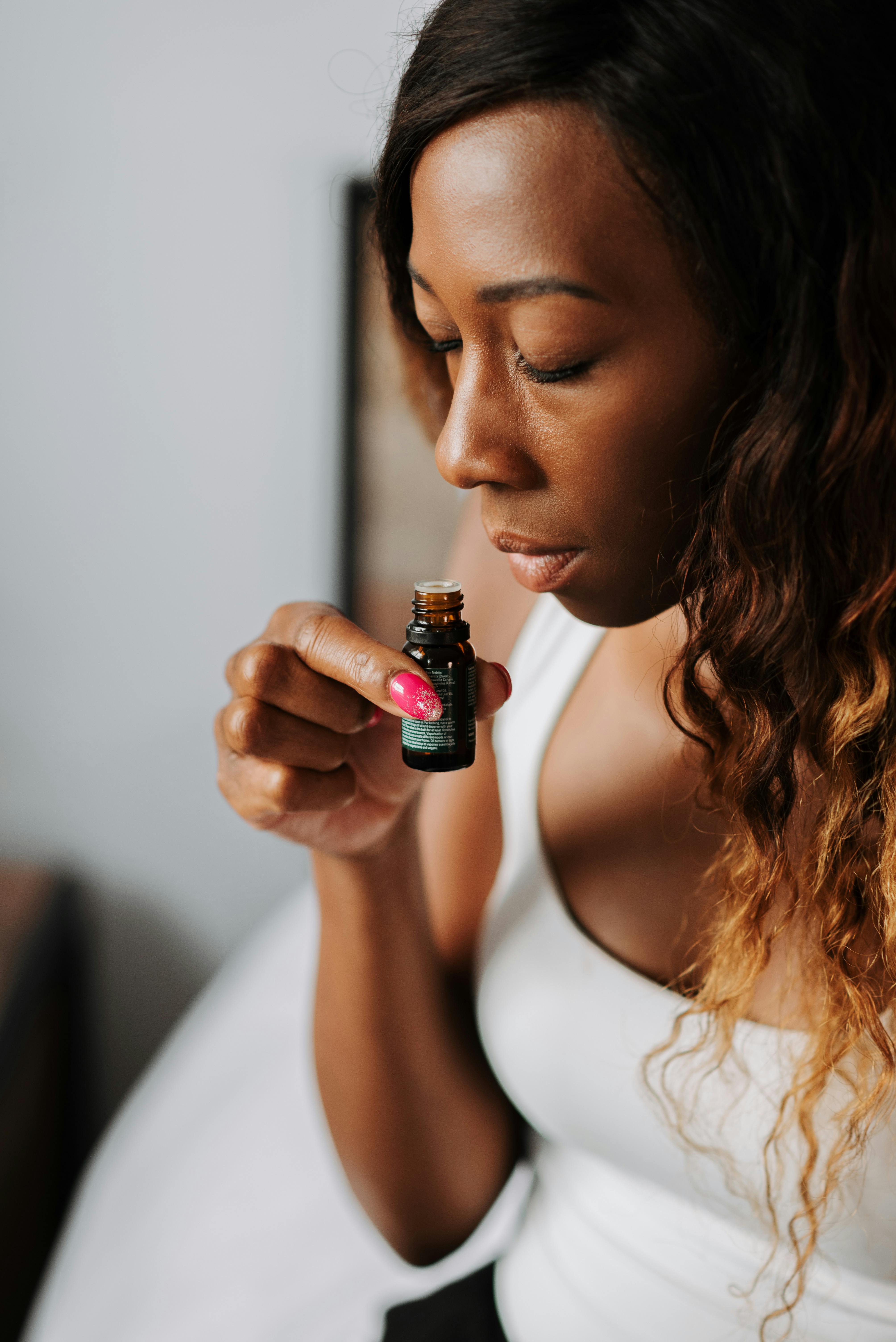
Oregano essential oil has a strong, sharp, herbaceous aroma with warm, spicy undertones.
Sensory characteristics include:
- Top notes: Pungent, medicinal, green
- Emotional impression: Clearing, stimulating, assertive
- Cultural associations: Protection, strength, purification
Its scent can be overwhelming on its own, which is why it is often blended with milder oils.
Oils That Blend Well With Oregano Essential Oil
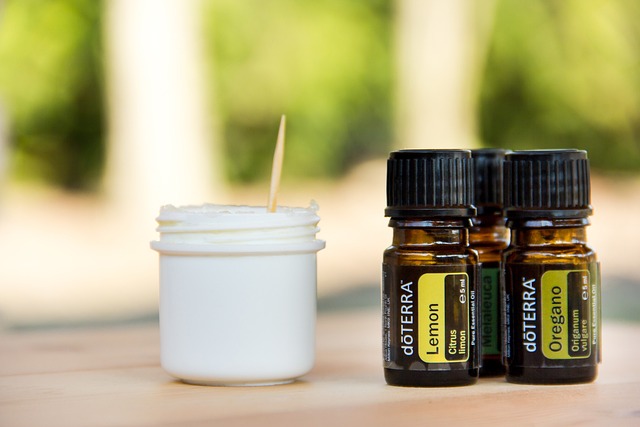
Oregano pairs best with oils that soften or balance its intensity:
- Lavender: Adds calm and floral softness
- Sweet orange: Brightens and tempers sharpness
- Tea tree: Enhances cleansing synergy
- Rosemary: Complements herbaceous character
- Lemon: The citrus scent lightens the herbaceous aroma
Blending not only improves aroma but also encourages safer, more balanced use.
Why Is Oregano Known as “The Oil of Robust Defense”?
Historically, oregano earned its reputation through its role in protection—of food, health, and environment. In ancient times, its strength made it valuable where spoilage or infection posed serious risks.
Symbolically, oregano represents resilience and boundary-keeping—a plant that thrives in harsh conditions and produces compounds that defend rather than soothe. This identity continues to shape how the oil is perceived today.
Final Thoughts
Oregano essential oil stands apart in the world of aromatics. It is not subtle, indulgent, or universally gentle—but it is enduring.
Its value lies in its discipline: understanding when strength is needed, when restraint is wiser, and how tradition and modern research can inform responsible use. While scientific exploration continues, oregano essential oil remains a powerful reminder that not all wellness tools are designed for daily comfort—some exist to restore balance through intensity and respect.
Used thoughtfully, oregano essential oil remains a bridge between ancient wisdom and modern curiosity, valued not for quick fixes, but for its enduring role in human culture and botanical medicine.
If you want tips on natural wellness, you can get them straight to your inbox.

Enter your email below and I’ll share new articles, reflections, and practical insights as they’re published.
Side Thoughts
Thanks for visiting here. If you'd like to stay in touch with our regular updates, then we'd love you to subscribe to our Detox-For-Life Newsletter.
We are a participant in the Amazon Services LLC Associates Program, an affiliate advertising program designed to provide a means for us to earn fees by linking to Amazon.com and affiliated sites.
NEWSLETTER
New pages, fresh perspectives, and practical detox-for-life insights are shared first with newsletter readers.
Recent Articles


-
Fennel Essential Oil: Aromatic and Soothing Oil with Health Benefits
Apr 14, 26 03:36 PM
 Fennel Essential Oil - Learn how this sweet, licorice-like oil supports digestion and everyday wellness.
 -
Beyond Curry: Turmeric Essential Oil - Benefits, Uses & Safety Guide
Mar 16, 26 07:19 AM
Explore Turmeric Essential Oil - Spice up your life with this golden oil. From adding a zesty kick to your morning smoothie to giving your skin a radiant glow -
Liver Cleanse Guide: Support Your Liver the Natural Way
Mar 03, 26 01:37 AM
 Discover how a gentle liver cleanse supports detox, digestion, metabolism, clear skin and steady energy using food, herbs and simple daily habits.