- Home
- Herbal Teas
- Health Benefits of Bay Leaves
Health Benefits Of Bay Leaves
Traditional Medicinal Uses & Easy Home Remedies
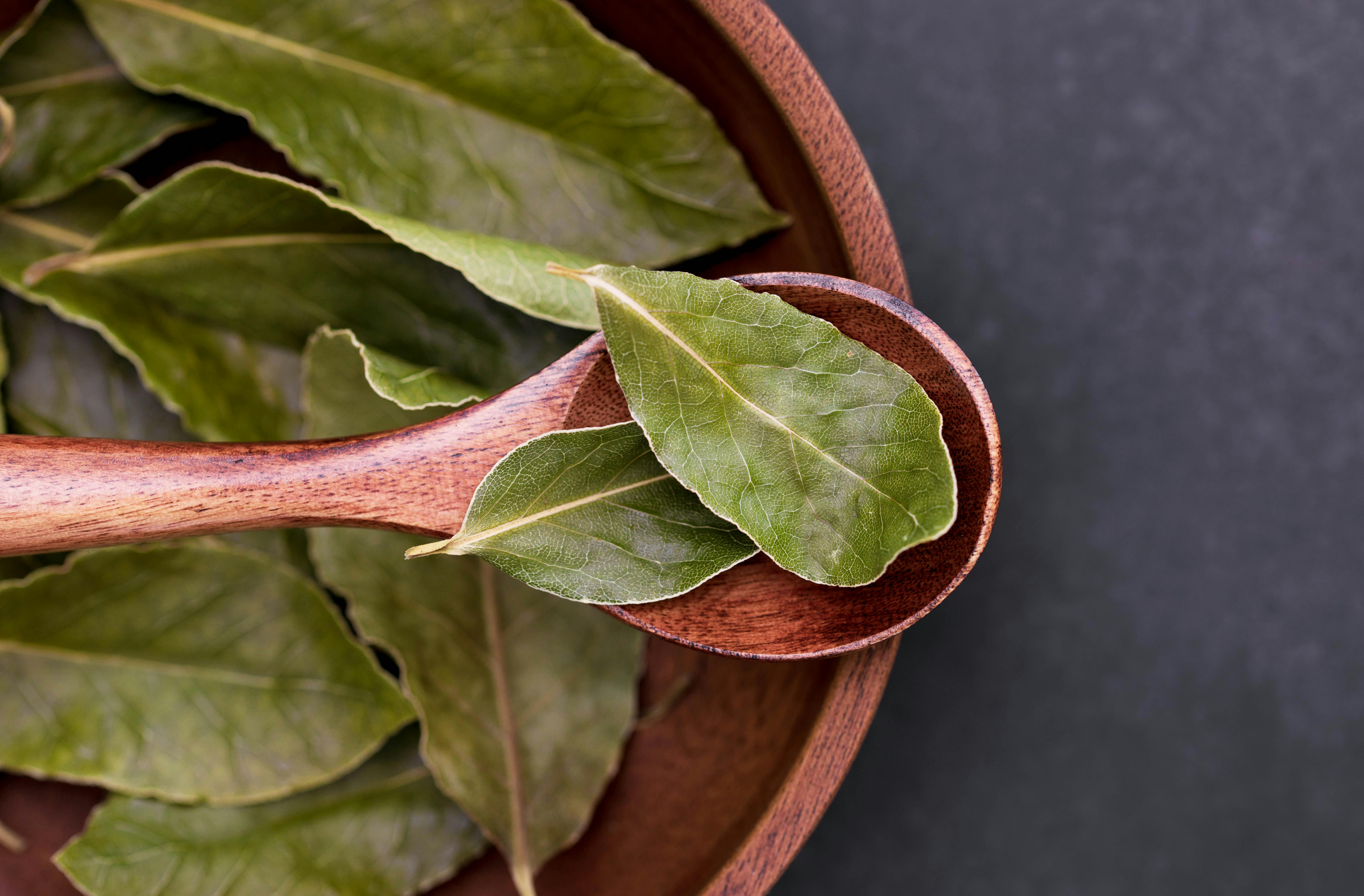
Like many people, I used to overlook the health benefits of bay leaves, seeing them only as the leaf we fish out of our stews — yet this everyday herb holds a surprising place in natural wellness. A long history as a deeply respected medicinal plant in traditional herbal practices.
Bay leaves (from Laurus nobilis) have been used for centuries to support digestion, ease inflammation, open the lungs, calm the nervous system, and gently nudge the body back into balance. And the beautiful part? It’s simple, affordable, and probably already sitting in your cupboard.
Let’s explore why bay leaves deserve a place not only in your cooking — but potentially in your natural remedies toolkit too.
Important Disclaimer: While bay leaves have a rich tradition in herbal medicine and contain promising plant compounds shown in lab, animal, and some small human studies, most claimed health benefits are based on traditional use or preliminary research. Large-scale human clinical evidence is limited, and more studies are needed. Bay leaves are not a substitute for medical treatment. Always consult a healthcare provider before using them medicinally, especially if you have health conditions, take medications (e.g., for diabetes or blood thinning), are pregnant, breastfeeding, or preparing for surgery.
What Are Bay Leaves?
Bay leaves come from the evergreen Laurus nobilis, a tree native to the Mediterranean.
They’re rich in naturally occurring plant compounds such as:
- Eugenol
- Cineole
- Linalool
- Flavonoids
- Tannins
- Vitamins A and C
These contribute to their:
- Warming digestive action
- Anti-inflammatory properties
- Antimicrobial effects
- Antioxidant support
In herbal medicine, bay leaves are considered both stimulating and comforting — a lovely combination when the body feels sluggish, bloated, or run down. Now let's look at some health benefits of bay leaves.

Potential Health Benefits of Bay Leaves
1. Gentle but Powerful Digestive Remedy
Bay leaves are one of those quiet digestive helpers that don’t get nearly enough credit. Traditionally, they’ve been used to:
- Stimulate digestive juices
- Reduce bloating and gas
- Ease cramping
- Support better nutrient absorption.
If you’ve ever felt heavy after a meal, bay leaf tea can feel surprisingly soothing — like your digestive system just gave a little sigh of relief. Traditional uses include indigestion, constipation, diarrhea, and nausea.
2. Support for Blood Sugar Balance
Bay leaves are often included in natural wellness routines for metabolic health. Some small studies and traditional use suggest they may help:
- Improve insulin sensitivity
- Support stable glucose levels
- Reduce sugar cravings
Not in a dramatic way — but in that gentle, supportive herbal way that works with the body over time. (Note: Evidence is preliminary; monitor blood sugar closely if diabetic.)
3. Natural Anti-Inflammatory Support
Bay leaves contain compounds that may help calm inflammatory pathways (shown in some lab and animal studies). Traditionally useful for:
- Joint discomfort
- Muscle stiffness
- Tension headaches
- General aches and pains
A warm bay leaf bath or infused oil massage can feel deeply comforting at the end of a long day.
4. Immune & Antimicrobial Support
Bay leaves have natural compounds with antimicrobial properties (evident in traditional and some lab research). They’ve been used traditionally for:
- Colds and flu
- Coughs
- Sinus congestion
- Chest infections
The aroma alone — that clean, slightly spicy scent — can make you breathe a little deeper.
5. Respiratory Support
Bay leaves are wonderful traditionally when there is:
- Mucus congestion
- Tight breathing
- A heavy chest feeling
A simple steam inhalation with bay leaves can feel like opening a window in a stuffy room — for your lungs.
6. Heart & Circulation Support
Their antioxidant content may help support:
- Healthy cholesterol levels
- Circulation
- Reduced oxidative stress
Another quiet, long-term supportive herb (preliminary evidence).
7. Calming for the Nervous System
Bay leaves also have a subtle grounding effect. Traditionally, they may help:
- Ease stress and tension
- Support better sleep
- Settle an overbusy mind
Not sedating — just gently centering.

Bay Leaf Tincture
What Is a Bay Leaf Tincture?
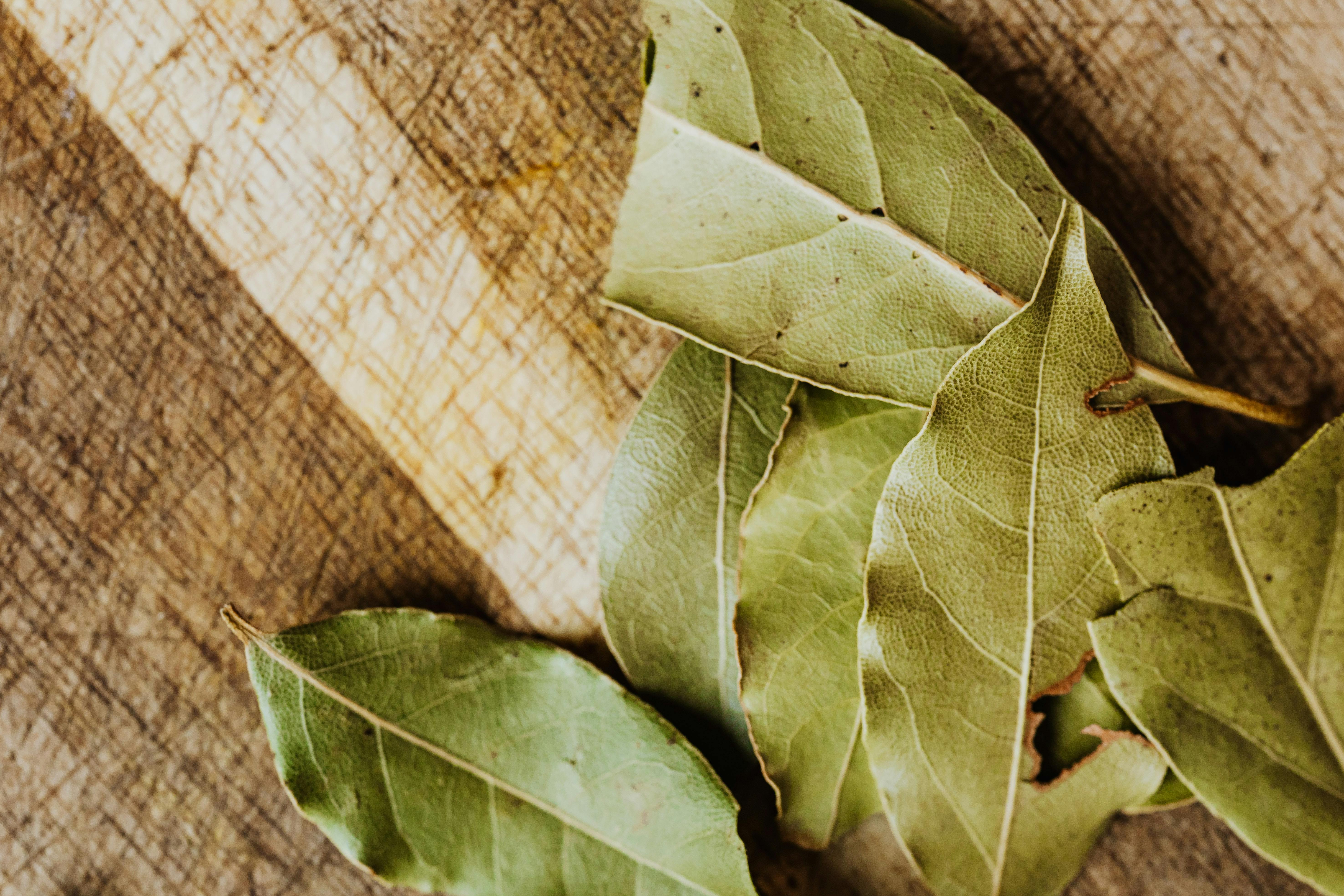
A tincture is a concentrated herbal extract that captures the plant’s active compounds in a long-lasting, easy-to-use, quickly absorbed form. Think of it as bay leaf in its most potent, practical version.
How to Make a Bay Leaf Tincture
You’ll need:
- Dried bay leaves (crushed)
- Vodka or brandy (40–50%)
- A glass jar with a lid
Method:
- Fill the jar halfway with crushed bay leaves
- Cover completely with alcohol
- Seal and shake
- Store in a dark cupboard for 4–6 weeks
- Shake daily (a lovely little ritual)
- Strain and bottle in a dark dropper bottle
What Is Bay Leaf Tincture Helpful For?
Traditionally supportive for:
- Bloating and slow digestion
- Blood sugar balance
- Colds and flu
- Inflammation and joint discomfort
- Nervous tension
It’s one of those remedies that earns its place on the shelf because it gets used often.
Bay Leaf Essential Oil
Bay leaf essential oil is powerful, warming, and stimulating — very different from the whole leaf. Always dilute before use (e.g., in a carrier oil).
Health Benefits of Bay Leaf Essential Oil
- For the chest: Helps clear congestion, supports easier breathing
- For muscles and joints: Warming and soothing, encourages circulation
- For digestion: Useful in abdominal massage blends for bloating/cramping
- For emotional support: In aromatherapy, may improve focus, reduce mental fatigue, encourage confidence
It’s an oil with a very “get up and move” energy.
Bay Leaf Remedies

Bay Leaf Tea for Digestion & Bloating
- 2–3 dried bay leaves
- 1 cup hot water
Steep 10–15 minutes, strain, sip slowly after meals. One of the simplest everyday remedies.
Bay Leaf Steam for Congestion
Add a few bay leaves to hot water, cover head with towel, breathe deeply. Instant herbal sauna for sinuses.
Bay Leaf Bath for Aches & Stress
Make strong bay leaf tea and pour into bath. Lovely when body feels tight or overwhelmed.
Bay Leaf Infused Oil for Pain Relief
Infuse crushed dried bay leaves in olive oil for weeks, strain, use for sore muscles, stiff joints, or abdominal massage.
Safety Notes - Read before rushing off to test the health benefits of bay leaves.
- Never swallow whole bay leaves (they’re indigestible and can cause choking or intestinal blockage).
- Always dilute essential oil; patch-test for skin sensitivity.
- May lower blood sugar — monitor closely if diabetic or on related meds.
- Avoid large amounts before surgery (may affect CNS or interact with anesthesia).
- Consult a doctor if pregnant, breastfeeding, or on blood-thinning/antidiabetic medications.
- Use true Laurus nobilis (avoid toxic look-alikes like California bay). Culinary amounts are generally safe.
How I Personally Use Bay Leaves 🌿
I have come to appreciate the health benefits of bay leaves over the years. They have become one of those remedies I reach for without even thinking about it. If my digestion feels slow or I have that uncomfortable, bloated feeling after a meal, I’ll make a simple bay leaf tea and sip it slowly. Nothing complicated — just the leaves, hot water, and a few minutes to pause. It feels warming, settling, and gently brings everything back into rhythm again.
When there are sniffles or a heavy chest in the house, I add a few bay leaves to a bowl of steaming water and do a deep inhale. That clean, spicy aroma instantly makes the air feel clearer and my breathing deeper — like opening a window inside my body. I like to alternate with eucalyptus essential oil.
I also love adding bay leaves to remedies that work in the background. A jar of bay leaf–infused oil sits in my cupboard ready for tight shoulders, sore muscles, or an abdominal massage when digestion needs extra support.
And then there’s the everyday, almost-forgotten way, of culinary use — adding a bay leaf to soups, stews, and slow-cooked meals. It’s such a simple thing, but it turns food into something more supportive and nourishing.
What I appreciate most about bay leaves is that they’re gentle. They don’t force the body. They support it. They’re not a dramatic remedy — they’re a steady one. And those are often the remedies I value the most.
So for me, bay leaves are not just a spice. They’re part of my daily rhythm of small, consistent, natural support — the kind that adds up over time.

Final Thoughts: The Quiet Healer in Your Spice Cupboard 🌿
If you are exploring the health benefits of bay leaves, they are steady, reliable, and deeply supportive — which in herbal medicine is something very special. They warm, stimulate, calm, and strengthen at the same time. And sometimes the most powerful remedies are the ones that have been sitting in our kitchens all along
If you're curious about wellness, you might like these 🌿
Green Tea Weight Loss – How It Boosts Metabolism Naturally
Green tea weight loss explained: thermogenesis, appetite control, blood sugar balance, matcha vs tea and how to use it for lasting results.
Garlic Health Benefits
Garlic Health Benefits includes anti-viral, anti-bacterial and anti-fungal properties. It is also a powerful antioxidant and immune booste
Milk Thistle Liver Detox – Benefits, Fatty Liver & How It Works
Milk thistle liver detox explained – support liver function, fatty liver, antioxidants, safety, research and how to use it in a natural detox plan.

If you want tips on natural wellness, you can get them straight to your inbox.

Enter your email below and I’ll share new articles, reflections, and practical insights as they’re published.
Side Thoughts
Thanks for visiting here. If you'd like to stay in touch with our regular updates, then we'd love you to subscribe to our Detox-For-Life Newsletter.
We are a participant in the Amazon Services LLC Associates Program, an affiliate advertising program designed to provide a means for us to earn fees by linking to Amazon.com and affiliated sites.
NEWSLETTER
New pages, fresh perspectives, and practical detox-for-life insights are shared first with newsletter readers.
Recent Articles


-
Fennel Essential Oil: Aromatic and Soothing Oil with Health Benefits
Apr 14, 26 03:36 PM
 Fennel Essential Oil - Learn how this sweet, licorice-like oil supports digestion and everyday wellness.
 -
Beyond Curry: Turmeric Essential Oil - Benefits, Uses & Safety Guide
Mar 16, 26 07:19 AM
Explore Turmeric Essential Oil - Spice up your life with this golden oil. From adding a zesty kick to your morning smoothie to giving your skin a radiant glow -
Liver Cleanse Guide: Support Your Liver the Natural Way
Mar 03, 26 01:37 AM
 Discover how a gentle liver cleanse supports detox, digestion, metabolism, clear skin and steady energy using food, herbs and simple daily habits.