- Home
- Immune Health
- Manuka Honey Benefits
Manuka Honey Benefits
Science-Backed Advantages and How to Use It
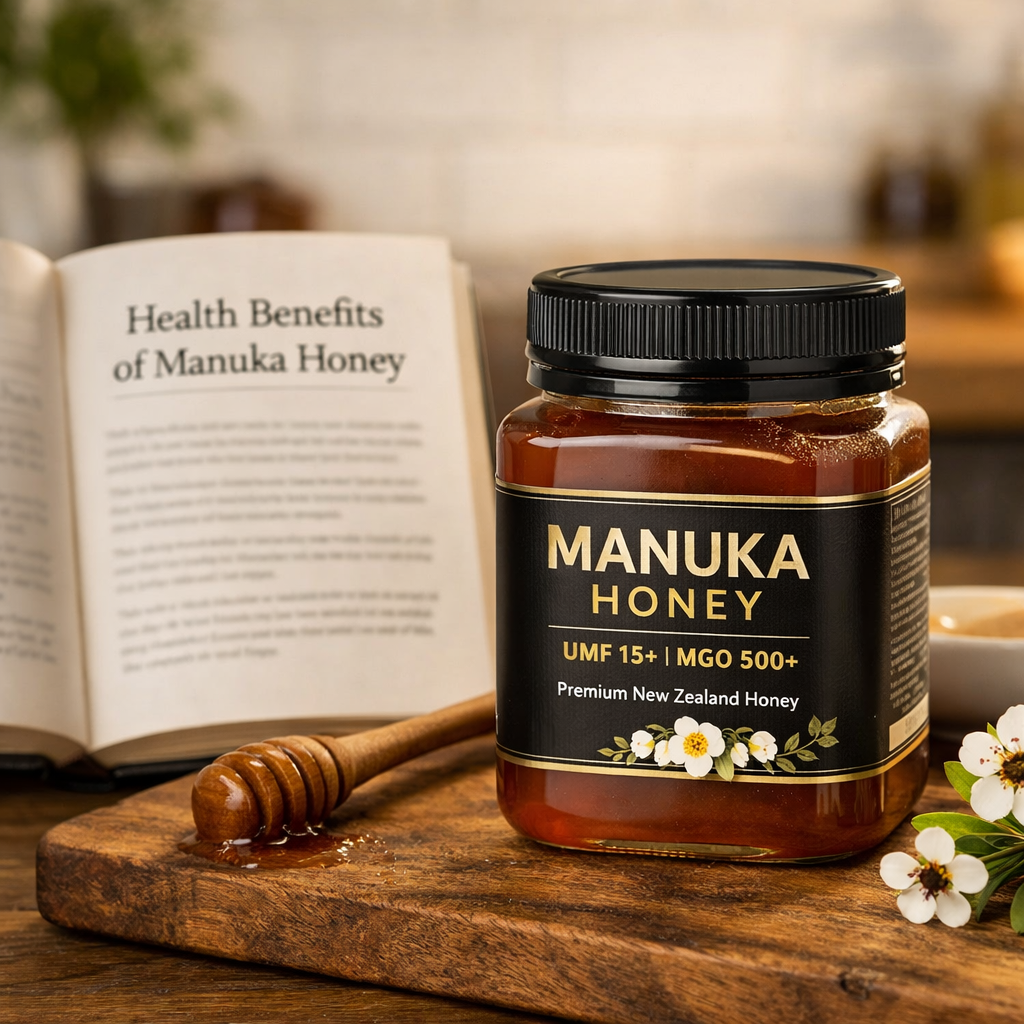
Manuka honey benefits have been buzzing around social media lately, and for good reason. This special honey from New Zealand isn't just a sweet treat, it's packed with unique properties that set it apart from the regular honey you might drizzle on your toast. Derived from the nectar of the Manuka bush, it boasts impressive antibacterial qualities that have caught the attention of health enthusiasts everywhere. 🐝
If you're searching for "manuka honey benefits" or wondering about the "health benefits of manuka honey," you're in the right place. We'll explore its origins, key advantages like wound healing and immune support, and practical tips for incorporating it into your routine. While it's not a cure-all, science shows it offers real perks, especially for those interested in natural wellness options. Think of it as nature's own antibiotic in a jar—minus the prescription. Let's dive in and uncover what makes Manuka honey so special. 🍯
What Is Manuka Honey?
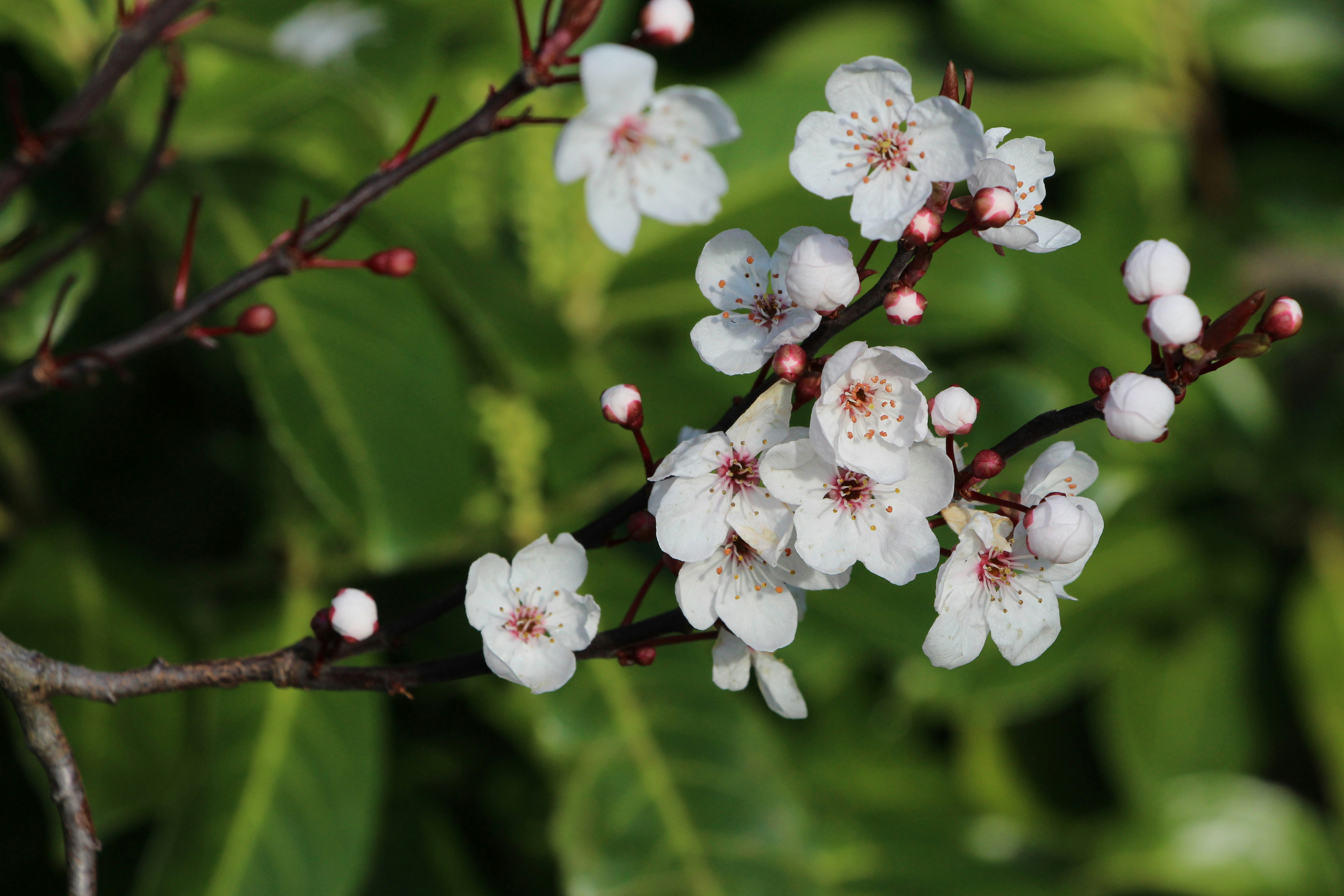
Manuka honey is produced by bees that pollinate the Manuka bush, native primarily to New Zealand and parts of Australia. Like all honey, it is created through a natural process of nectar collection, enzymatic conversion, and moisture reduction inside the hive.
What distinguishes Manuka honey from regular honey is its non‑peroxide antibacterial activity. Most honeys rely largely on hydrogen peroxide for their antimicrobial effects—a compound that becomes inactive when exposed to heat, light, or bodily fluids. Manuka honey, however, contains methylglyoxal (MGO), a naturally occurring compound that remains stable and active under conditions where hydrogen peroxide breaks down.
This additional antibacterial mechanism explains why Manuka honey is often researched for uses ranging from skin care to digestive and throat support. Because the Manuka bush flowers for only a short period each year, authentic Manuka honey is produced in limited quantities, contributing to its higher cost and perceived value.
Understanding Manuka Honey Ratings: UMF vs MGO Explained
When choosing Manuka honey, two grading systems are commonly seen: MGO and UMF. These ratings help indicate both potency and authenticity.
MGO (Methylglyoxal) measures the concentration of methylglyoxal in milligrams per kilogram. Higher MGO numbers generally indicate stronger antibacterial potential. For example, MGO 100+ is often used for everyday wellness, while MGO 400+ and above are typically chosen for more targeted applications.
UMF (Unique Manuka Factor) is a certification system managed by the UMF Honey Association in New Zealand. It evaluates multiple markers—including MGO, dihydroxyacetone (DHA), and leptosperin—to verify both purity and non‑peroxide antibacterial activity.
In simple terms, MGO reflects strength, while UMF confirms overall authenticity and quality.
Manuka Honey Benefits Comparison Table
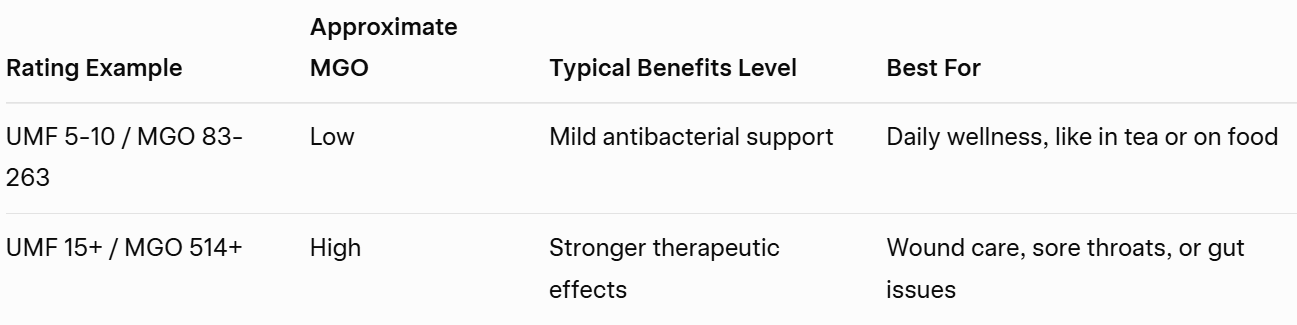
For those researching how to read Manuka honey labels, certified seals and batch traceability are key indicators of genuine product.
Science‑Backed Manuka Honey Benefits
Manuka honey benefits are primarily linked to its high MGO content and complementary plant compounds. Below are the most well‑studied applications.
Powerful Antibacterial and Antimicrobial Properties

Manuka honey creates an environment that inhibits bacterial growth by disrupting moisture balance and cellular function. Laboratory studies show activity against several bacteria, including Staphylococcus aureus, and some strains associated with antibiotic resistance.
In simple terms, bacteria need a balanced pH and moisture to grow; Manuka disrupts that balance without harming your body's good cells. This is why it is commonly searched for as an antibacterial and makes it a well sought after natural remedy.
Supports Wound Healing and Skin Health
Medical‑grade Manuka honey has been used in wound dressings due to its ability to maintain a moist environment, limit bacterial growth, and support tissue repair. Research has observed improved healing outcomes in chronic wounds, burns, and ulcers.
In skincare, Manuka honey benefits are being explored for acne‑prone or irritated skin due to its soothing and antimicrobial effects.
Soothes Sore Throats and Coughs

Honey’s thick texture helps coat the throat, while Manuka’s antibacterial properties may address underlying irritation. Studies published in medical journals have found honey comparable—or superior—to some conventional cough treatments for symptom relief.
Supports Oral Health
Emerging research suggests Manuka honey may help reduce plaque‑forming bacteria and support gum health. Unlike refined sugars, it does not appear to promote bacterial growth in the same way, making it a subject of interest in oral‑care research.
Digestive and Gut Support
Manuka honey may act as a prebiotic, supporting beneficial gut bacteria while limiting harmful microbes such as H. pylori.
Studies suggest it may ease symptoms of IBS or ulcers by reducing inflammation and fighting H. pylori bacteria, a common cause of stomach issues.
Antioxidant and Immune Support
Rich in polyphenols and flavonoids, Manuka honey contributes antioxidant support, helping neutralize oxidative stress. These properties may indirectly support immune resilience, particularly during periods of increased physical or environmental strain.
Emerging Areas of Research
Preliminary laboratory and animal studies are investigating Manuka honey’s effects on inflammation, cholesterol metabolism, and abnormal (cancerous) cell growth. While promising, these findings are early‑stage and should not be interpreted as clinical treatment outcomes.
Manuka Honey Face Mask Recipes
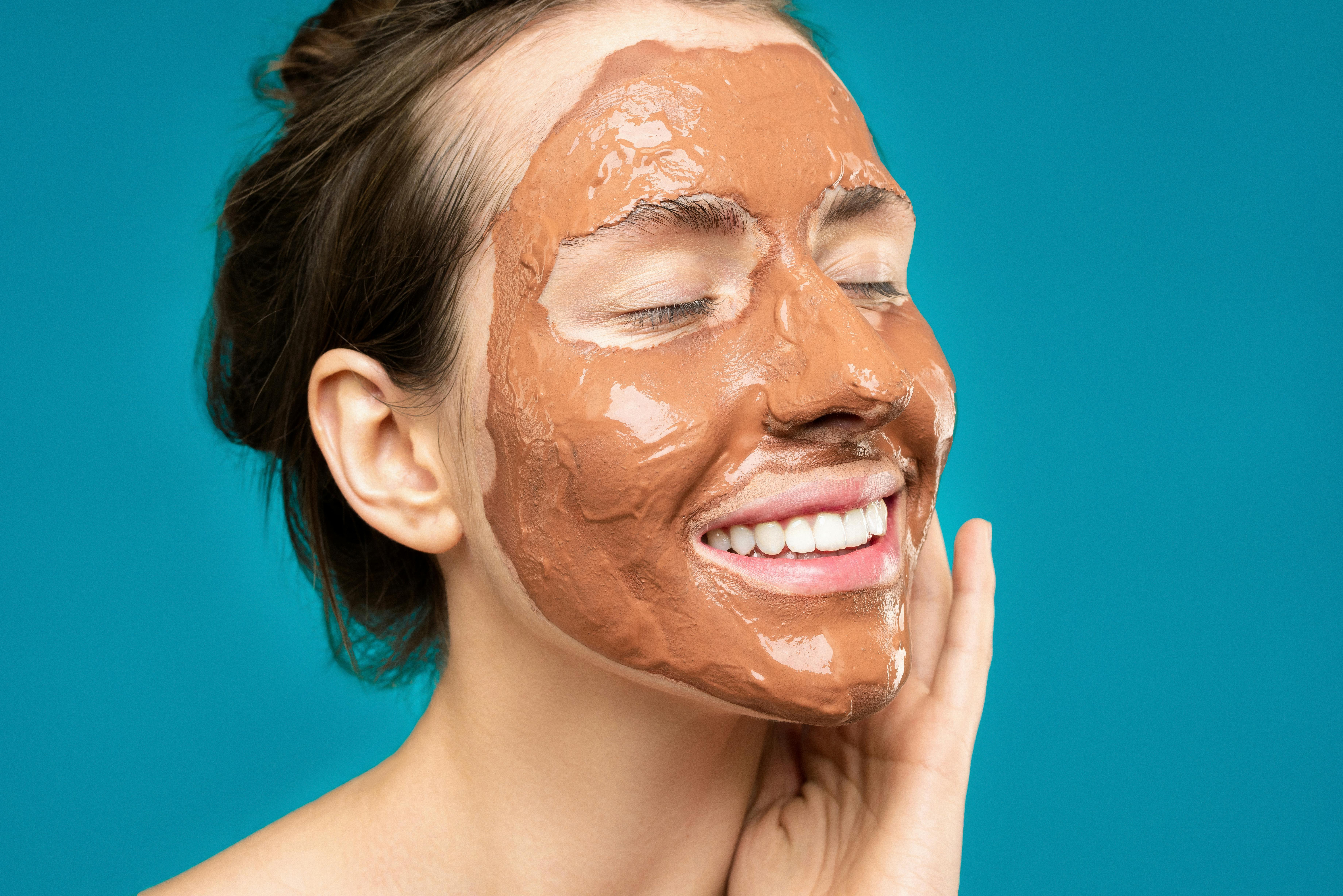
Manuka honey is widely used in simple, at-home skincare due to its soothing texture and naturally antibacterial profile. When combined with common kitchen ingredients, it can be incorporated into gentle face masks designed to hydrate, cleanse, or calm the skin. These recipes are intended for general skincare use, not for treating medical skin conditions.
Common DIY Manuka Honey Mask Recipes
Basic Hydration Mask
- 1 tablespoon Manuka honey
- ½ mashed avocado
- ½ teaspoon coconut oil
This mask is commonly used for dry or tired-looking skin, helping to support moisture and softness.
Acne-Prone / Brightening Mask
- 1 tablespoon Manuka honey
- ½ teaspoon turmeric powder
- ½ teaspoon ground cinnamon
This combination is often chosen for its clarifying and brightening qualities. Use sparingly, as spices may be stimulating for sensitive skin.
Exfoliating Scrub
- 1 tablespoon Manuka honey
- ½ tablespoon baking soda
- A small pinch of salt
Gently massaged onto the skin, this scrub offers light exfoliation to help remove surface buildup. Avoid vigorous rubbing.
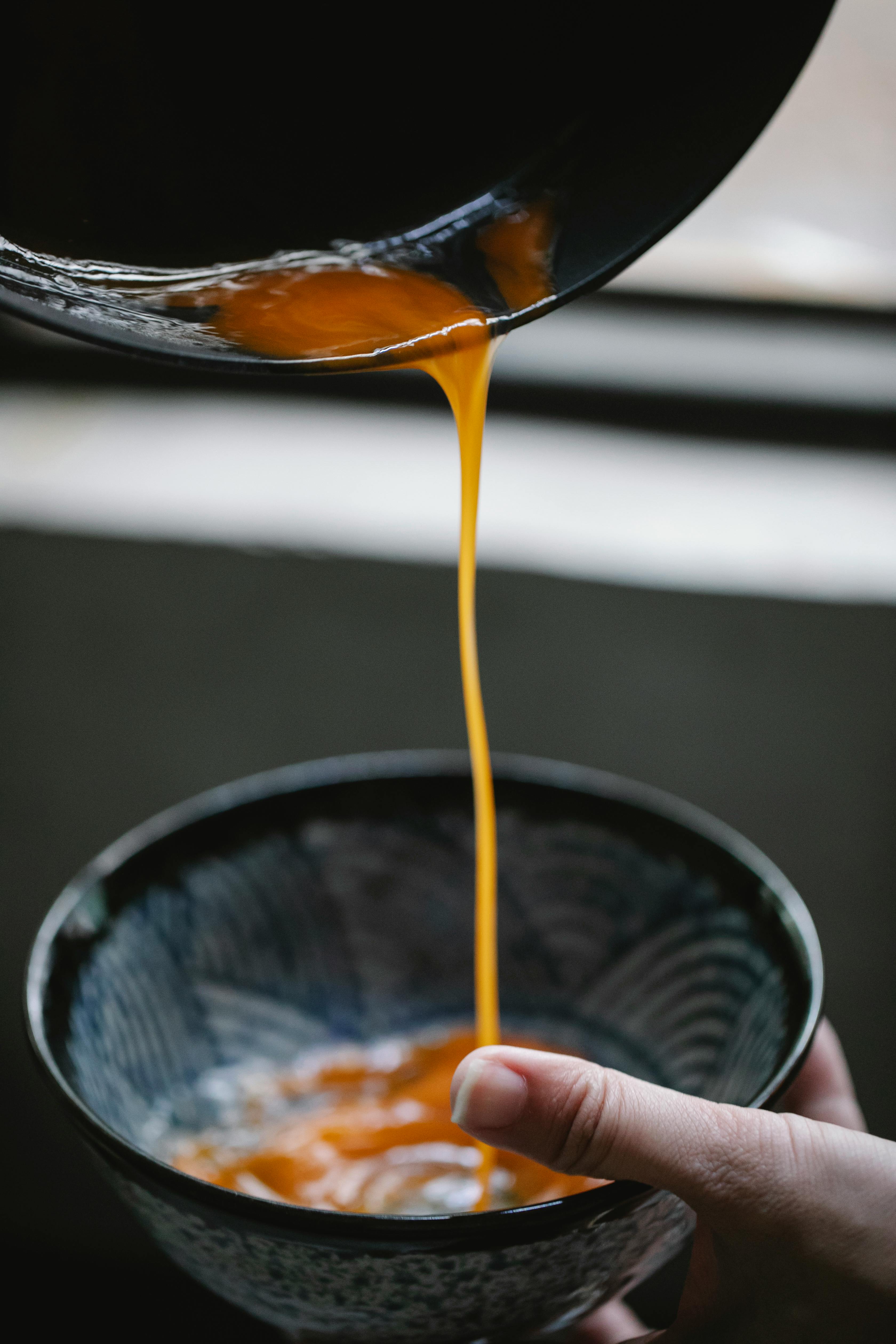
Soothing Mask
- 2 tablespoons Manuka honey
- 2 tablespoons plain Greek yogurt
This mask is commonly used to calm the appearance of redness and support a balanced skin feel.
Deep-Cleaning Mask
- 1 teaspoon Dead Sea mud
- 2 teaspoons French green clay
- ½ teaspoon Manuka honey
Clay-based masks are typically used for oilier skin types, helping absorb excess oils while Manuka honey adds a gentler element.
Tips for Application
- Patch Test: Always test the mixture on the inner arm before facial use to check for sensitivity.
- Application: Apply to a clean, slightly damp face using clean fingers or a soft brush.
- Duration: Leave on for 10–20 minutes.
- Removal: Rinse with warm water and gently pat dry.
How to Use Manuka Honey
For general wellness, 1–2 teaspoons daily is common, either on its own or stirred into warm (not hot) liquids. Excessive heat can reduce enzyme activity.
For topical use, a thin layer may be applied to clean skin or incorporated into simple skincare preparations. Higher MGO ratings are typically chosen for targeted applications.
Always store Manuka honey in a cool, dark place to preserve quality.
Safety Considerations
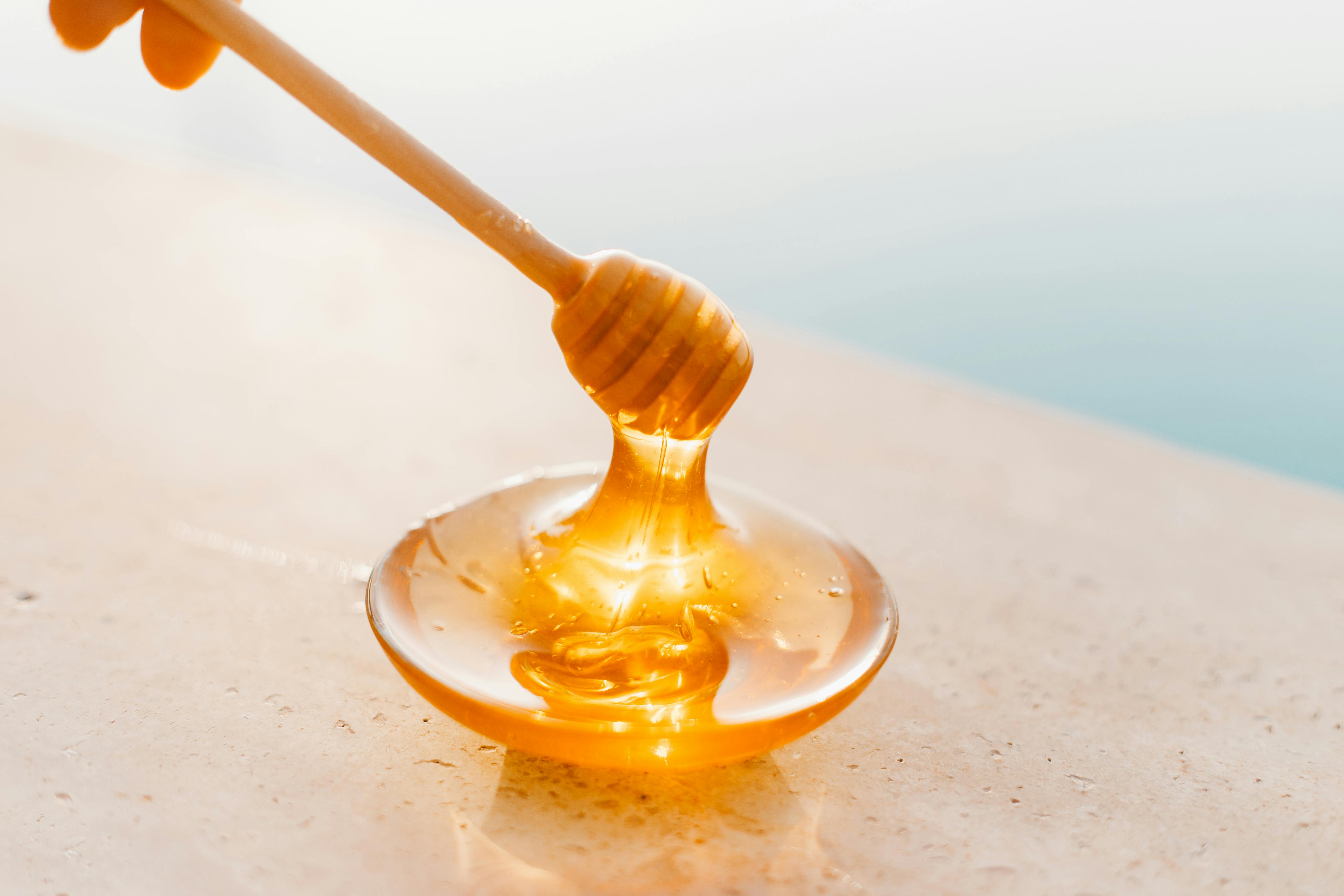
Manuka honey is not suitable for infants under one year of age due to the risk of botulism spores. Individuals with diabetes should consider its natural sugar content, and those with bee‑related allergies should use caution. For medical concerns, professional guidance is advised.
Choosing Authentic Manuka Honey
To avoid imitation products, look for UMF or clearly stated MGO certification from New Zealand producers. Single‑source, unblended honey with traceable batch numbers is generally considered higher quality.
Wrapping Things Up
Manuka honey stands out due to its unique antibacterial profile and growing body of research. Whether used for skin care, throat comfort, digestive support, or general wellness, it offers a grounded, evidence‑supported option when sourced and used appropriately. As with any natural product, quality and moderation matter most.
🐝Manuka honey isn’t the only powerful substance produced by bees—bee propolis offers its own unique health benefits worth learning about. 🐝
Enter your email below and I’ll share new articles, reflections, and practical insights as they’re published.
Side Thoughts
Thanks for visiting here. If you'd like to stay in touch with our regular updates, then we'd love you to subscribe to our Detox-For-Life Newsletter.
We are a participant in the Amazon Services LLC Associates Program, an affiliate advertising program designed to provide a means for us to earn fees by linking to Amazon.com and affiliated sites.
NEWSLETTER
New pages, fresh perspectives, and practical detox-for-life insights are shared first with newsletter readers.
Recent Articles


-
Explore Manuka Honey Benefits
Feb 07, 26 03:39 PM
 Unlock Manuka honey benefits: natural antibacterial, skin healing, sore throat relief, gut support & antioxidants. Authentic UMF guide inside.
 -
Grapefruit Essential Oil - Bright and Refreshing
Feb 04, 26 03:28 AM
 Zesty Magic - Grapefruit Essential Oil - peel back the benefits, its origins, extraction, aroma, and safe uses of this bright citrus oil.
 -
Breathe Easy Eucalyptus Essential Oil
Feb 02, 26 12:53 PM
 Explore eucalyptus essential oil—its origins, aroma, extraction, traditional uses, and safe ways to support breathing comfort and freshness.
New! Comments
Have your say about what you just read! Leave a comment in the box below.