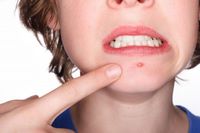
Apple Cider Vinegar Acne
Benefits of Apple Cider Vinegar Acne Treatments
If you like natural remedies then Apple Cider Vinegar Acne treatments might be worth trying as a traditional home skincare option.
Apple Cider Vinegar (ACV) is commonly used topically on acne-prone skin, and some people also include small amounts in their general wellness routine as a tonic. Results vary from person to person and it is not a guaranteed solution but a nice option if you are looking at a natural acne treatment route.
Apple Cider Vinegar - Cleansing and Skin Benefits
Is it the acclaimed skin detox agent?
Apple Cider Vinegar has long been used as part of cleansing and skin-balancing routines. Many people believe that supporting overall wellness and daily habits may be reflected in the appearance of the skin. If you suspect that your acne may be influenced by lifestyle factors such as diet or skincare practices, using Apple Cider Vinegar as part of a balanced routine may be helpful for some individuals.
Learn More About Traditional
Apple Cider Vinegar Uses
If you’d like to explore traditional ways Apple Cider Vinegar has been used over the years, the Bragg Apple Cider Vinegar booklet is a helpful, easy-to-read resource. It covers the history of ACV, general wellness uses, and practical tips from one of the most well-known names in apple cider vinegar.
This page may contain affiliate links. If you choose to purchase through them, I may earn a small commission at no extra cost to you. This helps support the free content on this site.
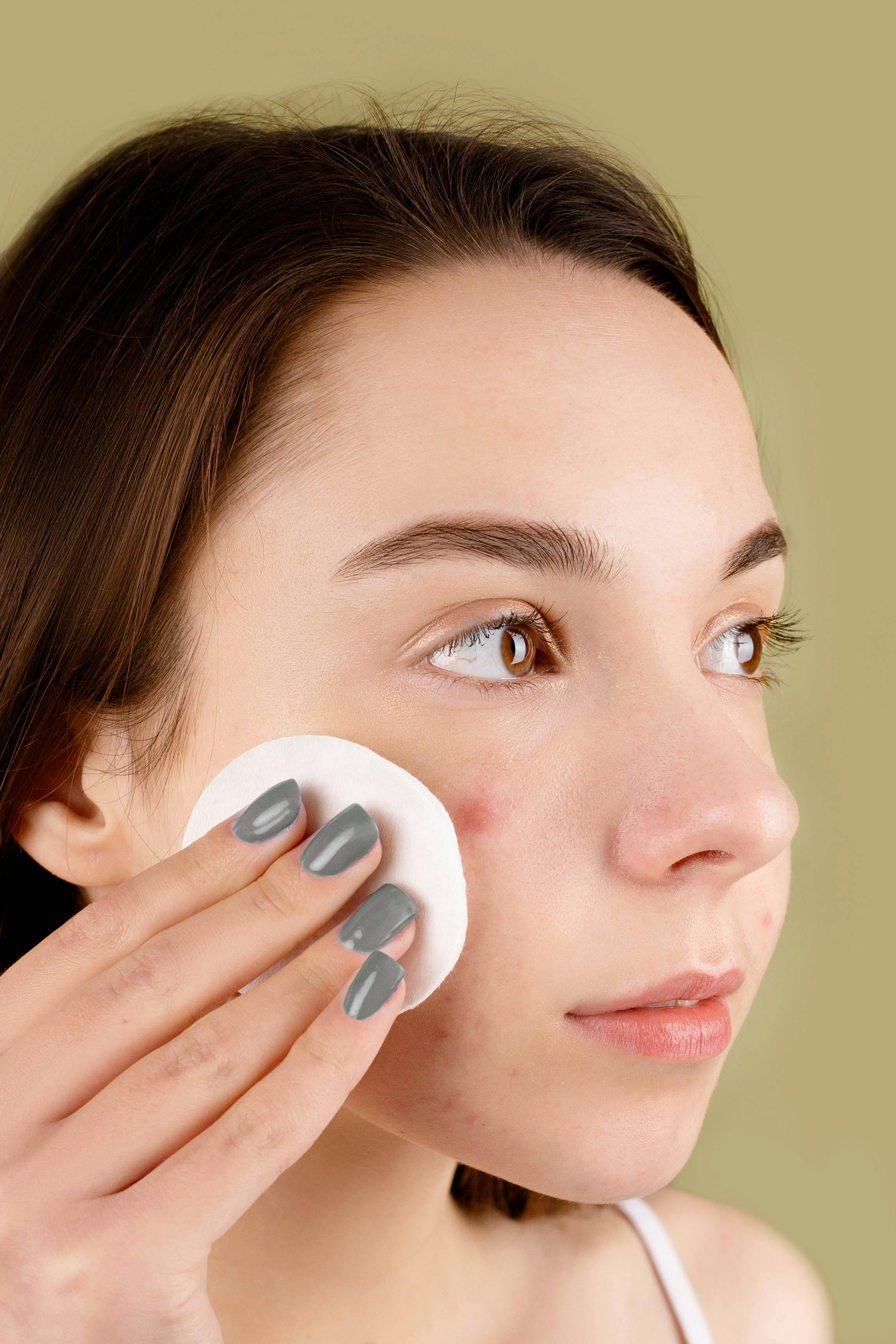
Apple Cider Vinegar Acne Home Remedy
As a home skincare remedy, Apple Cider Vinegar is often mentioned by people with acne-prone skin. Some report improvements in how their skin looks or feels.
There are also people who report that Cider Vinegar had no positive effect when used topically, that they disliked the smell, or that it irritated their skin. In some cases this may be related to skin sensitivity or the use of non-organic Cider Vinegar. Others report noticing changes in skin appearance, energy levels, or digestion when including Apple Cider Vinegar in their routines, although experiences vary and results are not guaranteed.
How Apple Cider Vinegar Acne Treatment May Work
Apple Cider Vinegar contains naturally occurring acids, including alpha-hydroxy acids, which are commonly used in cosmetic skincare products. These acids may help support gentle exfoliation of the skin’s surface and contribute to a smoother-looking appearance. Apple Cider Vinegar is also often discussed in relation to maintaining the skin’s natural pH balance.
Cider Vinegar is sometimes used as a spot application for blemishes or as part of a diluted toner mix. When used appropriately, it may help reduce surface oil and give the skin a more refreshed appearance. Some people also notice a more refined-looking skin texture.
Be aware that Apple Cider Vinegar has a strong smell when applied to the skin, so many people prefer to use it in the evening and rinse it off later.
If taken internally, Apple Cider Vinegar is generally used as a tonic as part of a personal wellness routine rather than as a treatment for acne.
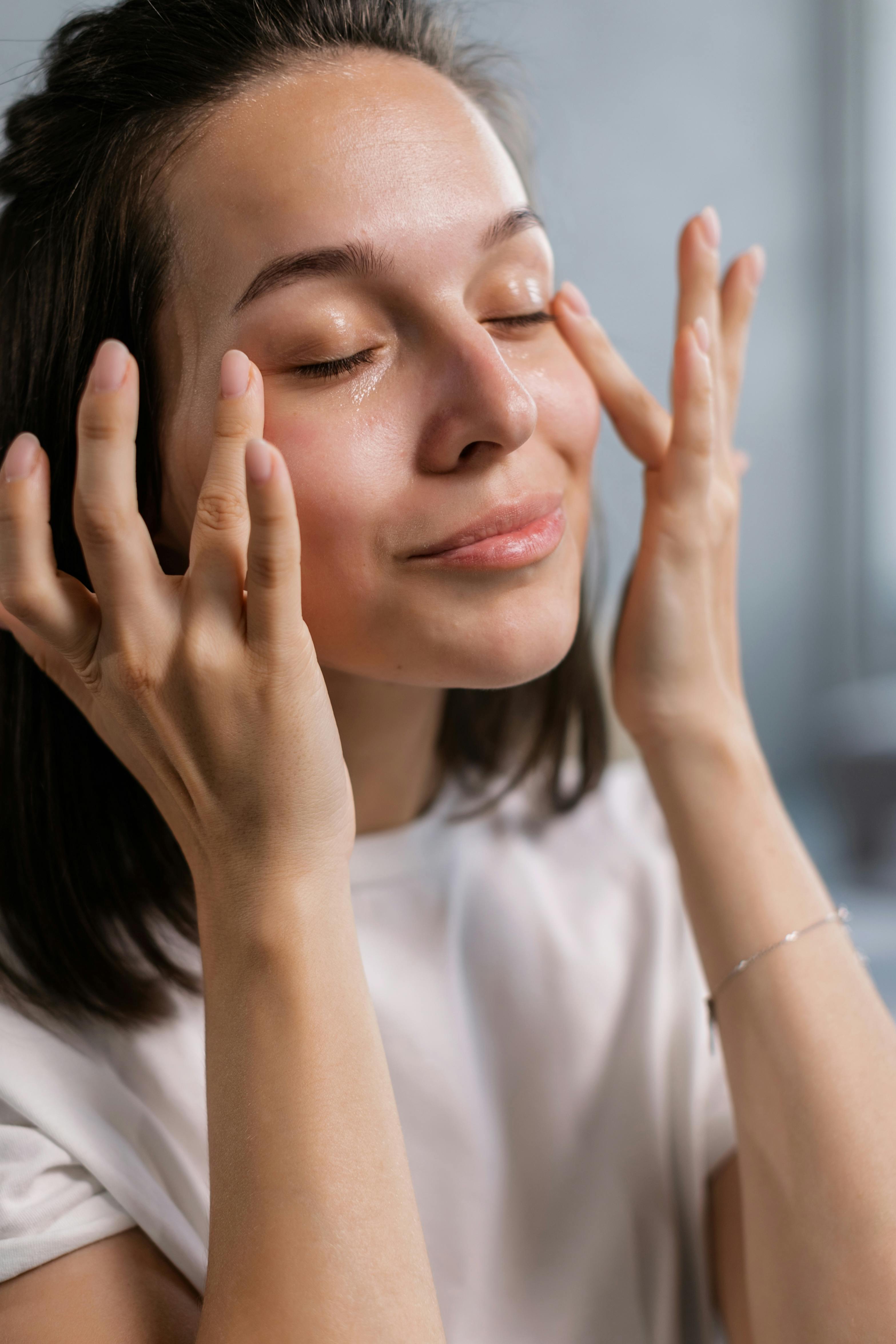
Skin Sensitivity To ACV
It is important that you test your skin’s sensitivity to Apple Cider Vinegar before use. Put a little under your chin and leave it for 15 minutes or so.
It is important to test your skin’s sensitivity to Apple Cider Vinegar before applying it more widely. Apply a small amount to an area such as under the chin and leave it on for about 15 minutes.
If no irritation occurs, you may tolerate diluted Apple Cider Vinegar on your skin. If it feels too strong, it should always be mixed with water. Start with a low concentration and increase gradually if your skin responds well. A common starting ratio is 5 parts water to 1 part vinegar.
Some mild redness or tingling may occur. If you experience burning, stinging, or significant irritation, rinse the area immediately and reduce the concentration or discontinue use.
Organic Apple Cider Vinegar
For skincare use, many people prefer organic Apple Cider Vinegar that contains the natural sediment known as the “mother.” This appears as cloudy strands in the bottle and is commonly associated with traditional, unfiltered vinegar. Non-organic versions may contain additives that some people prefer to avoid.
As your skin adjusts to any new skincare routine, you may notice temporary changes. However, worsening irritation or breakouts are not required for results and are a sign to stop using the product.
It is important to continue with a gentle, consistent skincare routine alongside any Apple Cider Vinegar use. This includes mild cleansing, moisturising, and daily sun protection.

Apple Cider Vinegar Acne Treatment Recipes
Skin Toner Recipes For Acne
- Cleanse your skin as usual, then use diluted apple cider vinegar as a toner or splash. Apple Cider Vinegar has an astringent feel and may help reduce excess surface oil while supporting the skin’s natural balance.
I found this great AVC skin toner recipe:
- one part ACV,
- one part witch hazel,
- 3 parts water.
The water can be replaced by Green Tea, which contains antioxidants to give your skin an extra boost because of the caffeine content. This is then applied to the skin with a cotton pad. ACV is an excellent natural skin tonic alternative to expensive products. You must moisturize afterwards otherwise you may be uncomfortable with the drying effect.
- You could try adding a few aspirin to the toner. The aspirin contains Salicylic Acid which is a Beta Hydroxy Acid that helps to exfoliate the skin. Salicylic Acid also dries up acne and can penetrate deeper into the pores to unblock them. Not to be used if you are allergic to asprin.
- Fill a basin with warm water add half cup Apple Cider Vinegar, splash several times on face after washing your face. Do this twice a day to help maintain a ph balanced, healthy skin.
- As a isolated spot treatment: Apply a
solution of apple cider vinegar and water (2 tablespoons to 1 eight
ounce glass of water) with a cotton ball several times a day. This will
help reduce infection and dry out inflammation.
Notes on Apple Cider Vinegar Skin Treatments
- The smell can be unpleasant to some people.
- Undiluted Apple Cider Vinegar may irritate sensitive skin and should be avoided.
- It is important to note that all skin types react differently and acne treatments that work for some might not work for others. Diluted Apple Cider vinegar is safe to try and it may suit your needs.
- Apple cider vinegar has a long history in traditional wellness, where it has been associated with support for issues such as acid reflux, cholesterol balance, constipation, and heartburn, although experiences vary.
- Apple Cider Vinegar is widely used in traditional wellness and skincare practices, but it is not a medical treatment and should not replace professional care. If you choose to use it, do so cautiously and pay close attention to how your skin responds.
For those interested in learning more about traditional apple cider vinegar practices beyond skincare, the Bragg Apple Cider Vinegar booklet provides general background and usage ideas.
Common Questions About Apple Cider Vinegar and Acne
Question: Can apple cider vinegar help with acne?
Question: Can apple cider vinegar help with acne?
Answer: Apple cider vinegar is often used as a traditional skincare ingredient by people with acne-prone skin. Some find it helps improve the look and feel of their skin when properly diluted, while others see little benefit or experience irritation. Skin responses vary, and it is not a medical treatment for acne.
Question
: Is it safe to apply apple cider vinegar directly to the skin?
Question
: Is it safe to apply apple cider vinegar directly to the skin?
Answer
: Apple cider vinegar should always be diluted before applying it to the skin. Undiluted vinegar can be irritating, especially for sensitive skin. It’s important to patch test first and discontinue use if burning or significant redness occurs.
Question
: Does drinking apple cider vinegar clear acne?
Question
: Does drinking apple cider vinegar clear acne?
Answer: Some people include small amounts of diluted apple cider vinegar in their general wellness routines, but it is not proven to clear acne. Acne can be influenced by many factors, and internal use should be considered a personal choice rather than a treatment.
Question
: How long does it take to see results when using apple cider vinegar on acne?
Question
: How long does it take to see results when using apple cider vinegar on acne?
Answer: If apple cider vinegar is tolerated, some people notice changes in skin appearance within a few weeks, while others notice no difference. If irritation or worsening breakouts occur, it’s best to stop using it and return to a gentle skincare routine.
Aloe Vera Juice Benefits Acne by helping detox your body.
Apple Cider Vinegar Benefits
Acne Treatments Mainpage
If you want tips on natural wellness, you can get them straight to your inbox.

Enter your email below and I’ll share new articles, reflections, and practical insights as they’re published.
Side Thoughts
Thanks for visiting here. If you'd like to stay in touch with our regular updates, then we'd love you to subscribe to our Detox-For-Life Newsletter.
We are a participant in the Amazon Services LLC Associates Program, an affiliate advertising program designed to provide a means for us to earn fees by linking to Amazon.com and affiliated sites.
NEWSLETTER
New pages, fresh perspectives, and practical detox-for-life insights are shared first with newsletter readers.
Recent Articles


-
Boswellia for Inflammation:
Feb 20, 26 07:32 AM
 Boswellia for inflammation explained: benefits for arthritis, pain relief, dosage, safety, and how to use capsules, tea, tincture, and essential oil.
 -
Evening Primrose Oil For Acne
Feb 19, 26 01:51 PM
 Discover how Evening Primrose Oil for acne supports clearer, calmer skin. Learn top types, dosages, side effects, and how to include it in your routine.
 -
Evening Primrose Oil for Hair Loss
Feb 19, 26 12:51 PM
 Discover how evening primrose oil for hair loss supports scalp health, reduces shedding and promotes stronger, shinier hair naturally.